nebulizer is good for infants
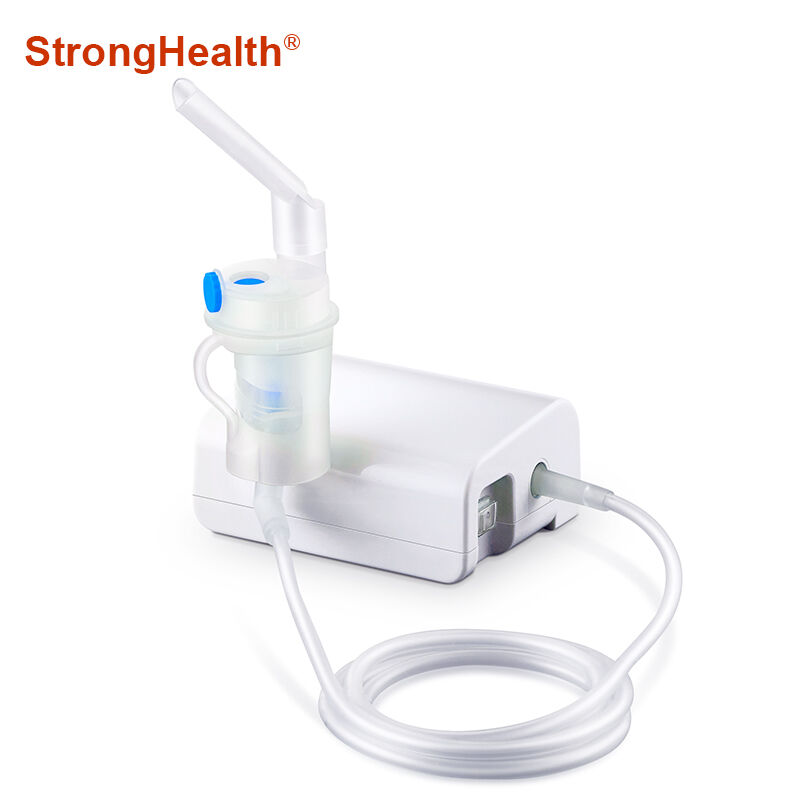
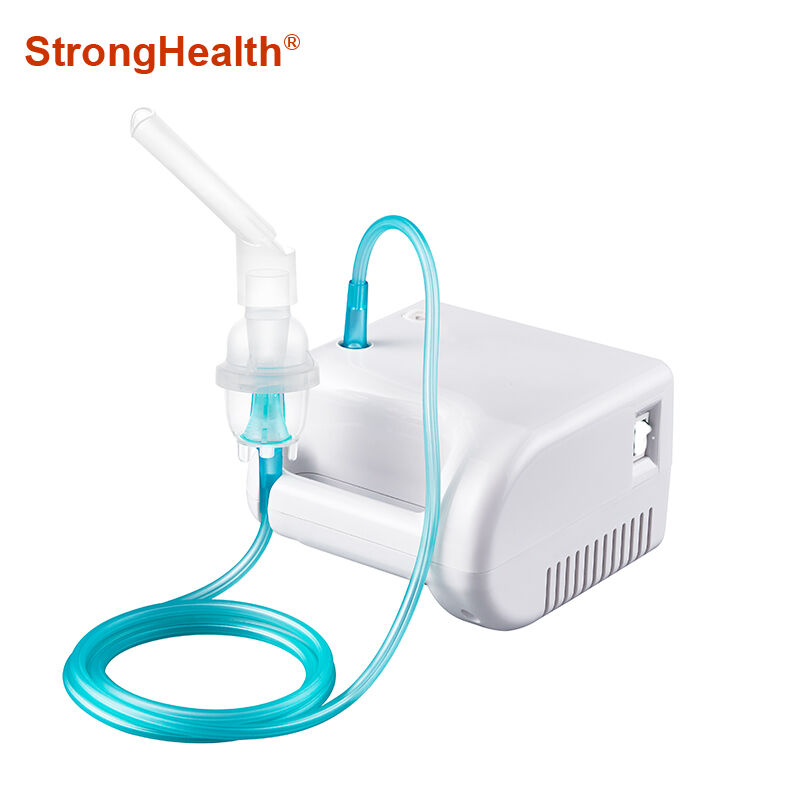
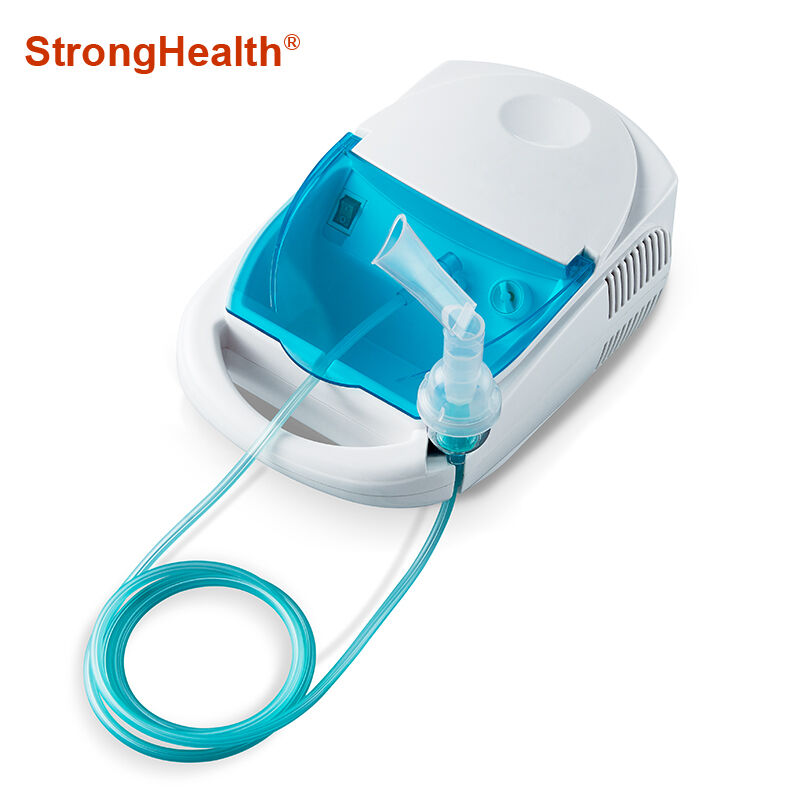
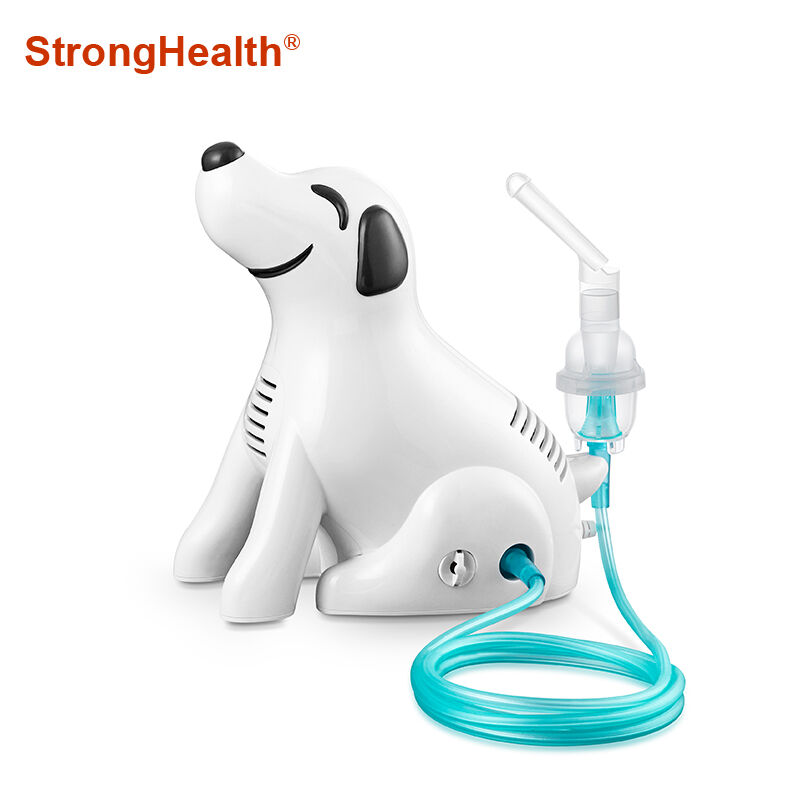
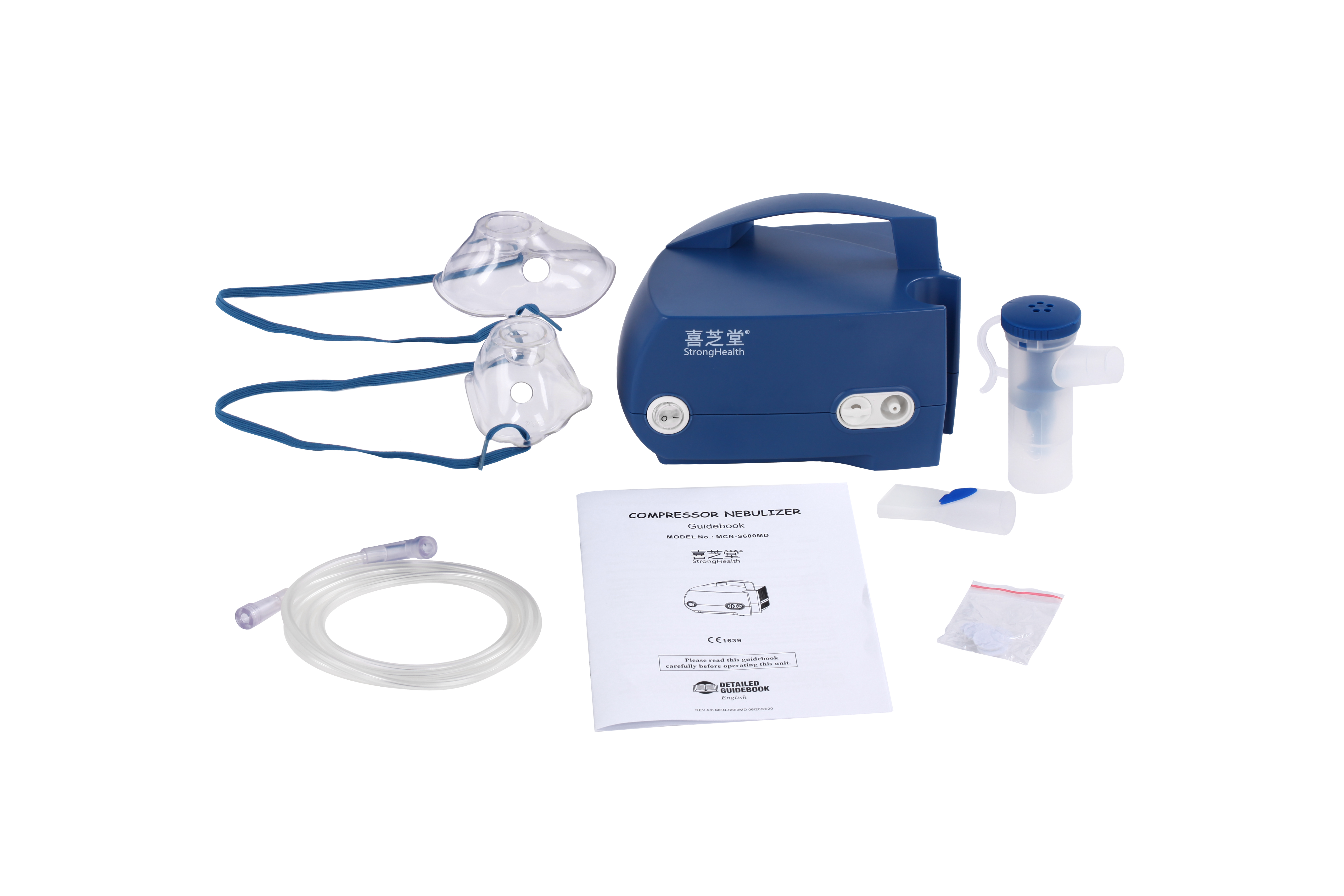
When selecting respiratory care equipment for young children, understanding why a nebulizer is good for infants becomes crucial for parents and healthcare providers. These specialized medical devices transform liquid medications into fine mist particles that infants can easily inhale, making treatment more effective and comfortable. A nebulizer is good for infants because it delivers medication directly to the respiratory system without requiring complex breathing techniques that older children might need to master. The main functions of infant-specific nebulizers include converting prescribed liquid medications into aerosol form, ensuring proper particle size for deep lung penetration, and maintaining consistent medication delivery rates. Modern nebulizer technology incorporates several advanced features that make treatment sessions more successful. Compressor-based systems generate powerful airflow to create uniform particle sizes, while mesh nebulizers use ultrasonic vibrations for quieter operation. Temperature control mechanisms prevent medication degradation during the nebulization process, ensuring maximum therapeutic effectiveness. Many units feature child-friendly designs with colorful masks and engaging visual elements to reduce anxiety during treatment sessions. The technological sophistication extends to particle size optimization, where devices produce particles between 1-5 microns for optimal lung deposition. Applications for infant nebulizers span various respiratory conditions including asthma, bronchiolitis, croup, and chronic lung conditions. Healthcare professionals frequently prescribe nebulizer treatments for infants experiencing wheezing, persistent cough, or breathing difficulties. The versatility of these devices allows administration of multiple medication types including bronchodilators, corticosteroids, and saline solutions. Treatment protocols can be customized based on infant weight, age, and specific medical requirements, providing personalized therapeutic approaches that enhance recovery outcomes while minimizing potential side effects.


 EN
EN