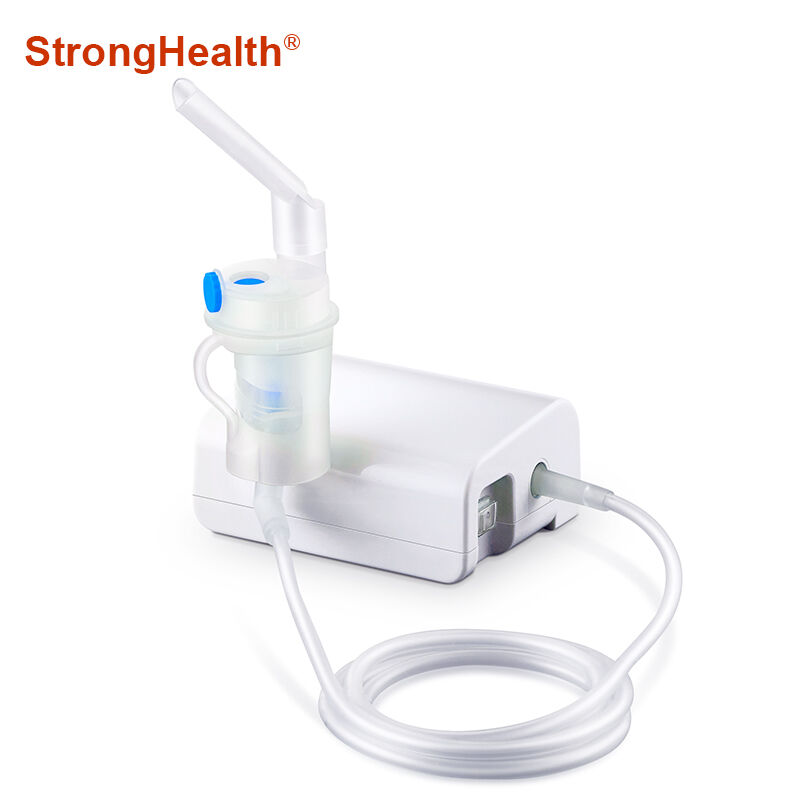
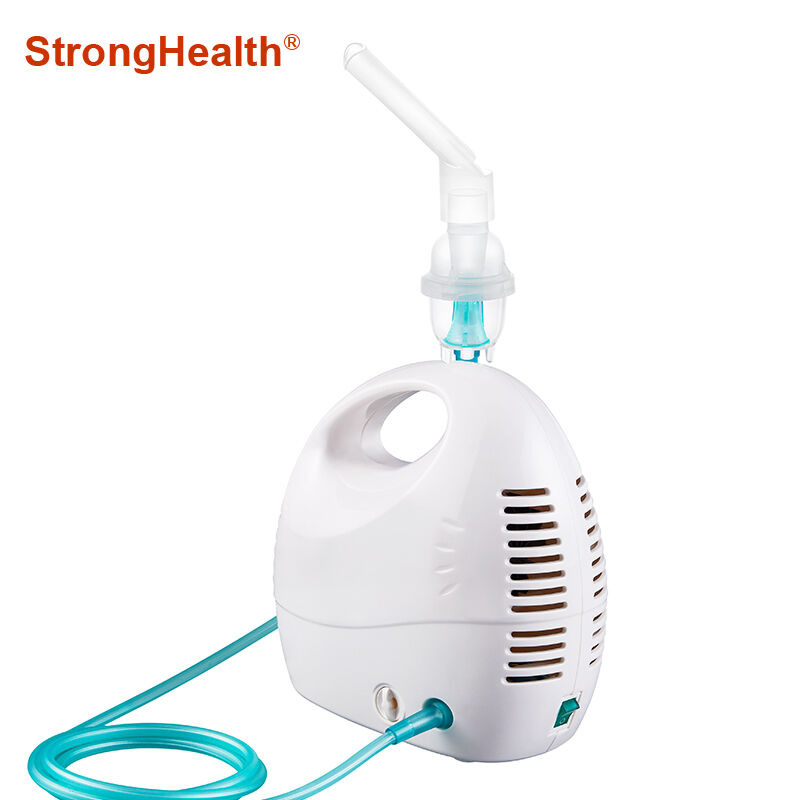
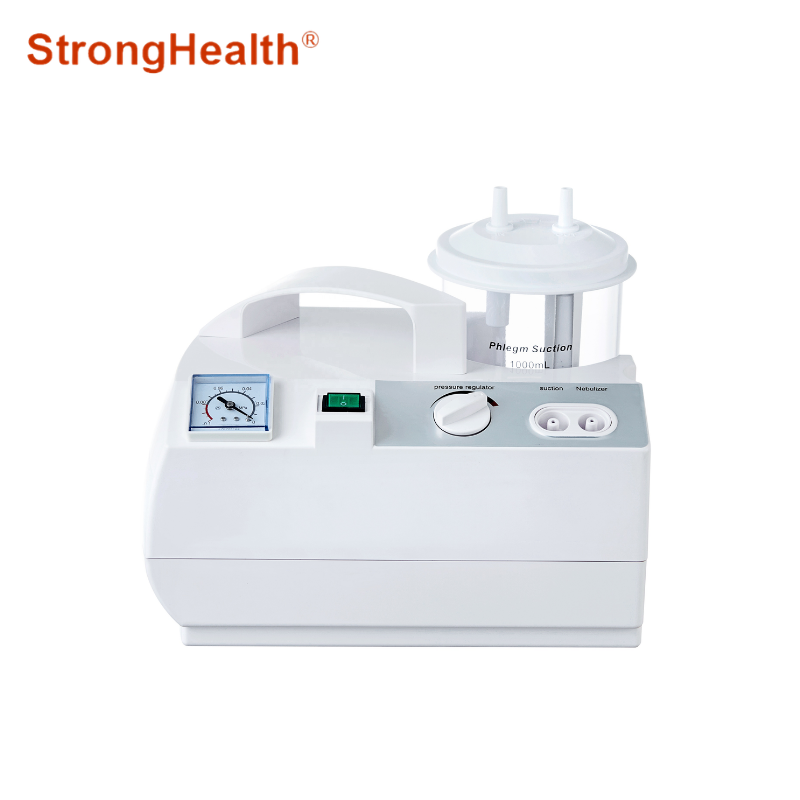
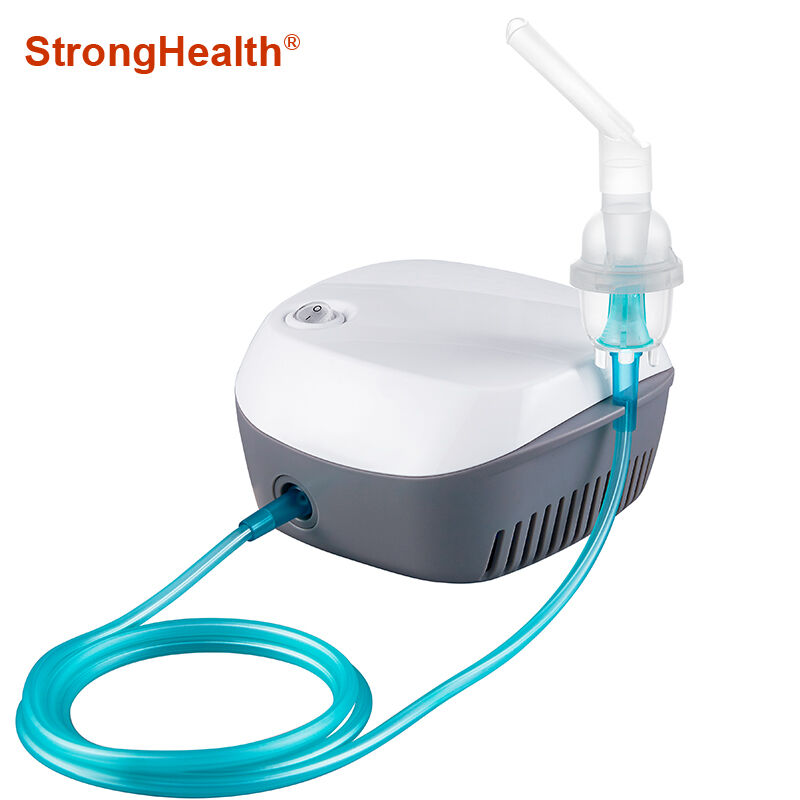
nebulizer kit for tracheostomy
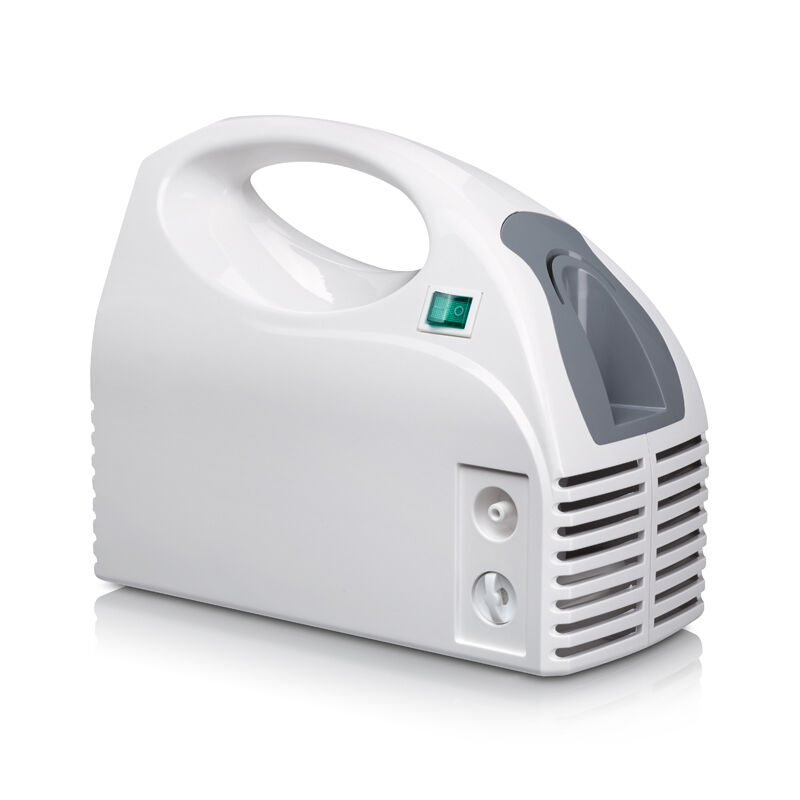
A nebulizer kit for tracheostomy represents a specialized medical device designed to deliver aerosolized medications directly through a tracheostomy tube, providing essential respiratory care for patients with artificial airways. This sophisticated medical equipment combines precision engineering with user-friendly operation to ensure effective medication delivery to patients who cannot receive conventional inhalation therapy. The nebulizer kit for tracheostomy consists of multiple components including a high-quality nebulizer chamber, connecting tubing, oxygen supply connectors, and specialized adapters that seamlessly integrate with tracheostomy tubes of various sizes. The main functions of this medical device center around converting liquid medications into fine aerosol particles that can be easily inhaled through the tracheostomy opening. This conversion process utilizes compressed air or oxygen to create a steady mist of medication that travels directly to the respiratory system, bypassing the upper airway entirely. The technological features of the nebulizer kit for tracheostomy include advanced particle size optimization, ensuring medications reach the intended areas of the respiratory tract with maximum efficiency. Modern units incorporate flow rate controls, pressure regulators, and safety mechanisms that prevent medication waste while maintaining consistent delivery rates. The kit typically features universal compatibility with standard medical gas sources and includes multiple adapter sizes to accommodate different tracheostomy tube configurations. Applications for the nebulizer kit for tracheostomy span across various medical settings, from intensive care units to home healthcare environments. Healthcare professionals use these devices to administer bronchodilators, mucolytics, antibiotics, and other respiratory medications to patients with long-term tracheostomies, those recovering from respiratory surgeries, or individuals with chronic respiratory conditions requiring ongoing treatment. The device proves invaluable for patients with compromised upper airways, vocal cord paralysis, or those requiring mechanical ventilation support, making it an essential component of comprehensive respiratory care protocols.



 EN
EN