Patient-Centered Design Excellence
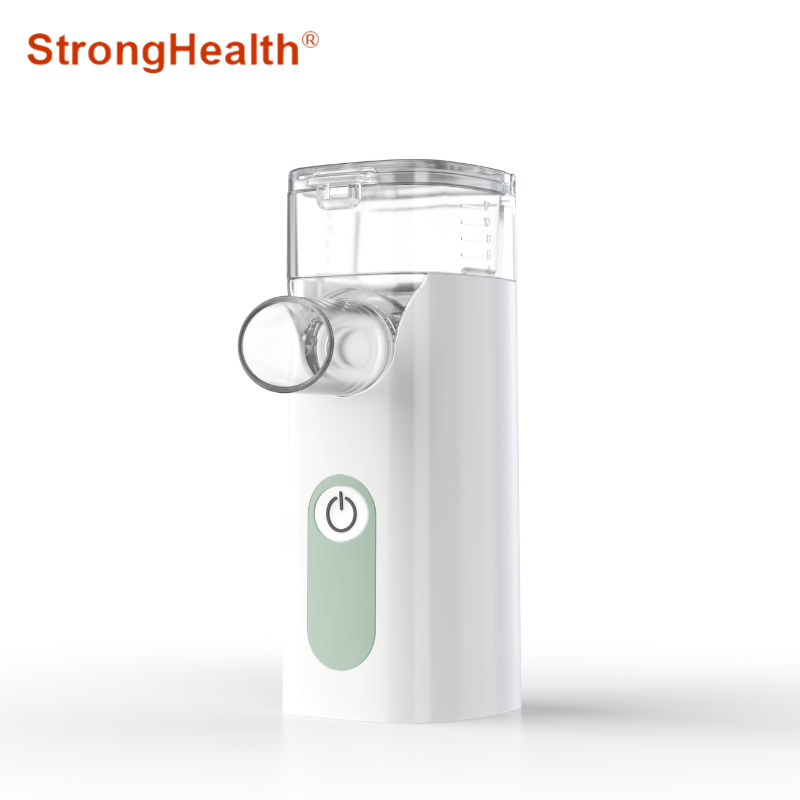
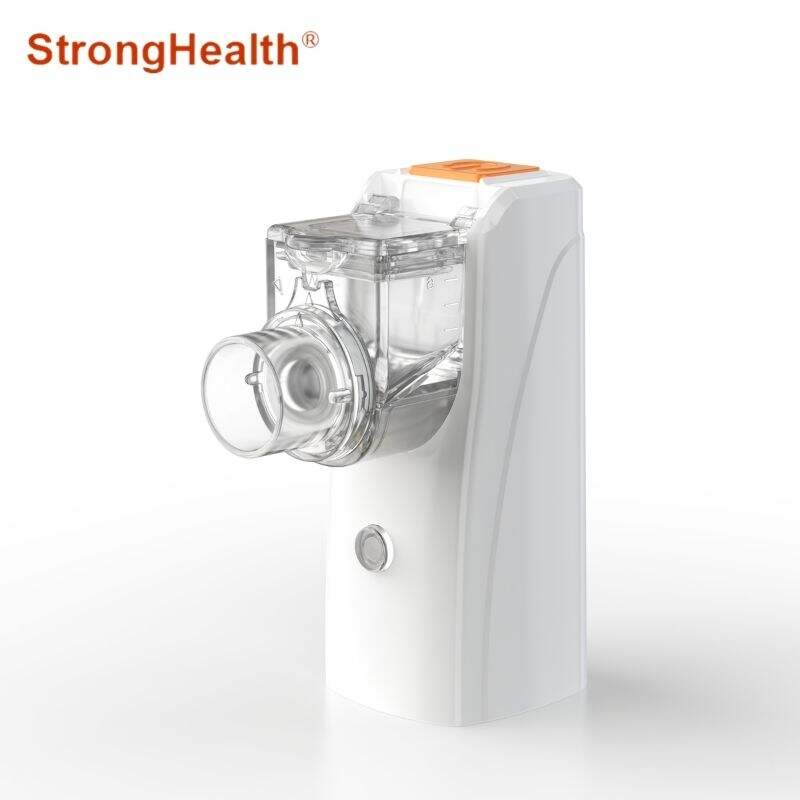
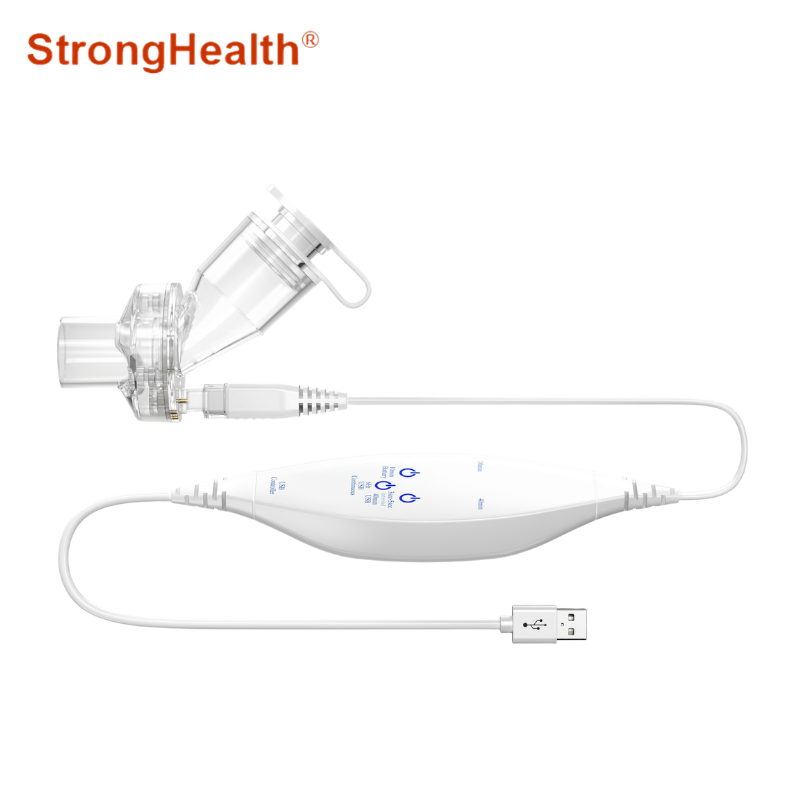
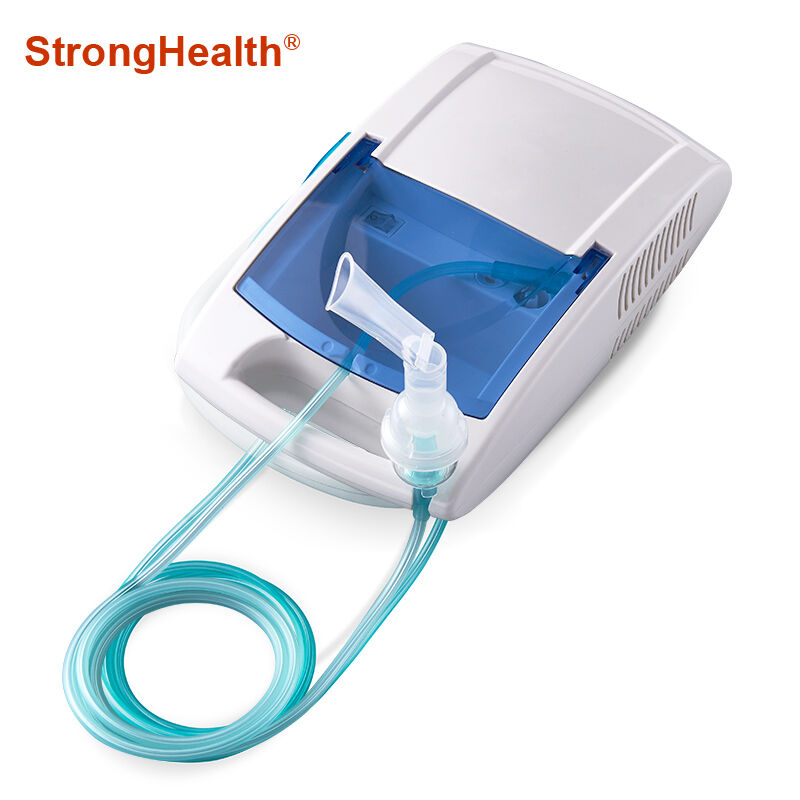
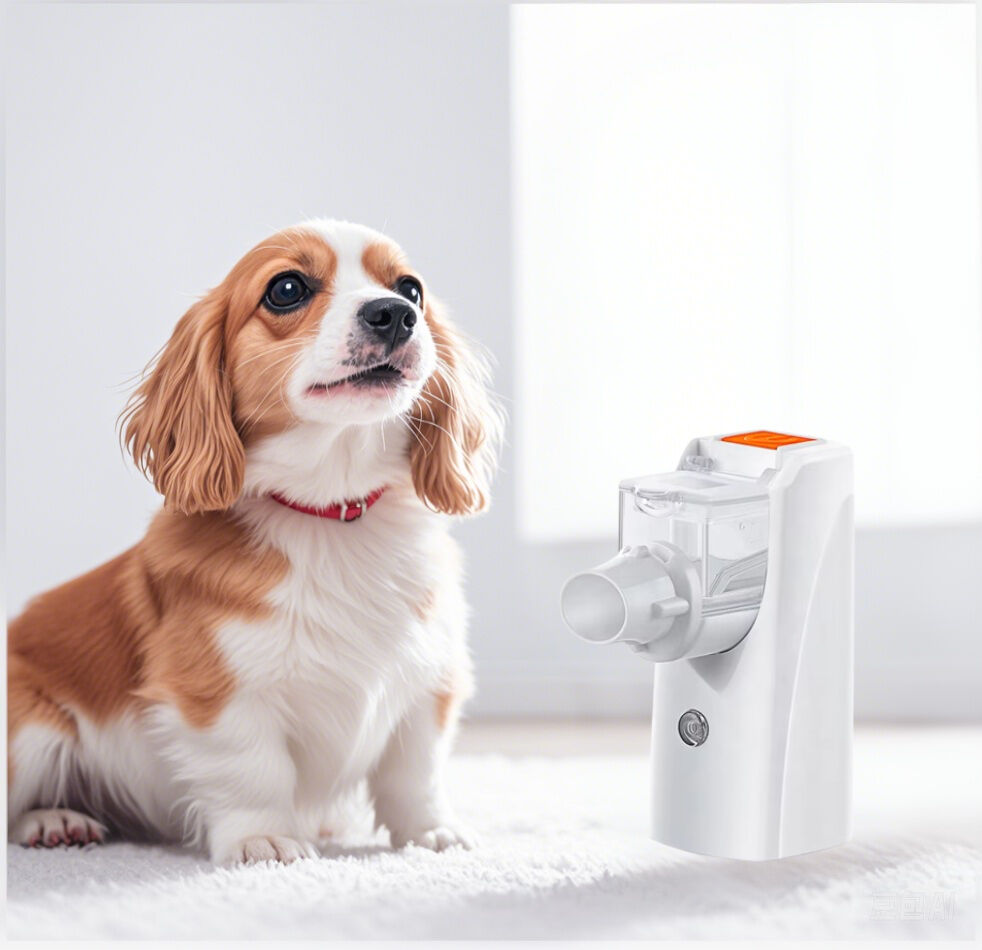
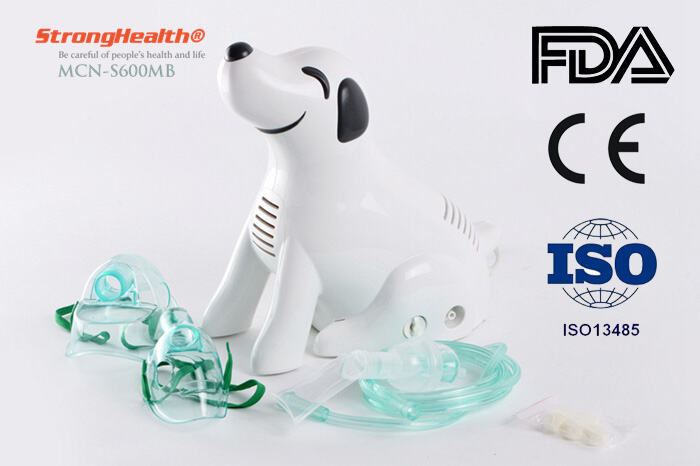
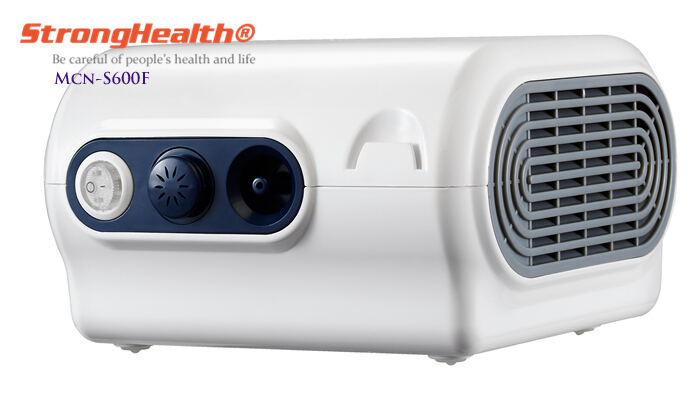
The patient-centered design excellence of nebulizer machine and supplies represents a fundamental commitment to improving treatment experiences while maximizing therapeutic compliance and outcomes across diverse patient populations. This design philosophy prioritizes user comfort, operational simplicity, and accessibility features that accommodate patients with varying physical abilities, age ranges, and cognitive capabilities. The ergonomic considerations integrated into nebulizer machine and supplies include lightweight construction, comfortable grip surfaces, and intuitive control placement that reduces physical strain during treatment sessions. Visual design elements of nebulizer machine and supplies feature clear labeling, color-coded components, and LED status indicators that provide immediate feedback about device operation and treatment progress. The noise reduction technology implemented in modern nebulizer machine and supplies creates whisper-quiet operation that enables discreet treatment in shared spaces, bedrooms, or professional environments without causing disturbance or drawing unwanted attention. Portability features built into compact nebulizer machine and supplies models include carrying cases, battery operation options, and travel-friendly designs that support consistent treatment adherence regardless of location or circumstances. The universal design principles applied to nebulizer machine and supplies ensure accessibility for patients with disabilities, including large button controls, audio feedback systems, and one-handed operation capabilities that promote independence in treatment management. Pediatric considerations in nebulizer machine and supplies design encompass child-friendly aesthetics, safety features that prevent accidental operation, and specialized masks and accessories sized appropriately for young patients. Safety mechanisms integrated into nebulizer machine and supplies include automatic shut-off features, overpressure protection, and temperature monitoring that protect patients from potential device malfunctions or operator errors. The maintenance simplicity of nebulizer machine and supplies supports patient compliance through easy cleaning procedures, clear maintenance schedules, and visual wear indicators that signal when component replacement becomes necessary. Cultural sensitivity aspects of nebulizer machine and supplies design include multilingual instruction materials, diverse representation in user documentation, and accommodation for various cultural preferences in medical device interaction. The durability testing protocols for nebulizer machine and supplies simulate real-world usage patterns, environmental conditions, and stress factors to ensure reliable performance throughout the expected device lifespan while maintaining consistent therapeutic delivery standards.

 EN
EN