nebulizer solution for infants
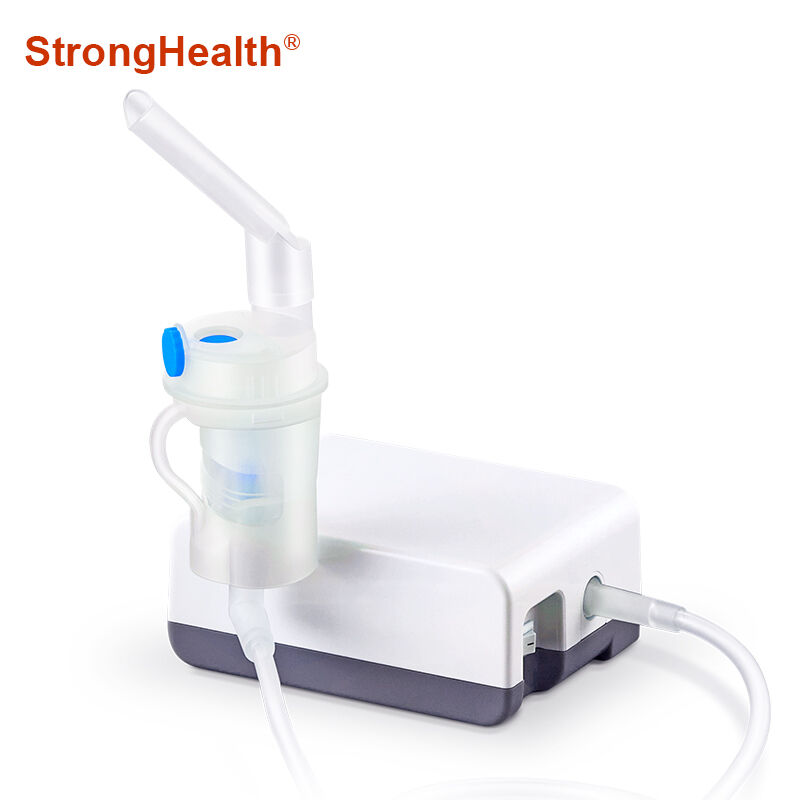
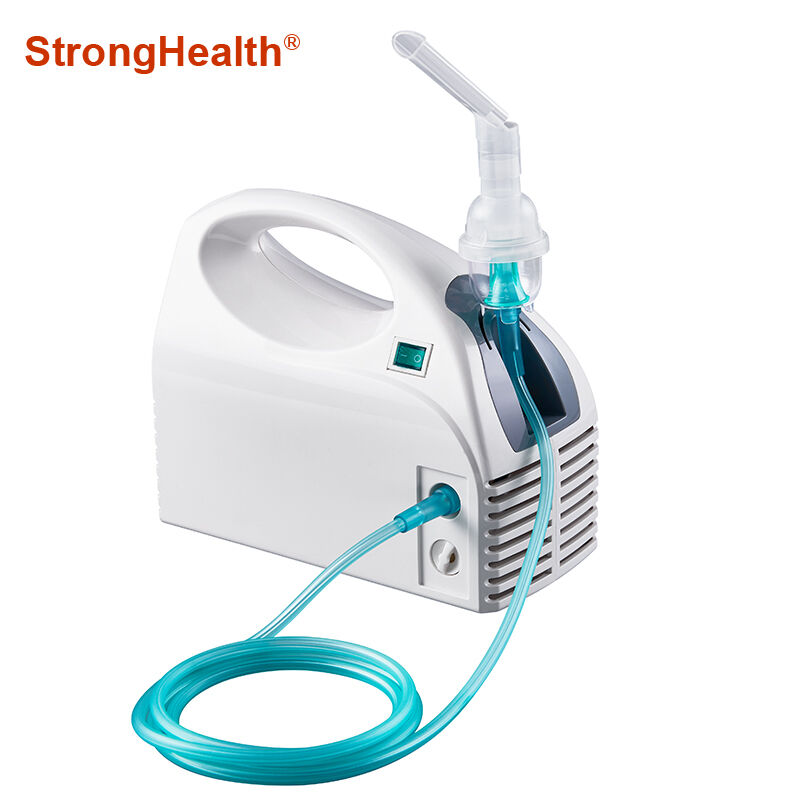
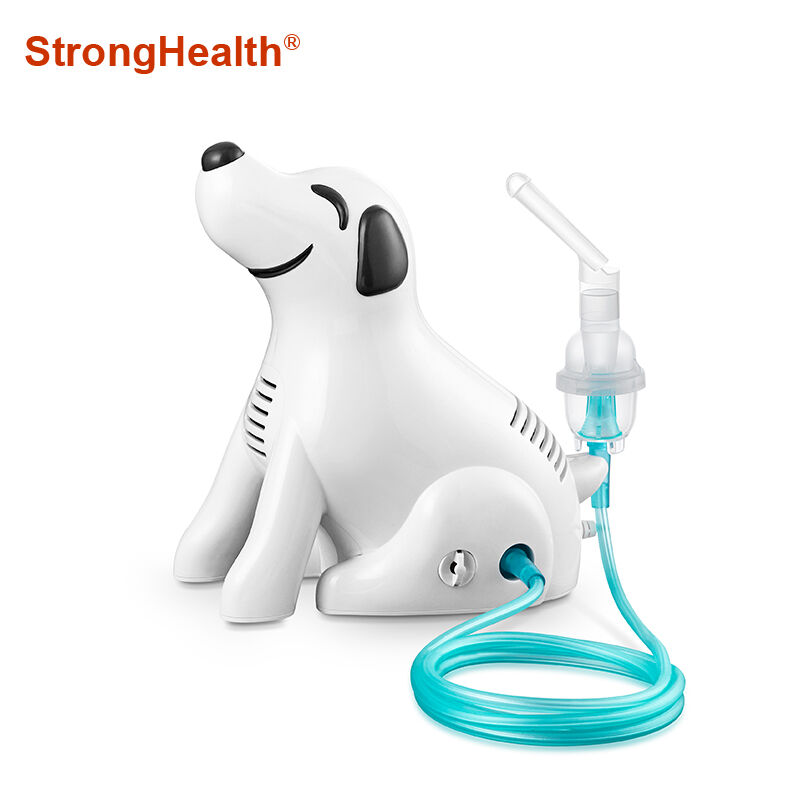
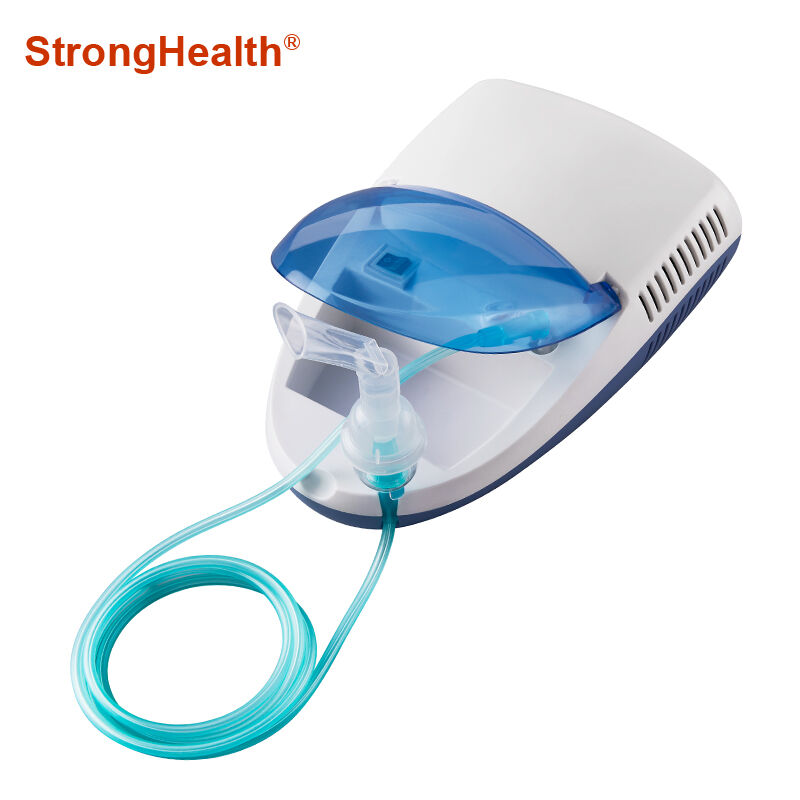
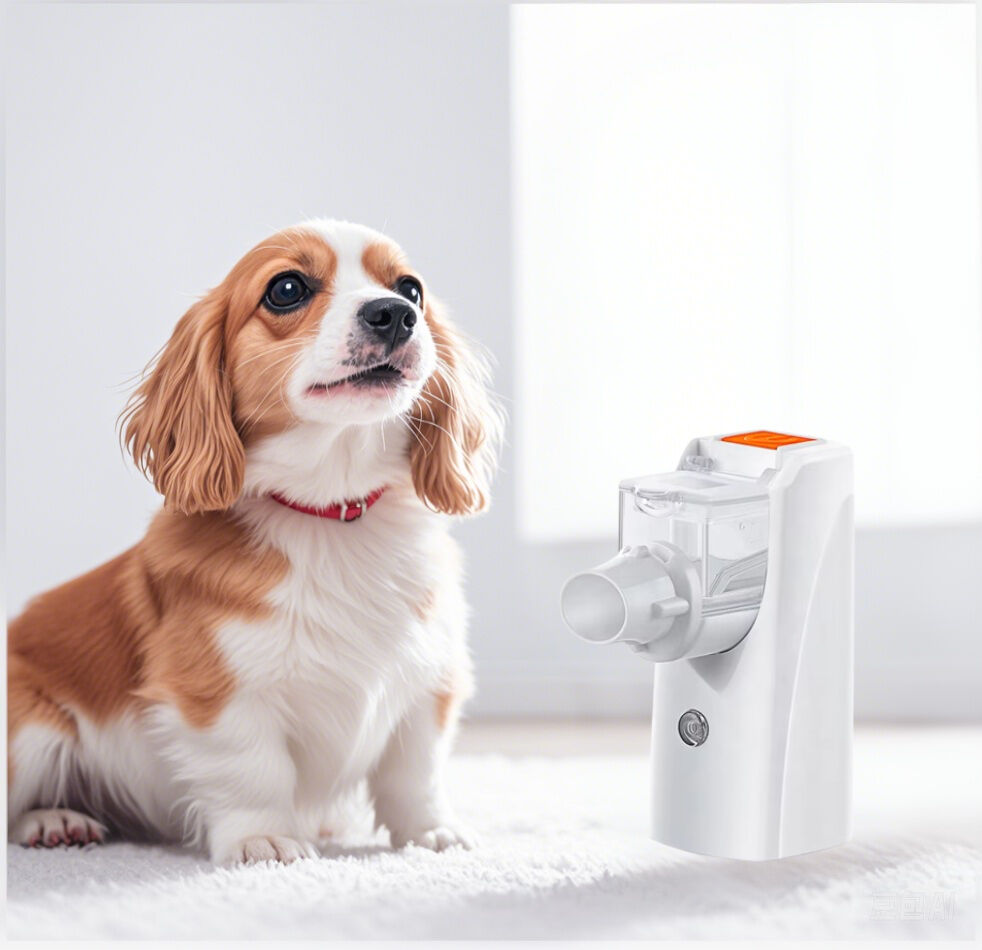
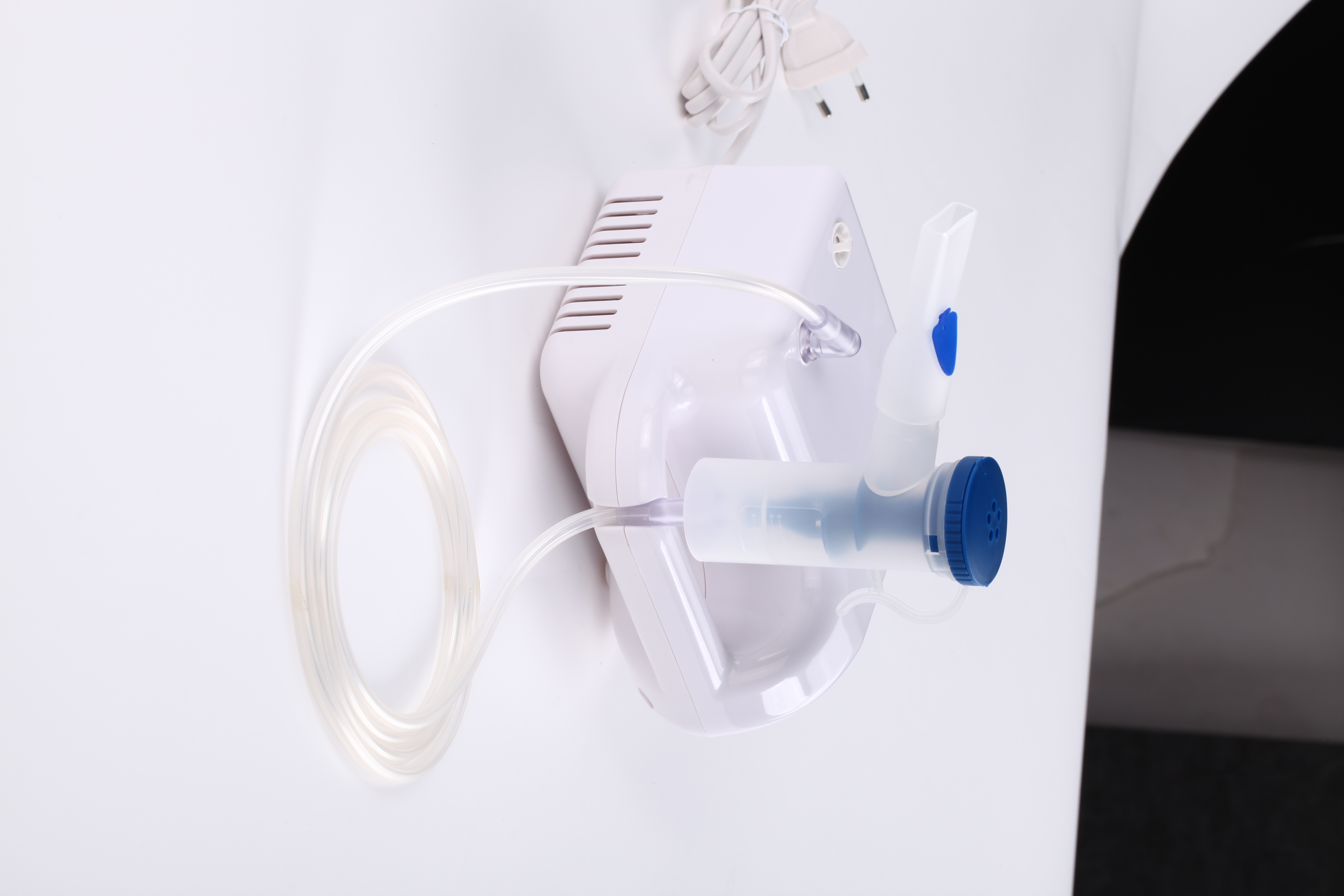
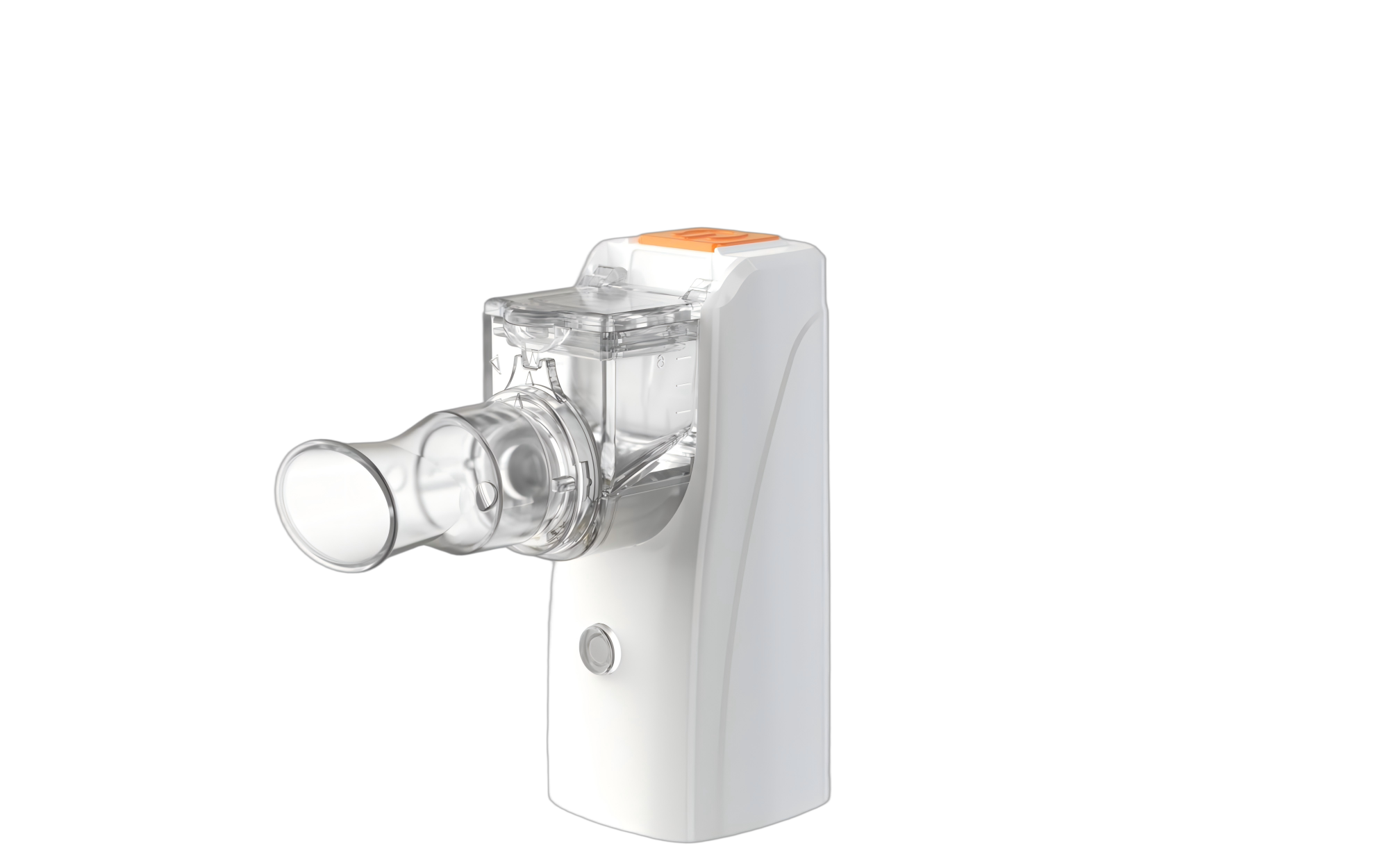
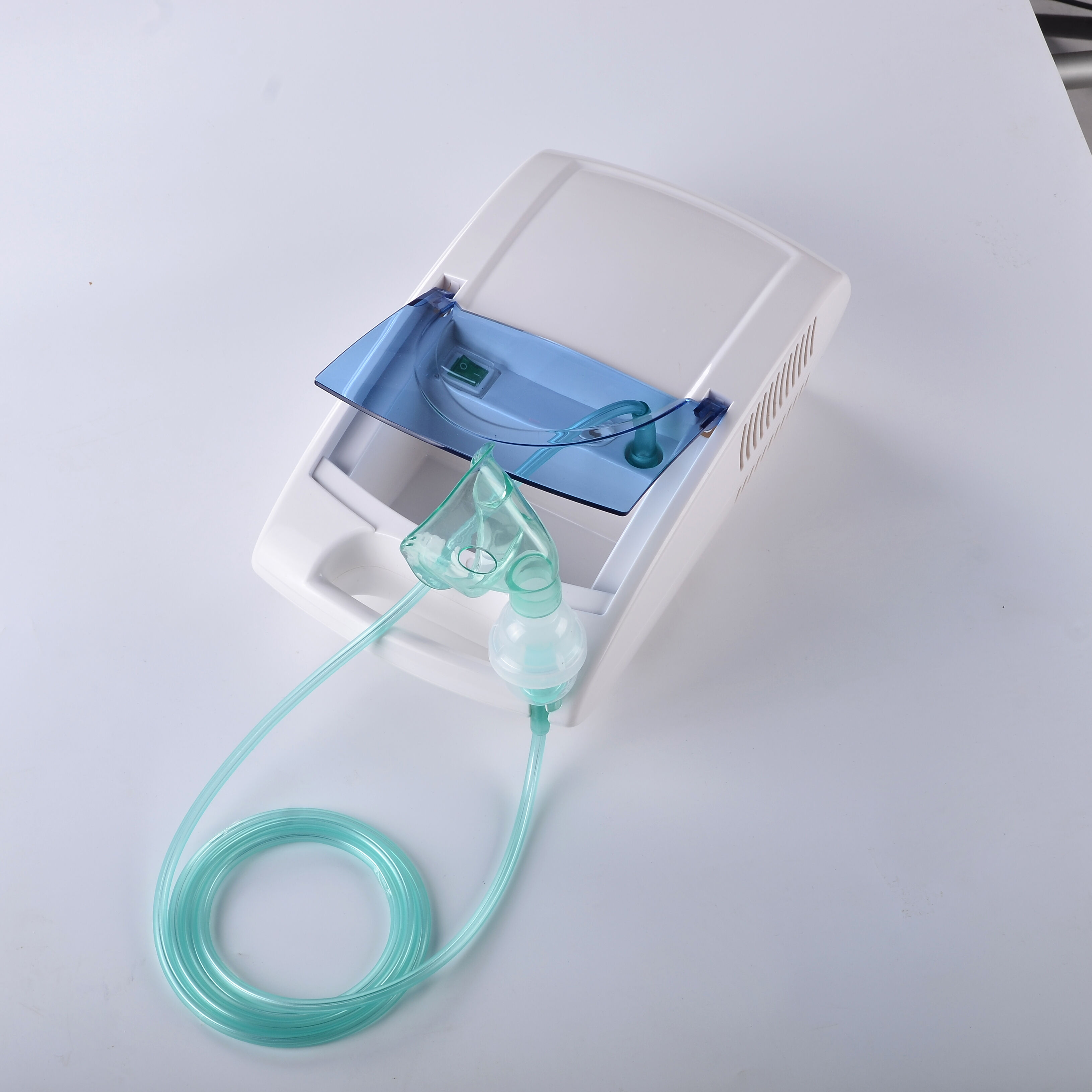
The nebulizer solution for infants represents a revolutionary advancement in pediatric respiratory care, specifically engineered to address the unique breathing challenges faced by newborns and young children. This sophisticated medical device transforms liquid medications into fine mist particles that can be easily inhaled, ensuring optimal drug delivery directly to the infant's respiratory system. The nebulizer solution for infants operates through advanced ultrasonic or compressor-driven technology, creating particles sized between 1-5 micrometers for maximum therapeutic effectiveness. The primary functions of this specialized equipment include delivering bronchodilators, corticosteroids, and other essential respiratory medications with precision and safety. Unlike traditional inhalers that require coordination and specific breathing techniques, the nebulizer solution for infants works passively, making it ideal for treating conditions such as asthma, bronchiolitis, cystic fibrosis, and various respiratory infections in pediatric patients. The technological features incorporate whisper-quiet operation to prevent startling sensitive infants, along with rapid nebulization rates that complete treatments in 5-10 minutes. Many models feature colorful, child-friendly designs with animal shapes or cartoon characters to reduce anxiety during treatment sessions. The nebulizer solution for infants includes specialized masks and accessories sized appropriately for tiny faces, ensuring proper fit and minimal medication waste. Advanced models incorporate smart technology with automatic shut-off features, medication reminder systems, and progress tracking capabilities. The applications extend beyond emergency respiratory distress to include preventive care, maintenance therapy for chronic conditions, and post-surgical respiratory support. Healthcare professionals consistently recommend the nebulizer solution for infants due to its proven efficacy in delivering consistent medication doses, reducing hospitalization rates, and improving overall respiratory outcomes in pediatric populations.


 EN
EN