
 EN
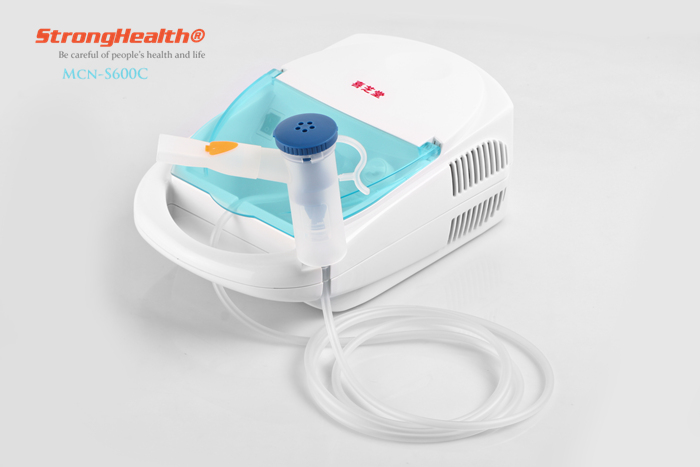
A universal nebulizer kit offers flexibility and cost efficiency when managing respiratory therapy across multiple devices. Whether you operate a clinical facility, home healthcare service, or manage personal medical equipment, selecting the right nebulizer kit requires understanding compatibility standards, material quality, and practical performance factors. This guide walks you through the essential considerations for choosing a nebulizer kit that meets your specific operational needs.
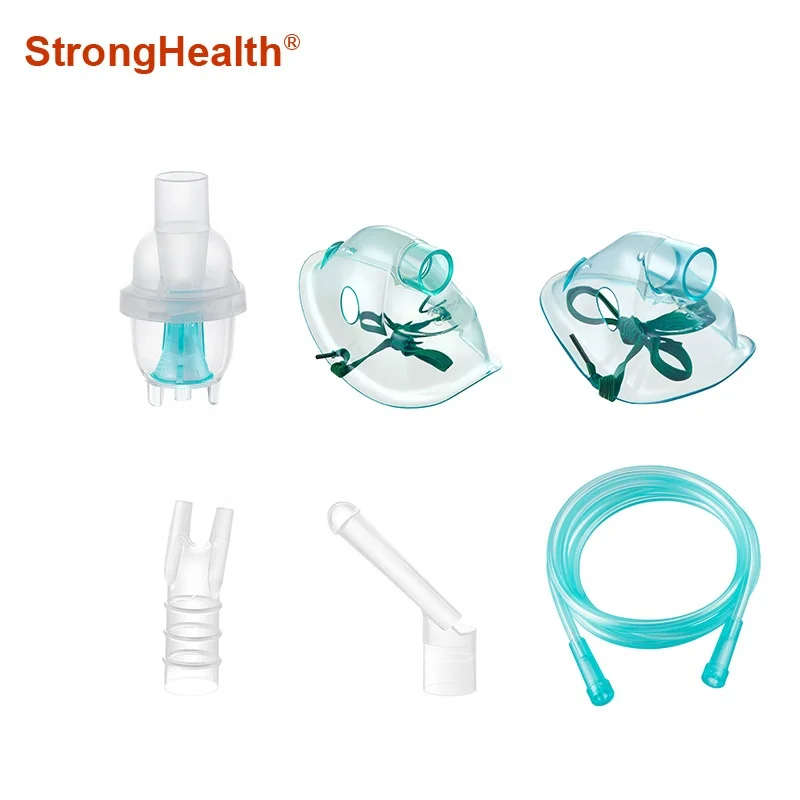
The market offers numerous nebulizer kit options, each with distinct design features and compatibility ranges. Understanding these differences helps you make an informed purchasing decision that aligns with your budget, equipment inventory, and patient care requirements. A proper nebulizer kit selection process involves evaluating device compatibility, material durability, regulatory compliance, and long-term operational cost implications.
Understanding Universal Nebulizer Kit Compatibility Standards
Device Interface Requirements for Your Nebulizer Kit
Universal compatibility is the primary advantage of a modern nebulizer kit designed for multiple device connections. Most contemporary nebulizer kit systems use standardized luer-lock connections that accommodate various compressor models from different manufacturers. However, not all nebulizer kit products offer true universal compatibility, so verifying specific device support is essential before purchase. A quality nebulizer kit documentation should clearly list all compatible compressor models and brands to ensure seamless integration with your existing equipment.
When evaluating a nebulizer kit for compatibility, examine both the delivery mechanism and the medication reservoir interface. The nebulizer kit components must match your compressor's output specifications, including air pressure ratings measured in pounds per square inch (PSI). An undersized or incompatible nebulizer kit may produce inadequate particle size distribution, reducing therapeutic effectiveness and increasing treatment duration. Conversely, an oversized nebulizer kit may not fit properly within existing clinical workflows or storage systems.
Adapter Systems and Connection Options in Nebulizer Kit Design
Modern nebulizer kit offerings often include multiple adapter options to maximize device compatibility. A comprehensive nebulizer kit package might contain luer-lock adapters, standard tubing connectors, and industry-specific interface components. These adapters allow your nebulizer kit to work across different compressor generations and manufacturers without requiring separate equipment purchases. Investing in a nebulizer kit with diverse adapter options reduces capital expenditure and simplifies equipment management in multi-location operations.
The nebulizer kit adapter quality directly impacts long-term reliability and operational safety. Premium adapters feature reinforced materials resistant to repeated connection cycles, pharmaceutical exposure, and temperature fluctuations. Budget nebulizer kit options may include basic adapters prone to cracking or loosening, creating sterility concerns and potential medication leakage. Verifying that your nebulizer kit adapters meet medical device safety standards ensures consistent performance and compliance with healthcare facility requirements.
Material Quality and Performance Factors in Nebulizer Kit Selection
Medication Reservoir Material and Chemical Compatibility
The nebulizer kit reservoir material fundamentally affects medication stability and treatment efficacy. Medical-grade polycarbonate and polysulfone materials are industry standards for nebulizer kit containers because they resist pharmaceutical degradation and maintain structural integrity during sterilization cycles. A substandard nebulizer kit using incompatible plastic materials may leach compounds into medications or degrade prematurely, compromising treatment quality and increasing replacement frequency. Always verify that your nebulizer kit reservoir material is rated for all medications your facility routinely administers.
Chemical compatibility testing is particularly important when a nebulizer kit serves multiple patient populations with varying medication requirements. Corticosteroids, antibiotics, and other specialized medications interact differently with nebulizer kit materials. A properly engineered nebulizer kit specifications document explicitly addresses these chemical interaction considerations, providing confidence in medication safety across your patient care protocols. Inadequate material selection in a nebulizer kit can render expensive medications ineffective or create unexpected patient safety issues.
Particle Size Output and Therapeutic Delivery Efficiency
The mass median aerodynamic diameter (MMAD) produced by a nebulizer kit determines whether medication reaches the intended respiratory tract location. A nebulizer kit designed for systemic delivery should produce particles between 1 and 5 microns for optimal lung deposition. Larger particles delivered by an inferior nebulizer kit may deposit in upper airways, reducing therapeutic benefit and increasing systemic absorption. Conversely, ultrafine particles from a sophisticated nebulizer kit penetrate deep into alveolar regions, providing faster action for acute respiratory conditions.
Treatment duration and medication utilization efficiency are directly linked to nebulizer kit performance specifications. A high-efficiency nebulizer kit reduces nebulization time by 30 to 50 percent compared to conventional designs, improving patient compliance and operational throughput. When selecting a nebulizer kit for busy clinical environments, investing in higher-performance models yields significant productivity gains over the equipment lifecycle. Documentation of particle size distribution testing and treatment duration benchmarks should be available from your nebulizer kit manufacturer.
Practical Selection Criteria and Implementation Considerations
Regulatory Compliance and Quality Certifications for Your Nebulizer Kit
A compliant nebulizer kit must meet FDA approval standards and international quality benchmarks such as ISO 13860 or equivalent regional specifications. These certifications confirm that your nebulizer kit has undergone rigorous biocompatibility, sterility, and performance testing before market release. Healthcare facilities operating under strict compliance frameworks must verify that any nebulizer kit selection includes appropriate regulatory documentation and quality certificates. Non-compliant nebulizer kit products may create liability exposure and compromise facility accreditation status.
Quality assurance standards for a nebulizer kit extend beyond initial certification to include traceability, post-market surveillance, and adverse event reporting procedures. Reputable nebulizer kit manufacturers maintain comprehensive documentation systems allowing facility staff to verify lot numbers and track equipment history. This level of transparency in nebulizer kit quality management prevents cross-contamination risks and enables rapid response if safety issues emerge. When comparing nebulizer kit options, prioritize suppliers demonstrating commitment to ongoing quality monitoring and regulatory engagement.
Cost Considerations and Total Cost of Ownership Analysis
Initial purchase price represents only one component of nebulizer kit economic analysis. A lower-cost nebulizer kit may require frequent replacement, demand higher maintenance labor, or reduce treatment efficiency, ultimately increasing per-patient costs. Total cost of ownership calculations for a nebulizer kit should include replacement frequency, sterilization or disposal costs, and productivity impacts from longer treatment times. A premium nebulizer kit offering superior durability and performance often delivers superior economic value despite higher upfront investment.
Bulk purchasing and standardization strategies significantly impact nebulizer kit cost efficiency. Standardizing on a single universal nebulizer kit model across multiple care locations reduces inventory complexity, improves staff training efficiency, and enables volume purchasing discounts. A well-designed nebulizer kit procurement strategy treats equipment selection as an operational investment rather than a simple commodity purchase. Facilities that implement this comprehensive approach typically achieve 20 to 30 percent cost savings within the first two years of standardized nebulizer kit deployment.
FAQ
What makes a nebulizer kit truly universal?
A truly universal nebulizer kit features standardized luer-lock connections compatible with multiple compressor models from different manufacturers. The nebulizer kit should include multiple adapter options and be tested for compatibility with common device interfaces. Documentation should clearly specify all supported compressor models and specifications. Universal nebulizer kit design minimizes the need for multiple specialized components across your equipment inventory.
How often should a nebulizer kit be replaced or sterilized?
Replacement frequency for a nebulizer kit depends on material quality, usage intensity, and sterilization methods employed. Most healthcare facilities sterilize reusable nebulizer kit components between patients using autoclave or chemical sterilization approved by the manufacturer. A durable nebulizer kit typically withstands 50 to 100 sterilization cycles before material degradation becomes evident. Single-use nebulizer kit options eliminate sterilization labor but increase per-patient costs compared to reusable alternatives.
Can I use a nebulizer kit with different medication types?
Material compatibility is the key consideration when using a nebulizer kit with diverse medications. Premium nebulizer kit reservoirs constructed from medical-grade polycarbonate or polysulfone resist degradation from most standard pharmaceutical compounds. However, certain medications like hypertonic saline or specialized compounded drugs may require a specific nebulizer kit designation. Always consult your nebulizer kit manufacturer specifications and pharmacy guidance before using unfamiliar medication combinations to prevent chemical interactions or performance degradation.