
 EN
EN
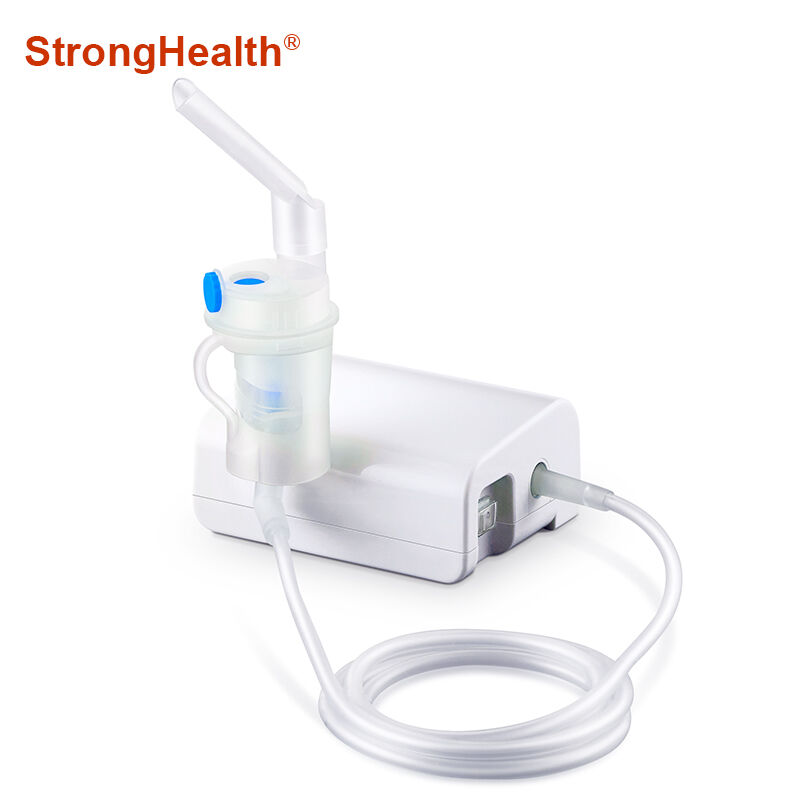
Respiratory health challenges affect millions of families worldwide, making the selection of appropriate medical devices a critical decision for household wellness management. A home nebulizer serves as an essential therapeutic tool that converts liquid medication into fine aerosol mist, enabling effective treatment for asthma, chronic obstructive pulmonary disease, bronchitis, and other respiratory conditions directly within the comfort of your home environment. Unlike oral medications or inhalers that require specific coordination and technique, nebulizers deliver medication through simple breathing, making them particularly suitable for young children, elderly family members, and individuals with severe respiratory distress. Understanding the factors that determine the right home nebulizer for your family requires careful consideration of medical needs, device specifications, operational convenience, and long-term maintenance requirements to ensure you invest in equipment that genuinely supports your family's respiratory health journey.
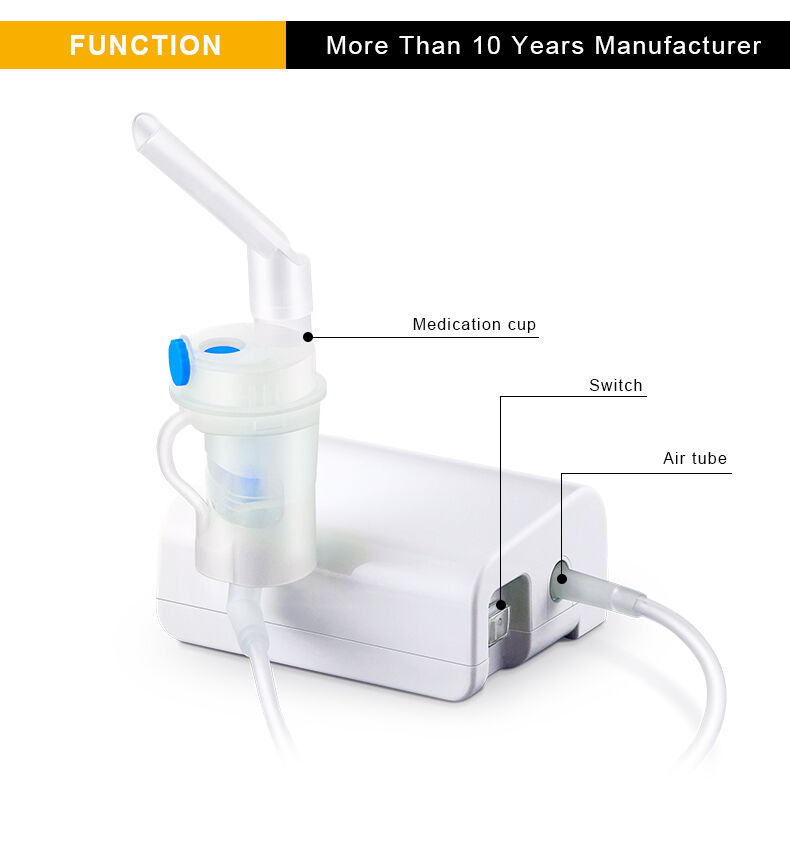
The process of choosing the appropriate respiratory treatment equipment for household use extends beyond simply purchasing any available device, as the effectiveness of nebulization therapy depends substantially on matching device capabilities with specific medical requirements, user age profiles, frequency of use patterns, and practical household logistics. Modern home nebulizer technology has evolved significantly from the bulky, noisy machines of previous decades, now offering compact designs, quiet operation, efficient medication delivery, and user-friendly features that accommodate diverse family needs. This comprehensive guide examines the essential criteria that should inform your selection process, including nebulizer type comparison, particle size considerations, treatment duration expectations, portability requirements, cleaning protocols, noise level preferences, and compatibility with various medications, ensuring that your investment delivers reliable therapeutic outcomes while fitting seamlessly into your family's daily routine and lifestyle patterns.
Understanding Home Nebulizer Types and Their Suitability for Family Use
Jet Nebulizers and Their Operational Characteristics
Jet nebulizers, also known as compressor nebulizers, represent the most commonly used type of home nebulizer technology and operate through compressed air mechanisms that break liquid medication into respirable aerosol particles. These devices utilize an air compressor to force pressurized air through a liquid medication chamber, creating turbulence that transforms the medication into a fine mist suitable for inhalation therapy. The fundamental advantage of jet nebulizers lies in their broad medication compatibility, as they can effectively nebulize virtually all respiratory medications including bronchodilators, corticosteroids, antibiotics, and mucolytics without chemical interaction concerns. For families dealing with multiple respiratory conditions or requiring various medication types, jet nebulizers provide the versatility needed to accommodate diverse treatment protocols without purchasing multiple specialized devices.
The operational reliability of jet nebulizers makes them particularly suitable for families requiring frequent daily treatments, as these devices demonstrate consistent performance across extended usage periods with minimal degradation in aerosol quality. Traditional jet nebulizers typically produce treatment sessions lasting between eight to fifteen minutes depending on medication volume and device efficiency, which represents a reasonable timeframe for most family members including cooperative children and adults. However, consideration must be given to the noise level produced by compressor operation, as some jet nebulizers generate sound levels that may disturb sleeping household members or create anxiety in young children sensitive to mechanical sounds. Modern jet nebulizer designs have addressed noise concerns through improved compressor technology and sound-dampening enclosures, making newer models significantly quieter than their predecessors while maintaining effective medication delivery performance.
Ultrasonic and Mesh Nebulizers for Advanced Home Treatment
Ultrasonic nebulizers employ high-frequency vibration technology to create aerosol mist from liquid medication, utilizing piezoelectric crystals that vibrate at ultrasonic frequencies to generate the fine particles required for deep lung penetration. These devices operate more quietly than traditional jet nebulizers and typically deliver faster treatment times, completing medication administration in approximately five to ten minutes depending on dosage volume. The reduced noise profile makes ultrasonic nebulizers particularly appealing for families with infants, young children who may be frightened by loud mechanical sounds, or households where treatments need to occur during early morning or late evening hours without disturbing other family members. However, families must recognize that ultrasonic nebulizers may not be compatible with all medication types, as the heat generated during ultrasonic vibration can potentially degrade certain suspensions and proteins, limiting their suitability for some advanced respiratory therapies.
Mesh nebulizers represent the most advanced home nebulizer technology currently available, utilizing a vibrating mesh or membrane with thousands of precisely engineered apertures to create aerosol particles of highly consistent size distribution. These devices combine the advantages of both jet and ultrasonic technologies, offering silent operation, rapid treatment delivery, excellent medication compatibility, and superior portability due to compact battery-powered designs. A Home Nebulizer utilizing mesh technology can complete treatment sessions in as little as three to eight minutes while producing minimal residual medication waste, maximizing therapeutic efficiency and medication utilization. The portability of mesh nebulizers makes them ideal for active families who travel frequently or require treatment flexibility outside the home environment, though the higher initial investment cost represents a consideration that families must weigh against the convenience and performance benefits these advanced devices provide.
Critical Performance Specifications That Impact Treatment Effectiveness
Particle Size Distribution and Lung Deposition Patterns
The therapeutic effectiveness of any home nebulizer depends fundamentally on its ability to generate aerosol particles within the optimal size range for targeted lung deposition, as particle diameter directly determines where medication settles within the respiratory tract anatomy. Medical research establishes that particles measuring between one and five micrometers in mass median aerodynamic diameter achieve optimal penetration into the lower airways and alveolar regions where therapeutic action is most needed for conditions like asthma and chronic obstructive pulmonary disease. Particles larger than five micrometers tend to impact and deposit in the upper airways including the throat and mouth, reducing therapeutic efficiency and potentially causing localized side effects, while particles smaller than one micrometer may be exhaled before deposition occurs, resulting in medication waste and reduced treatment efficacy.
When selecting a home nebulizer for family use, examining manufacturer specifications regarding respirable particle fraction and mass median aerodynamic diameter provides essential insight into device performance capabilities. Quality home nebulizer devices specify that sixty to eighty percent of generated particles fall within the therapeutic one to five micrometer range, ensuring that the majority of nebulized medication reaches the intended treatment sites within the lungs. Families should prioritize devices with documented particle size characterization data rather than relying solely on general performance claims, as verified particle size distribution directly correlates with clinical treatment outcomes. Understanding that different family members may have varying lung capacities and breathing patterns helps inform the importance of consistent particle size generation, as devices producing highly uniform particle distributions deliver more predictable therapeutic results across users of different ages and respiratory conditions.
Nebulization Rate and Treatment Duration Considerations
The nebulization rate, typically measured in milliliters per minute, determines how quickly a home nebulizer can convert liquid medication into inhalable aerosol and consequently affects total treatment duration required to administer prescribed medication dosages. Higher nebulization rates generally correlate with shorter treatment sessions, which represents a significant practical advantage for families treating young children with limited attention spans or busy households where treatment time efficiency impacts daily schedule management. Most quality home nebulizers demonstrate nebulization rates ranging from zero point two to zero point five milliliters per minute, translating to treatment durations between five and fifteen minutes for standard two to five milliliter medication volumes commonly prescribed for respiratory conditions.
However, families must understand that faster nebulization does not automatically indicate superior therapeutic outcomes, as excessively rapid aerosol generation may overwhelm natural breathing patterns and result in medication waste through exhalation before complete inhalation occurs. The optimal home nebulizer balances efficient nebulization rate with comfortable breathing synchronization, allowing users to inhale generated aerosol at a natural respiratory rhythm that maximizes lung deposition while minimizing treatment burden. For families with multiple members requiring nebulization therapy, devices offering adjustable nebulization rates provide flexibility to customize treatment delivery according to individual breathing capabilities and medication types. Additionally, considering residual medication volume remaining in the nebulizer cup after treatment completion helps assess true device efficiency, as excessive residual volumes indicate poor medication utilization and may require larger initial dosages to achieve prescribed therapeutic levels.
Practical Usability Features That Enhance Family Treatment Experience
Noise Level Management and Household Comfort
Operational noise levels significantly impact the practical usability of a home nebulizer within family environments, particularly when treatments occur during sensitive times such as early morning routines, late evening before bedtime, or during infant nap schedules when household quietness is essential. Traditional compressor-based home nebulizer models often generate noise levels ranging from fifty to sixty-five decibels, comparable to normal conversation volume or background television sound, which may prove acceptable in some household contexts but potentially disruptive in quiet environments or for sound-sensitive family members. Psychological research indicates that children, especially those under five years of age, may develop treatment anxiety or resistance when exposed to loud mechanical sounds during medical procedures, potentially compromising treatment adherence and creating unnecessary stress during therapeutic sessions.
Modern home nebulizer designs increasingly prioritize noise reduction through advanced compressor engineering, vibration isolation mounting systems, and acoustic dampening enclosures that significantly reduce operational sound emissions without compromising nebulization performance. Families should specifically inquire about decibel ratings when evaluating devices, with ultra-quiet models now available that operate below forty-five decibels, quieter than typical household refrigerator operation and barely noticeable during normal daily activities. The investment in quieter home nebulizer technology pays dividends in improved treatment compliance, particularly for families requiring multiple daily treatments or dealing with anxious young children who may associate medical procedures with discomfort. Additionally, reduced noise levels enable treatments to occur in shared family spaces without isolating the patient or disrupting other household members' activities, maintaining normal family interaction patterns despite ongoing therapeutic requirements.
Portability and Power Supply Flexibility
The portability characteristics of a home nebulizer substantially affect treatment flexibility and family lifestyle accommodation, particularly for households with active schedules involving travel, outdoor activities, or multiple residence locations where medical equipment must be transported regularly. Traditional compressor-based home nebulizer units tend to be relatively bulky and heavy, typically weighing between two to five kilograms and requiring stable surface placement during operation, which limits their portability but ensures stable operation and durability for stationary home use. For families whose respiratory treatment needs remain primarily home-based with occasional travel requirements, larger stationary units may provide adequate functionality while offering robust construction and straightforward operational simplicity.
Conversely, families with frequent travel obligations, children participating in extended school activities or camps, or members requiring workplace treatment access benefit substantially from compact portable home nebulizer designs that accommodate mobile lifestyles without compromising therapeutic effectiveness. Modern portable home nebulizers utilizing mesh technology now weigh as little as one hundred to three hundred grams and operate on rechargeable battery power, enabling treatment administration in vehicles, hotel rooms, outdoor settings, or any location without electrical outlet access. Battery capacity specifications warrant careful evaluation, with quality portable devices offering sufficient charge duration for ten to thirty treatment sessions before recharging becomes necessary, ensuring uninterrupted therapy access during extended trips. Dual power capability supporting both AC electrical operation and rechargeable battery use provides optimal flexibility, allowing the same home nebulizer to function as both a reliable home-based primary device and a portable backup for travel scenarios, maximizing investment value while ensuring treatment continuity regardless of location or circumstances.
Maintenance Requirements and Long-Term Operational Sustainability
Cleaning Protocols and Hygiene Management
Proper maintenance and hygiene protocols represent critical factors determining both the therapeutic safety and operational longevity of any home nebulizer, as inadequate cleaning practices can lead to bacterial contamination, medication residue buildup, and compromised aerosol delivery performance over time. Respiratory therapy devices that come into contact with mucous membranes and deliver medication directly into the lungs require stringent disinfection standards to prevent infection risk, particularly for family members with compromised immune systems or chronic respiratory conditions that increase susceptibility to opportunistic pathogens. Standard home nebulizer maintenance protocols recommend thorough cleaning of medication cups, masks, and mouthpieces after each treatment session using warm water and mild detergent, followed by air drying to prevent moisture accumulation that could promote microbial growth.
Families should prioritize home nebulizer models designed with disassembly-friendly components that facilitate thorough cleaning without requiring excessive time or specialized tools, as complicated maintenance procedures reduce compliance and increase contamination risk through inadequate or infrequent cleaning. Dishwasher-safe components represent a valuable convenience feature that simplifies sanitization processes while ensuring consistent high-temperature disinfection that eliminates most common respiratory pathogens. Additionally, understanding replacement intervals for consumable components such as filters, tubing, medication cups, and masks helps families budget for ongoing operational costs and maintain optimal device performance throughout the equipment's service life. Quality home nebulizer manufacturers provide clear maintenance guidance, readily available replacement parts, and customer support resources that empower families to maintain their devices properly, extending equipment lifespan while ensuring consistent therapeutic safety and effectiveness across years of regular use.
Component Replacement Availability and Cost Considerations
The long-term affordability and practical sustainability of home nebulizer ownership depends substantially on the availability and cost structure of replacement components required throughout the device's operational lifespan. Even the most durable home nebulizer requires periodic replacement of consumable parts including air filters that prevent particulate contamination of internal mechanisms, tubing that may degrade or become discolored with extended use, medication cups that develop microfractures or residue buildup affecting aerosol generation, and interface accessories like masks and mouthpieces that experience wear from repeated cleaning and patient contact. Families investing in home nebulizer equipment should investigate replacement part availability through local medical supply channels, online retailers, or directly from manufacturers before purchase commitment, ensuring that necessary components remain accessible without extended waiting periods that could interrupt treatment continuity.
Cost analysis of replacement components reveals significant variation across different home nebulizer brands and models, with some manufacturers offering affordable universal replacement parts while others utilize proprietary designs that limit sourcing options and potentially increase long-term ownership expenses. Calculating total cost of ownership requires considering both initial device purchase price and projected replacement part expenses over typical equipment lifespan of three to five years, providing realistic budget expectations that account for all necessary expenditures. Families treating multiple household members or requiring frequent daily treatments should particularly scrutinize replacement part costs, as higher usage intensity accelerates component wear and increases replacement frequency. Additionally, evaluating manufacturer warranty coverage, customer service responsiveness, and technical support accessibility provides insight into post-purchase support quality that affects both device longevity and user satisfaction throughout the ownership experience.
Medication Compatibility and Prescription Integration
Understanding Medication Formulation Requirements
Medication compatibility represents a fundamental consideration when selecting a home nebulizer, as not all nebulizer technologies effectively deliver every type of respiratory medication formulation without chemical degradation or altered therapeutic properties. Standard bronchodilators and corticosteroid solutions formulated specifically for nebulization generally work effectively across all home nebulizer types including jet, ultrasonic, and mesh devices, providing families treating common asthma or chronic obstructive pulmonary disease with broad device options. However, more complex medication formulations including suspensions, lipid-based preparations, and biologic agents may require specific nebulizer technologies that maintain medication stability and deliver consistent particle characteristics necessary for optimal therapeutic outcomes.
Families receiving specialized respiratory medications should consult with prescribing physicians or respiratory therapists regarding nebulizer compatibility before device selection, ensuring that chosen equipment appropriately handles prescribed medication types without compromising therapeutic efficacy. Some medications demonstrate reduced effectiveness when nebulized using ultrasonic technology due to heat generation during the vibration process, while others may be incompatible with certain mesh nebulizer materials that could interact with medication chemistry. Documentation provided with prescription medications often includes nebulizer compatibility information that guides appropriate device selection, and pharmaceutical manufacturers increasingly offer compatibility databases accessible to patients and healthcare providers. Investing in a home nebulizer without confirming medication compatibility risks acquiring equipment that cannot properly deliver prescribed therapies, necessitating additional device purchases and creating unnecessary financial burden alongside potential treatment interruption.
Prescription Guidance and Healthcare Provider Collaboration
The selection of an appropriate home nebulizer benefits substantially from collaborative consultation with healthcare providers including pulmonologists, primary care physicians, respiratory therapists, and pharmacists who understand both the medical requirements of specific respiratory conditions and the technical capabilities of available nebulizer technologies. Healthcare professionals can provide personalized recommendations based on diagnosis severity, medication regimens, patient age and capability, treatment frequency requirements, and prognosis expectations that inform optimal device selection aligned with therapeutic goals. Many respiratory therapy programs offer device demonstrations, instructional training, and follow-up support that enhance treatment success through proper technique education and ongoing compliance monitoring.
Insurance coverage considerations also warrant healthcare provider involvement, as many health insurance plans provide partial or complete reimbursement for home nebulizer purchases when prescribed by a licensed physician as medically necessary durable medical equipment. Obtaining a formal prescription not only facilitates insurance claims processing but also ensures documentation supporting the medical necessity of the equipment should any coverage disputes arise. Healthcare providers familiar with insurance reimbursement procedures can often recommend specific home nebulizer models known to meet insurance approval criteria while satisfying clinical treatment requirements. Additionally, establishing a relationship with a durable medical equipment supplier experienced in respiratory therapy products provides access to professional guidance regarding device selection, proper use instruction, maintenance support, and replacement part sourcing that extends beyond initial purchase transaction to support long-term treatment success.
FAQ
What is the primary difference between jet and mesh home nebulizers for family use?
Jet home nebulizers use compressed air to create aerosol mist and are generally more affordable, compatible with virtually all medications, and highly reliable for frequent daily use, though they tend to be louder and require longer treatment times averaging eight to fifteen minutes. Mesh home nebulizers employ vibrating mesh technology that operates silently, delivers faster treatments in three to eight minutes, offers excellent portability with battery operation, and produces highly efficient particle size distribution, though they cost more initially and require careful maintenance of the delicate mesh component. For families prioritizing quiet operation, rapid treatments, and travel flexibility, mesh nebulizers provide superior convenience despite higher investment, while families focused on budget considerations and treating straightforward respiratory conditions find jet nebulizers deliver excellent therapeutic value with proven reliability.
How often should home nebulizer components be replaced to maintain safety and effectiveness?
Medication cups and patient interfaces including masks and mouthpieces should typically be replaced every three to six months with regular daily use to prevent material degradation and ensure proper seal integrity that maximizes medication delivery. Air filters in compressor-based home nebulizers require replacement approximately every six months or according to manufacturer specifications, as clogged filters reduce airflow efficiency and potentially contaminate aerosol output with environmental particulates. Connecting tubing generally lasts six to twelve months before discoloration, flexibility loss, or internal residue buildup necessitates replacement. The vibrating mesh component in mesh nebulizers represents the most critical and expensive replacement part, typically lasting one to three years depending on usage intensity and maintenance quality. Following manufacturer-specific replacement schedules documented in device manuals ensures optimal performance and safety throughout the home nebulizer's operational lifespan.
Can multiple family members safely share the same home nebulizer device?
Multiple family members can safely share the same home nebulizer compressor or base unit provided that each individual uses dedicated personal accessories including separate medication cups, masks, or mouthpieces that are not shared between users. This approach prevents cross-contamination of respiratory pathogens while allowing cost-effective equipment sharing within the household. Each family member's personal accessories must be clearly labeled, stored separately after thorough cleaning and drying, and replaced according to standard maintenance schedules. However, families dealing with contagious respiratory infections or members with significantly compromised immune systems may benefit from dedicated individual devices to eliminate any cross-contamination risk. Consulting with healthcare providers regarding appropriate sharing protocols based on specific medical conditions and household circumstances ensures both therapeutic safety and practical equipment utilization efficiency.
What noise level should families consider acceptable for home nebulizer operation?
For families with young children, infants, or members sensitive to mechanical sounds, home nebulizers operating below forty-five decibels are generally considered ideal as they produce minimal audible disturbance comparable to quiet library environments or soft background music. Devices operating between forty-five and fifty-five decibels remain acceptable for most family situations, producing sound levels similar to normal indoor conversation that typically do not disrupt household activities or create treatment anxiety. Home nebulizers generating noise above sixty decibels may prove problematic for sensitive users or quiet household environments, potentially requiring treatment isolation in separate rooms or scheduling during times when noise tolerance is higher. Families should prioritize testing devices before purchase when possible or reviewing verified user feedback regarding noise characteristics, as manufacturer specifications sometimes understate actual operational sound levels experienced during typical use conditions.
Table of Contents
- Understanding Home Nebulizer Types and Their Suitability for Family Use
- Critical Performance Specifications That Impact Treatment Effectiveness
- Practical Usability Features That Enhance Family Treatment Experience
- Maintenance Requirements and Long-Term Operational Sustainability
- Medication Compatibility and Prescription Integration
-
FAQ
- What is the primary difference between jet and mesh home nebulizers for family use?
- How often should home nebulizer components be replaced to maintain safety and effectiveness?
- Can multiple family members safely share the same home nebulizer device?
- What noise level should families consider acceptable for home nebulizer operation?