
 EN
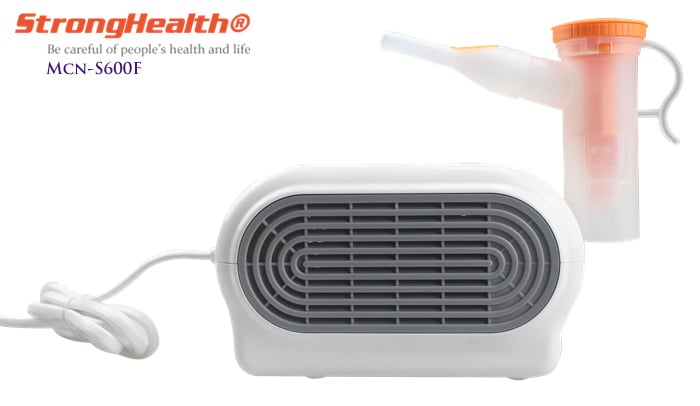
Using an inhaler for asthma correctly is essential for managing your respiratory health and achieving optimal medication delivery to your lungs. Many asthma patients do not realize that improper inhaler technique significantly reduces the effectiveness of their medication, leading to inadequate symptom control and unnecessary complications. Mastering the proper method of using an inhaler for asthma ensures that you receive the full therapeutic benefit of your prescribed medication, whether you use a rescue inhaler during acute episodes or a maintenance inhaler for daily prevention.

An inhaler for asthma works by delivering medication directly to the airways where it is needed most. This targeted delivery mechanism makes inhalers more efficient than oral medications for acute relief and ongoing asthma control. Understanding the mechanics of how your inhaler for asthma functions helps you appreciate why technique matters so much in achieving consistent, reliable results with every use.
Preparation and Setup for Your Inhaler for Asthma
Checking Your Equipment Before Use
Before using your inhaler for asthma, always verify that your device is clean and functioning properly. Remove the protective cap and inspect the mouthpiece for any visible debris or blockages that could obstruct medication delivery. If you use a metered-dose inhaler, shake it vigorously for 10 to 15 seconds to ensure the medication is evenly distributed within the canister. This step is particularly important if your inhaler for asthma has been sitting unused for several days or weeks, as the propellant can separate from the medication.
Understanding Your Specific Inhaler Type
Different types of inhalers require slightly different techniques, so knowing your device type is crucial. A metered-dose inhaler is the most common type, while dry powder inhalers require a quick, forceful inhalation to activate the powder. Nebulizers deliver medication as a fine mist over several minutes and do not require coordination. Your inhaler for asthma may be a rescue type, containing fast-acting bronchodilators for immediate symptom relief, or a controller type with anti-inflammatory medications. Identify which category your inhaler for asthma falls into, as this affects when and how often you use it in your asthma management plan.
Step-by-Step Inhaler Technique for Maximum Effectiveness
Positioning Your Head and Mouth Correctly
Hold your inhaler for asthma upright with your thumb on the base and your index and middle fingers on the top of the canister. Stand or sit upright to allow full lung expansion and optimal airway access. Place the mouthpiece between your teeth, closing your lips around it firmly to create an airtight seal. This positioning ensures that the medication from your inhaler for asthma enters your lungs rather than escaping into the air or depositing in your mouth and throat where it cannot be absorbed effectively.
Coordinating Inhalation with Medication Delivery
The critical moment when using an inhaler for asthma is synchronizing your inhalation with the medication release. Just as you begin to breathe in slowly and deeply through your mouth, press down firmly on the canister with your fingers to release the dose. Continue inhaling steadily for 3 to 5 seconds after the spray is released, drawing the medication deep into your lungs. Hold your breath for 10 seconds to allow maximum absorption of the medication before slowly exhaling. This coordinated sequence distinguishes effective use of an inhaler for asthma from ineffective, shallow breathing patterns that leave most of the dose in your mouth or throat.
Post-Inhalation Technique and Waiting Periods
After using your inhaler for asthma, remove it from your mouth and exhale slowly through your nose. If your asthma management plan calls for multiple doses, wait at least 30 to 60 seconds before taking a second inhalation from your inhaler for asthma. This waiting period allows the first dose to settle in your airways and prevents overcrowding of medication that would waste your doses. Rinse your mouth with water after using your inhaler for asthma, especially if it contains corticosteroids, to prevent throat irritation and thrush development. Keep your eyes closed during inhalation to protect them from accidental spray exposure from your inhaler for asthma.
Common Mistakes and Corrections When Using an Inhaler for Asthma
Avoiding Ineffective Breathing Patterns
One of the most frequent errors people make when operating an inhaler for asthma is inhaling too quickly or too forcefully. Rapid inhalation causes the medication to deposit in your mouth and throat rather than traveling to the smaller airways where it is most effective. Conversely, some users breathe too shallowly or pause their breathing when using an inhaler for asthma, preventing proper medication distribution throughout their lungs. Practice slow, deep breathing when using your inhaler for asthma to achieve optimal penetration into the lower respiratory tract. Many healthcare providers recommend imagining you are slowly sipping air through a straw to maintain appropriate inhalation speed with your inhaler for asthma.
Correcting Timing and Coordination Problems
Poor coordination between pressing the inhaler for asthma canister and beginning your inhalation wastes significant amounts of medication. If you press too early, the spray escapes into the air; if you press too late, you may have already begun inhaling without the medication present. Practice the timing with your healthcare provider or pharmacist, who can watch you demonstrate your technique using an inhaler for asthma. Some patients benefit from using a spacer, a tube attachment that fits between your inhaler for asthma and your mouth, which holds the medication cloud and allows more time for coordination. A spacer can increase medication delivery efficiency by 10 to 25 percent when using an inhaler for asthma, making it a valuable tool for anyone struggling with synchronization.
Maintaining Proper Equipment Care
Neglecting to clean your inhaler for asthma regularly reduces its effectiveness and may cause blockages that prevent proper medication delivery. Weekly cleaning with warm water and allowing the components to air dry prevents medication residue buildup on your inhaler for asthma. Never submerge the metal canister itself in water, as this can damage the pressurized contents and render your inhaler for asthma unusable. Store your inhaler for asthma at room temperature, away from extreme heat or cold, which can affect the propellant and medication consistency. Checking the dose counter regularly reminds you when your inhaler for asthma is running low, preventing the distress of discovering an empty inhaler when you need it most.
FAQ
How many times per day should I use my inhaler for asthma?
The frequency depends on whether your inhaler for asthma is a rescue or maintenance type. Rescue inhalers should be used only when experiencing acute symptoms, ideally no more than twice per week for optimal asthma control. If you need your inhaler for asthma more frequently, consult your doctor, as this indicates your asthma may not be adequately controlled with your current treatment plan. Maintenance inhalers are used daily as prescribed, typically one to two times daily, regardless of symptoms. Your healthcare provider will determine the correct schedule for your specific inhaler for asthma based on your asthma severity and control level.
What should I do if I cannot coordinate my inhaler for asthma properly?
A spacer device is an excellent solution if you struggle with coordinating your inhaler for asthma technique. The spacer holds the medication in a tube, allowing you to inhale it over several breaths rather than requiring perfect timing with your inhaler for asthma. Children and elderly patients often benefit significantly from using a spacer with their inhaler for asthma, as physical limitations may make coordination challenging. Ask your pharmacist to recommend a spacer compatible with your inhaler for asthma model, and have them demonstrate how to attach and use it correctly. Even experienced inhaler users sometimes use a spacer with their inhaler for asthma to ensure maximum medication delivery during severe asthma attacks.
How can I tell if my inhaler for asthma is delivering medication effectively?
Proper use of your inhaler for asthma should provide symptom relief within 15 to 20 minutes if using a rescue type, or improved control over days to weeks if using a maintenance type. If your symptoms persist despite using your inhaler for asthma correctly, discuss this with your doctor, as your medication dosage or type may need adjustment. Your healthcare provider can observe you using your inhaler for asthma and provide feedback on your technique, ensuring you are performing it correctly. Keep a symptom diary to track how your inhaler for asthma is performing and share this information with your healthcare team to optimize your asthma management strategy.