
 EN
EN
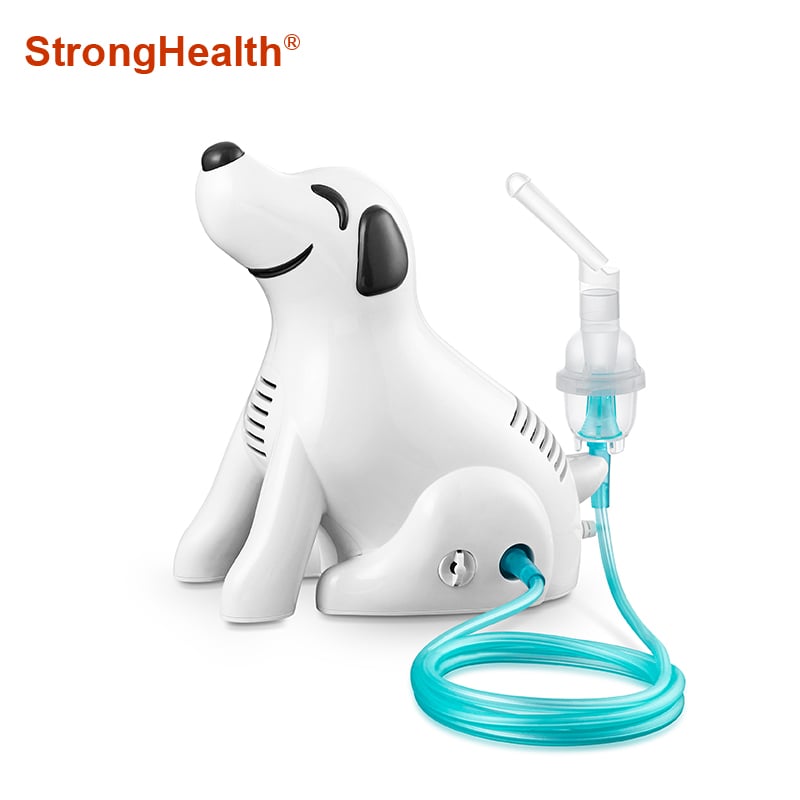
Bringing a newborn home is one of the most joyful and demanding experiences a parent will face. Among the many health concerns that arise in the early months of life, respiratory issues are among the most common and most frightening. Coughs, wheezing, bronchitis, and asthma symptoms can develop quickly in infants, and having the right tools at home can make a critical difference. An infant nebulizer is one such essential tool that every new parent should seriously consider keeping within reach.
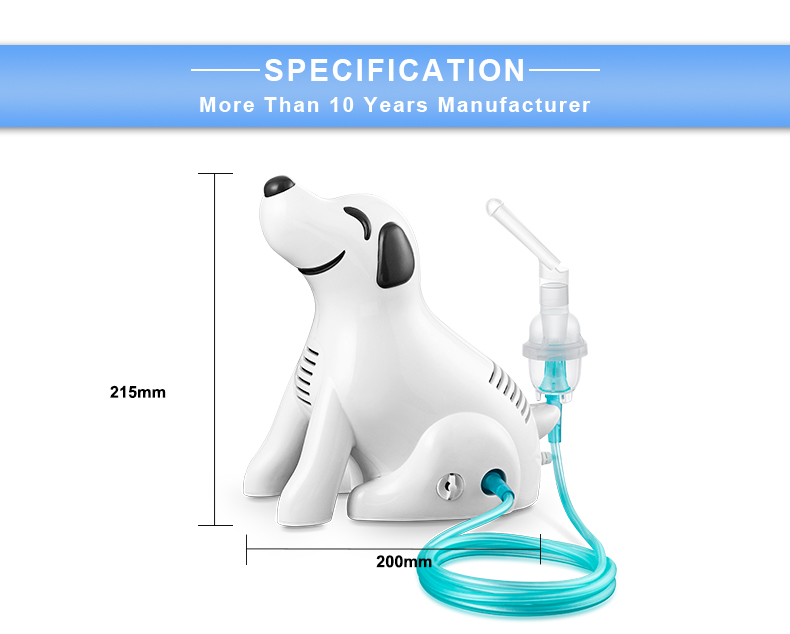
An infant nebulizer converts liquid medication into a fine mist that babies can inhale directly into their airways. Unlike oral medication, which must travel through the digestive system, the infant nebulizer delivers treatment precisely where it is needed — the lungs and bronchial passages. This targeted delivery method is especially important for very young children whose immune systems are still developing and who are highly vulnerable to respiratory distress. Understanding why an infant nebulizer belongs in your home requires looking at the health realities of early childhood, the practical advantages of home treatment, and the peace of mind it provides.
Respiratory Conditions Are Common in Early Childhood
How Frequently Infants Face Breathing Problems
Infants are exposed to a wide range of airborne irritants, viruses, and allergens from the moment they are born. Their airways are narrow, their lung capacity is small, and their ability to clear mucus is limited. This makes them especially prone to conditions such as bronchiolitis, croup, reactive airway disease, and early-onset asthma. Each of these conditions can worsen rapidly, sometimes overnight. An infant nebulizer at home allows parents to begin prescribed treatment immediately rather than waiting for a clinic appointment or an emergency room visit.
Pediatricians frequently recommend an infant nebulizer as part of a home care plan for babies who have experienced one or more respiratory episodes. The infant nebulizer ensures that when symptoms return — and in many cases they do — parents are prepared. Early and consistent use of an infant nebulizer as directed by a healthcare provider can reduce the severity of symptoms and shorten recovery time significantly.
The Limitation of Alternative Delivery Methods
Inhalers with spacers can work for older children, but for infants under two years old, an infant nebulizer is typically the preferred delivery device. Babies cannot coordinate the breathing technique required for a standard metered-dose inhaler. An infant nebulizer eliminates this barrier by generating a steady mist that the baby inhales naturally through a mask. This passive inhalation process makes the infant nebulizer far more reliable for delivering medication to very young patients. Parents do not need to time the dose or teach their infant a breathing technique.
Practical Benefits of Home Treatment With an Infant Nebulizer
Speed of Response During Acute Episodes
When a baby begins wheezing at two in the morning, the last thing a parent wants is to wait for a clinic to open. Having an infant nebulizer at home means treatment can begin within minutes of symptoms appearing. Speed matters enormously with infant respiratory distress. A prompt treatment session with an infant nebulizer can calm an acute episode before it escalates into a medical emergency. Many parents report that their infant nebulizer has helped them avoid unnecessary emergency room visits by enabling safe and effective home management.
An infant nebulizer is also valuable during recovery periods when ongoing treatments are required multiple times per day. Traveling to a medical facility for each session is neither practical nor comfortable for a sick infant. The infant nebulizer allows parents to administer the full course of treatment at home on a schedule that fits the baby's rest and feeding routine. This consistency directly supports better outcomes and faster recovery.
Ease of Use and Safety for Infants
Modern infant nebulizer devices are designed with the specific needs of very young children in mind. They operate quietly to avoid startling the baby, they are lightweight and easy to hold, and they come with soft pediatric masks sized appropriately for infant faces. Using an infant nebulizer does not require the baby to remain completely still. Many infants fall asleep during a nebulizer session, which actually improves medication absorption. Parents can administer a full treatment with minimal stress for both themselves and their child.
Safety is a central design priority in every infant nebulizer built for home use. These devices are engineered to deliver precise particle sizes that reach the lower airways effectively without wasting medication. A well-designed infant nebulizer ensures that the medication mist is fine enough to penetrate deep into the lungs where it produces the most therapeutic benefit. Parents should always follow the prescribing doctor's guidance on medication type, dosage, and treatment frequency when using an infant nebulizer.
Long-Term Value of Keeping an Infant Nebulizer at Home
Building a Reliable Home Health Strategy
An infant nebulizer is not a one-time purchase for a single illness. For families with a history of allergies, asthma, or frequent respiratory infections, the infant nebulizer becomes a long-term household health asset. As the child grows, the same infant nebulizer can often be used with updated masks and continued medical supervision. This means the value of investing in a quality infant nebulizer extends well beyond infancy into toddler years and early childhood.
Parents who keep an infant nebulizer at home also report a greater sense of confidence and preparedness. Knowing that you have the right infant nebulizer ready and that you understand how to use it correctly reduces parental anxiety during illness episodes. This confidence translates into calmer, more effective home care. The infant nebulizer becomes part of a proactive rather than reactive health approach — something every parent of a young child can benefit from.
Guidance From Healthcare Providers
Before purchasing an infant nebulizer, parents should consult their pediatrician. A healthcare provider can recommend the appropriate infant nebulizer type, advise on which medications are suitable, and demonstrate correct usage techniques. This guidance ensures that the infant nebulizer is used safely and effectively. Following medical advice when using an infant nebulizer is essential to achieving the intended therapeutic results and avoiding any misuse.
FAQ
At what age can a baby start using an infant nebulizer?
An infant nebulizer can typically be used from birth onward, provided it is prescribed or recommended by a pediatrician. Newborns and very young infants benefit from the passive inhalation method that an infant nebulizer provides, making it suitable even for the earliest months of life.
How often should I use an infant nebulizer during a respiratory illness?
The frequency of infant nebulizer use depends entirely on the prescribing doctor's instructions and the medication being administered. Some treatment plans call for an infant nebulizer session every four to six hours, while others may recommend use only when acute symptoms appear. Always follow your healthcare provider's guidance.
Is an infant nebulizer difficult to clean and maintain?
Most infant nebulizer devices are designed for straightforward cleaning. The mask, tubing, and medication cup should be rinsed and air-dried after each use. A more thorough cleaning should be done regularly according to the manufacturer's instructions. Proper maintenance ensures that the infant nebulizer continues to deliver medication safely and efficiently.