
 EN
EN
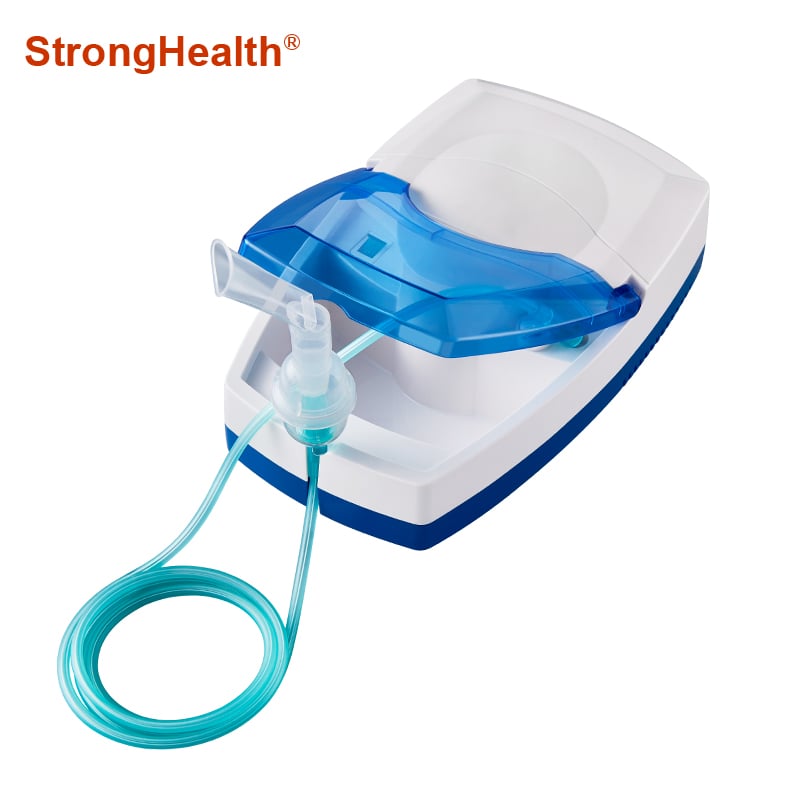
Starting your morning with a Blood Pressure Monitor reading is one of the simplest and most powerful habits you can build for long-term cardiovascular health. A Blood Pressure Monitor gives you a direct window into how your heart and arteries are performing before the stresses of the day begin. When used consistently every morning, a Blood Pressure Monitor becomes more than a device — it becomes a reliable health companion that helps you stay ahead of serious conditions. Many people underestimate just how much a daily Blood Pressure Monitor reading can reveal about their body.
Using a Blood Pressure Monitor every morning is not just a recommendation for people with known hypertension. Doctors increasingly advise that healthy individuals also track their readings regularly, since elevated blood pressure rarely presents obvious symptoms until serious damage has occurred. A Blood Pressure Monitor used at a consistent time each morning provides the most accurate and comparable baseline data. This routine use of a Blood Pressure Monitor means you are not guessing about your health — you are measuring it directly and with precision.
The Science Behind Morning Blood Pressure Readings
Why Morning Is the Most Critical Measurement Window
Medical research consistently shows that blood pressure follows a natural daily rhythm, and the morning hours represent one of the most medically significant periods of that cycle. When you wake up, your body transitions from rest to activity, triggering a surge in hormones like cortisol and adrenaline. This transition is exactly why using a Blood Pressure Monitor in the morning is so diagnostically valuable. The Blood Pressure Monitor captures your cardiovascular state during this vulnerable window, helping identify what clinicians call the 'morning surge,' a pattern strongly linked to increased risk of stroke and heart attack. A Blood Pressure Monitor reading taken at the same time each morning creates a dependable trend line that your doctor can use to make informed treatment decisions.
How Consistent Timing Improves Blood Pressure Monitor Accuracy
One of the most important factors in getting accurate readings from your Blood Pressure Monitor is consistency. When you use your Blood Pressure Monitor at the same time every morning — before eating, before exercise, and before taking any medication — you eliminate many variables that can artificially skew results. A Blood Pressure Monitor reading taken after coffee or physical activity will differ significantly from a resting measurement. Morning use of a Blood Pressure Monitor, ideally after five minutes of quiet rest, provides the clearest and most reproducible data. Over time, your Blood Pressure Monitor history becomes a reliable record that reflects genuine trends rather than random fluctuations.
Real Health Benefits of Daily Blood Pressure Monitor Use
Detecting Hypertension Early With a Blood Pressure Monitor
Hypertension, often called the 'silent killer,' can go undetected for years without regular monitoring. A Blood Pressure Monitor used every morning dramatically increases your chances of catching elevated readings early, well before they cause organ damage. When your Blood Pressure Monitor consistently shows readings above 130/80 mmHg, that pattern is a clear signal to seek medical advice. Without a Blood Pressure Monitor in your daily routine, borderline hypertension can easily be missed during infrequent clinic visits. The Blood Pressure Monitor acts as a personal alert system, and its value grows the more regularly you use it. Early detection through a Blood Pressure Monitor gives you and your doctor more treatment options and better outcomes.
Tracking the Effectiveness of Lifestyle Changes
A Blood Pressure Monitor is also an invaluable tool for measuring how lifestyle adjustments are actually affecting your cardiovascular health. If you start a new exercise routine, reduce your sodium intake, or begin a stress management practice, your Blood Pressure Monitor will show whether these changes are making a measurable difference. Without a Blood Pressure Monitor, you are essentially making changes in the dark, with no clear feedback on whether your efforts are working. Daily morning readings from your Blood Pressure Monitor provide objective evidence of improvement or stagnation. This feedback loop makes the Blood Pressure Monitor central to any serious health improvement plan. Knowing your numbers, and watching them shift over weeks and months, keeps you motivated and medically informed.
How to Build a Morning Blood Pressure Monitor Routine
Preparing for an Accurate Blood Pressure Monitor Reading
Getting the most from your Blood Pressure Monitor each morning requires a small amount of preparation. Before using your Blood Pressure Monitor, sit quietly for at least five minutes in a comfortable chair, with your back supported and your feet flat on the floor. Avoid caffeine, tobacco, and exercise for at least thirty minutes before your Blood Pressure Monitor session. Position your arm at heart level and ensure the Blood Pressure Monitor cuff fits snugly but not tightly. Taking two or three readings with your Blood Pressure Monitor and recording the average gives you the most reliable result. Consistency in body position, time of day, and pre-measurement conditions is the key to getting data from your Blood Pressure Monitor that you can truly trust.
Recording and Sharing Your Blood Pressure Monitor Data
A Blood Pressure Monitor reading only becomes truly useful when it is recorded and reviewed over time. Many modern Blood Pressure Monitor devices include built-in memory or smartphone connectivity, making it easy to log every morning measurement automatically. Whether you use a digital Blood Pressure Monitor log or a simple notebook, maintain a record that includes the date, time, and both systolic and diastolic values from your Blood Pressure Monitor. Sharing your Blood Pressure Monitor history with your healthcare provider at each appointment gives them a far richer picture of your cardiovascular health than a single in-office measurement ever could. A comprehensive Blood Pressure Monitor log can reveal patterns such as gradual rises over weeks, medication effectiveness, or the impact of seasonal changes on your readings.
FAQ
How often should I use a Blood Pressure Monitor each morning?
Ideally, you should use your Blood Pressure Monitor every single morning at approximately the same time. Taking two to three readings with your Blood Pressure Monitor and averaging the results gives the most reliable baseline. If your Blood Pressure Monitor readings are stable over several weeks, your doctor may advise a slightly less frequent schedule, but daily morning use remains the gold standard for accurate cardiovascular monitoring.
Is a home Blood Pressure Monitor as accurate as a clinic measurement?
A validated home Blood Pressure Monitor can be equally accurate to clinic measurements when used correctly. In fact, a Blood Pressure Monitor used at home often captures more representative readings because it eliminates 'white coat hypertension,' the anxiety-driven rise in blood pressure that some people experience in medical settings. Always choose a clinically validated Blood Pressure Monitor and follow the manufacturer guidelines to ensure accuracy.
What should I do if my Blood Pressure Monitor shows consistently high readings?
If your Blood Pressure Monitor shows readings consistently above 130/80 mmHg over several mornings, you should contact your healthcare provider promptly. Do not adjust medications or make significant lifestyle changes based solely on your Blood Pressure Monitor readings without professional guidance. Your Blood Pressure Monitor data is a powerful diagnostic tool, but it works best when interpreted alongside your doctor's clinical assessment.