air nebulizer compressor
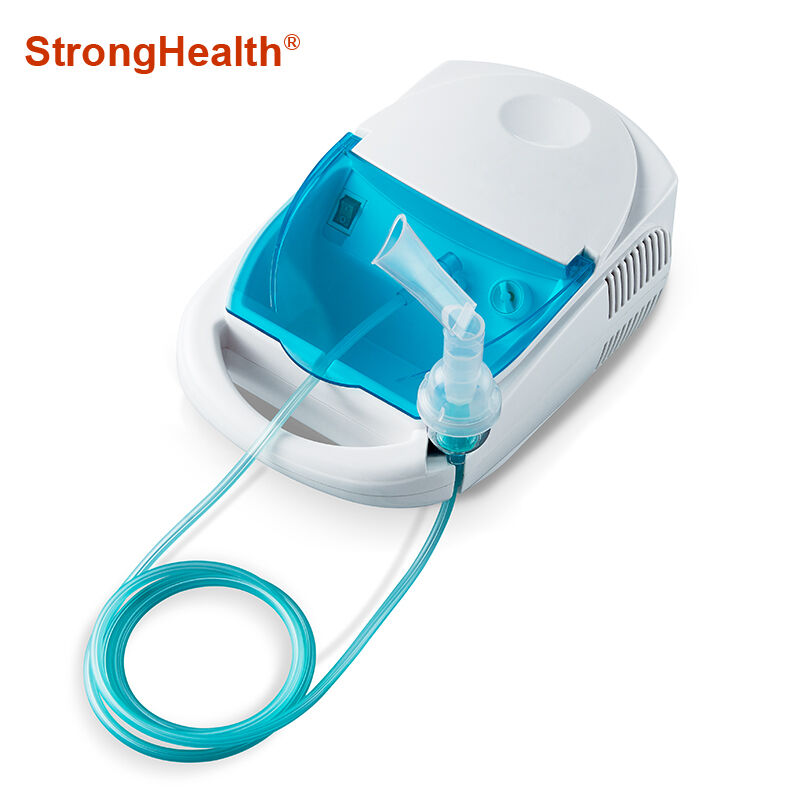
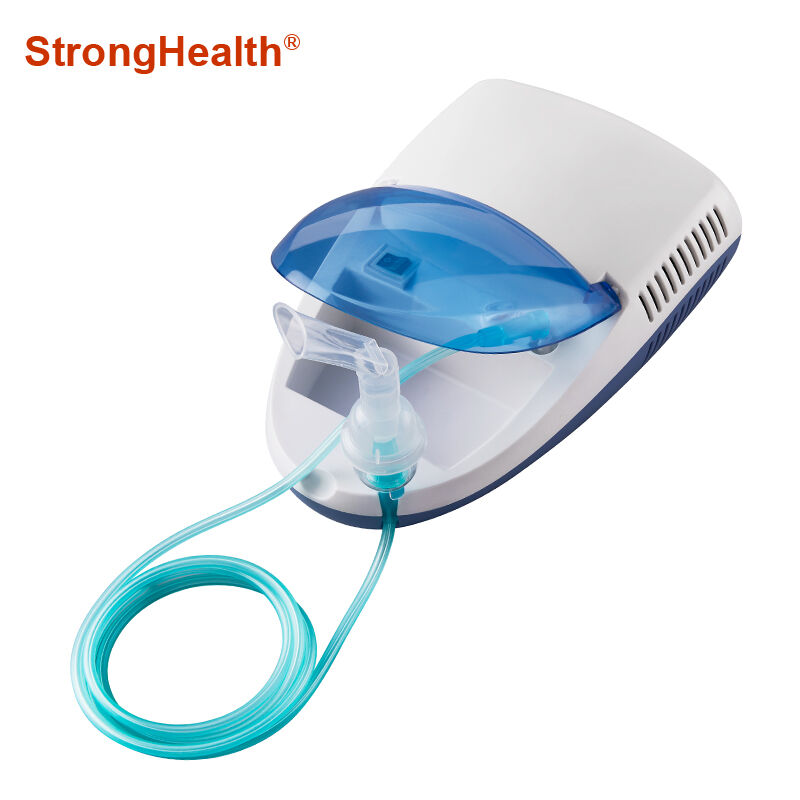
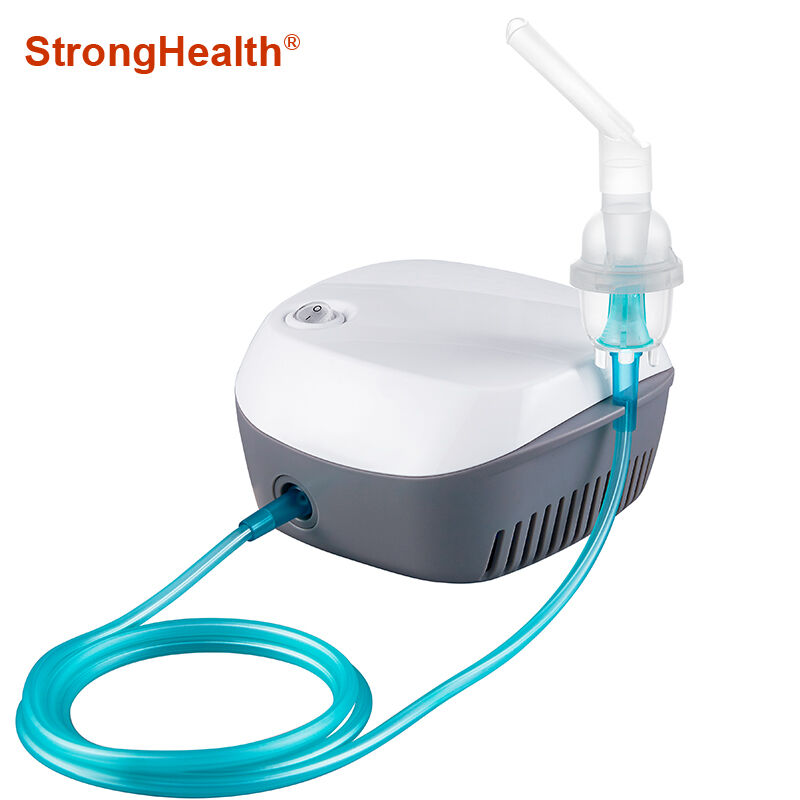
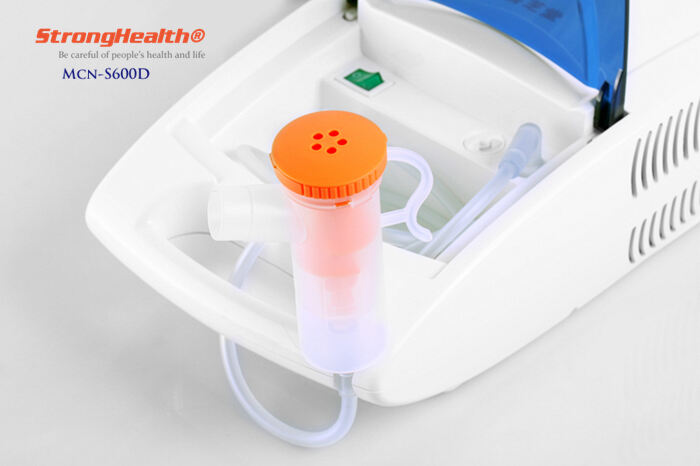
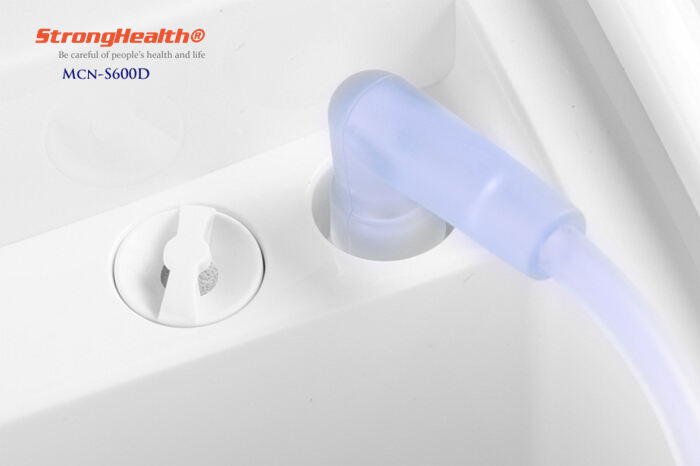
The air nebulizer compressor represents a cornerstone of modern respiratory therapy, delivering medication directly to the lungs through advanced aerosol technology. This medical device transforms liquid medications into fine mist particles, enabling patients with asthma, chronic obstructive pulmonary disease, and other respiratory conditions to receive targeted treatment efficiently. The air nebulizer compressor operates through a sophisticated mechanism that utilizes compressed air to create microscopic droplets of medication, ensuring optimal particle size for deep lung penetration. The device features a robust compressor unit that generates consistent air pressure, typically ranging from 15 to 35 PSI, which is channeled through specialized tubing to the nebulizer chamber. This chamber houses the medication reservoir where the transformation occurs, converting liquid formulations into breathable aerosol particles measuring between 1 to 5 microns in diameter. Modern air nebulizer compressor units incorporate advanced filtration systems that purify incoming air, preventing contamination and ensuring sterile medication delivery. The technological framework includes pressure regulation mechanisms that maintain steady airflow rates, typically between 6 to 10 liters per minute, guaranteeing consistent medication output throughout treatment sessions. These devices feature durable construction materials designed to withstand continuous operation while maintaining quiet performance levels below 65 decibels. The air nebulizer compressor finds extensive application in hospitals, clinics, home healthcare settings, and emergency medical services, serving patients across all age groups from pediatric to geriatric populations. Healthcare professionals rely on these systems for delivering bronchodilators, corticosteroids, antibiotics, and mucolytic agents directly to affected respiratory tissues. The versatility of the air nebulizer compressor extends to various medication types, accommodating both water-based and oil-based formulations while ensuring complete drug utilization with minimal residual waste.



 EN
EN