best compressor nebulizer
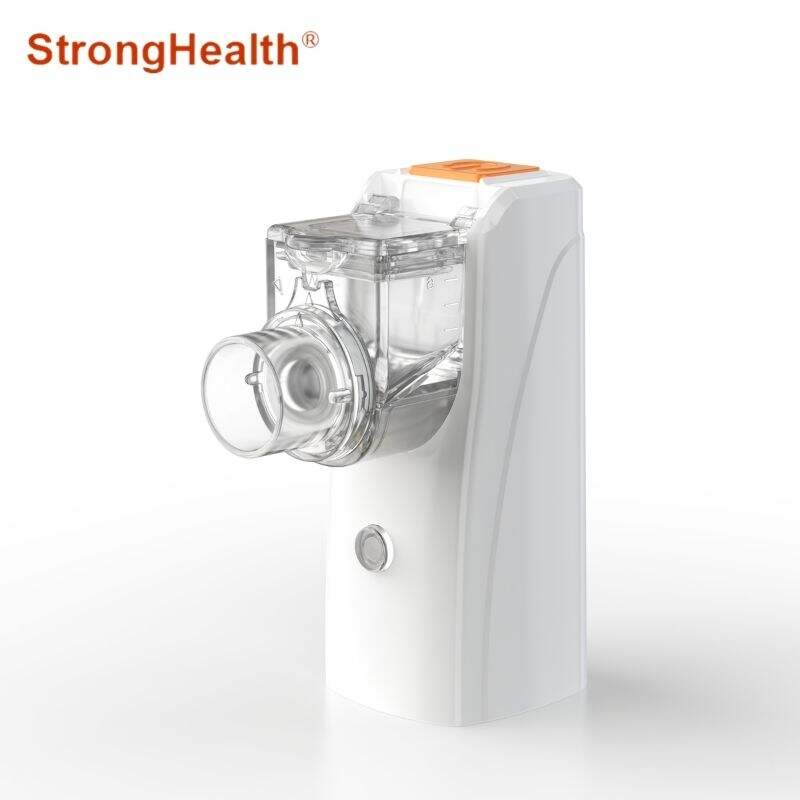
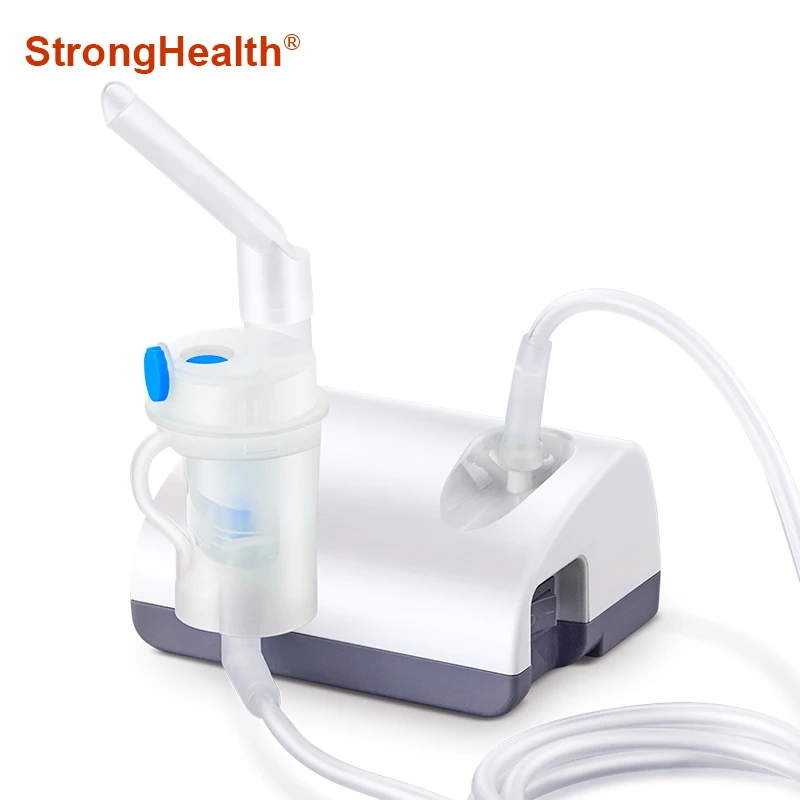
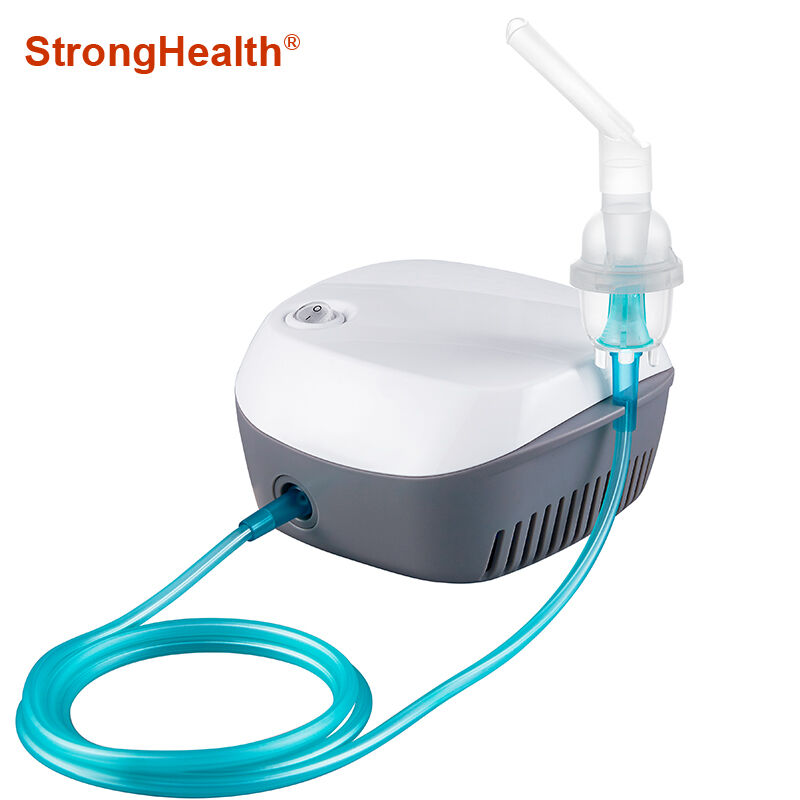
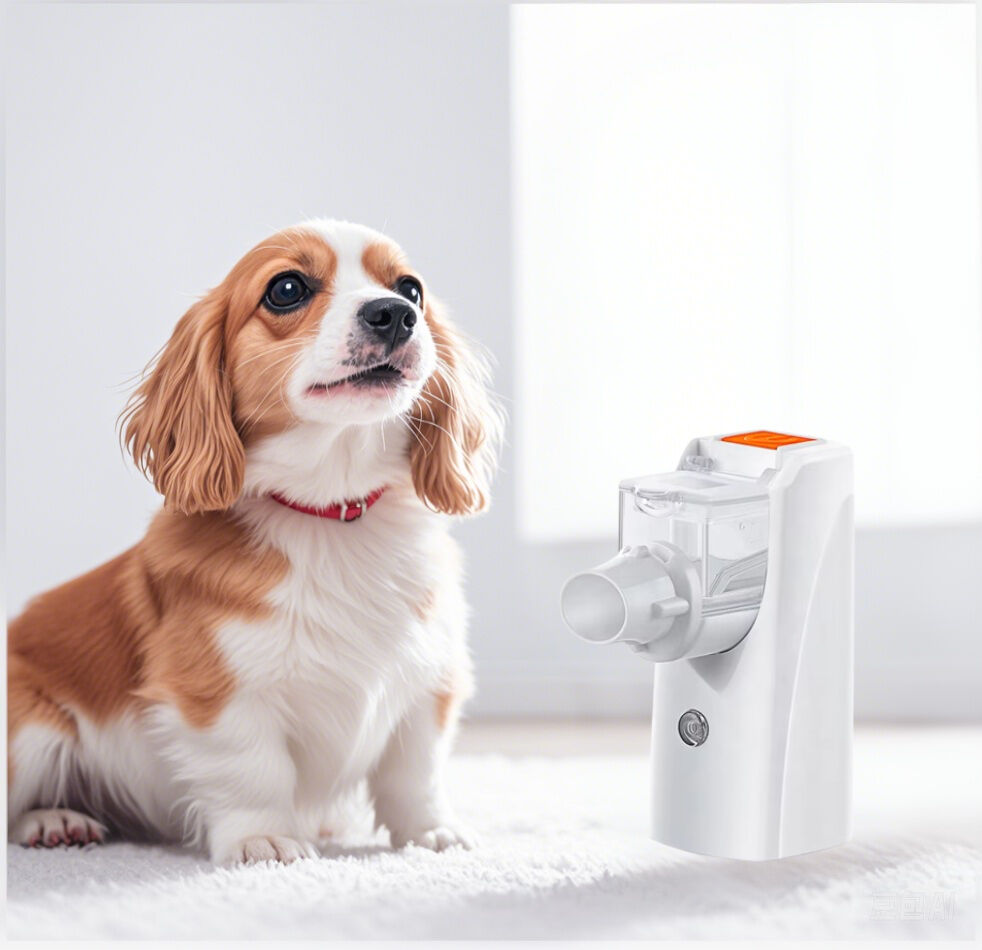
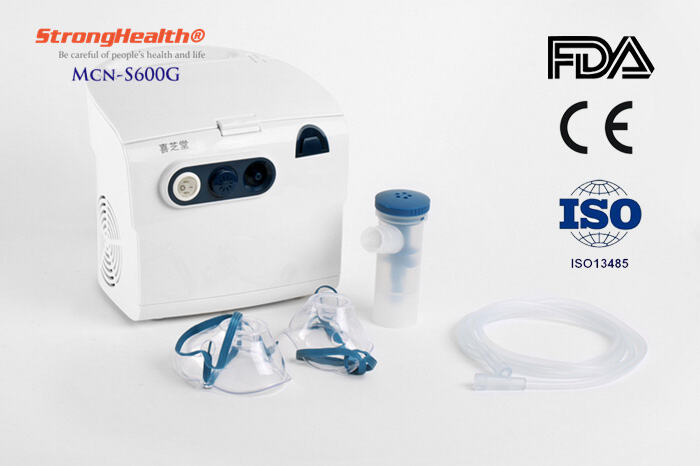
The best compressor nebulizer represents a pinnacle of respiratory care technology, designed to deliver precise medication administration through advanced aerosol generation. This medical device converts liquid medications into fine mist particles, enabling efficient drug delivery directly to the respiratory system. The best compressor nebulizer operates through a sophisticated compression mechanism that forces compressed air through a narrow opening, creating a high-velocity airstream that transforms liquid medication into breathable particles ranging from 1 to 5 microns in diameter. This particle size optimization ensures maximum penetration into the lower respiratory tract, including bronchioles and alveoli. Modern compressor nebulizers incorporate cutting-edge technological features such as adjustable particle size control, enhanced medication cup designs, and optimized airflow patterns. The device typically consists of a main compressor unit, medication chamber, tubing system, and delivery interface components. Advanced models feature digital displays, timer functions, and multiple operation modes to accommodate various treatment protocols. The best compressor nebulizer maintains consistent particle output throughout treatment sessions, ensuring reliable medication delivery regardless of remaining volume. These devices excel in treating respiratory conditions including asthma, chronic obstructive pulmonary disease, cystic fibrosis, and various bronchial infections. Healthcare professionals prefer compressor nebulizers for their versatility in delivering multiple medication types, including bronchodilators, corticosteroids, antibiotics, and mucolytics. The technology supports both pediatric and adult applications, with specialized accessories for different age groups. Clinical applications extend beyond traditional respiratory treatments to include wound care, where nebulized antimicrobials provide targeted therapeutic benefits. The best compressor nebulizer demonstrates superior reliability in hospital settings, home care environments, and emergency medical situations, making it an indispensable tool for comprehensive respiratory therapy management.




 EN
EN