combination inhalers for asthma
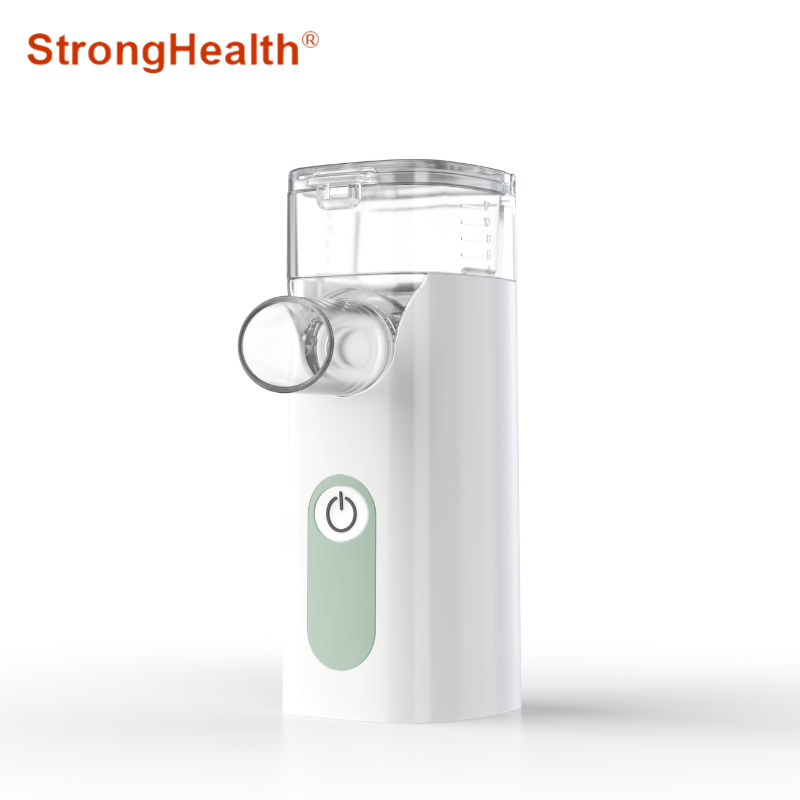
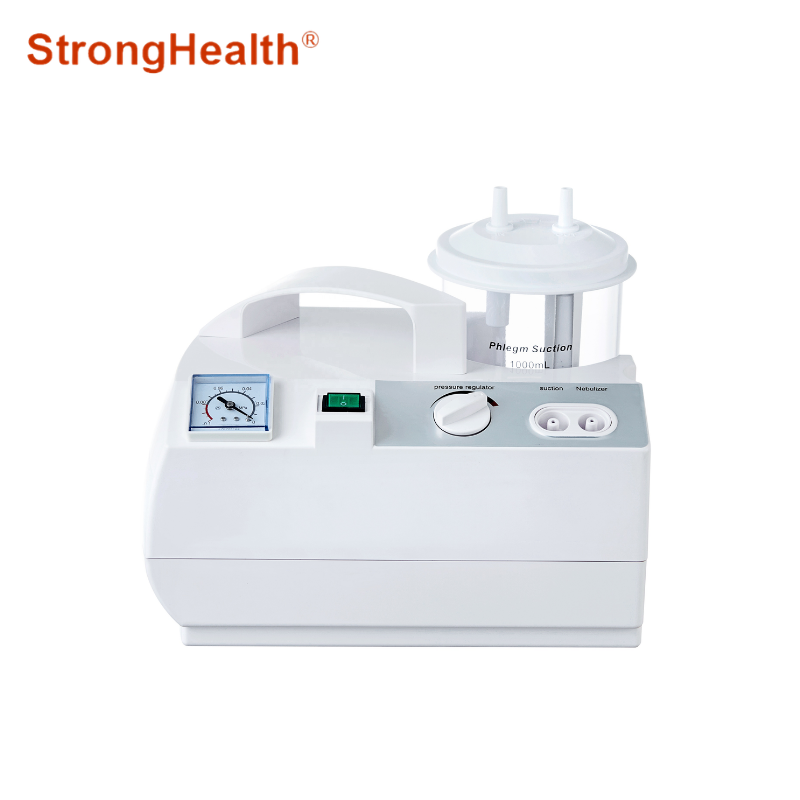
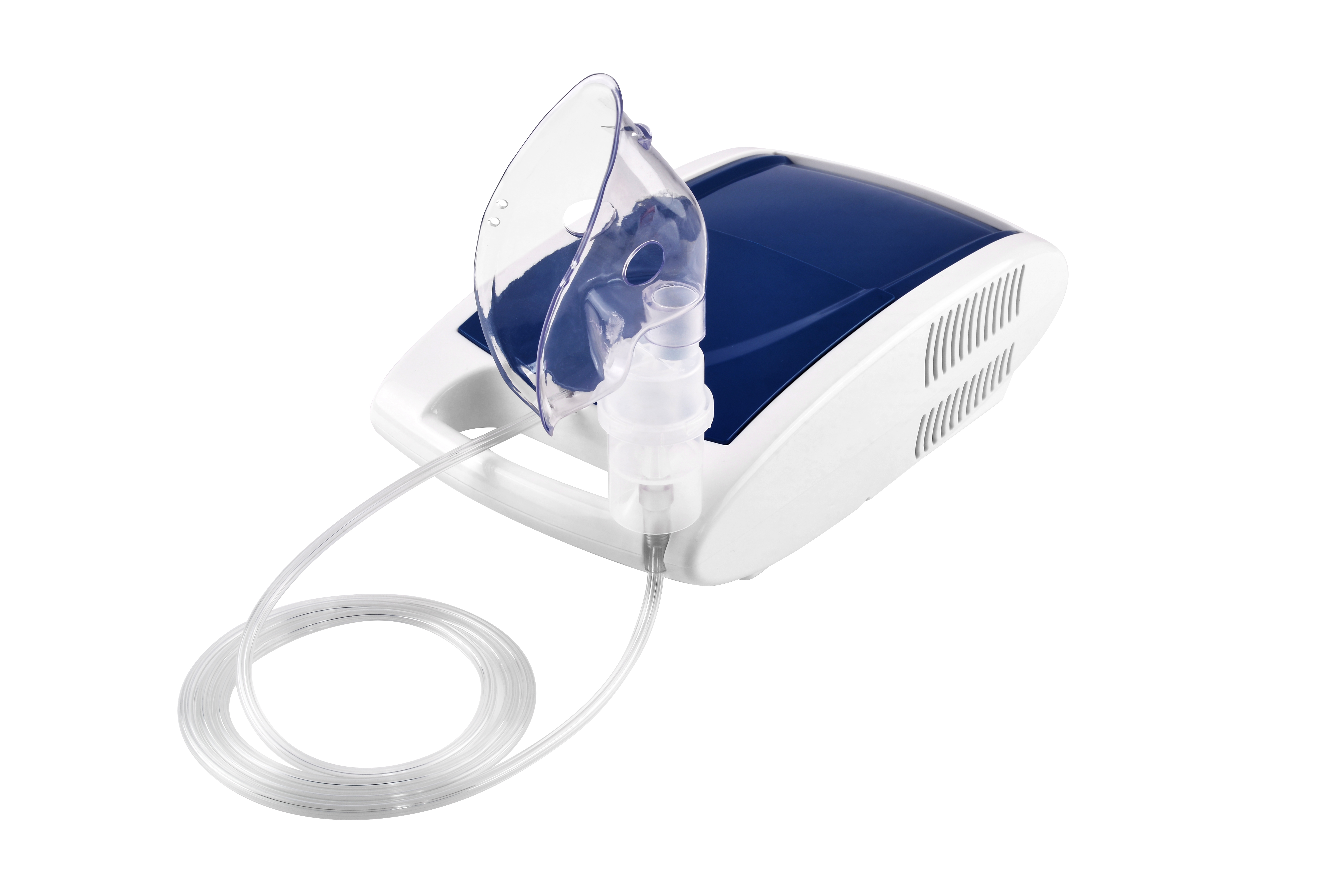
Combination inhalers for asthma represent a significant advancement in respiratory medicine, offering patients a comprehensive treatment approach within a single device. These innovative medical instruments combine two or more active pharmaceutical ingredients, typically including a long-acting beta-agonist (LABA) and an inhaled corticosteroid (ICS), designed to address multiple aspects of asthma management simultaneously. The primary function of combination inhalers for asthma involves delivering both bronchodilator and anti-inflammatory medications directly to the airways, ensuring optimal therapeutic outcomes while simplifying treatment regimens. Modern combination inhalers for asthma utilize sophisticated delivery mechanisms such as dry powder inhalers (DPI), metered-dose inhalers (MDI), and soft mist inhalers (SMI), each engineered to maximize drug deposition in the lungs. The technological features of these devices include precise dose counters, breath-activated mechanisms, and ergonomic designs that facilitate proper inhalation technique. Many combination inhalers for asthma incorporate advanced formulation technologies like co-suspension delivery systems and proprietary particle engineering to enhance drug stability and bioavailability. These inhalers serve diverse applications ranging from maintenance therapy for persistent asthma to rescue treatment during acute exacerbations. The dual-action formulation addresses both the underlying inflammation characteristic of asthma and provides rapid bronchodilation for symptom relief. Healthcare providers increasingly prescribe combination inhalers for asthma because they offer superior convenience compared to multiple separate inhalers, leading to improved patient adherence and better disease control. The devices are suitable for various patient demographics, including adults and children over specific age thresholds, with dosing options tailored to different severity levels of asthma.


 EN
EN