asthma inhaler cost
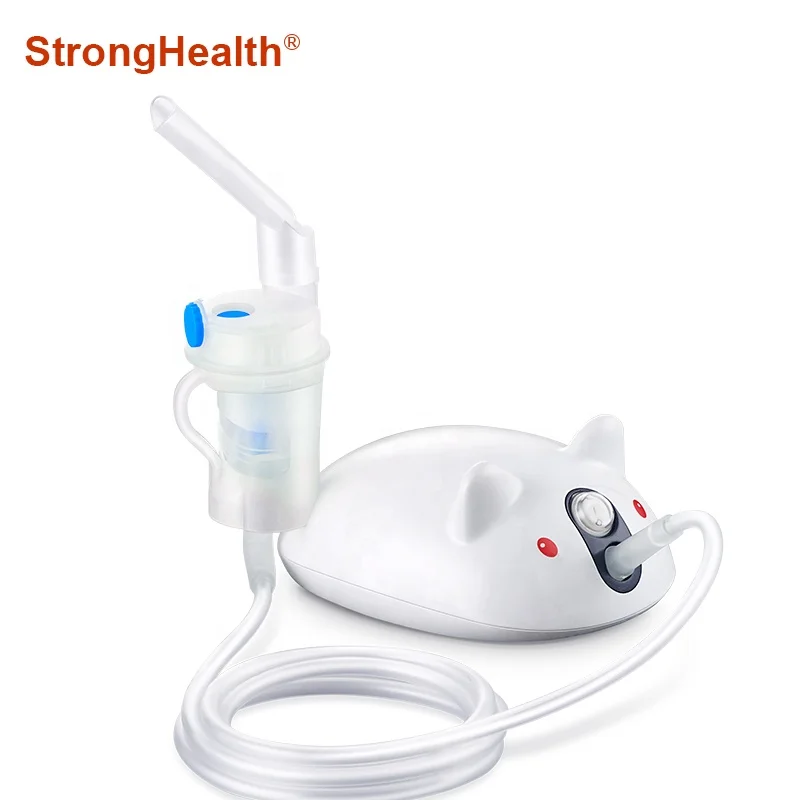
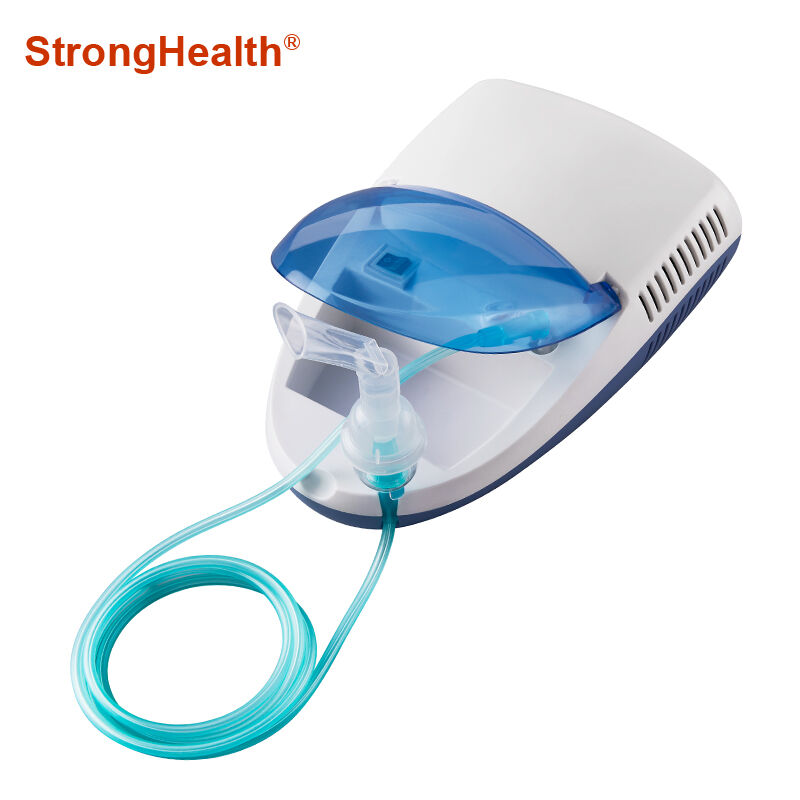
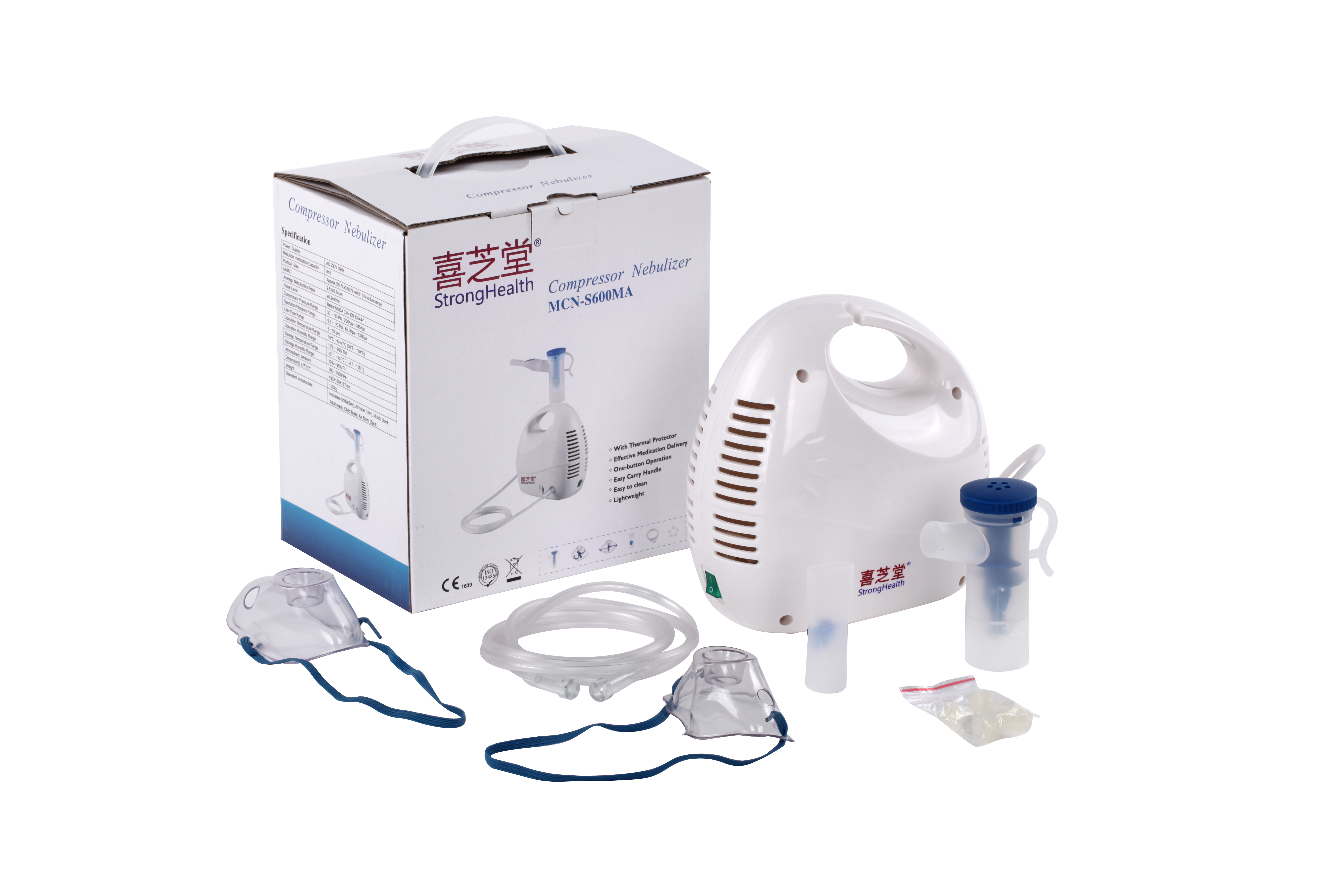
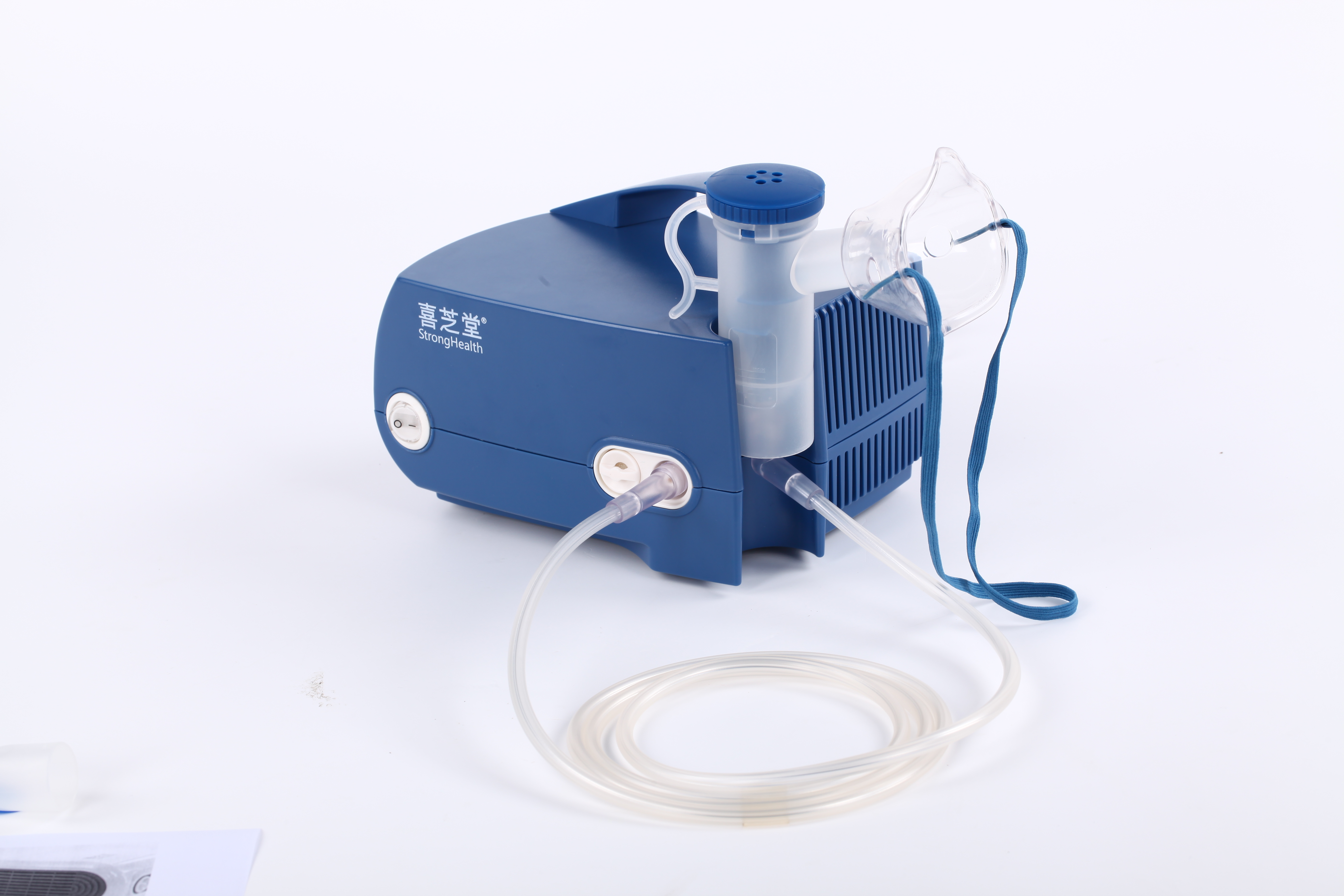
Understanding asthma inhaler cost is crucial for patients managing this chronic respiratory condition, as these medical devices represent both immediate relief and long-term financial planning considerations. Asthma inhalers serve as portable, life-saving medications that deliver bronchodilators or corticosteroids directly to the airways, providing rapid symptom control and preventing dangerous breathing complications. The primary functions of these devices include emergency rescue during acute asthma attacks, daily maintenance therapy for persistent symptoms, and preventive treatment to reduce inflammation in the respiratory system. Modern inhalers utilize advanced delivery mechanisms such as metered-dose inhalers (MDIs), dry powder inhalers (DPIs), and nebulizers, each employing sophisticated engineering to ensure precise medication dosage and optimal lung penetration. Technological features encompass dose counters that track remaining medications, spacer compatibility for improved drug delivery, and ergonomic designs that accommodate users of different ages and dexterity levels. The applications extend beyond emergency situations to include daily controller medications that maintain stable breathing patterns, exercise-induced asthma prevention, and allergen exposure protection. Healthcare providers prescribe different inhaler types based on patient-specific factors including age, coordination abilities, breathing capacity, and medication requirements. Generic alternatives and brand-name options create varying price points within the asthma inhaler cost spectrum, allowing patients to balance therapeutic effectiveness with budget constraints. Insurance coverage significantly impacts out-of-pocket expenses, with formulary placement determining copayment amounts and prior authorization requirements. Patient assistance programs from pharmaceutical manufacturers often reduce asthma inhaler cost burdens for qualifying individuals, making essential medications more accessible across diverse economic backgrounds. Understanding these comprehensive aspects helps patients make informed decisions about their respiratory health management while navigating the complex landscape of medication pricing and insurance benefits.


 EN
EN