Clinical Efficacy and Evidence-Based Treatment Outcomes
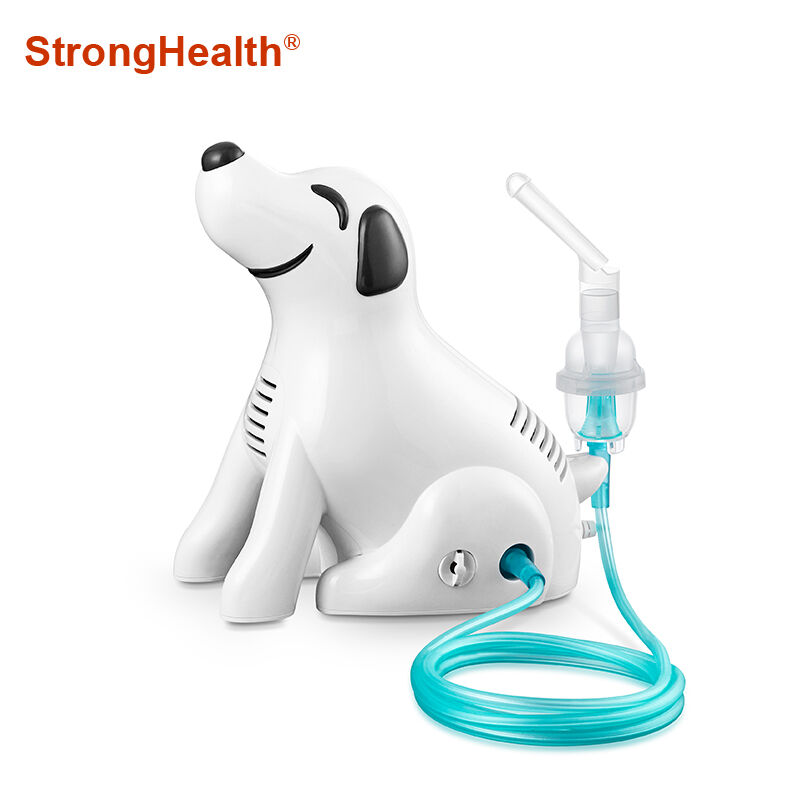
The clinical efficacy of the dog inhaler for bronchitis has been extensively documented through veterinary research studies and real-world treatment outcomes, establishing its position as a gold standard in canine respiratory therapy. Clinical trials demonstrate significantly improved bronchial function within 15-30 minutes of initial treatment, with measurable improvements in respiratory rate, oxygen saturation, and reduced coughing frequency compared to traditional oral medication approaches. The evidence base includes multi-center studies involving diverse dog populations, breed variations, and severity levels, providing comprehensive data on treatment effectiveness across different patient demographics. Veterinary pulmonologists report enhanced therapeutic outcomes when using the dog inhaler for bronchitis, particularly in cases involving chronic bronchial inflammation where traditional treatments showed limited success. The direct medication delivery method achieves therapeutic drug concentrations in target tissues while maintaining lower systemic levels, reducing side effect incidence by up to 60% compared to oral steroid protocols. Long-term studies spanning 12-24 months demonstrate sustained improvement in quality of life measures, including increased exercise tolerance, reduced nocturnal coughing episodes, and improved appetite in dogs receiving regular inhaler therapy. The evidence supports faster recovery times in acute bronchitis cases, with average symptom resolution occurring 2-3 days earlier than conventional treatment protocols. Clinical data reveals particular efficacy in geriatric dogs and breeds predisposed to respiratory conditions, where the dog inhaler for bronchitis provides therapeutic benefits without compromising already stressed cardiovascular systems. Objective measurements using spirometry and blood gas analysis confirm improved lung function parameters following consistent inhaler use, with statistically significant improvements in forced expiratory volume and arterial oxygen levels. Veterinary emergency departments report reduced readmission rates for respiratory distress when dogs are discharged with home inhaler protocols, indicating sustained therapeutic benefits beyond initial treatment periods. The clinical evidence encompasses both acute intervention scenarios and chronic management protocols, demonstrating versatility across the spectrum of canine respiratory conditions. Peer-reviewed publications in veterinary journals consistently validate the superior bioavailability and therapeutic index achieved through the specialized delivery system of the dog inhaler for bronchitis, establishing evidence-based confidence in treatment recommendations and protocol development for comprehensive canine respiratory care management.

 EN
EN