drive nebulizer kit
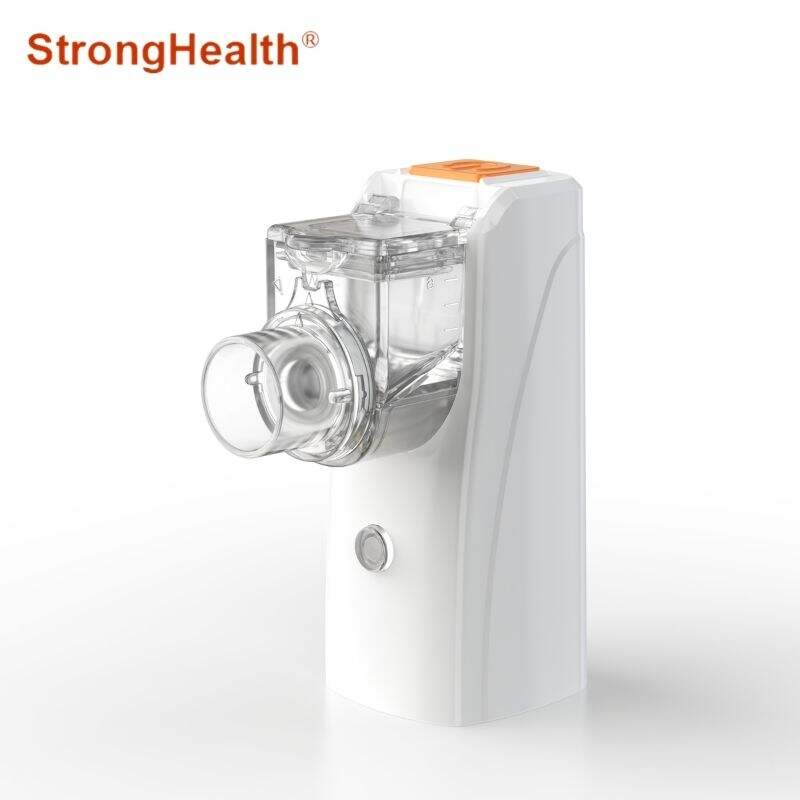
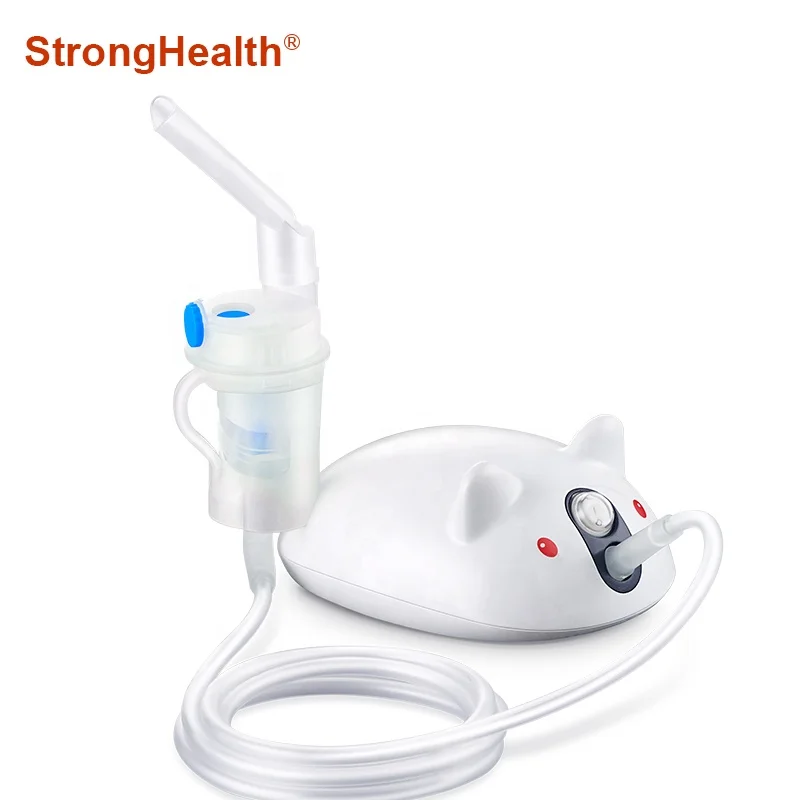
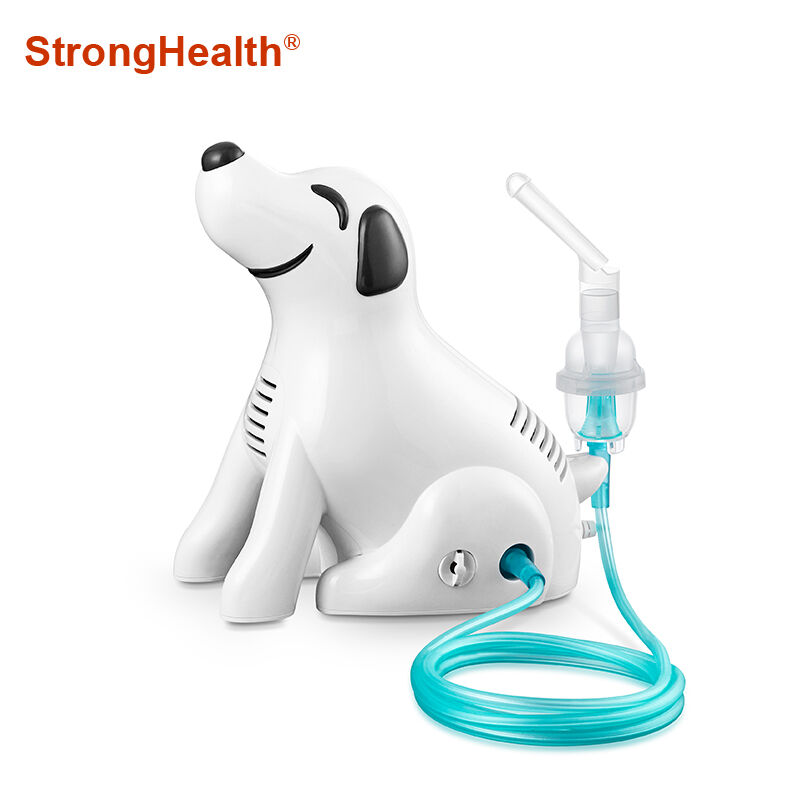
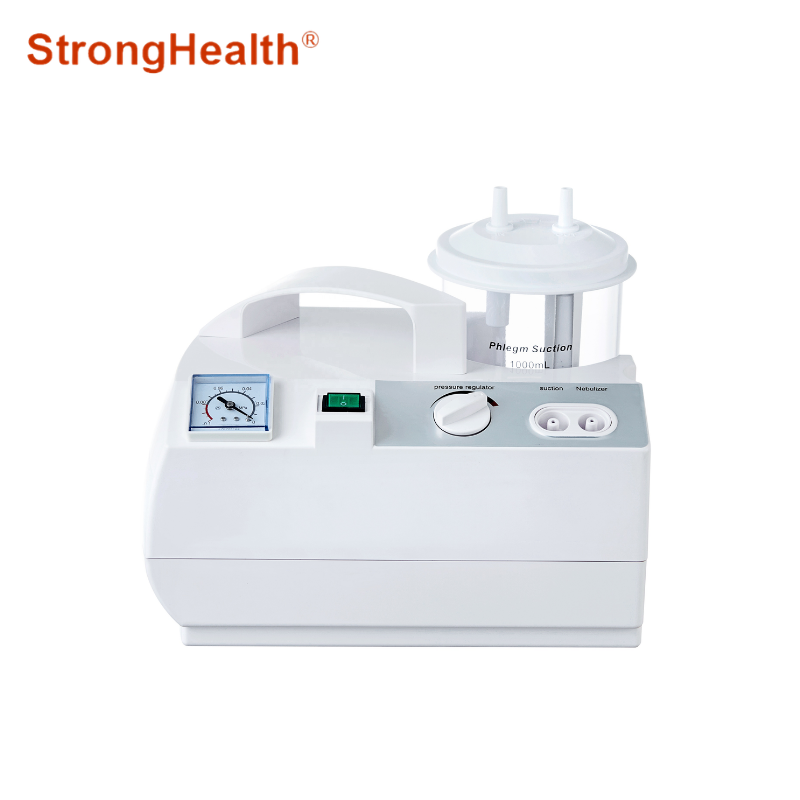
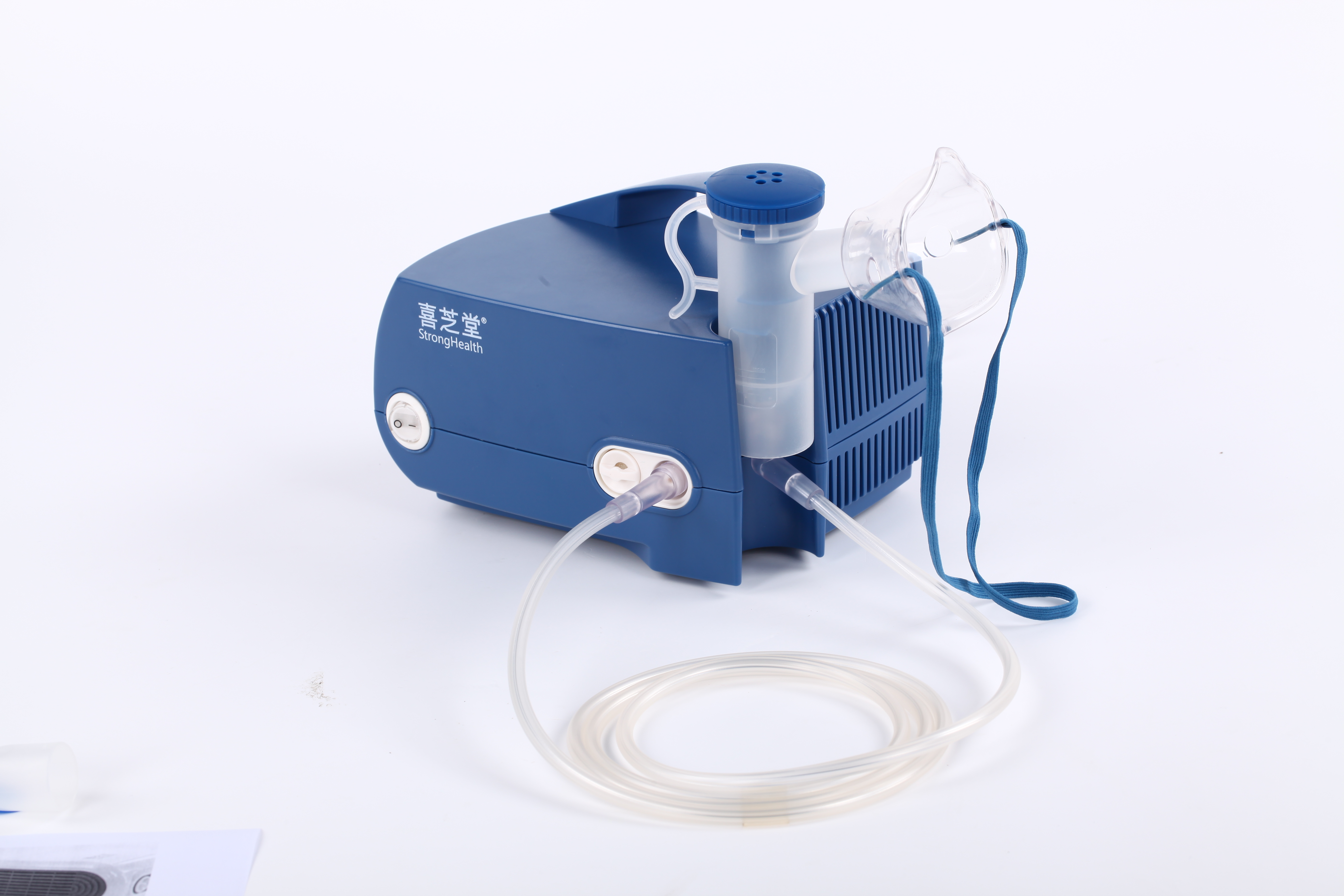
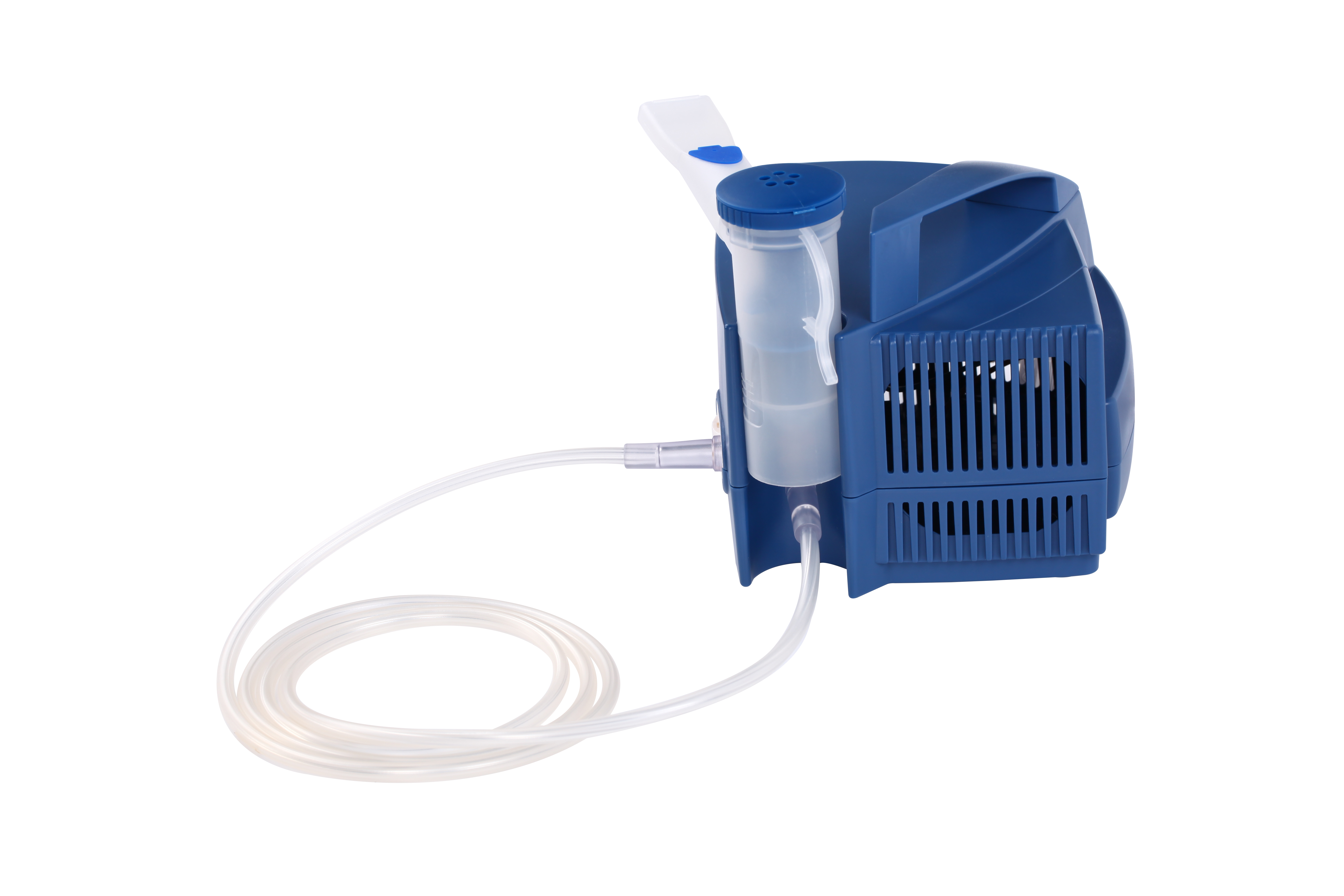
A drive nebulizer kit represents an essential medical device designed to convert liquid medication into fine mist particles for respiratory treatment. This sophisticated system transforms prescribed medications into inhalable aerosols, making it easier for patients to receive targeted therapy directly to their airways and lungs. The drive nebulizer kit operates through advanced compressor technology that creates pressurized air, which passes through the medication chamber to generate consistent, therapeutic particles. Modern drive nebulizer kits incorporate user-friendly designs with intuitive controls, making them accessible for both healthcare professionals and home users. These devices feature durable construction with medical-grade components that ensure reliable performance over extended periods. The typical drive nebulizer kit includes a main compressor unit, nebulizer cup, tubing system, and various mask or mouthpiece options to accommodate different patient needs. Advanced models integrate noise reduction technology, maintaining quiet operation during treatment sessions. The particle size distribution achieved by drive nebulizer kits ensures optimal medication delivery to specific respiratory zones, enhancing therapeutic effectiveness. Many units feature adjustable flow rates, allowing healthcare providers to customize treatment parameters based on individual patient requirements and medication types. The drive nebulizer kit supports various liquid medications, including bronchodilators, corticosteroids, and antibiotics, making it versatile for treating multiple respiratory conditions. Safety features built into these systems include automatic shut-off mechanisms, overheat protection, and easy-to-clean components that maintain hygiene standards. Contemporary drive nebulizer kits often include digital displays showing treatment time and operational status, providing users with clear feedback during therapy sessions. The portability aspects of many drive nebulizer kits enable patients to maintain consistent treatment schedules whether at home, in clinical settings, or during travel, ensuring continuity of care for chronic respiratory conditions.


 EN
EN