nebulizer for asthma adults
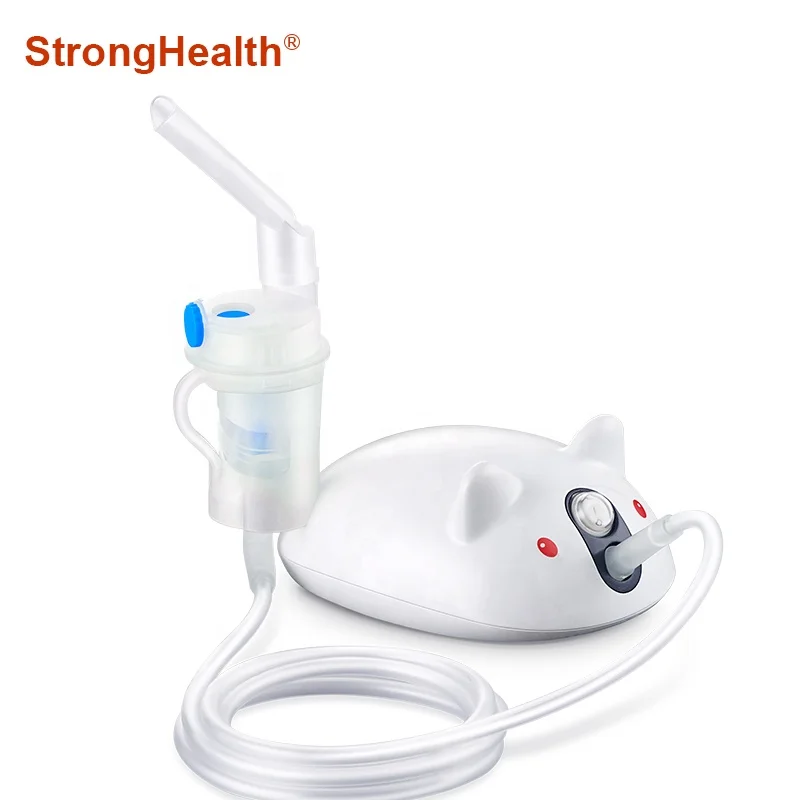
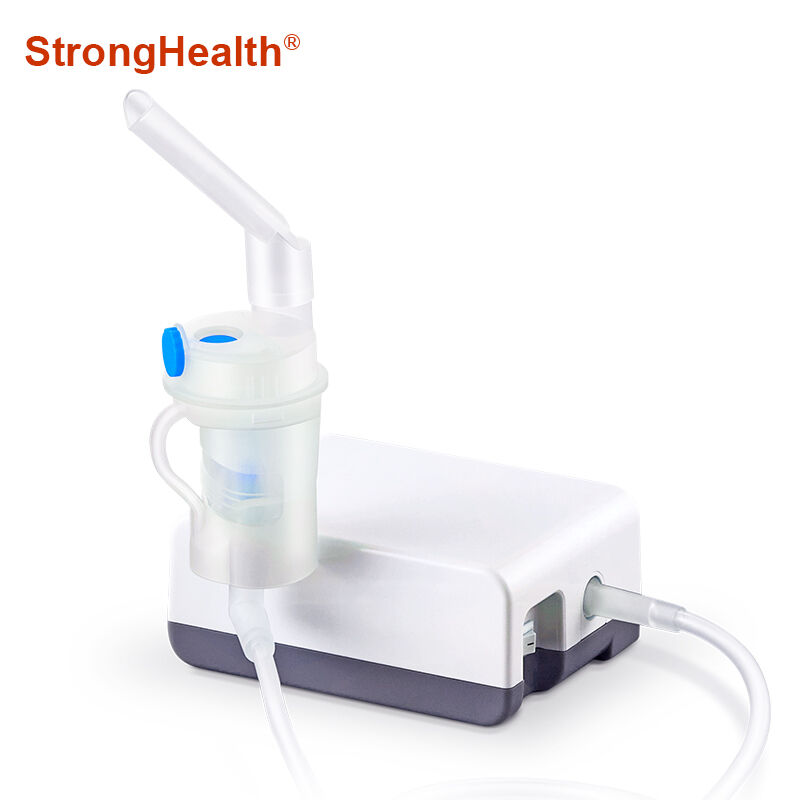
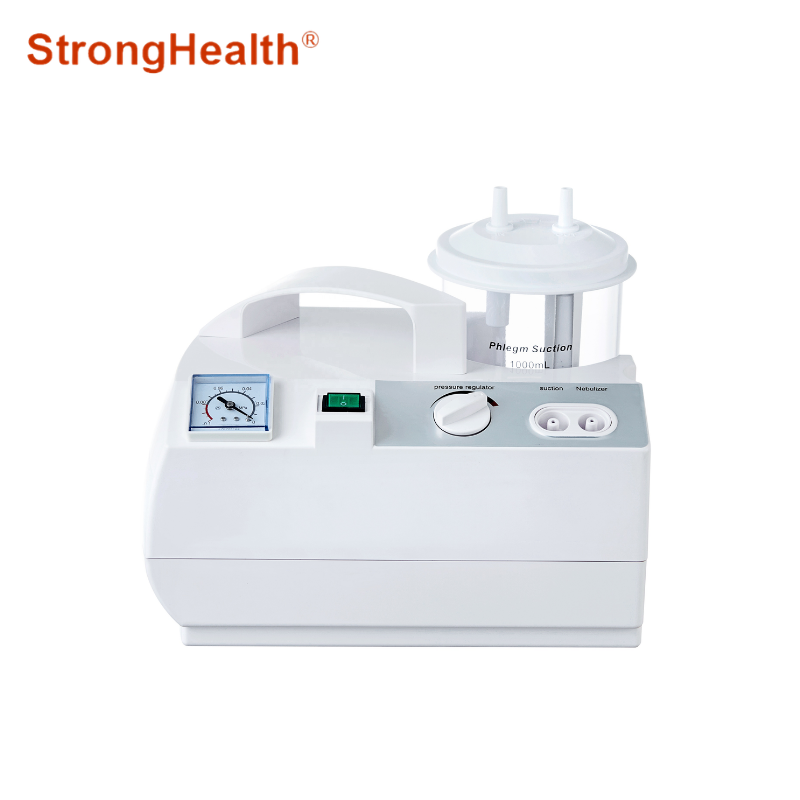
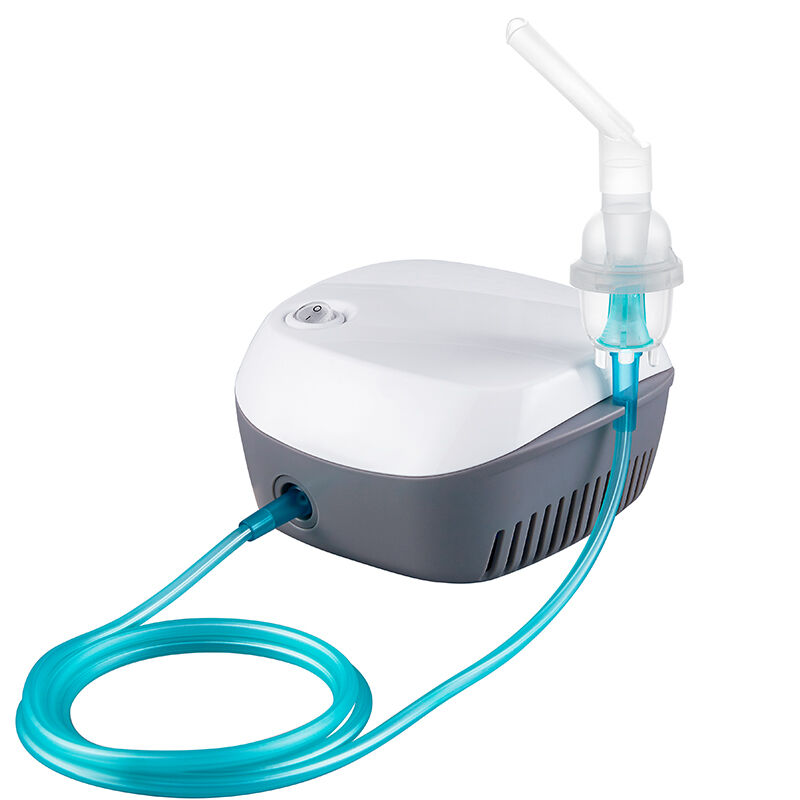
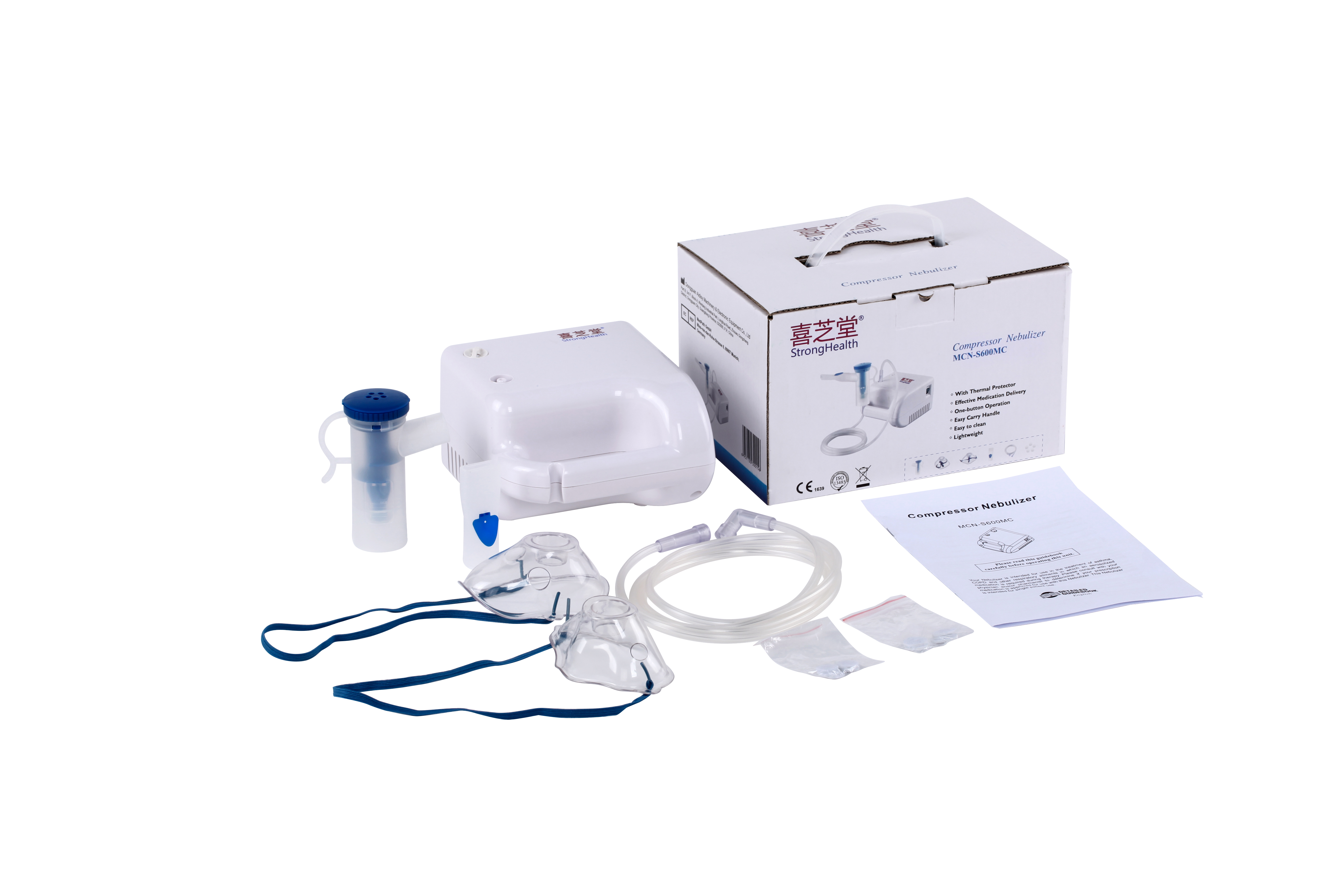
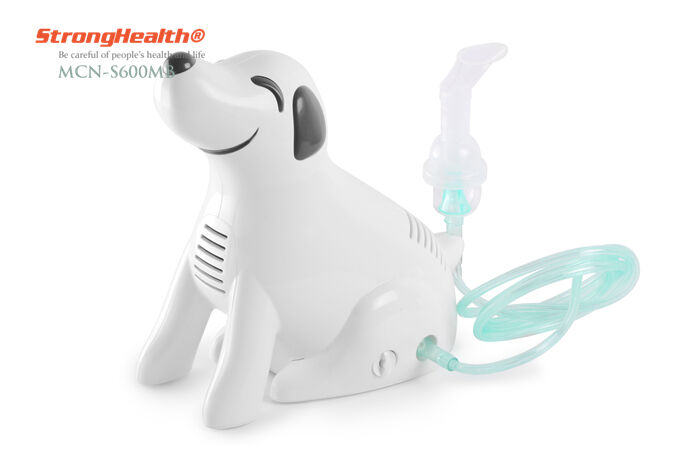
The nebulizer for asthma adults represents a revolutionary breakthrough in respiratory therapy technology, specifically engineered to deliver precise medication doses directly to the airways. This sophisticated medical device transforms liquid asthma medications into fine mist particles, enabling optimal absorption through inhalation therapy. Modern nebulizers incorporate advanced compressor systems and mesh technology to ensure consistent particle size distribution, making them essential tools for comprehensive asthma management. The nebulizer for asthma adults operates through pneumatic compression or ultrasonic vibration mechanisms, converting bronchodilators and corticosteroids into breathable aerosols. These devices feature adjustable flow rates, typically ranging from 6 to 8 liters per minute, ensuring customizable treatment protocols for individual patient needs. Contemporary models integrate digital controls, LED indicators, and automatic shut-off functions for enhanced user experience. The technological architecture includes high-efficiency particulate air filters, noise reduction systems, and compact designs suitable for home and clinical environments. Many nebulizers for asthma adults incorporate smart sensors that monitor medication levels and treatment duration, providing real-time feedback to patients and healthcare providers. The particle size output typically measures between 1-5 microns, optimizing deep lung penetration for maximum therapeutic efficacy. Advanced models feature quick-connect tubing systems, easy-clean components, and battery backup options for portability. The nebulizer for asthma adults supports various medication types, including short-acting bronchodilators, long-acting beta-agonists, and inhaled corticosteroids, making them versatile solutions for different asthma severity levels. These devices demonstrate superior medication delivery compared to traditional inhalers, particularly beneficial for adults experiencing severe asthma episodes or those with coordination difficulties using conventional delivery methods.

 EN
EN