nebulizer pipe kit
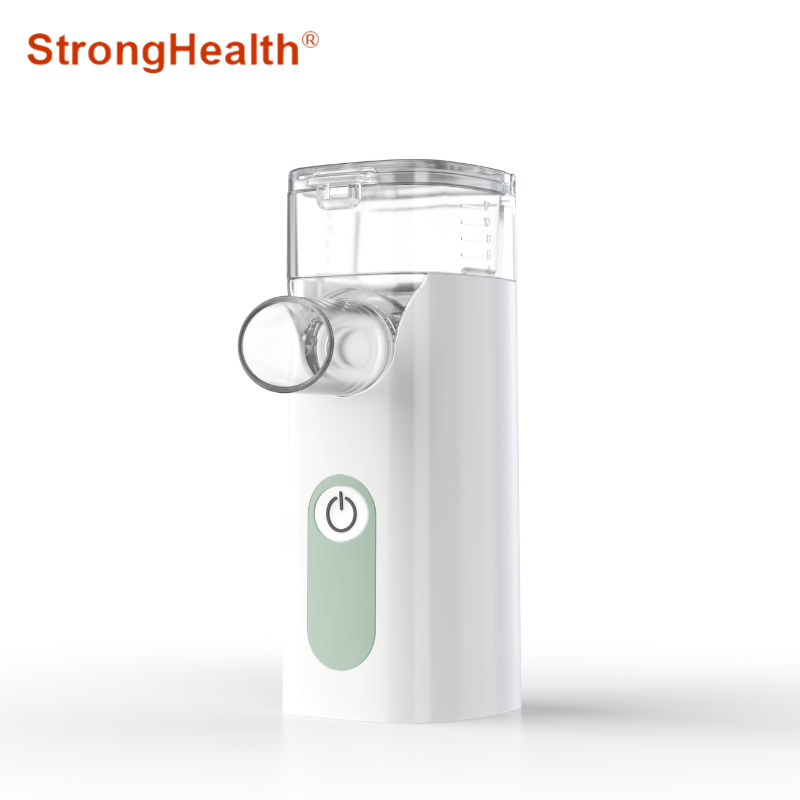
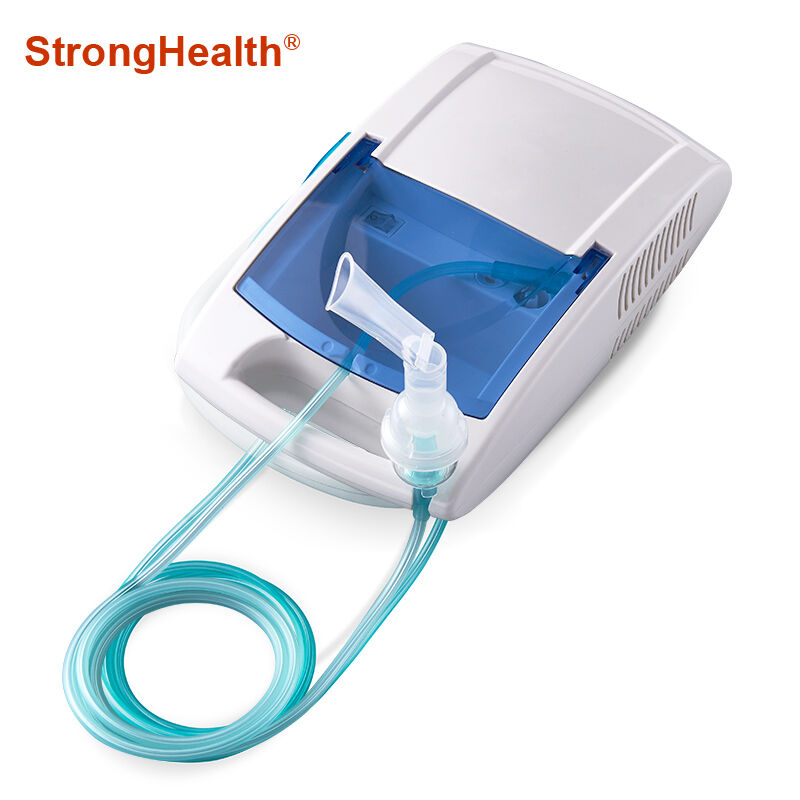
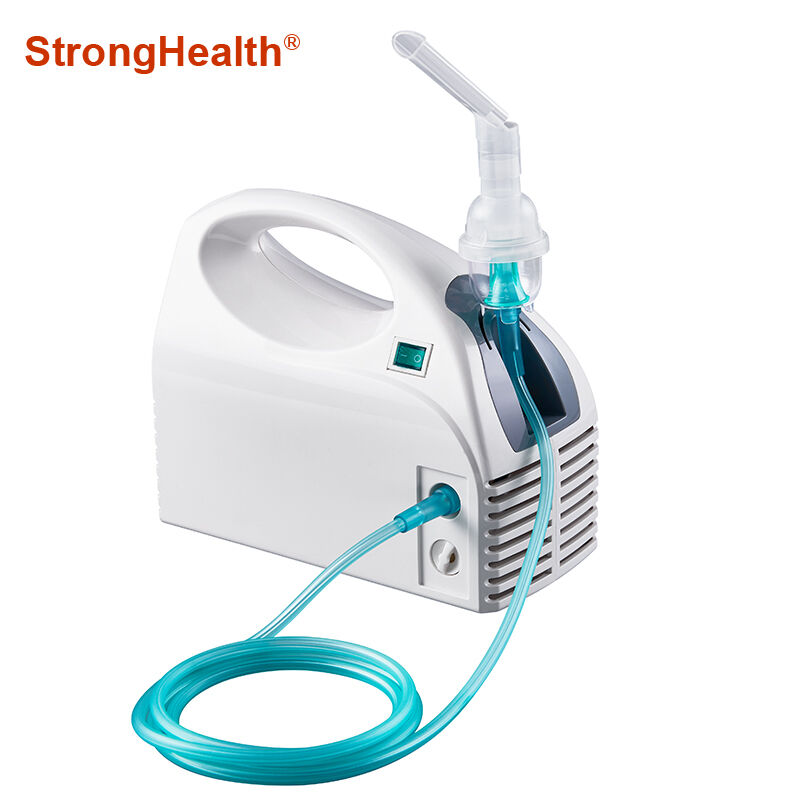
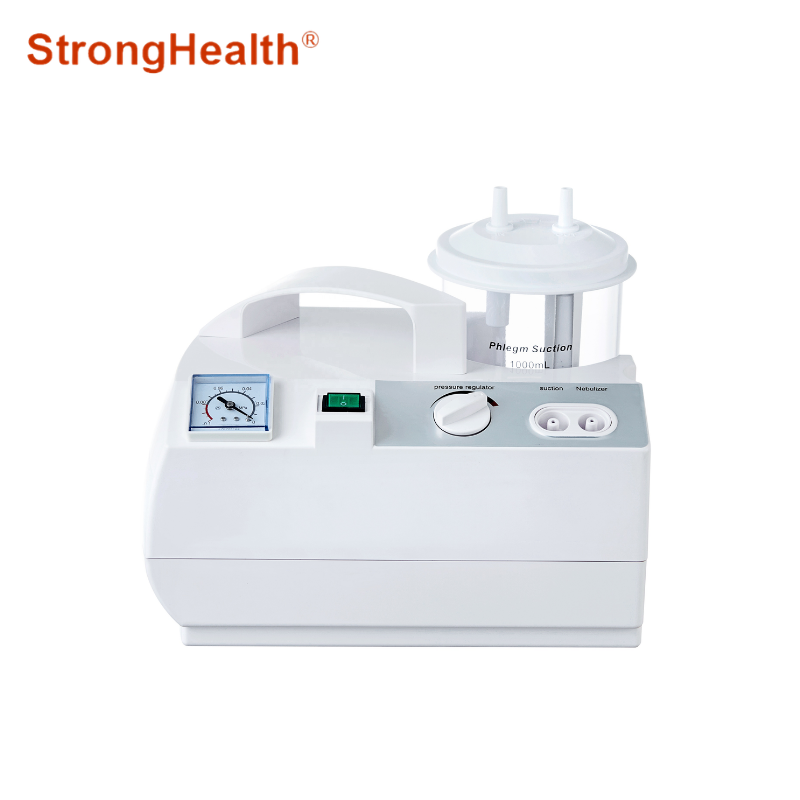
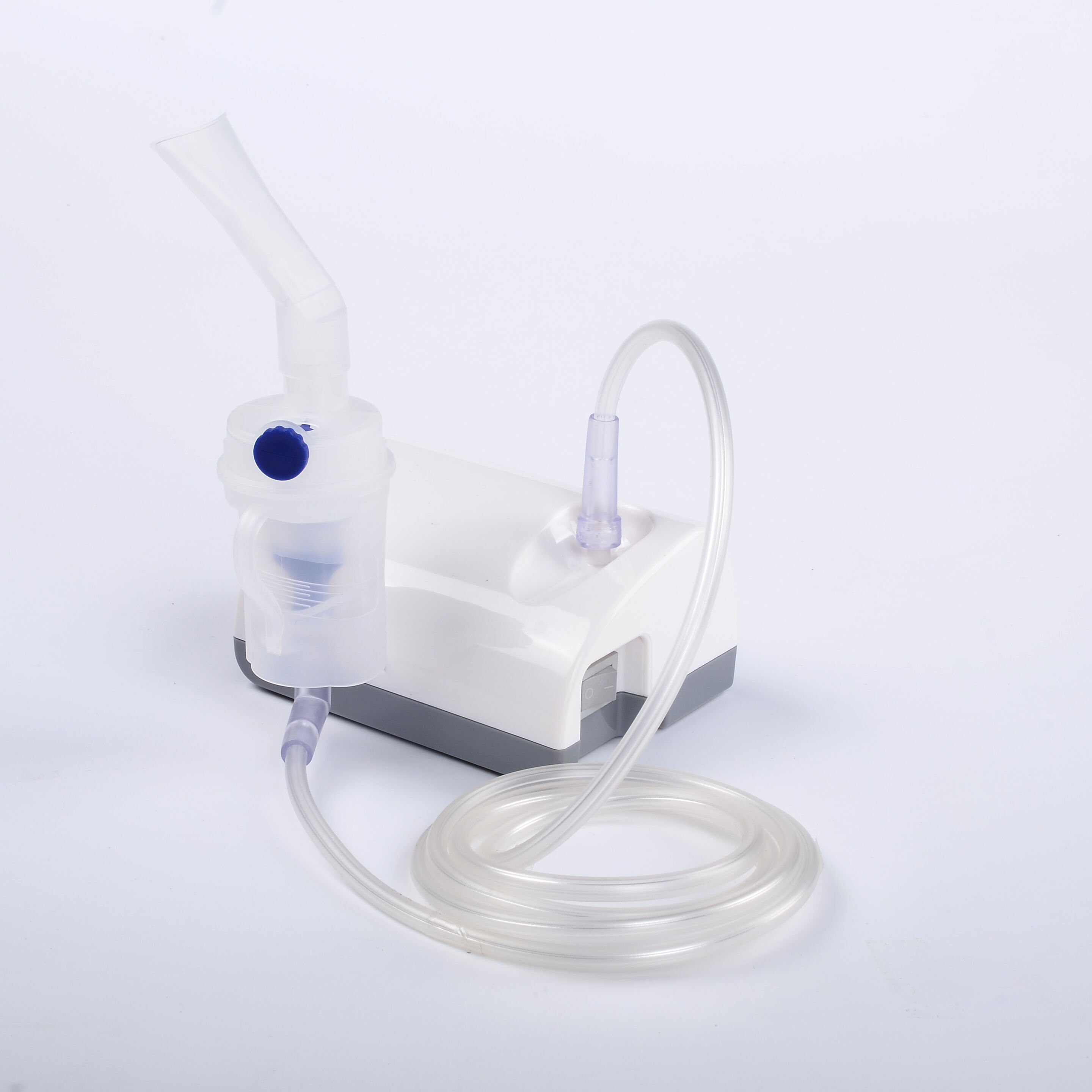
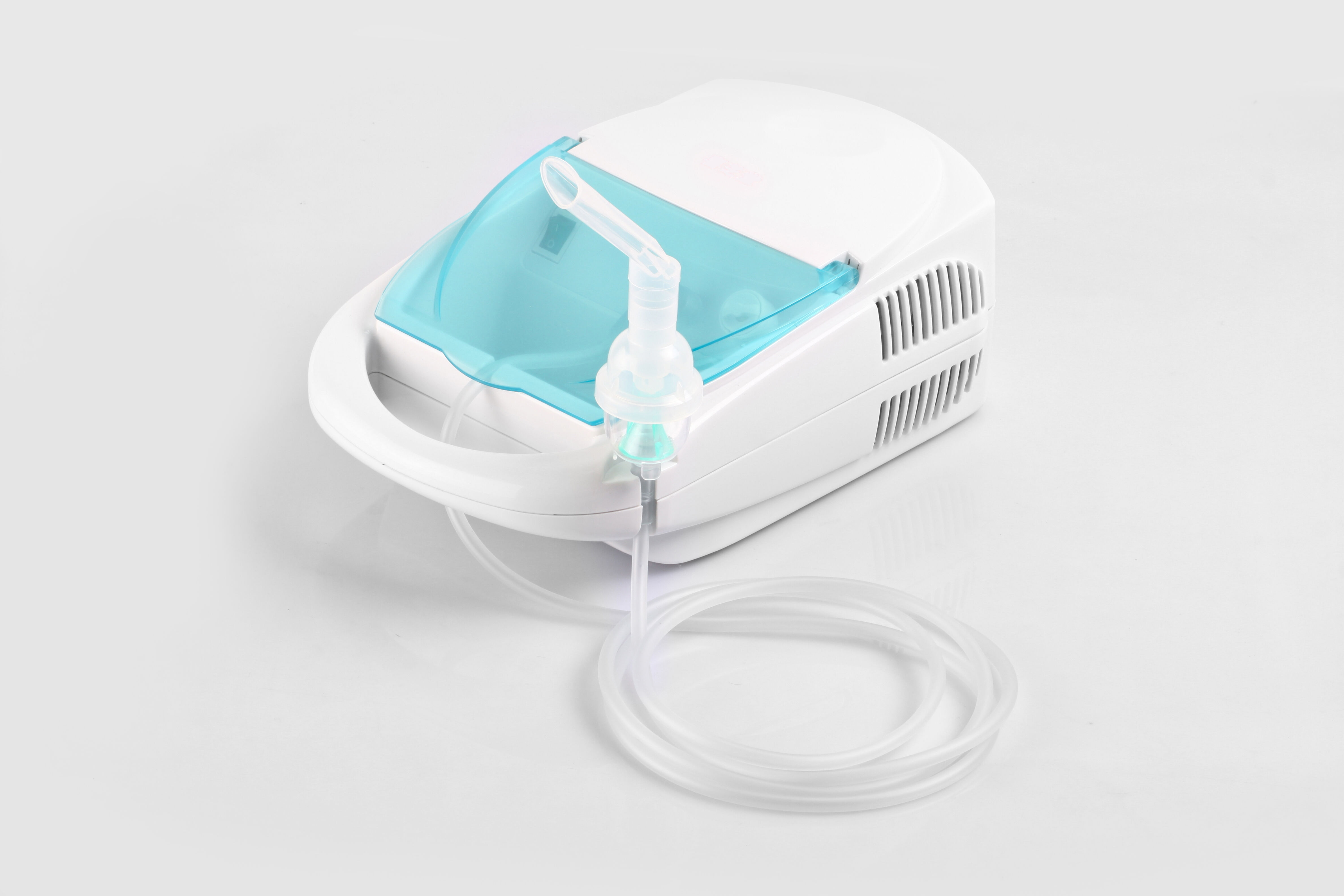
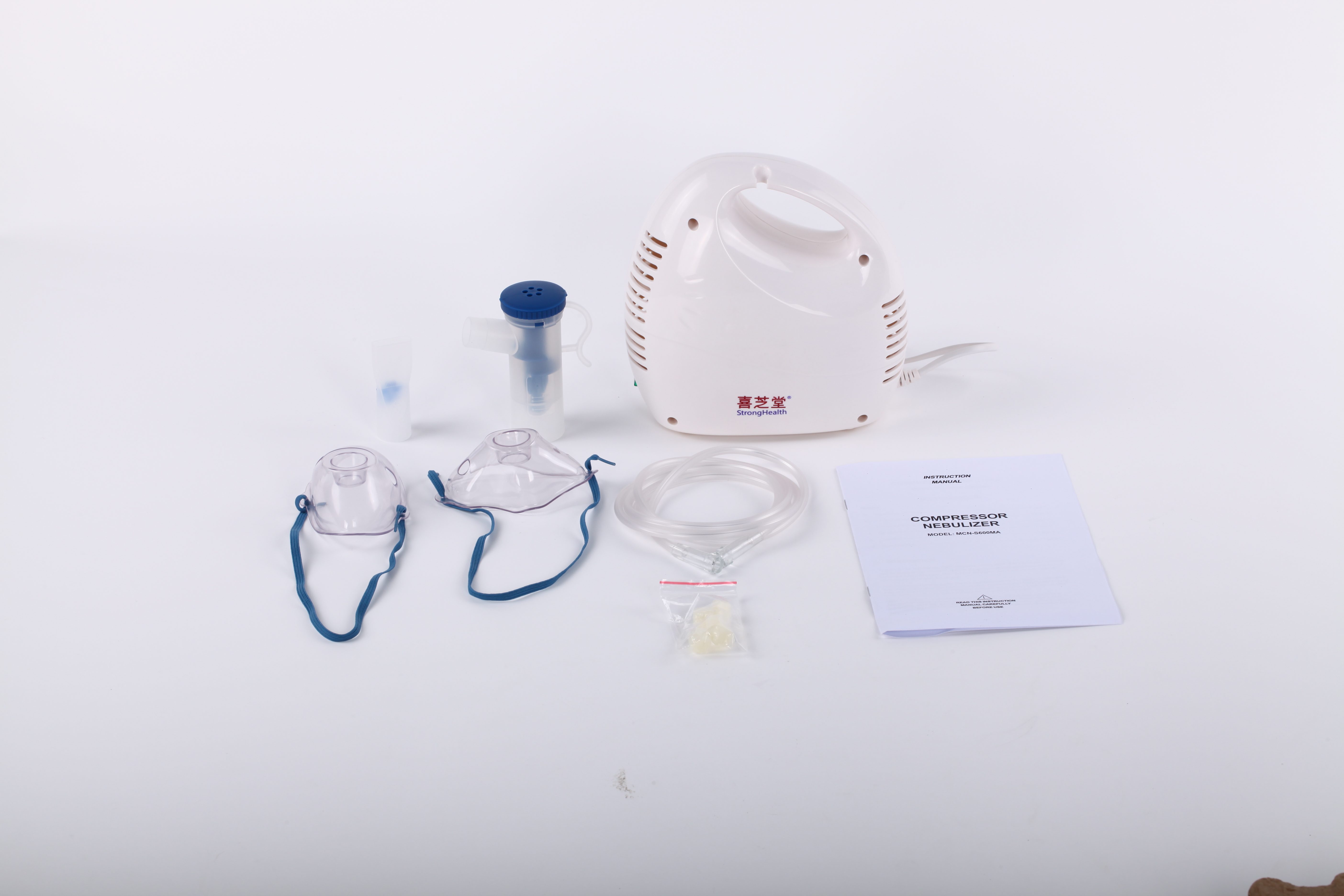
A nebulizer pipe kit represents a comprehensive respiratory therapy solution designed to deliver medication directly to the lungs through aerosol inhalation. This essential medical equipment consists of several interconnected components that work together to transform liquid medication into fine mist particles, making treatment more effective for patients with respiratory conditions. The nebulizer pipe kit typically includes a main unit housing, connecting tubing, medication chambers, masks or mouthpieces, and various adapters to ensure compatibility with different treatment protocols. The primary function of a nebulizer pipe kit involves converting liquid medications into breathable aerosol form, allowing patients to inhale therapeutic substances directly into their respiratory system. This delivery method proves particularly beneficial for treating asthma, chronic obstructive pulmonary disease, bronchitis, and other respiratory ailments where direct lung medication delivery is crucial. The technological features of modern nebulizer pipe kits incorporate advanced atomization mechanisms, including ultrasonic technology and compressor-driven systems, which ensure consistent particle size distribution for optimal medication absorption. These kits feature precision-engineered components that maintain sterile conditions during treatment, preventing contamination and ensuring patient safety. The applications of nebulizer pipe kits extend across multiple healthcare settings, from hospital environments to home-based therapy programs. Healthcare professionals rely on these systems in emergency departments, intensive care units, and respiratory therapy departments to provide immediate relief to patients experiencing breathing difficulties. Home healthcare has particularly benefited from portable nebulizer pipe kit designs, enabling patients to maintain their treatment schedules without frequent hospital visits. The versatility of these kits allows for customization based on individual patient needs, medication types, and treatment duration requirements, making them indispensable tools in modern respiratory care management.



 EN
EN