nebulizer tubing mouthpiece kit
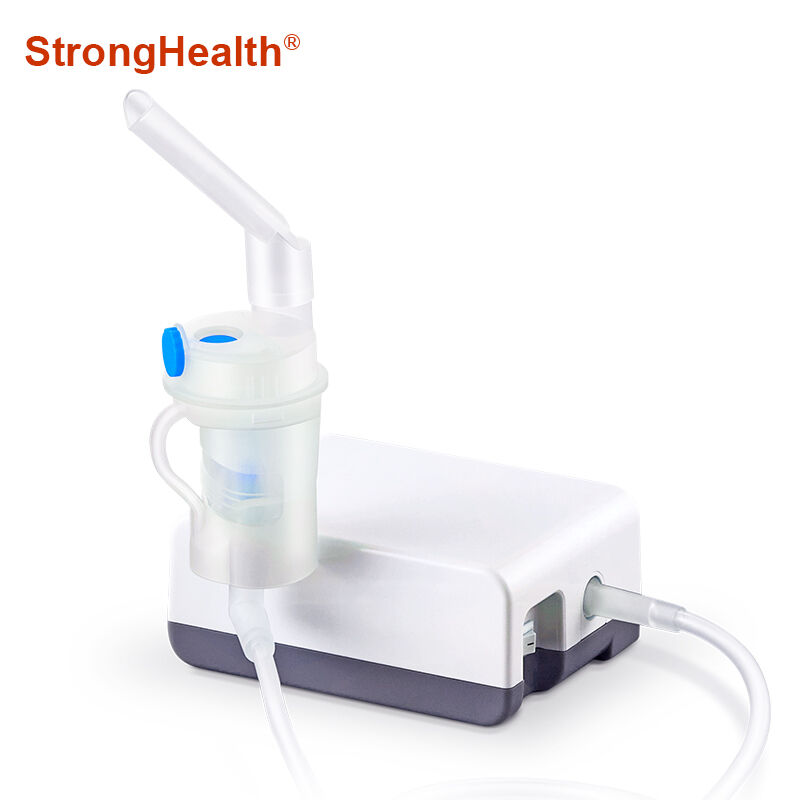
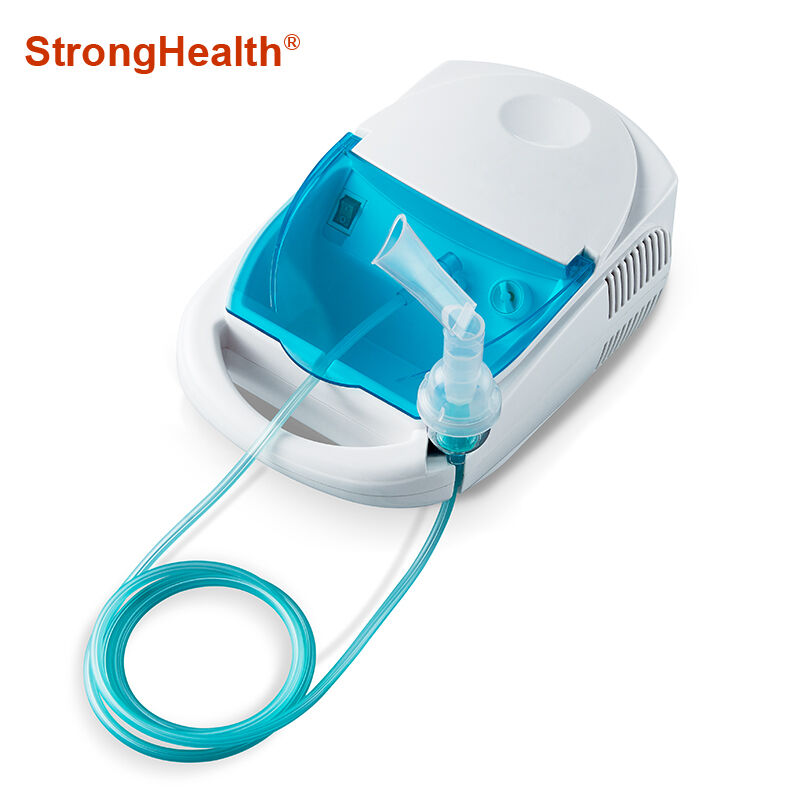
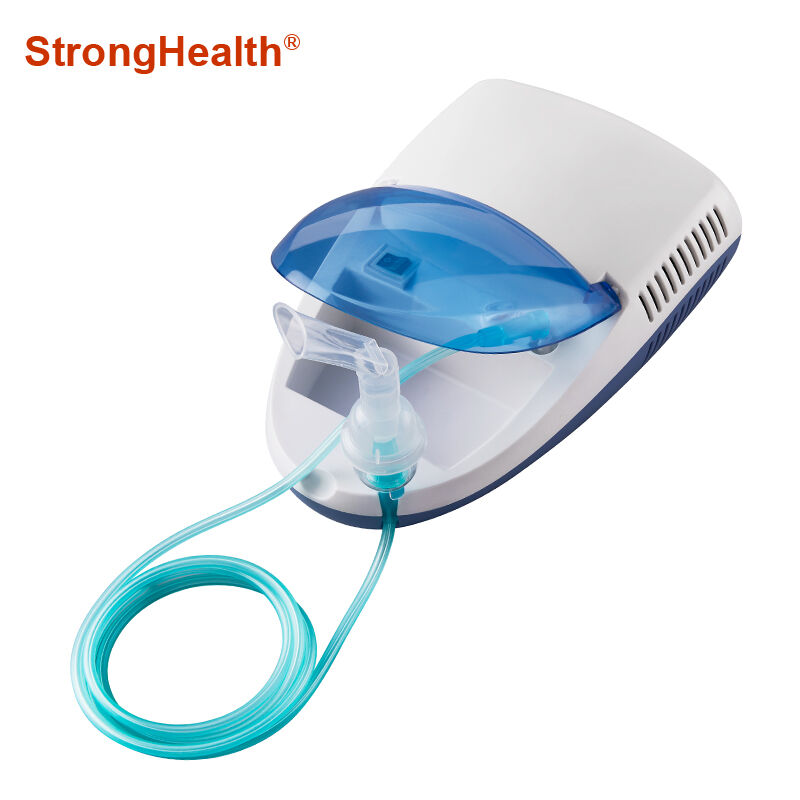
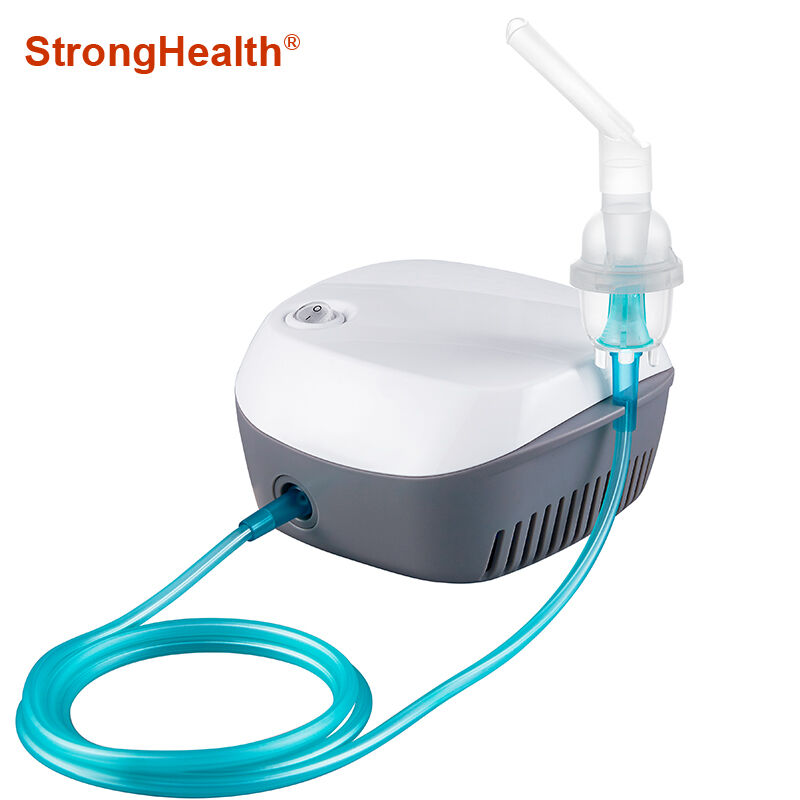
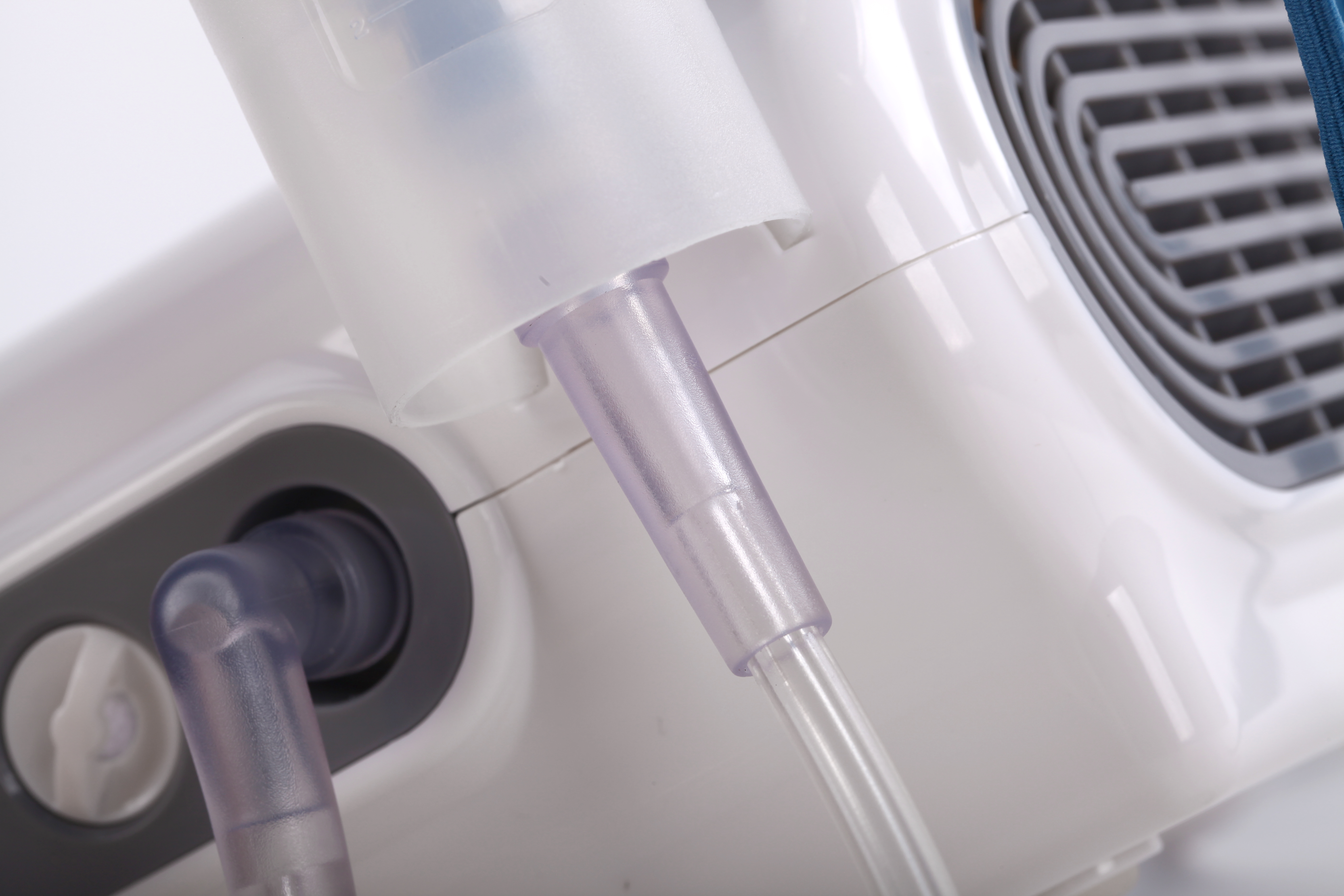
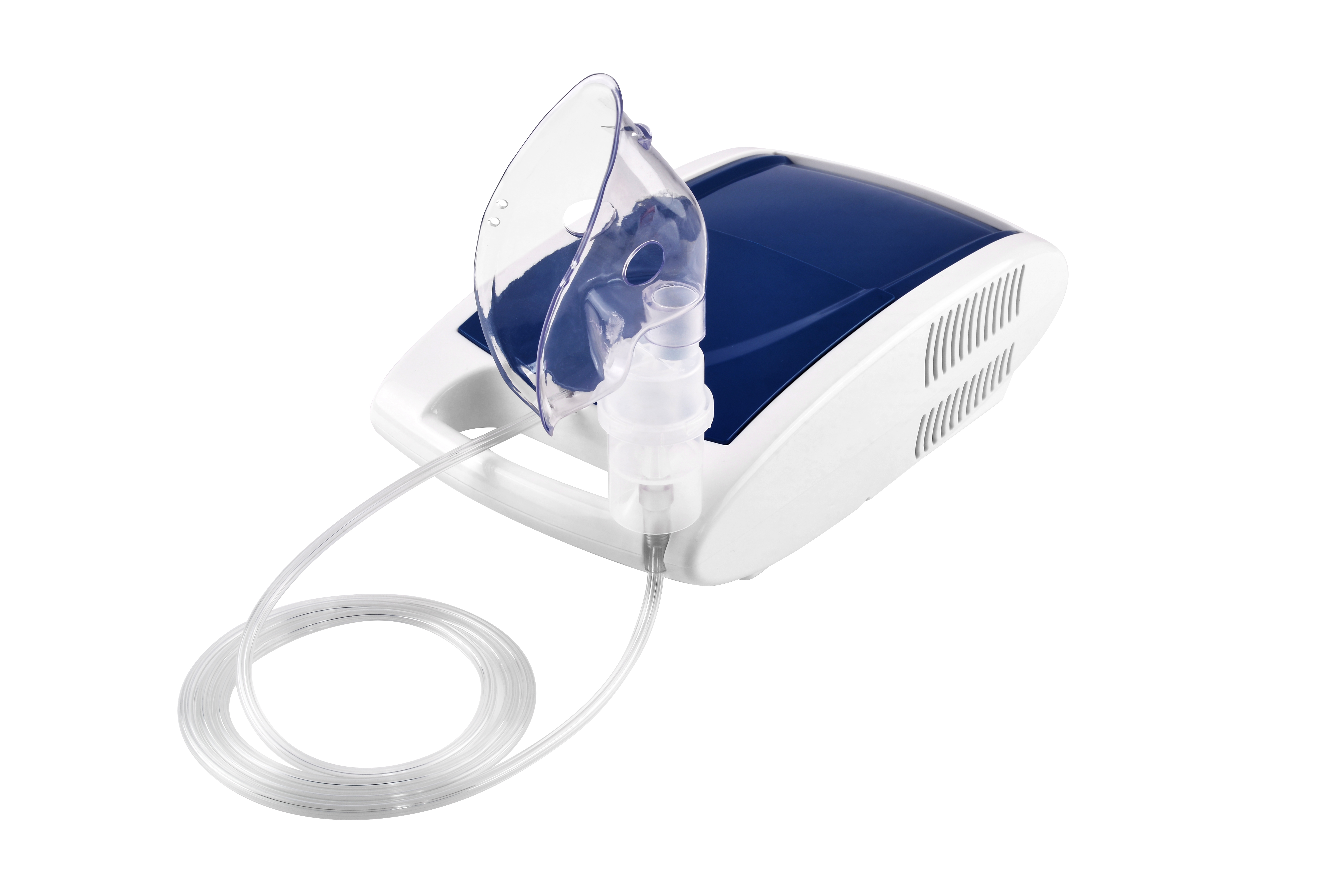
The nebulizer tubing mouthpiece kit represents an essential medical accessory designed to deliver respiratory medications effectively through inhalation therapy. This comprehensive system combines precision-engineered components that work together to convert liquid medications into fine aerosol particles, enabling direct delivery to the respiratory tract. The nebulizer tubing mouthpiece kit consists of several critical elements including medical-grade tubing, an ergonomically designed mouthpiece, connecting joints, and filtration components that ensure optimal medication delivery and patient safety. The primary function of this nebulizer tubing mouthpiece kit centers on facilitating efficient aerosol therapy for patients suffering from respiratory conditions such as asthma, chronic obstructive pulmonary disease, bronchitis, and other pulmonary disorders. The technological features incorporated into modern nebulizer tubing mouthpiece kit designs include anti-static materials that prevent particle adhesion, smooth interior surfaces that minimize medication waste, and standardized connections that ensure compatibility with various nebulizer models. The tubing typically measures between 6 to 8 feet in length, providing patients with adequate mobility during treatment sessions while maintaining consistent airflow and medication delivery. Applications for the nebulizer tubing mouthpiece kit extend across multiple healthcare settings including hospitals, clinics, home healthcare environments, and emergency medical situations. Healthcare professionals rely on these kits to administer bronchodilators, corticosteroids, antibiotics, and mucolytic agents directly to patients' airways. The mouthpiece component features bite-resistant materials and contoured designs that accommodate different age groups and mouth sizes, ensuring proper seal formation and preventing medication leakage. Advanced nebulizer tubing mouthpiece kit models incorporate enhanced safety features such as one-way valves that prevent contamination, transparent materials that allow visual inspection of medication flow, and color-coded components that facilitate proper assembly and reduce user errors during critical treatment procedures.

 EN
EN