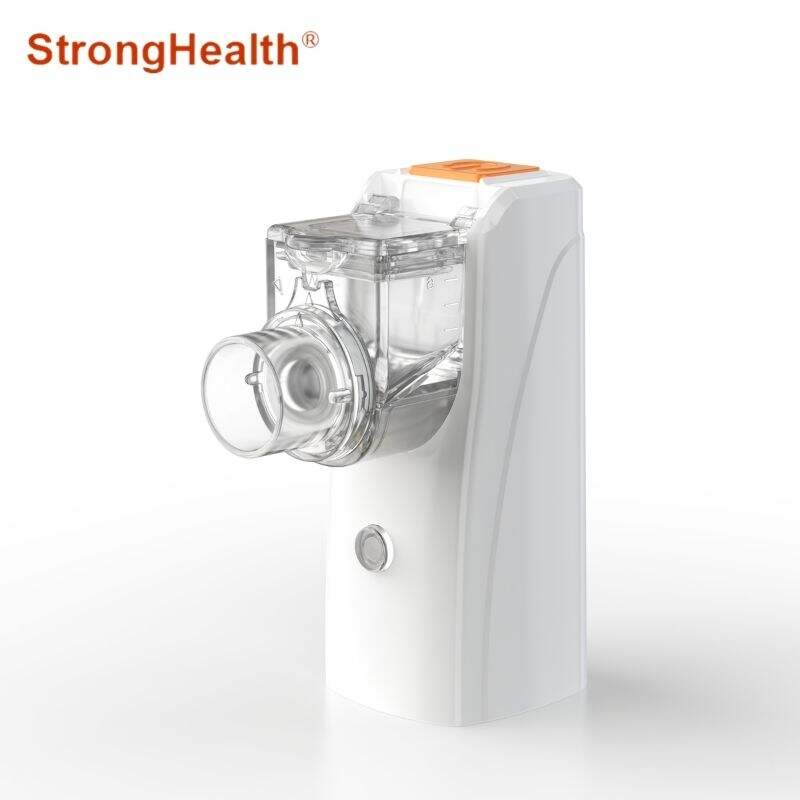
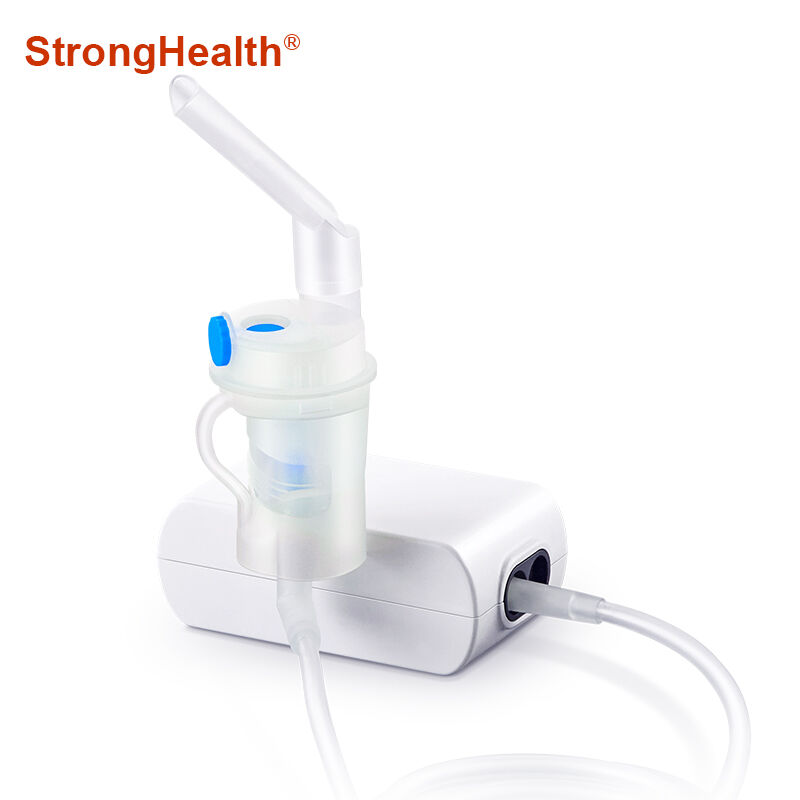
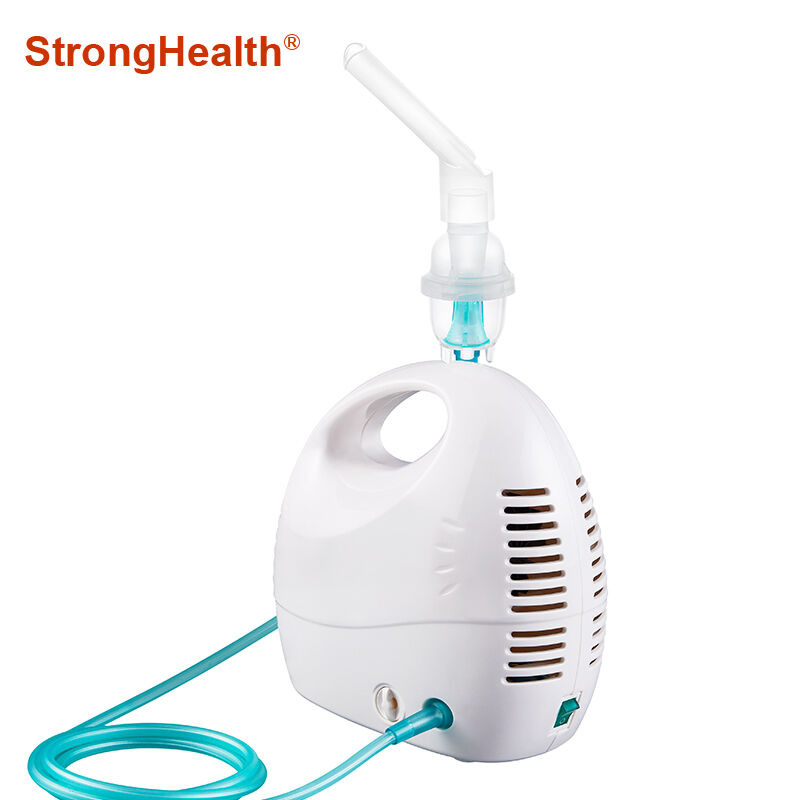
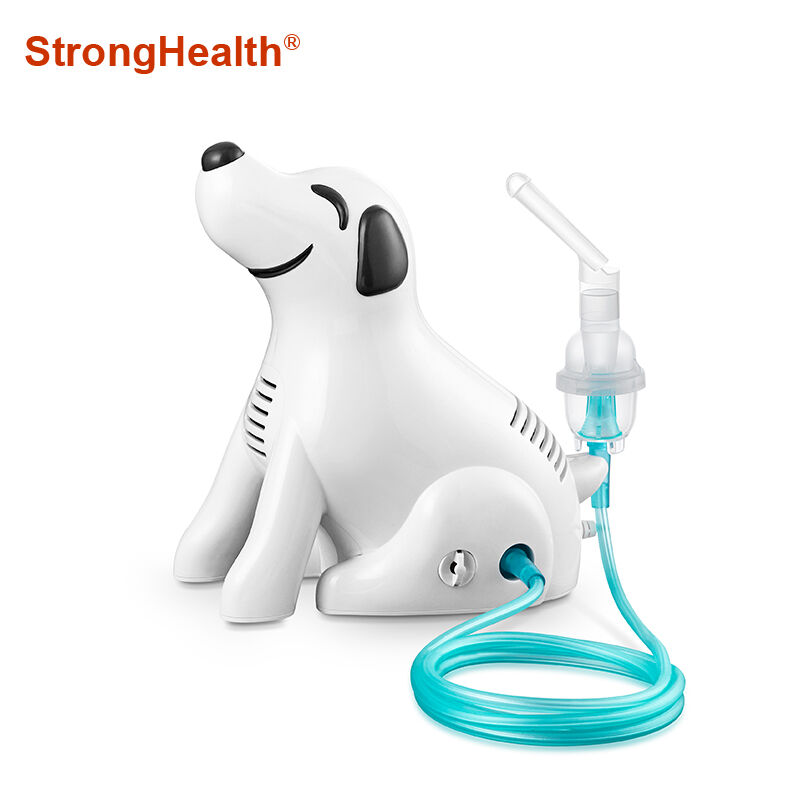
tubing and mouthpiece for nebulizer
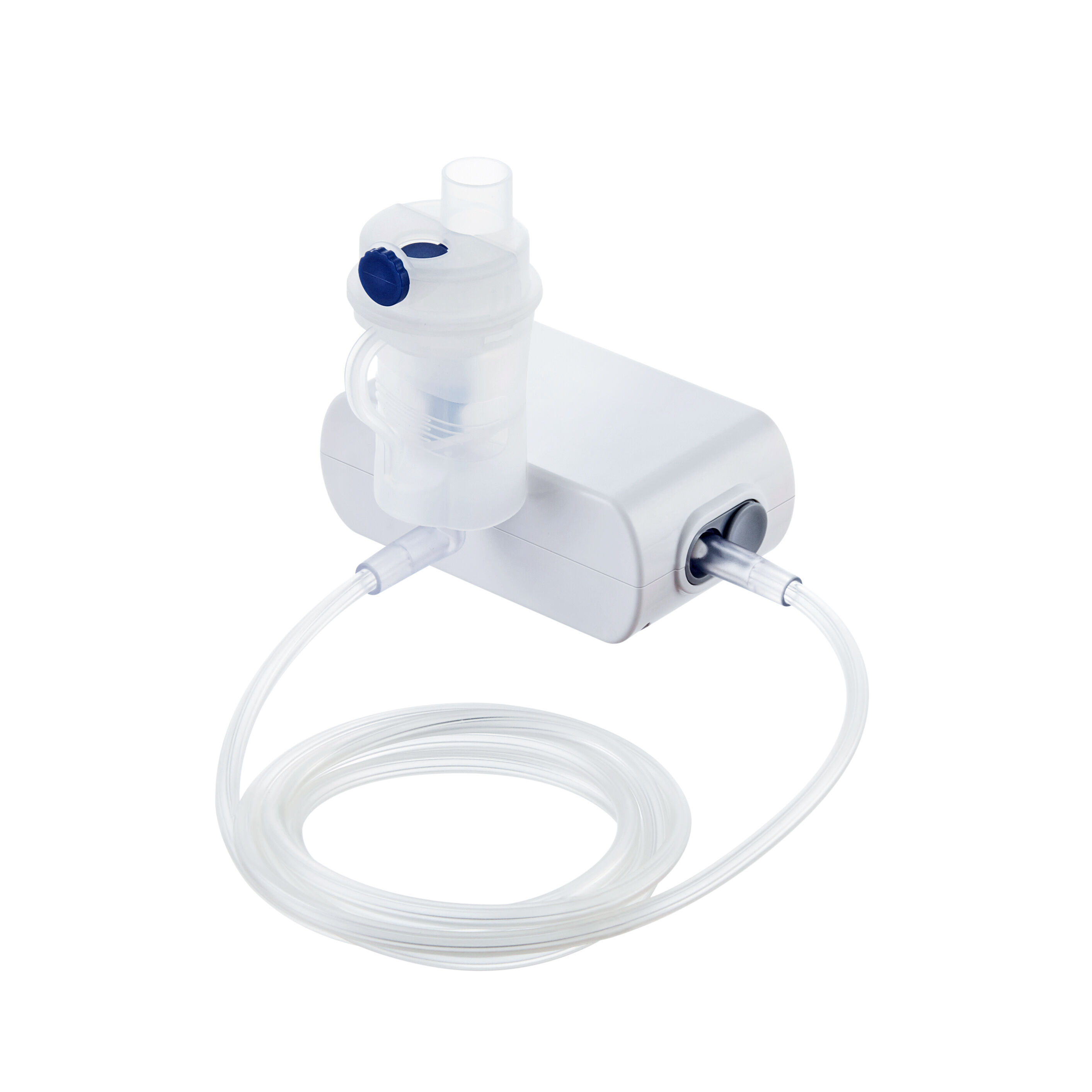
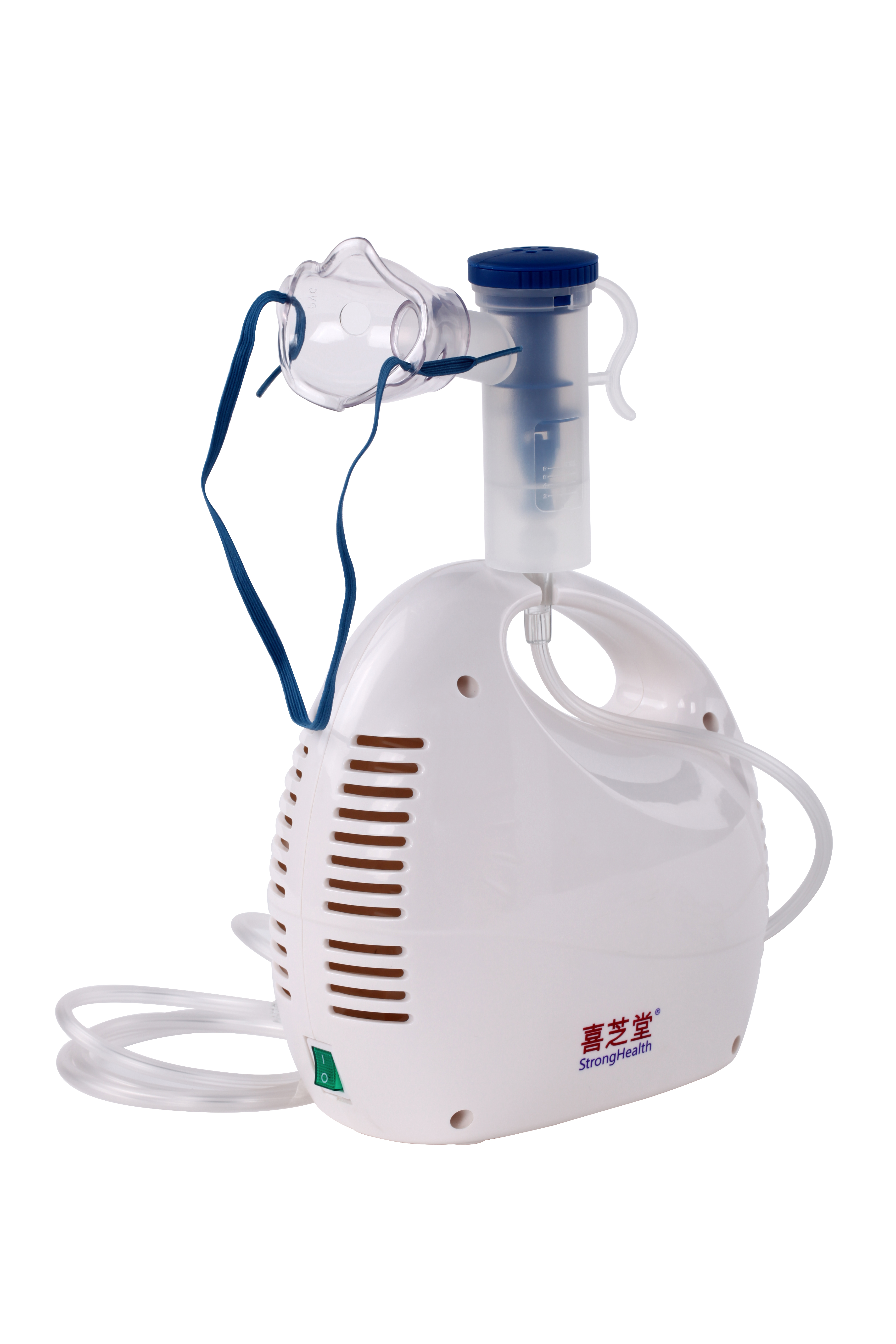
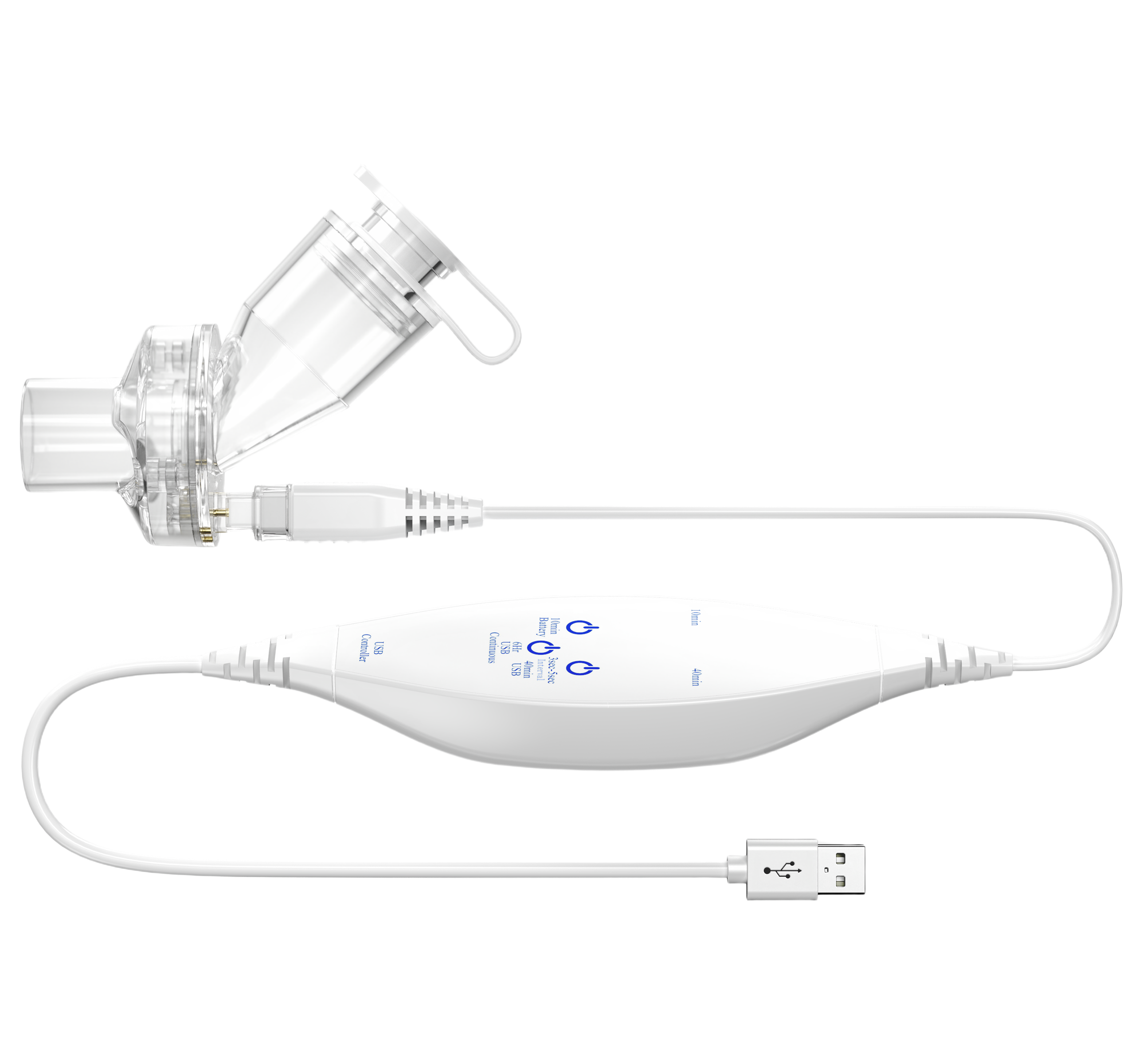
The tubing and mouthpiece for nebulizer represent critical components in respiratory therapy equipment, serving as the essential delivery system that transforms liquid medications into breathable aerosol particles. These specialized components work in conjunction with nebulizer machines to provide effective treatment for various respiratory conditions including asthma, COPD, and other pulmonary disorders. The tubing and mouthpiece for nebulizer consists of flexible, medical-grade tubing that connects the nebulizer chamber to the patient interface, typically made from durable, non-toxic materials that ensure safe medication delivery. The mouthpiece component features ergonomic design principles that promote comfortable positioning during treatment sessions, while maintaining proper seal integrity for optimal medication absorption. Modern tubing and mouthpiece for nebulizer systems incorporate advanced filtration technologies and bacterial filters to prevent contamination and ensure sterile medication delivery. The technological features include standardized connections that provide universal compatibility with most nebulizer brands and models, ensuring versatility across different healthcare settings. These components utilize specialized materials that resist medication residue buildup and maintain flexibility even after extended use. The tubing incorporates optimal diameter measurements that balance airflow efficiency with medication particle preservation, ensuring maximum therapeutic effectiveness. Applications of tubing and mouthpiece for nebulizer span across home healthcare environments, clinical settings, hospitals, and emergency medical services. Healthcare professionals rely on these components for delivering bronchodilators, corticosteroids, antibiotics, and other aerosolized medications directly to patients' respiratory systems. The versatility of tubing and mouthpiece for nebulizer makes them suitable for pediatric and adult patients, with specialized designs available for different age groups and treatment requirements. Regular replacement schedules ensure hygiene standards and optimal performance throughout extended treatment protocols.

 EN
EN