nebulizer attachments
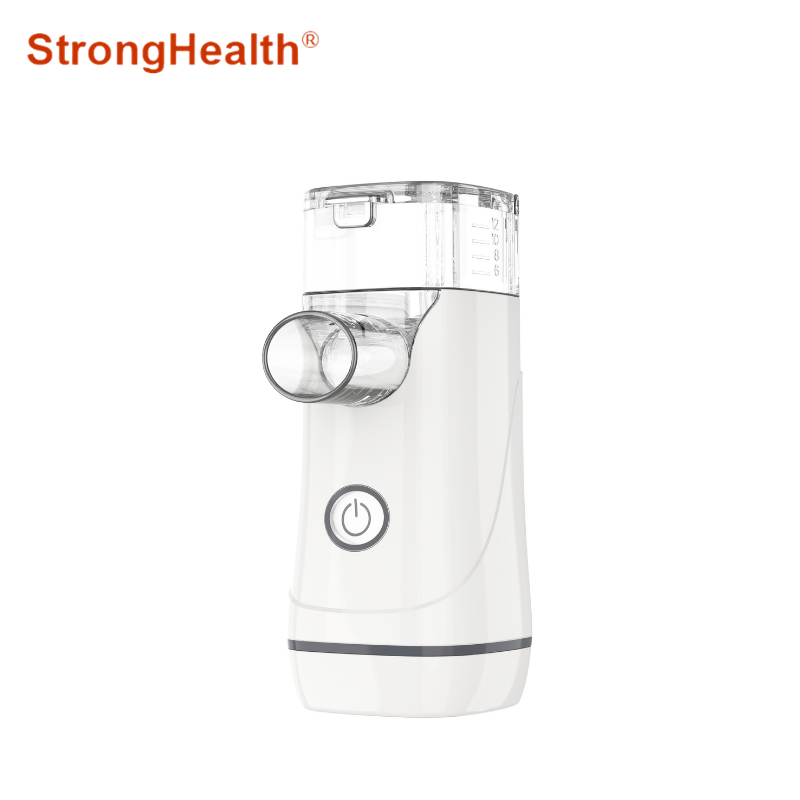
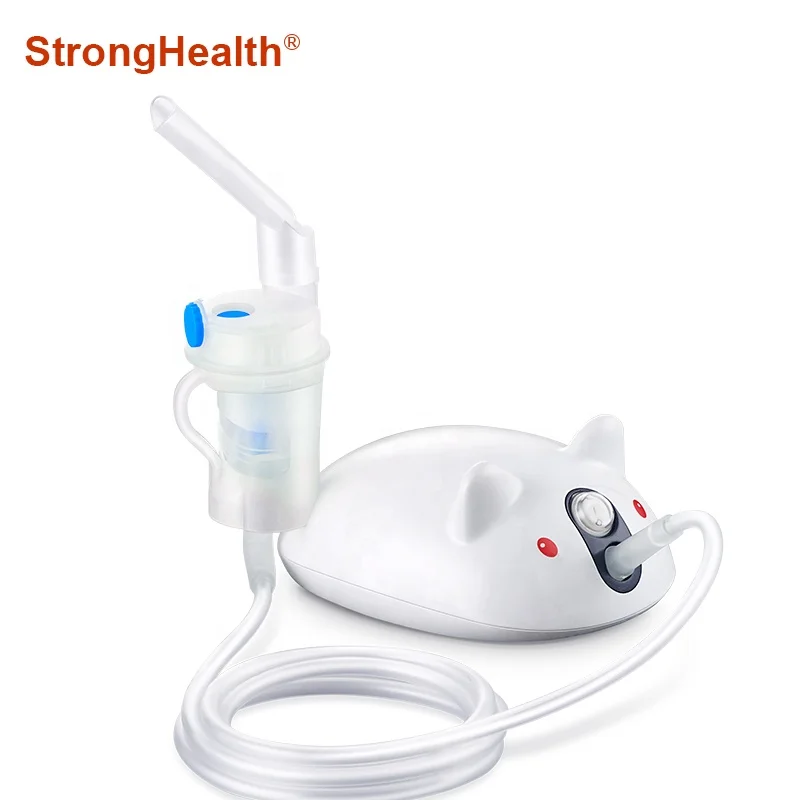
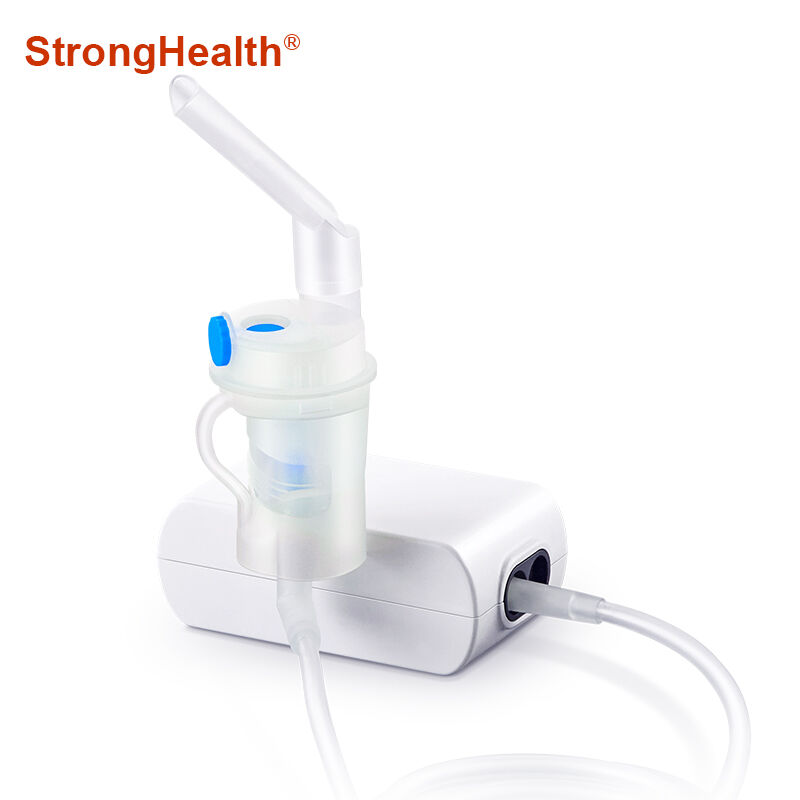
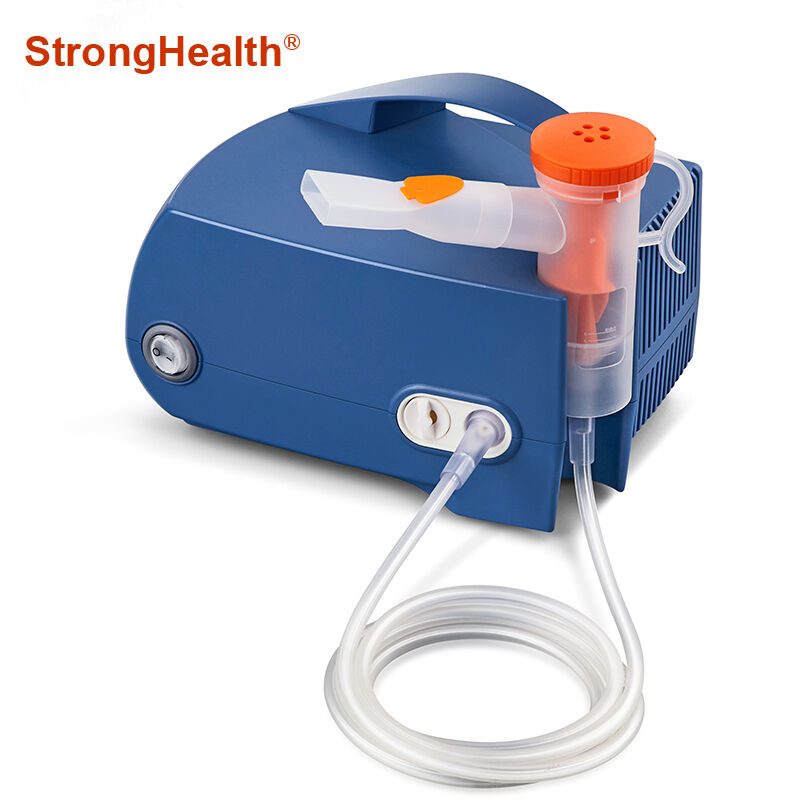
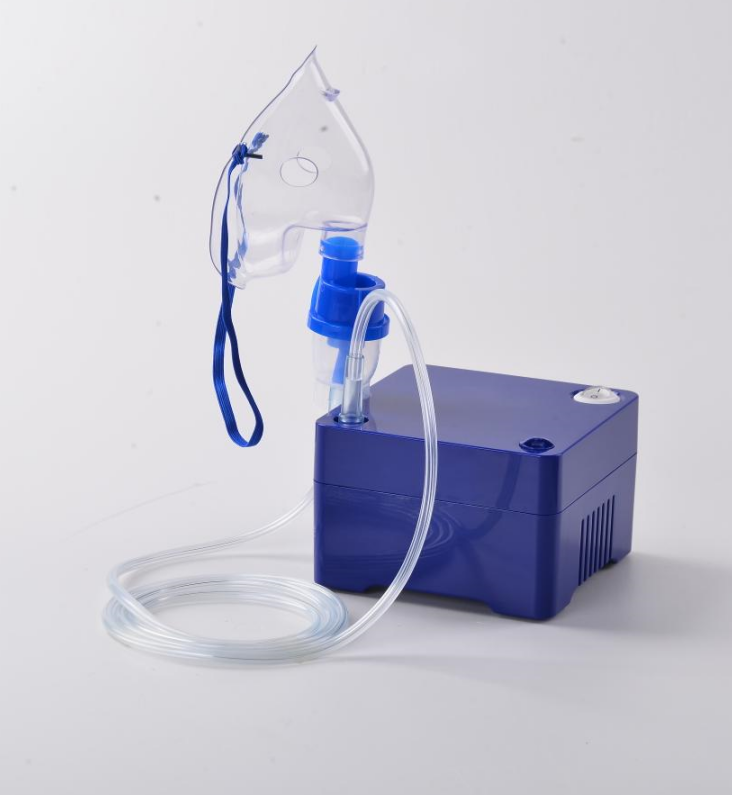
Nebulizer attachments represent essential components that enhance the functionality and effectiveness of medical respiratory devices used in healthcare facilities, home care settings, and clinical environments. These specialized accessories work seamlessly with nebulizer systems to deliver aerosolized medications directly to patients' respiratory systems, ensuring optimal therapeutic outcomes. The primary function of nebulizer attachments centers on converting liquid medications into fine mist particles that patients can easily inhale, making treatment more efficient and comfortable. Modern nebulizer attachments incorporate advanced engineering designs that maximize medication delivery while minimizing waste, creating a superior therapeutic experience. The technological features of contemporary nebulizer attachments include precision-engineered components manufactured from medical-grade materials that ensure durability and safety. These attachments utilize sophisticated aerosol generation mechanisms that create consistent particle sizes, typically ranging from 1 to 5 microns, which represents the optimal size for deep lung penetration. Advanced nebulizer attachments feature enhanced filtration systems that prevent contamination while maintaining sterile conditions throughout the treatment process. The modular design of these attachments allows for easy assembly and disassembly, facilitating thorough cleaning and maintenance procedures. Applications for nebulizer attachments span across multiple medical specialties including pulmonology, emergency medicine, intensive care, and home healthcare services. Hospitals utilize these attachments for treating patients with respiratory conditions such as asthma, chronic obstructive pulmonary disease, and pneumonia. Home healthcare providers depend on reliable nebulizer attachments to ensure patients receive consistent medication delivery in residential settings. Pediatric applications require specialized attachments designed for younger patients, featuring child-friendly interfaces and appropriate dosing capabilities that accommodate smaller respiratory systems and different breathing patterns.

 EN
EN