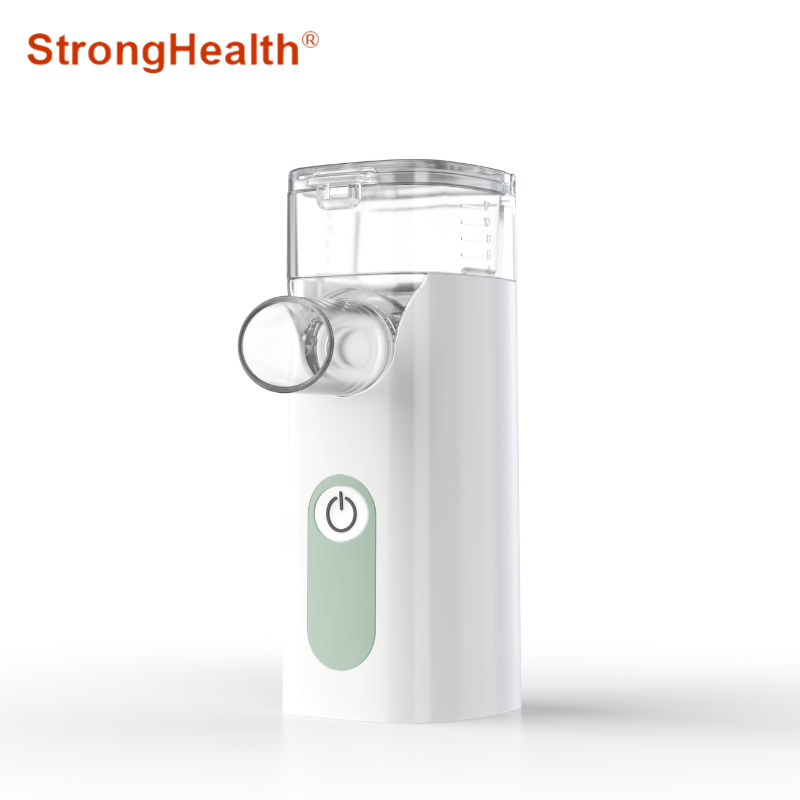
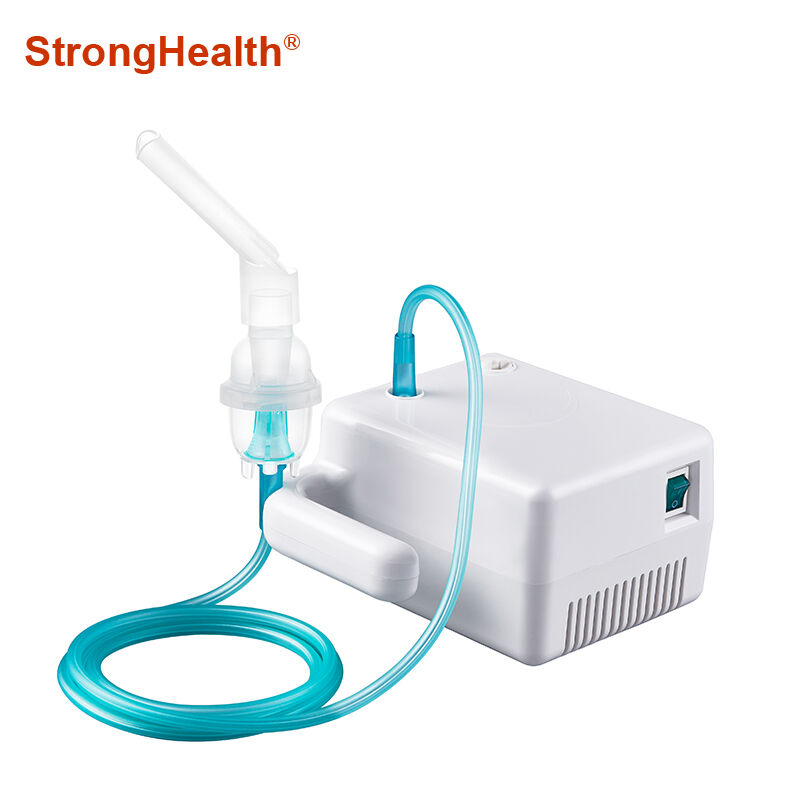
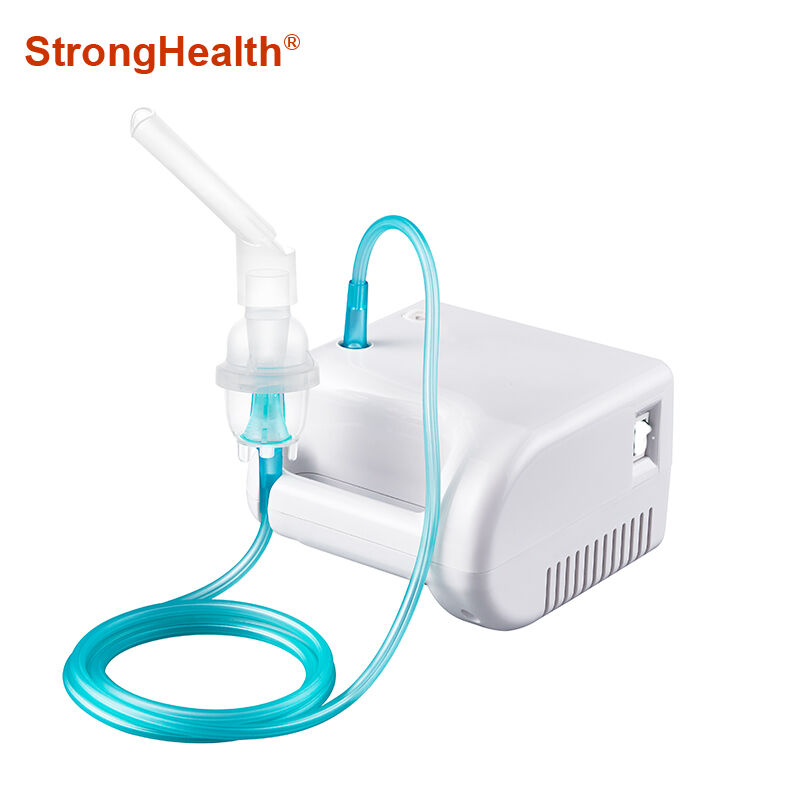
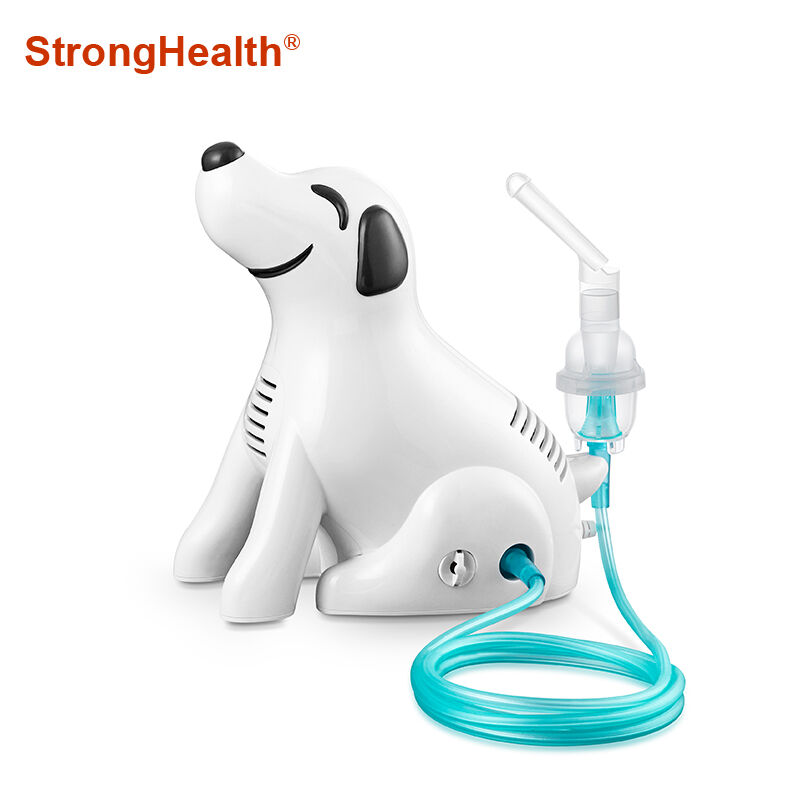
ultrasonic nebulizer for hospital use
The ultrasonic nebulizer for hospital use represents a cutting-edge medical device that transforms liquid medications into fine aerosol particles through high-frequency ultrasonic vibrations. This sophisticated technology operates by utilizing piezoelectric transducers that generate ultrasonic waves at frequencies typically ranging from 1 to 3 MHz, creating microscopic droplets with consistent particle sizes ideal for respiratory therapy. The primary function of this ultrasonic nebulizer for hospital use centers on delivering medications directly to the respiratory system, ensuring optimal drug absorption and therapeutic effectiveness. Healthcare facilities increasingly rely on these devices for treating patients with respiratory conditions such as asthma, chronic obstructive pulmonary disease, and pneumonia. The technological framework of the ultrasonic nebulizer for hospital use incorporates advanced microprocessor controls that enable precise medication dosing and consistent particle generation. These units feature adjustable output controls, allowing medical professionals to customize treatment parameters based on individual patient requirements. The nebulization chamber design maximizes medication utilization while minimizing waste, making treatments both economical and efficient. Modern ultrasonic nebulizers for hospital use integrate seamlessly with existing hospital infrastructure through standard electrical connections and compatible medication reservoirs. The applications extend beyond basic respiratory therapy to include specialized treatments involving antibiotics, bronchodilators, and mucolytics. Many units accommodate both continuous and intermittent therapy modes, providing flexibility for various treatment protocols. The robust construction ensures reliable performance in demanding hospital environments, while user-friendly interfaces simplify operation for healthcare staff across different skill levels. Quality ultrasonic nebulizers for hospital use comply with stringent medical device regulations and safety standards, ensuring patient safety and treatment efficacy throughout extended operational periods.




 EN
EN