vibrating orifice aerosol generator
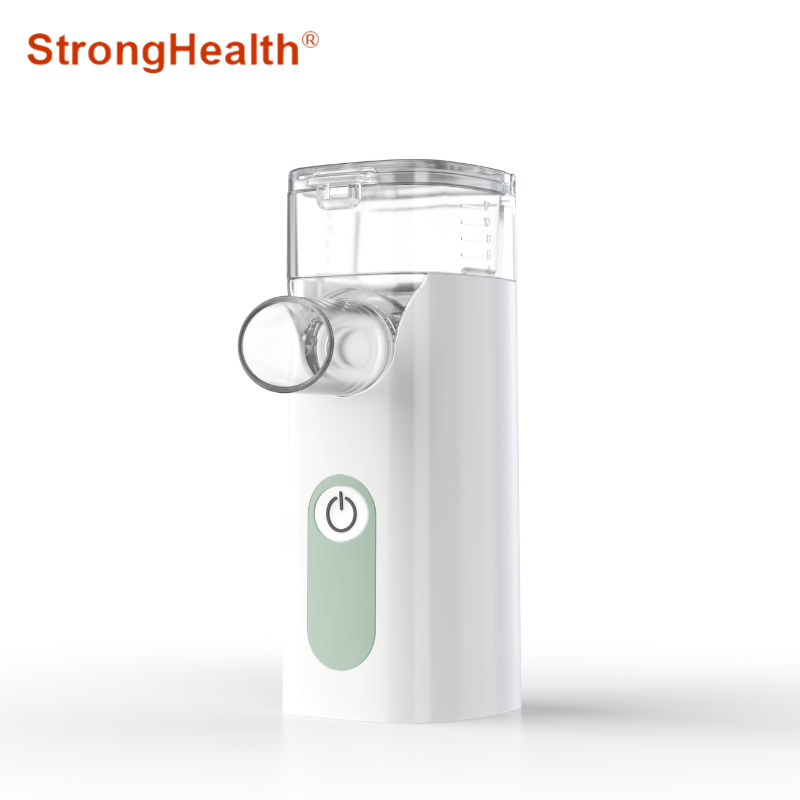
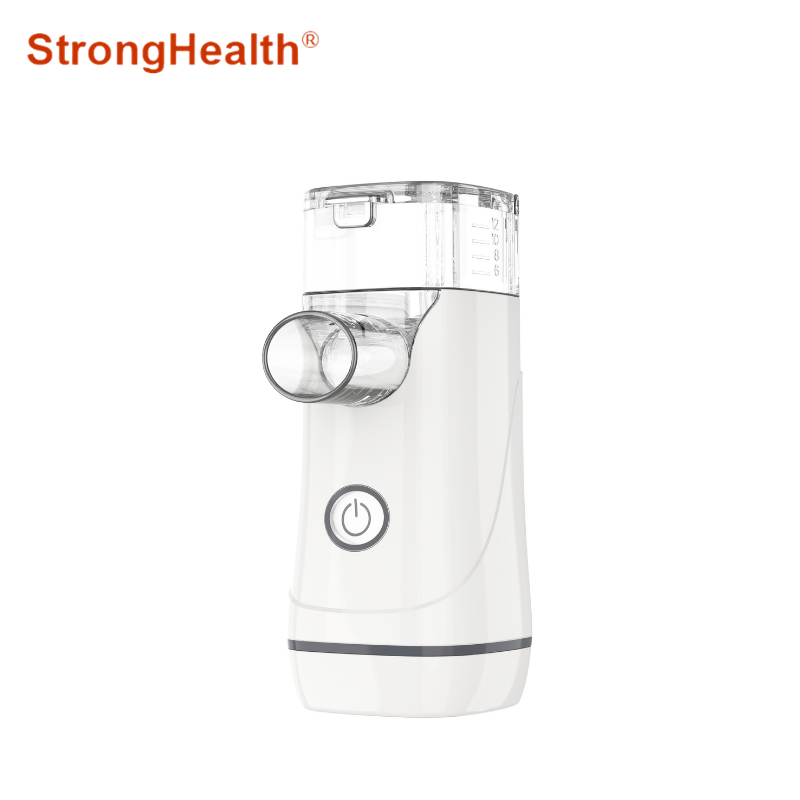
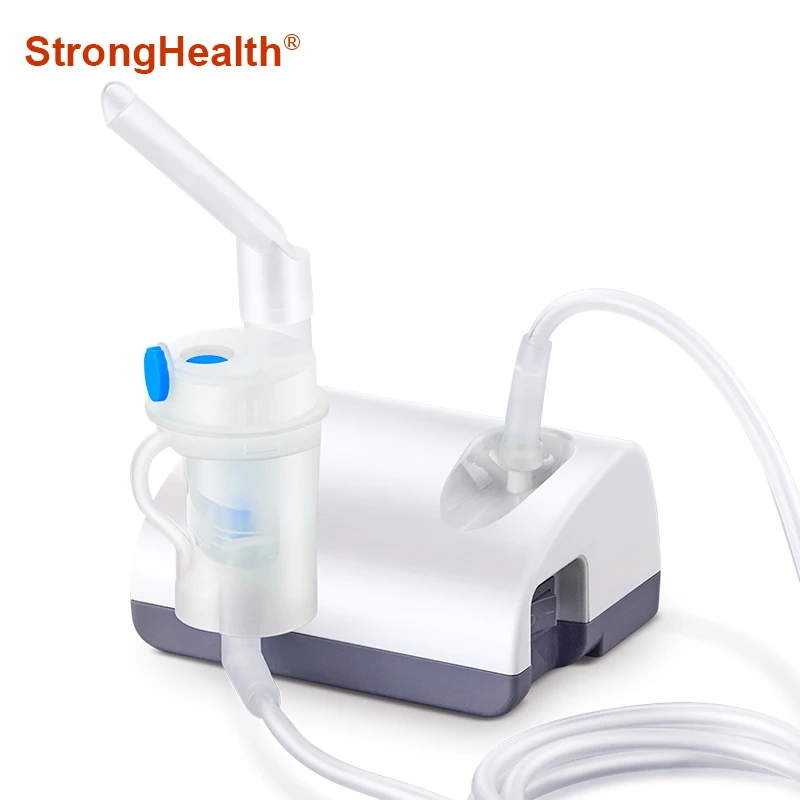
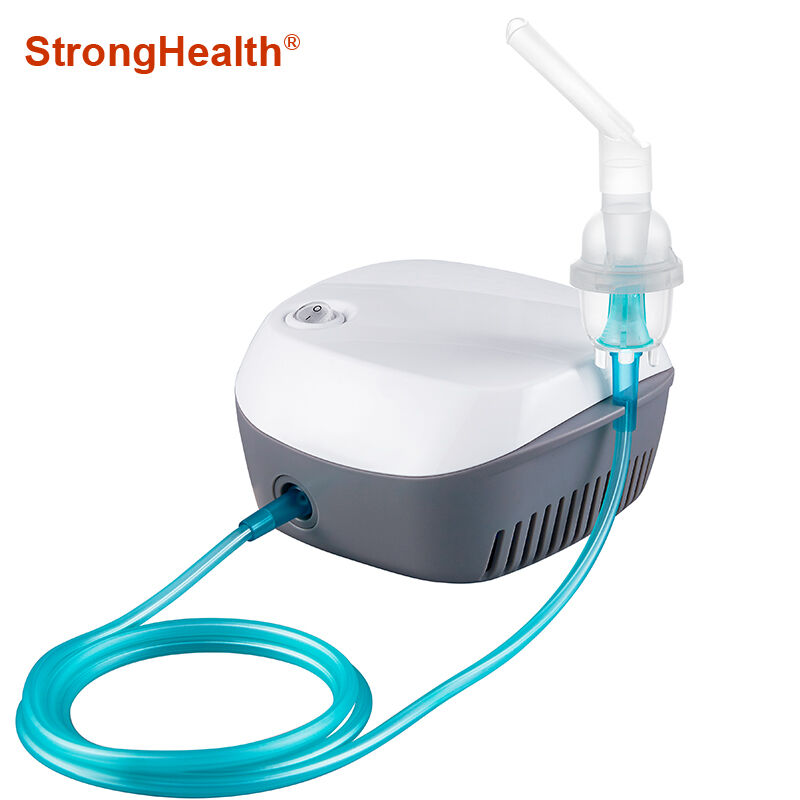
The vibrating orifice aerosol generator represents a sophisticated technological solution designed to produce highly controlled aerosol particles through precision engineering and advanced mechanical systems. This innovative device operates by utilizing a vibrating orifice mechanism that creates uniform droplets from liquid substances, making it an essential tool for various scientific, medical, and industrial applications. The fundamental principle behind this vibrating orifice aerosol generator involves the controlled disruption of liquid flow through mechanical vibrations, which results in the formation of consistent particle sizes and distributions. The technology incorporates piezoelectric transducers or electromagnetic actuators that generate precise vibrations at specific frequencies, typically ranging from several hundred to several thousand hertz. These vibrations are transmitted to a carefully engineered orifice plate, which features precisely machined holes of predetermined diameters. When liquid passes through these vibrating openings, it breaks up into uniform droplets due to the Rayleigh instability phenomenon, creating aerosols with exceptional consistency and repeatability. The vibrating orifice aerosol generator offers remarkable versatility in particle size control, allowing operators to adjust parameters such as vibration frequency, liquid flow rate, and orifice dimensions to achieve desired aerosol characteristics. This level of control makes the device particularly valuable for calibration purposes, research applications, and quality control procedures where precise particle size distributions are critical. The technological features include digital control systems, real-time monitoring capabilities, and automated feedback mechanisms that ensure optimal performance throughout operation. Many modern vibrating orifice aerosol generator units incorporate user-friendly interfaces with programmable settings, data logging functions, and safety interlocks to protect both operators and equipment. The applications span across numerous fields including pharmaceutical research, environmental monitoring, respiratory therapy, coating processes, and aerosol science studies, where consistent particle generation is paramount for accurate results and reliable outcomes.


 EN
EN