
 EN
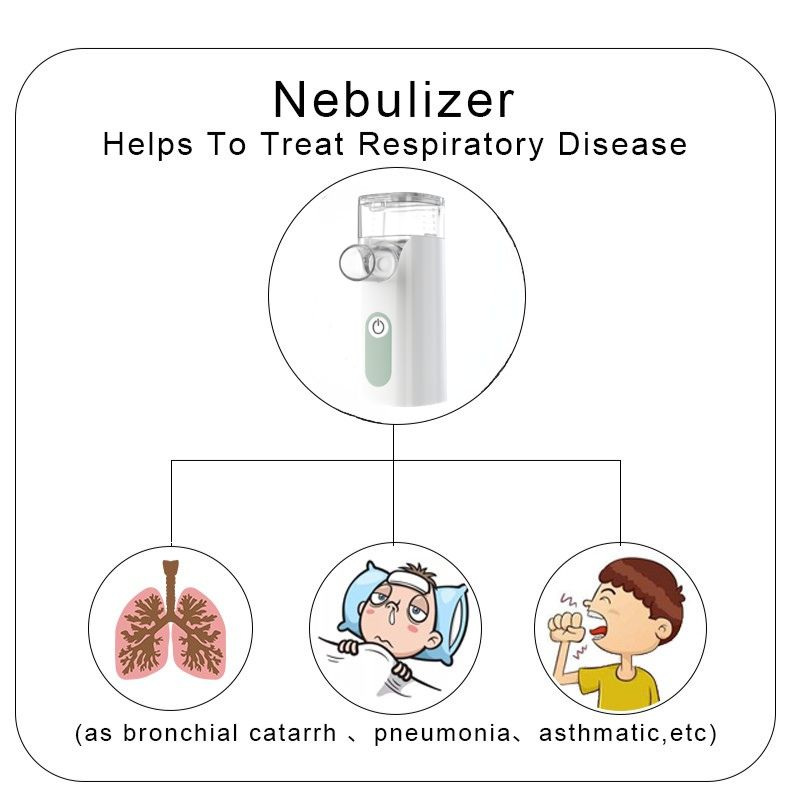
Seasonal allergies affect millions of people worldwide, causing sneezing, nasal congestion, and persistent discomfort during pollen season. While antihistamines and decongestants offer temporary relief, many people seek a more natural and sustainable solution. A nasal irrigator has emerged as one of the most effective non-pharmaceutical approaches to managing seasonal allergies, offering immediate symptom relief and long-term improvement in nasal health. By understanding how a nasal irrigator works and its benefits, you can take control of your allergy symptoms and enjoy outdoor activities again without constant medication dependence.
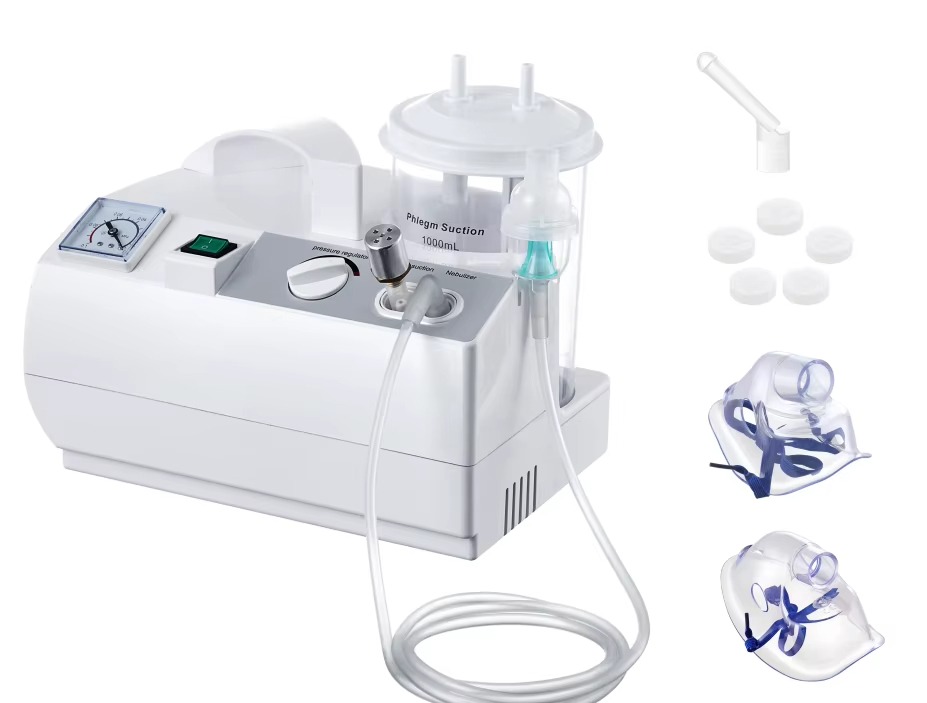
The science behind a nasal irrigator is straightforward yet powerful. When you use a nasal irrigator during allergy season, the saline solution washes away pollen, dust mites, and other allergens that accumulate in your nasal passages. This physical removal addresses the root cause of congestion and irritation rather than merely suppressing symptoms. A nasal irrigator also reduces inflammation in the nasal lining and helps clear mucus buildup, making it an ideal complement to your seasonal allergy management strategy.
Understanding How a Nasal Irrigator Functions
The Mechanics of Nasal Irrigation
A nasal irrigator operates on a simple principle: gentle saline solution flows through one nostril and exits the other, creating a continuous rinse that removes irritants and mucus. When you use a nasal irrigator, the warm salt water mimics the body's natural nasal secretions while providing enhanced cleansing action. The pressure and flow rate are carefully calibrated to be effective without causing discomfort or damaging delicate nasal tissues. Most modern nasal irrigators include adjustable settings, allowing you to customize the strength based on your sensitivity level and the severity of your allergy symptoms.
The Saline Solution Process
The effectiveness of a nasal irrigator relies heavily on the saline solution used during irrigation. A properly prepared solution contains salt and water in concentrations that match your body's natural pH, making it safe for daily use. When you irrigate with a nasal irrigator, the saline solution reduces inflammation by soothing irritated tissues and promoting healing. The solution also helps thin excessive mucus, allowing it to drain more easily and reducing the trapped bacteria and allergens that cause ongoing discomfort during seasonal allergy periods.
Why a Nasal Irrigator Effectively Relieves Seasonal Allergies
Direct Allergen Removal
One of the primary reasons a nasal irrigator provides relief is its ability to directly remove allergens from your nasal passages. Unlike medications that work systemically throughout your body, a nasal irrigator addresses allergies at their source. When pollen counts spike during peak allergy season, using a nasal irrigator can wash away pollen particles before they trigger an immune response. This direct approach means you experience faster relief and can reduce your reliance on antihistamines. For people with severe seasonal allergies, incorporating a nasal irrigator into your daily routine can significantly decrease symptom severity and medication consumption.
Inflammation Reduction and Tissue Healing
A nasal irrigator not only removes allergens but also actively reduces inflammation in your nasal passages. The saline solution calms inflamed tissue, which is the core cause of congestion, post-nasal drip, and sinus pressure. By using a nasal irrigator consistently during allergy season, you allow your nasal lining to heal and become less reactive to allergen exposure. This gradual improvement means that over time, each nasal irrigator session becomes more effective as your tissues stabilize and recover from chronic inflammation. Regular use of a nasal irrigator can create a protective barrier effect, making your nasal passages more resistant to seasonal allergen irritation.
Practical Benefits of Using a Nasal Irrigator for Allergies
Long-Term Cost Savings and Health Impact
Investing in a quality nasal irrigator can significantly reduce your long-term healthcare expenses related to allergies. While allergy medications require ongoing purchases, a nasal irrigator represents a one-time investment with minimal operating costs—primarily saline solution. People who use a nasal irrigator regularly often report decreased visits to allergists and reduced prescription refills. Additionally, a nasal irrigator can improve sleep quality by maintaining clear nasal passages throughout the night, addressing a common complaint among seasonal allergy sufferers. The cumulative benefits of consistent nasal irrigator use extend beyond symptom relief to encompass overall respiratory health and quality of life during allergy season.
Safe and Natural Allergy Management
A nasal irrigator offers a drug-free approach to seasonal allergy management, making it suitable for people who experience medication side effects or prefer natural solutions. The nasal irrigator method has been used safely for thousands of years in various cultures and continues to be recommended by medical professionals today. Unlike antihistamines that may cause drowsiness or decongestants that can create dependency, a nasal irrigator produces no systemic side effects. People of all ages, including children and pregnant women, can safely use a nasal irrigator under appropriate guidance. This safety profile makes nasal irrigator therapy an accessible option for nearly everyone struggling with seasonal allergies.
Enhanced Breathing and Quality of Life
Clear nasal passages directly impact your quality of life during allergy season. A nasal irrigator allows you to breathe freely without constant congestion or the sensation of blocked sinuses. This improvement extends to better sleep, improved focus at work, and restored ability to engage in outdoor activities. Many users report that after using a nasal irrigator, they feel more energized and less fatigued from the constant effort of fighting nasal congestion. The psychological benefit of symptom relief cannot be understated, especially for people whose seasonal allergies previously limited their outdoor activities and enjoyment during spring and fall months.
FAQ
How often should I use a nasal irrigator during allergy season?
Most allergists recommend using a nasal irrigator once or twice daily during peak allergy season for optimal results. Some people with severe allergies may benefit from three applications per day, while others find once-daily use sufficient. The best frequency depends on your individual allergy severity, environmental pollen levels, and personal tolerance. Start with once daily and adjust based on your symptom patterns. Consistency matters more than frequency, so establishing a regular nasal irrigator routine—such as morning and evening—tends to produce better long-term benefits than sporadic use.
Can a nasal irrigator replace allergy medications entirely?
For many people with mild to moderate seasonal allergies, a nasal irrigator can significantly reduce medication dependence or eliminate the need for medications altogether. However, people with severe allergies may still benefit from combining nasal irrigator therapy with antihistamines or other treatments as recommended by their allergist. A nasal irrigator works best as part of a comprehensive allergy management strategy rather than as a complete standalone solution for everyone. Your allergist can help determine whether a nasal irrigator alone addresses your symptoms adequately or whether combining treatments provides superior relief.
Is a nasal irrigator safe for children and sensitive individuals?
Yes, a nasal irrigator is generally safe for children and people with sensitive nasal passages when used with proper technique and appropriate saline concentrations. Children as young as three years old can safely use a nasal irrigator with parental supervision and guidance. For sensitive individuals, starting with lower water pressure settings and isotonic saline solutions minimizes discomfort while maximizing benefits. Always follow manufacturer instructions and consult your healthcare provider before starting nasal irrigator therapy, especially for children under five or people with specific nasal conditions.