
 EN
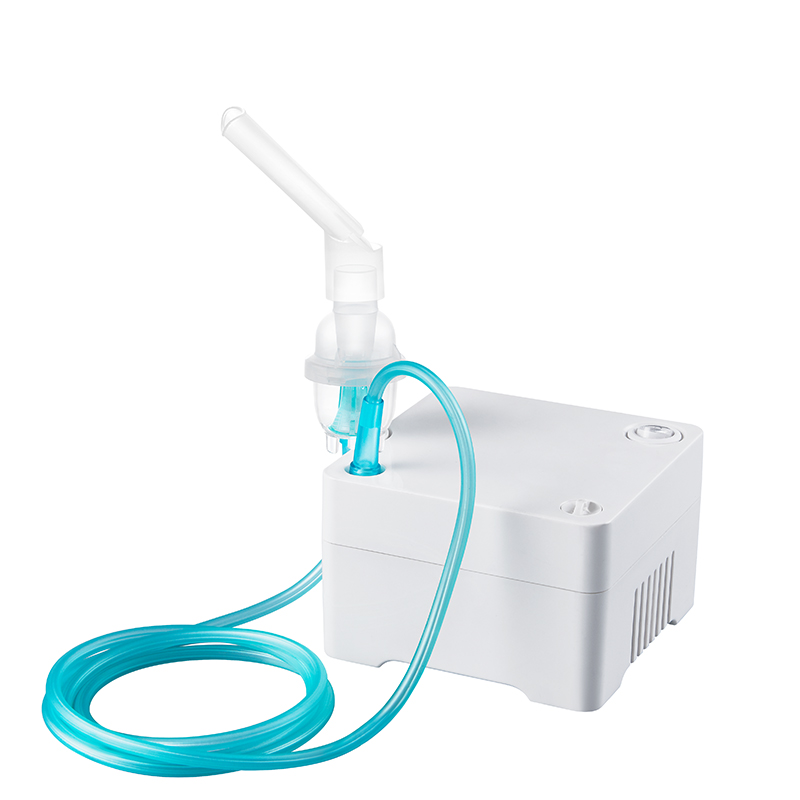
Proper maintenance of your ultrasonic nebulizer is critical to ensuring consistent performance and extending the device's operational lifespan. An ultrasonic nebulizer converts liquid medication into fine aerosol particles through high-frequency vibrations, requiring careful attention to keep the mechanism functioning properly. Without regular maintenance, your ultrasonic nebulizer may lose efficiency, deliver inconsistent medication doses, or develop mechanical issues that compromise therapeutic outcomes. Healthcare facilities, clinics, and home care providers depend on ultrasonic nebulizer reliability for patient respiratory treatments, making maintenance expertise essential for anyone handling these devices.
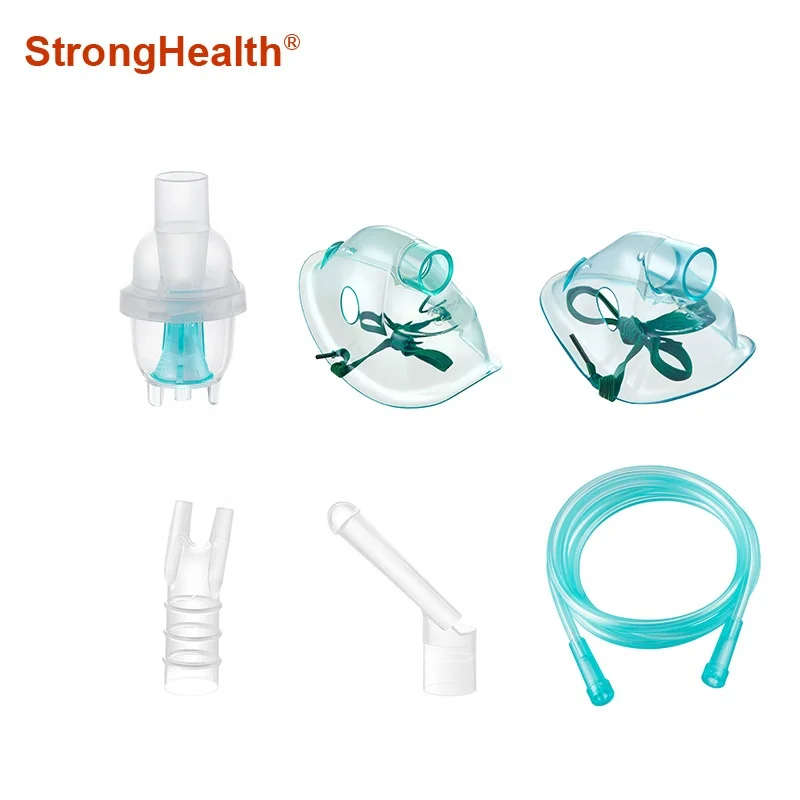
Understanding the operational demands placed on your ultrasonic nebulizer helps explain why maintenance cannot be overlooked. The vibrating element inside your ultrasonic nebulizer generates piezoelectric oscillations at frequencies between 100 to 180 kilohertz, atomizing medication into breathable particles. Hard water deposits, mineral buildup, residual medication, and dust contamination gradually accumulate inside your ultrasonic nebulizer, reducing vibrational efficiency and aerosol output. By implementing a systematic maintenance routine, you protect your ultrasonic nebulizer investment while safeguarding patient safety and treatment effectiveness.
Daily Cleaning and Basic Maintenance
Post-Use Rinse Protocol for Your Ultrasonic Nebulizer
Immediately after each treatment session, rinse your ultrasonic nebulizer's medication cup and mouthpiece with distilled water to prevent medication residue from hardening. Allow your ultrasonic nebulizer components to air dry completely before reassembly to minimize moisture-related corrosion. Never allow your ultrasonic nebulizer to sit with residual medication sitting in the cup, as dried particles can damage the piezoelectric element and compromise your ultrasonic nebulizer's performance during subsequent treatments. Establish this habit as part of your standard post-treatment routine to significantly extend your ultrasonic nebulizer's service life.
Weekly Deep Cleaning for Optimal Function
Weekly deep cleaning of your ultrasonic nebulizer involves disassembling removable components and soaking them in a solution of distilled water and white vinegar at a 1:1 ratio for fifteen minutes. This acidic solution dissolves mineral deposits that accumulate in your ultrasonic nebulizer's internal passages and on metal surfaces. Gently scrub the medication cup and baffle with a soft brush while your ultrasonic nebilizer soaks, then rinse thoroughly with distilled water. For your ultrasonic nebulizer's sensitive piezo element, use only distilled water—never immerse the vibrating mechanism itself unless the manufacturer specifies that your ultrasonic nebulizer is fully submersible.
Advanced Maintenance and Preventive Care
Addressing Mineral Buildup in Your Ultrasonic Nebulizer
Hard water minerals create the most significant maintenance challenge for your ultrasonic nebulizer, as calcium and magnesium deposits reduce the amplitude of vibrations necessary for proper aerosol generation. Always fill your ultrasonic nebulizer with distilled or deionized water rather than tap water to prevent mineral accumulation from the start. When mineral deposits do form inside your ultrasonic nebulizer despite preventive measures, use a commercial nebulizer cleaning solution specifically formulated to dissolve these deposits without damaging your ultrasonic nebilizer's components. Run this cleaning solution through your ultrasonic nebulizer for 5-10 minutes weekly or bi-weekly depending on your local water hardness, then flush thoroughly with distilled water.
Inspection and Component Replacement Schedules
Conduct a visual inspection of your ultrasonic nebulizer every two weeks, checking for visible cracks, discoloration, or loose connections that indicate wear. The medication cup and baffle components of your ultrasonic nebulizer typically require replacement every 6-12 months depending on usage frequency, as these parts deteriorate with repeated exposure to medications and cleaning solutions. Listen for changes in your ultrasonic nebilizer's operating sound—a higher-pitched or sputtering noise may indicate piezo element damage or internal debris. Document maintenance activities and component replacements for your ultrasonic nebilizer to track performance trends and anticipate future service needs.
Storage, Safety, and Troubleshooting Guidance
Proper Storage Practices for Your Ultrasonic Nebulizer
Store your ultrasonic nebulizer in a clean, dry environment away from direct sunlight, extreme temperatures, and humidity when not in use. High temperatures can degrade the plastic components of your ultrasonic nebilizer and affect the calibration of the piezoelectric element. Keep your ultrasonic nebilizer covered with a dust-proof case or cloth to protect it from airborne particles and contaminants that could compromise internal mechanisms. Store replacement parts for your ultrasonic nebilizer in sealed containers to prevent moisture absorption and maintain their condition until needed.
Common Issues and Practical Solutions
If your ultrasonic nebilizer produces minimal aerosol output, start by checking the medication level and ensuring you're using the correct liquid type—oils and thick suspensions can clog your ultrasonic nebilizer's mesh or piezo element. When your ultrasonic nebilizer leaks from the medication cup seal, replace the rubber gasket and inspect the cup for cracks that would require component replacement. Unusual vibrations or rattling sounds from your ultrasonic nebilizer suggest internal debris or a loose connection that requires disassembly and inspection by a qualified technician. Never attempt to repair the piezoelectric mechanism of your ultrasonic nebilizer yourself, as these components require precision calibration and specialized tools.
FAQ
How often should I replace the piezo element in my ultrasonic nebulizer?
The piezo element in your ultrasonic nebulizer typically lasts 3-5 years under normal usage conditions when properly maintained. Signs your ultrasonic nebilizer's piezo element may need replacement include significantly reduced aerosol output, irregular operating sounds, or failure to generate vibrations despite proper power supply. Rather than attempting self-replacement, consult the manufacturer's specifications for your ultrasonic nebilizer or contact a certified service center to ensure correct installation and calibration.
Can I use tap water in my ultrasonic nebilizer?
You should never use tap water in your ultrasonic nebilizer, as minerals in tap water accumulate on the piezo element and reduce efficiency over time. Always use distilled or deionized water when cleaning or running maintenance cycles on your ultrasonic nebilizer. Using tap water in your ultrasonic nebulizer accelerates mineral buildup and significantly shortens the device's operational lifespan compared to following recommended water guidelines.
What cleaning solutions are safe for my ultrasonic nebulizer?
Only use distilled water, mild white vinegar solutions, or manufacturer-approved nebulizer cleaning solutions for your ultrasonic nebulizer. Never use bleach, harsh chemical disinfectants, or abrasive materials on your ultrasonic nebulizer components, as these damage plastic surfaces and the sensitive piezo mechanism. Always consult your ultrasonic nebilizer's user manual to verify which cleaning methods and solutions are approved for your specific model.