
 EN
EN
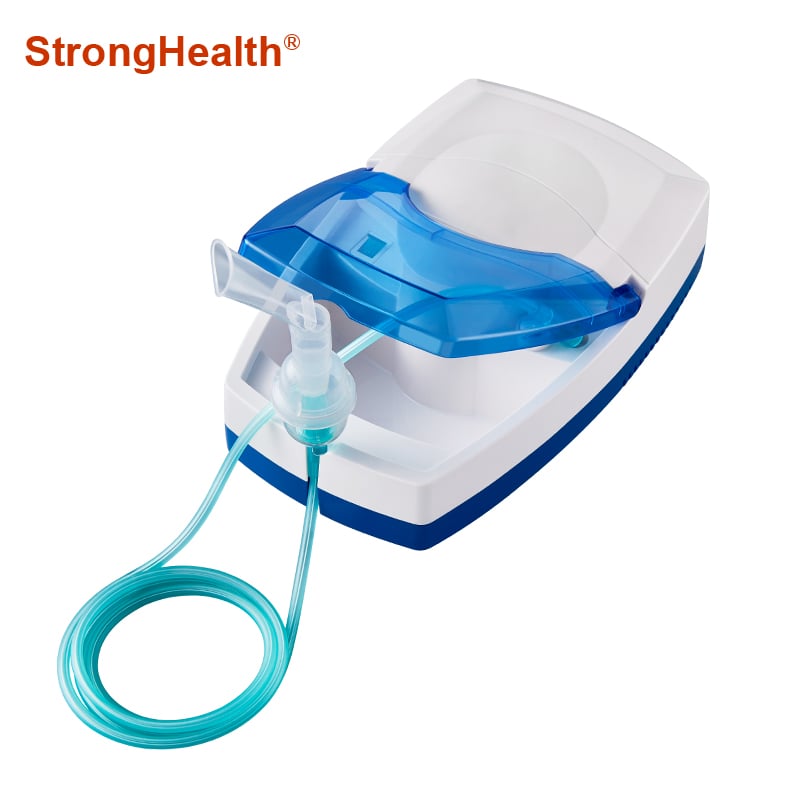
When a young child struggles to breathe due to asthma, bronchitis, or a respiratory infection, every parent wants fast, effective, and stress-free treatment. Choosing the right Infant Nebulizer is one of the most important decisions a caregiver can make, and silent technology has become a defining factor in that choice. A crying, frightened child who resists treatment defeats the entire purpose of home respiratory care, which is why noise level is no longer a minor feature — it is a clinical and practical priority.
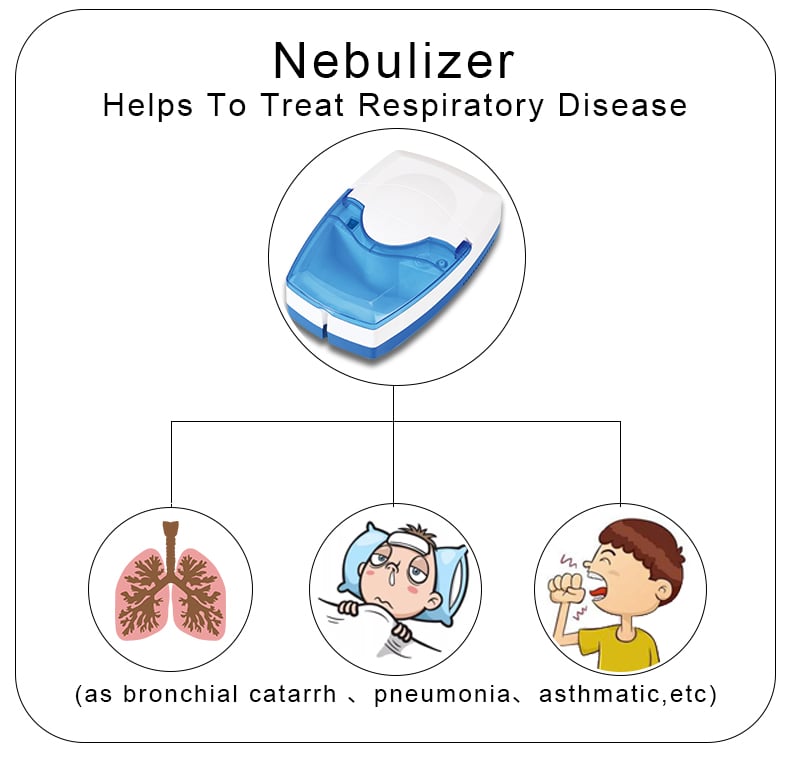
This guide walks you through the essential selection criteria for an infant nebulizer equipped with silent or near-silent technology. From understanding what makes a device truly quiet to evaluating medication compatibility, mask fit, and safety certifications, every aspect discussed here is designed to help parents and caregivers make a confident, well-informed purchase. Whether you are a first-time parent or a pediatric home care professional, the right infant nebulizer can transform treatment time from a struggle into a calm, manageable routine.
Understanding Silent Technology in an Infant Nebulizer
What Makes a Nebulizer Quiet
The noise level of a nebulizer depends almost entirely on the mechanism it uses to convert liquid medication into an inhalable mist. Traditional compressor-based nebulizers use an air pump driven by a motor, which produces a continuous buzzing or humming sound that can easily reach 45 to 60 decibels — comparable to a normal conversation. For a sleeping infant or a child already anxious about treatment, this level of noise can trigger fear and resistance, making the entire session far less effective.
Silent technology in an infant nebulizer is most commonly achieved through mesh nebulization. In a mesh nebulizer, a vibrating mesh plate with thousands of microscopic holes uses ultrasonic or piezoelectric vibration to push liquid medication through, generating an extremely fine mist with very little mechanical noise. The operating sound of a high-quality mesh infant nebulizer typically falls below 30 decibels — quieter than a whisper and far gentler on a child's senses. This makes treatment far more likely to succeed, especially during nighttime sessions when the child is drowsy or asleep.
Mesh vs. Compressor Nebulizers for Infants
When selecting an infant nebulizer, the choice between mesh and compressor technology is fundamental. Compressor models are older in design and widely available at lower price points, but they carry the significant disadvantage of generating substantial noise and mechanical vibration. For adult patients who understand what the device is doing, this may be tolerable. For infants and toddlers, the vibration and sound alone can make compliance nearly impossible.
Mesh nebulizers, by contrast, are compact, lightweight, and whisper-quiet in operation. They are designed specifically to deliver medication with minimal disruption to the child's environment. A quality infant nebulizer using mesh technology also tends to produce a finer particle size — typically in the 1 to 5 micron range — which allows medication to penetrate deeper into the bronchial passages where it is needed most. This combination of silent operation and superior particle delivery makes mesh technology the preferred choice for pediatric respiratory care.
It is worth noting that not all mesh nebulizers are created equal. The quality of the mesh plate, the frequency of vibration, and the design of the drug cup all influence both noise levels and nebulization efficiency. Parents should look for devices specifically engineered for pediatric use, as these tend to have optimized airflow patterns and smaller residual volumes that reduce medication waste.
Key Features to Evaluate When Selecting an Infant Nebulizer
Particle Size and Medication Delivery Efficiency
One of the most technically critical factors in choosing an infant nebulizer is the particle size it produces, expressed as the Mass Median Aerodynamic Diameter or MMAD. Particles that are too large tend to deposit in the upper airways and mouth rather than reaching the lungs. Particles that are too small may be exhaled before they can take effect. For infants and small children, whose airways are significantly narrower than those of adults, particle size precision is even more important.
A well-designed infant nebulizer should consistently produce particles in the 2 to 5 micron range for effective pulmonary deposition. Mesh-based devices with high-quality vibrating plates are capable of maintaining this consistency across a full treatment session, unlike some lower-grade devices where the mist output becomes inconsistent as the drug cup empties. This level of delivery consistency is critical to ensuring the prescribed dose is fully and reliably administered.
When reviewing product specifications for an infant nebulizer, look specifically for MMAD data or nebulization rate per minute. A nebulization rate of approximately 0.2 to 0.4 milliliters per minute is typical for pediatric mesh devices and reflects a balance between treatment speed and mist fineness. Devices that nebulize too quickly may generate coarser particles or excessive mist that causes discomfort around the face mask.
Mask Design and Fit for Infants
The mask that accompanies an infant nebulizer is arguably as important as the nebulizer unit itself. An ill-fitting mask allows mist to escape into the surrounding air rather than being inhaled, directly reducing the effective dose. For infants, whose facial structures are small and rounded, a poorly designed mask creates gaps around the nose and cheeks that waste medication and prolong treatment time unnecessarily.
Look for an infant nebulizer that comes with a soft, anatomically shaped pediatric mask made from medical-grade silicone. Silicone masks conform gently to the contours of a small face without creating pressure points or discomfort, and they are easy to clean and sterilize between uses. Some infant nebulizers include multiple mask sizes to accommodate children from newborn through toddler age, which adds long-term value as the child grows.
A well-sealed mask not only improves medication delivery but also reduces the ambient mist that the child breathes around the mask rather than through it. This is particularly important when administering corticosteroids, which should be deposited in the lower airways rather than absorbed through facial skin or the eyes. The combination of a high-quality infant nebulizer and a properly fitting mask creates the conditions for consistent, effective treatment at home.
Safety and Certification Standards for Pediatric Use
Medical Device Certifications to Look For
Safety is non-negotiable when choosing any medical device for an infant, and an infant nebulizer is no exception. Parents and caregivers should verify that the device carries recognized medical device certifications before making a purchase. In international markets, certifications such as CE marking for European conformity, FDA clearance in the United States, or ISO 13485 quality management certification indicate that the device has been tested and validated against established medical safety standards.
These certifications confirm that the infant nebulizer has undergone biocompatibility testing — ensuring that all materials in contact with medication or skin are non-toxic and non-reactive. They also validate that the device performs within specified aerosol output parameters, which directly relates to consistent dosing accuracy. Purchasing a certified infant nebulizer provides assurance that the device will function reliably and safely across repeated use cycles.
Beyond device-level certification, look for products that comply with pediatric-specific design standards. Some certifying bodies issue specific guidance on nebulizers designed for use in children under the age of two, covering mask dimensions, drug cup volume, and mist output rates. An infant nebulizer that meets these specialized standards demonstrates a higher level of engineering commitment to pediatric safety.
Materials, Hygiene, and Cleaning Requirements
Hygiene is a critical consideration for any infant nebulizer, as contaminated nebulizer cups or masks can introduce bacteria directly into a child's respiratory tract. Choose a device whose drug cup, mouthpiece, and mask are made from materials that can withstand regular disinfection using boiling water, UV sterilization, or medical-grade disinfectant solutions. BPA-free plastics and medical silicone are the standard for infant-grade devices.
The mesh plate in a silent infant nebulizer requires particular attention during cleaning. Residue from certain medications, especially antibiotics or mucolytics, can accumulate in the fine holes of the mesh over time, reducing nebulization efficiency and potentially causing cross-contamination between sessions. Look for an infant nebulizer with a detachable, cleanable mesh component and clear manufacturer guidance on cleaning frequency and approved methods.
Some modern infant nebulizers include an automatic cleaning or flushing cycle, which uses vibration to dislodge any remaining fluid from the mesh after use. This feature significantly extends the mesh plate's usable life and helps maintain consistent nebulization performance. For parents who administer treatments multiple times per day, this kind of built-in maintenance feature is not just convenient — it directly supports treatment reliability and hygiene standards.
Practical Usability Factors for Everyday Home Treatment
Portability and Battery Operation
For families managing a child's chronic respiratory condition, an infant nebulizer must be practical to use across a wide range of environments — at home, in a car, at a grandparent's house, or during travel. Portability is therefore a meaningful factor in selection. A lightweight, compact mesh infant nebulizer that runs on rechargeable batteries or USB power offers far greater flexibility than a traditional compressor model that requires a mains power outlet and a stable surface.
Battery life is an important specification to check. A reliable infant nebulizer should provide enough battery capacity to complete multiple treatment sessions on a single charge — at least three to five full sessions is a reasonable benchmark. Look for devices with a clear battery indicator so caregivers are never caught in the middle of a treatment session with a depleted battery. USB-C charging compatibility is a practical bonus, as it allows the device to be charged using the same cables commonly used for smartphones and tablets.
The weight of a portable infant nebulizer matters more than it might seem. During a treatment session, a parent or caregiver may need to hold the device steadily near the child's face for several minutes. A lightweight unit — typically under 100 grams for a quality mesh device — makes this far less fatiguing, particularly during nighttime treatments when alertness is reduced. Compact dimensions that fit easily in a diaper bag or travel pouch complete the practical value of a truly portable infant nebulizer.
Ease of Operation and Child-Friendly Design
An infant nebulizer should be intuitive enough for a sleep-deprived parent to operate at 3 AM without consulting a manual. Single-button operation, clear indicator lights, and a straightforward drug cup assembly are features that make a significant difference in real-world use. Overly complex devices with multiple settings and small controls can introduce errors during high-stress moments, which is exactly when reliable operation matters most.
Child-friendly design elements also contribute to better treatment compliance. Soft colors, rounded edges, and in some cases familiar shapes or animal-themed designs help reduce a young child's anxiety about the device. When a child associates the infant nebulizer with something visually gentle or familiar, the battle to initiate each treatment session is considerably reduced. Some pediatric nebulizer designs incorporate a small toy or distraction element to keep the child occupied during the two to five minutes required for a typical treatment session.
Residual volume — the amount of medication left in the drug cup that cannot be nebulized — is another practical specification worth examining. A lower residual volume, ideally below 0.5 milliliters, means that more of the prescribed medication reaches the patient and less is wasted. For expensive prescription drugs like inhaled antibiotics or bronchodilators, lower residual volume translates directly into better cost-effectiveness and dosing accuracy over the course of long treatment regimens.
FAQ
What decibel level is considered silent for an infant nebulizer?
Most medical device experts and pediatric respiratory care guidelines consider any infant nebulizer operating below 30 decibels to be suitable for silent or near-silent operation. This level is quieter than a normal whisper and well below the ambient noise level of a typical home environment. Mesh-based infant nebulizers commonly achieve operating noise levels between 25 and 30 decibels, making them far less likely to disturb a sleeping infant compared to traditional compressor models which often exceed 45 decibels.
Can an infant nebulizer be used for a newborn?
Yes, an infant nebulizer can be used for a newborn, provided the device comes with a mask specifically sized for neonatal use and the treatment is prescribed and supervised by a qualified pediatrician. Newborns have very small airways and limited lung capacity, so particle size precision and mask fit are especially critical at this age. Always use the smallest available mask size and ensure there are no visible gaps around the nose and cheeks during treatment. Never begin nebulizer therapy on a newborn without explicit medical guidance.
How often should the mesh in a silent infant nebulizer be cleaned?
The mesh component of an infant nebulizer should be cleaned after every treatment session to prevent medication residue from accumulating in the microscopic holes. Rinse the mesh with sterile water immediately after use, and perform a deeper disinfection at least once daily if the device is used multiple times per day. Follow the manufacturer's specific cleaning instructions carefully, as some disinfection methods — such as soaking in alcohol — may damage certain mesh materials. Regular cleaning directly preserves nebulization efficiency and prevents bacterial contamination.
Is mesh nebulizer technology safe for all types of infant medication?
Mesh nebulizer technology is compatible with a wide range of medications commonly prescribed for infants, including bronchodilators, saline solutions, and corticosteroids. However, not all medications are approved for use in a mesh-based infant nebulizer — some high-viscosity drugs or protein-based biologics may not nebulize effectively through a mesh plate and could cause blockages. Always verify with your prescribing physician or pharmacist that the specific medication prescribed is compatible with mesh nebulization before using it in an infant nebulizer of this type.