
 EN
EN
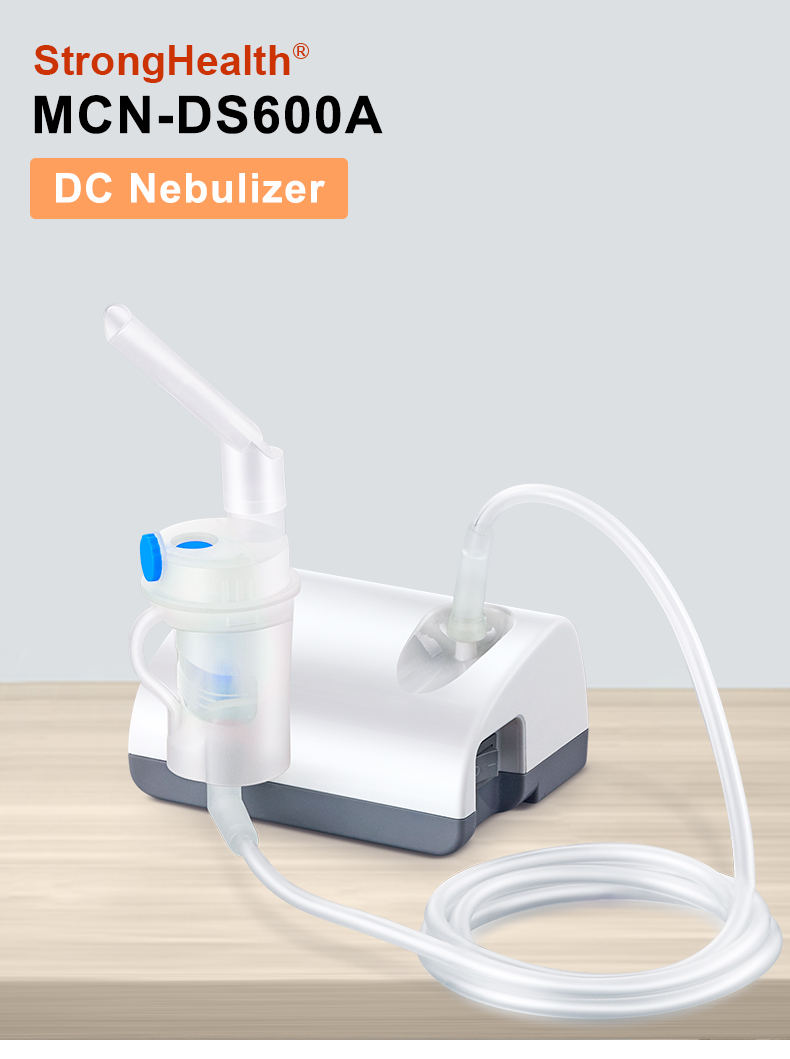
For many parents, getting a young child to sit still during a Childrens Nebulizer session can feel like a daily battle. The mask, the noise, the mist — all of it can seem strange and even frightening to a toddler or young child who does not fully understand why it is happening. Yet consistent, complete nebulizer treatments are essential for managing conditions like asthma, bronchitis, and other respiratory issues that affect millions of children worldwide. The challenge is not the medicine itself, but the experience surrounding it.
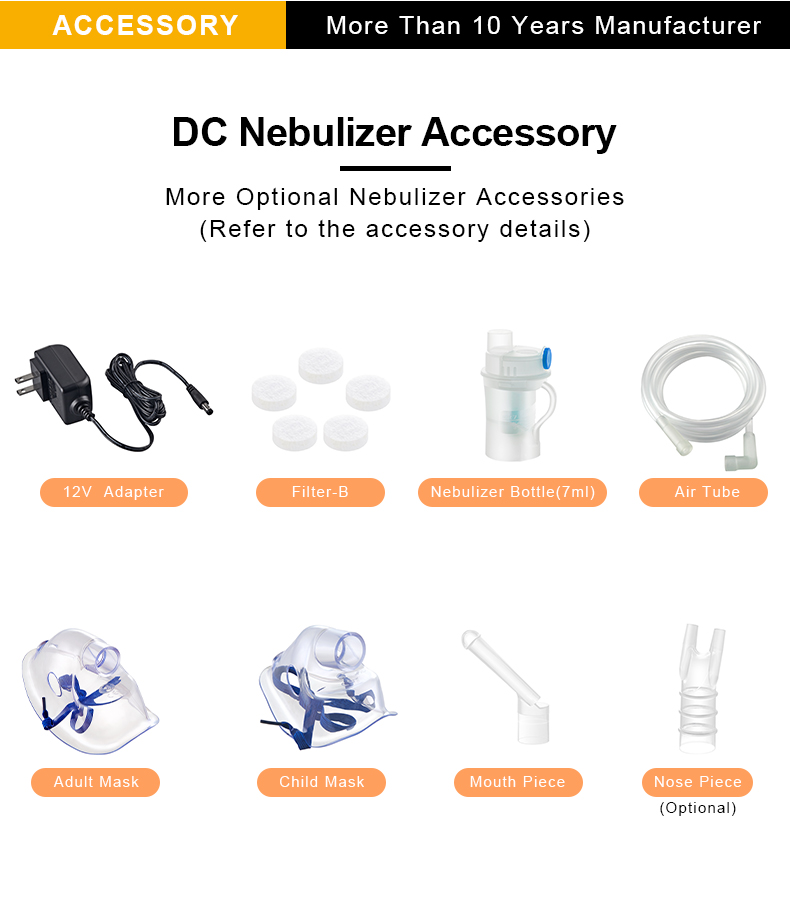
Transforming a Childrens Nebulizer session from a stressful obligation into a genuinely enjoyable routine is entirely possible with the right strategies. When children associate their nebulizer time with comfort, play, and positive attention, compliance improves dramatically — and so do treatment outcomes. This guide walks parents and caregivers through practical, proven approaches to make every Childrens Nebulizer session something a child can tolerate, and even look forward to.
Understanding Why Children Resist Nebulizer Treatments
The Sensory Experience of a Childrens Nebulizer
A Childrens Nebulizer works by converting liquid medication into a fine mist that a child inhales through a mask or mouthpiece. For adults, this process is straightforward. For a young child, however, the sensation of cool mist on the face, the hum of the machine, and the requirement to stay still for several minutes can feel overwhelming. Understanding this sensory reality is the first step toward addressing it constructively.
Children between the ages of one and five are especially sensitive to new sensory inputs. The mask covering the nose and mouth can trigger a feeling of restriction, which naturally causes distress. Acknowledging that your child's resistance is a normal, sensory-driven response — rather than defiance — helps parents approach the situation with patience rather than frustration. A calm caregiver creates a calmer child.
Some Childrens Nebulizer models are specifically designed with child-friendly features such as quieter motors, colorful casings, and animal-shaped masks. These design choices are not merely cosmetic. They serve a real psychological function by reducing the clinical, intimidating appearance of medical equipment and replacing it with something familiar and approachable.
The Role of Routine and Predictability
Children thrive on predictability. When a Childrens Nebulizer session happens at the same time each day, in the same location, with the same sequence of steps, the child's brain begins to categorize it as a normal part of daily life rather than an unexpected intrusion. This shift from 'something strange is happening' to 'this is just what we do now' is powerful and takes only a few consistent days to begin forming.
Building a pre-treatment ritual can reinforce this predictability. Something as simple as washing hands together, choosing a favorite stuffed animal to 'join' the session, or pressing the power button themselves gives the child a sense of agency and familiarity. When children feel in control of small parts of the process, their overall resistance tends to decrease significantly.
Turning Nebulizer Time Into Playtime
Using Storytelling and Imagination
One of the most effective ways to make a Childrens Nebulizer session enjoyable is to frame it as part of a story or imaginative game. Tell your child that the nebulizer is a 'magic cloud machine' that gives them superhero breathing powers. Describe the mist as a special potion that makes their lungs strong and fast. Young children are naturally imaginative, and a compelling narrative can completely reframe the experience in their minds.
You can extend the story across multiple sessions, building on it each time. Perhaps the child is a brave explorer who needs to breathe in the 'mountain air' before an adventure. Perhaps the nebulizer mask is a pilot's oxygen mask before a big flight. The specific story matters less than the consistency and enthusiasm with which you tell it. Children respond to parental energy, and genuine playfulness is contagious.
Involving siblings or other family members in the storytelling can also help. When a child sees that others are engaged and interested in the 'story,' the nebulizer session becomes a shared family moment rather than an isolated medical procedure. This social dimension is surprisingly effective at reducing anxiety around the Childrens Nebulizer routine.
Screen Time as a Strategic Tool
Many parents find that reserving a specific show, video, or interactive app exclusively for Childrens Nebulizer sessions creates a powerful positive association. When a child knows that their absolute favorite cartoon only plays during nebulizer time, the treatment transforms from something to avoid into something to anticipate. This 'special screen time' strategy works particularly well for children aged two and older.
The key is exclusivity. If the child can watch the same content at any time, it loses its motivational power. Keep the nebulizer show or playlist strictly reserved for treatment sessions. Over time, you may even find your child reminding you that it is 'nebulizer time' because they want to watch their show — a complete reversal of the original resistance dynamic.
Audiobooks, music playlists, and interactive storytelling apps are equally effective alternatives for children who are less drawn to visual content. The goal is to give the child something genuinely engaging to focus on during the Childrens Nebulizer session so that the treatment itself fades into the background of their attention.
Practical Setup Tips That Reduce Friction
Choosing the Right Environment
The physical environment in which a Childrens Nebulizer session takes place has a measurable impact on how the child experiences it. A bright, clinical-feeling space increases anxiety, while a cozy, familiar setting promotes calm. Conduct treatments in a comfortable chair, on a soft rug, or even in a parent's lap. Dim lighting, soft background music, or a favorite blanket can all contribute to a more relaxed atmosphere.
Avoid conducting Childrens Nebulizer sessions in spaces the child associates with sleep, such as the bedroom, if possible. You want the child to remain awake and engaged during treatment to ensure they are breathing correctly and receiving the full dose of medication. A living room or playroom setting tends to work better for most families.
Temperature also matters. A cool mist can feel uncomfortable in a cold room. Ensuring the treatment space is comfortably warm helps the child tolerate the sensation of the mist more easily. Small environmental adjustments like these require minimal effort but can make a meaningful difference in how smoothly each session goes.
Making the Equipment Feel Familiar
Before the first Childrens Nebulizer session, let your child explore the equipment freely. Allow them to touch the mask, hold the tubing, and press the buttons while the machine is off. Familiarity reduces fear. When the device is no longer a mysterious object, it becomes just another item in the household — one that happens to help them breathe better.
Some parents find it helpful to let the child 'treat' a stuffed animal or doll with the nebulizer mask before their own session. This play-based introduction allows the child to process the experience at a safe emotional distance before it applies to them directly. It also gives parents an opportunity to model calm, positive behavior around the equipment.
Decorating the Childrens Nebulizer with stickers chosen by the child is another simple but effective personalization strategy. When the device feels like 'theirs,' children are more likely to engage with it positively. This sense of ownership extends to the treatment itself, shifting the child's psychological relationship with the nebulizer from passive recipient to active participant.
Reward Systems and Positive Reinforcement
Building a Simple Reward Structure
Positive reinforcement is one of the most well-supported behavioral strategies for improving compliance in young children. A simple sticker chart where the child earns a sticker for each completed Childrens Nebulizer session can be remarkably effective. After a set number of stickers, the child earns a small reward — a preferred activity, a special outing, or a small toy. The reward does not need to be expensive or elaborate; the ritual of earning and receiving it is what matters.
Verbal praise delivered immediately after a successful session reinforces the behavior powerfully. Specific praise works better than general praise. Instead of saying 'good job,' try 'you held the mask on the whole time and breathed so well — that was really brave.' Specific acknowledgment tells the child exactly what they did right and makes them more likely to repeat it.
Avoid using the reward as a bribe before the session begins, as this can inadvertently signal that the treatment is something to be endured rather than simply done. Instead, frame the reward as a natural consequence of completing something the child is already capable of. This subtle distinction preserves the child's sense of competence and self-efficacy around the Childrens Nebulizer routine.
Celebrating Milestones and Progress
Tracking progress visually helps children understand that their efforts are accumulating toward something meaningful. A simple calendar where completed Childrens Nebulizer sessions are marked with a star or drawing gives the child a concrete record of their consistency. Over time, this visual history becomes a source of pride rather than a reminder of obligation.
Celebrate milestones such as the first week of no-fuss sessions, or the first time the child put on the mask independently. These moments deserve genuine acknowledgment. When children feel proud of their progress, they internalize the behavior as part of their identity — 'I am someone who does my nebulizer every day' — which is far more durable than compliance driven purely by external rewards.
FAQ
At what age can a child start using a Childrens Nebulizer independently?
Most children can begin to participate actively in their Childrens Nebulizer sessions around age three or four, though full independence typically develops between ages six and eight. Younger children will always need adult supervision to ensure the mask is positioned correctly and the full treatment is completed. Encouraging small acts of independence — such as pressing the start button or holding the mask — builds confidence and cooperation even in very young children.
How long does a typical Childrens Nebulizer session last?
A standard Childrens Nebulizer session typically lasts between five and fifteen minutes, depending on the medication prescribed and the specific device used. Mesh nebulizers tend to be faster than jet nebulizers, which can make a meaningful difference in a young child's ability to stay still and cooperative. Always follow the duration guidance provided by your child's healthcare provider, as cutting a session short may result in incomplete medication delivery.
Is it safe to use a Childrens Nebulizer every day?
Daily use of a Childrens Nebulizer is common and safe when prescribed by a qualified healthcare professional. The frequency and duration of treatments depend entirely on the child's specific condition and the medication being administered. Parents should never adjust the treatment schedule without consulting their doctor. Regular cleaning and maintenance of the nebulizer equipment is essential to prevent bacterial contamination and ensure consistent medication delivery.
What should I do if my child refuses to wear the nebulizer mask?
Mask refusal is one of the most common challenges parents face with a Childrens Nebulizer. Start by allowing the child to hold and explore the mask during non-treatment times. Use the 'treat the stuffed animal first' technique to normalize the mask through play. For persistent refusal, a mouthpiece may be an appropriate alternative for children old enough to use one correctly — typically around age three or four. Consult your child's respiratory therapist or pediatrician for personalized guidance if refusal continues to interfere with treatment completion.