
 EN
EN
When your mesh nebulizer stops producing mist, it can be frustrating and concerning, especially when you rely on it for respiratory medication delivery. Understanding the common causes and systematic troubleshooting steps can help you quickly identify and resolve the issue. A properly functioning mesh nebulizer should create a fine, consistent mist within seconds of activation, making medication administration efficient and effective.
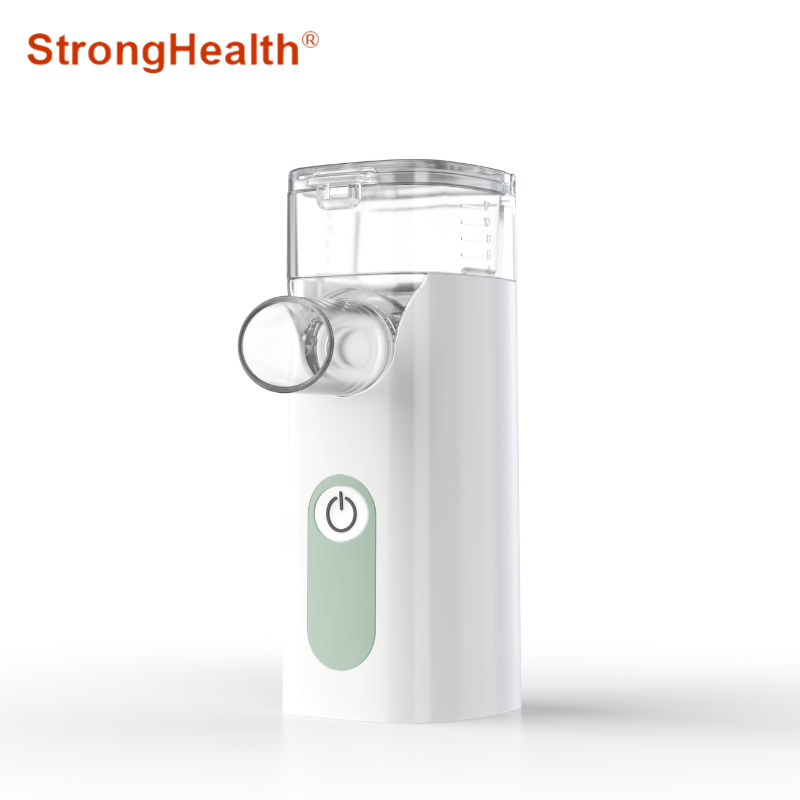
The vibrating mesh technology in modern nebulizers relies on precise mechanical and electrical components working in harmony. When misting fails, the problem typically stems from one of several identifiable sources: mesh membrane blockages, power supply issues, improper assembly, or component wear. By following a methodical approach to diagnosis and repair, most mesh nebulizer misting problems can be resolved without professional service intervention.
Understanding Mesh Nebulizer Misting Mechanics
How Vibrating Mesh Technology Creates Mist
A mesh nebulizer operates through ultrasonic vibrations that force medication through thousands of microscopic holes in a specialized mesh membrane. The piezoelectric transducer generates high-frequency vibrations, typically between 100-180 kHz, causing the mesh to oscillate rapidly. This oscillation creates pressure differentials that push liquid medication through the mesh holes, atomizing it into respirable particles ranging from 1-5 micrometers in diameter.
The mesh membrane itself is the critical component responsible for particle size consistency and misting efficiency. Made from electroformed nickel or similar materials, the mesh contains precisely engineered holes that determine droplet size and flow rate. When functioning correctly, a mesh nebulizer should begin misting within 2-3 seconds of activation and maintain consistent output throughout the treatment cycle.
Essential Components for Proper Misting Function
Several interconnected components must work together for effective mist generation. The power supply provides consistent electrical current to the piezoelectric transducer, which converts electrical energy into mechanical vibrations. The transducer assembly transfers these vibrations to the mesh membrane through a coupling mechanism that ensures optimal energy transfer without dampening or distortion.
The medication chamber holds the liquid in direct contact with the mesh membrane, while the housing assembly maintains proper alignment between all components. Any disruption in this chain can prevent mist formation, making systematic inspection of each element essential for effective troubleshooting. Understanding these relationships helps identify which component may be causing misting failure in your specific situation.
Systematic Diagnosis of Misting Problems
Initial Visual and Functional Assessment
Begin troubleshooting by conducting a thorough visual inspection of your mesh nebulizer while it's powered off. Look for obvious signs of damage such as cracks in the housing, bent or damaged mesh membrane, or corrosion on electrical contacts. Check that all components are properly seated and that the medication chamber is correctly aligned with the mesh membrane.
Examine the mesh membrane under good lighting, looking for clogs, residue buildup, or physical damage to the mesh surface. Even microscopic blockages can significantly reduce misting efficiency or prevent it entirely. The mesh should appear clean and uniform, with no visible particles or dried medication residue obscuring the holes.
Power and Electrical System Verification
Test the power supply system by checking battery charge levels or AC adapter functionality. Weak batteries are a common cause of misting failure, as the piezoelectric transducer requires consistent voltage to generate proper vibration amplitude. If using rechargeable batteries, ensure they're fully charged and still capable of holding a charge effectively.
Verify that all electrical connections are secure and free from corrosion. Check the contact points between the battery compartment and the device, as well as any removable component interfaces. Poor electrical contact can cause intermittent operation or complete misting failure, even when power sources appear adequate.
Step-by-Step Troubleshooting Procedures
Cleaning and Maintenance Protocol
Start with thorough cleaning of the mesh membrane using the manufacturer's recommended cleaning solution, typically distilled water or mild soap solution. Disassemble the nebulizer according to the user manual, taking care to handle the delicate mesh nebulizer membrane gently. Rinse each component with distilled water to remove any cleaning residue that could interfere with operation.
For stubborn blockages, use the cleaning brush or ultrasonic cleaner recommended by the manufacturer. Avoid using tap water, which contains minerals that can deposit in the mesh holes over time. After cleaning, allow all components to air dry completely before reassembly, as moisture in electrical components can prevent proper operation.
Assembly and Alignment Verification
Reassemble the mesh nebulizer carefully, ensuring that each component is properly oriented and seated. The mesh membrane must be perfectly aligned with the transducer assembly, as even slight misalignment can prevent effective vibration transfer. Check that any o-rings or seals are properly positioned and not damaged, as air leaks can significantly reduce misting efficiency.
Verify that the medication chamber creates a proper seal against the mesh membrane. Gaps or poor sealing can allow air to enter the system, disrupting the pressure differential needed for consistent mist formation. Test-fit all components before adding medication to ensure proper assembly.
Advanced Troubleshooting Techniques
Mesh Membrane Restoration Methods
When standard cleaning doesn't restore misting function, advanced mesh restoration techniques may be necessary. Ultrasonic cleaning baths can remove microscopic debris that manual cleaning cannot address. Use only distilled water or manufacturer-approved cleaning solutions in ultrasonic cleaners, and follow recommended exposure times to avoid mesh damage.
For protein-based medication residues, enzymatic cleaners specifically designed for medical devices can break down stubborn deposits. These cleaners require specific contact times and temperatures to be effective, so follow manufacturer instructions precisely. Never use abrasive cleaners or tools that could damage the delicate mesh structure.
Component Replacement Considerations
Mesh membranes have finite lifespans and may require replacement after extended use or if damaged during cleaning. Signs that mesh replacement is needed include visible holes or tears, persistent clogging despite thorough cleaning, or decreased mist output even when other components function properly. Most mesh nebulizers are designed with replaceable mesh assemblies to extend device life.
Piezoelectric transducers can also wear out over time, particularly in high-use environments. Symptoms of transducer failure include inconsistent misting, unusual noise during operation, or complete absence of vibration. Professional diagnosis may be required to determine if transducer replacement is necessary, as this component is typically not user-serviceable.
Prevention and Maintenance Best Practices
Daily Care and Storage Protocols
Implement a consistent daily maintenance routine to prevent misting problems before they occur. After each use, rinse the medication chamber and mesh assembly with distilled water to prevent medication residue buildup. Allow components to air dry completely before storage, as trapped moisture can promote bacterial growth and corrosion.
Store your mesh nebulizer in a clean, dry environment away from extreme temperatures and humidity. Use the protective case or storage container provided by the manufacturer to prevent dust accumulation and accidental damage. Regular maintenance significantly extends device life and maintains consistent misting performance.
Long-term Performance Optimization
Establish a weekly deep cleaning schedule using manufacturer-recommended procedures and cleaning solutions. This proactive approach prevents the accumulation of microscopic residues that can gradually reduce misting efficiency. Track device performance over time, noting any changes in mist output, startup time, or overall functionality.
Keep replacement parts and cleaning supplies readily available so maintenance can be performed promptly when needed. Many mesh nebulizer performance issues can be prevented through consistent care and timely component replacement, ensuring reliable operation when you need it most.
FAQ
Why does my mesh nebulizer make noise but produce no mist?
This typically indicates that the piezoelectric transducer is functioning but the mesh membrane is blocked or improperly aligned. Check for medication residue in the mesh holes and verify that all components are correctly assembled. Clean the mesh membrane thoroughly with distilled water and ensure proper seating against the transducer assembly.
How often should I replace the mesh membrane in my nebulizer?
Mesh membrane replacement frequency depends on usage patterns and maintenance quality. With proper daily cleaning and weekly deep maintenance, most mesh membranes last 6-12 months under normal use. Replace the mesh if you notice persistent clogging, visible damage, or significantly reduced mist output despite thorough cleaning.
Can I use tap water to clean my mesh nebulizer components?
Always use distilled water for cleaning mesh nebulizer components. Tap water contains minerals and chemicals that can deposit in the microscopic mesh holes, gradually reducing performance and potentially causing permanent blockages. Distilled water ensures thorough cleaning without introducing contaminants that could interfere with operation.
What should I do if my mesh nebulizer still won't mist after cleaning?
If thorough cleaning doesn't restore misting function, check the power supply, verify proper assembly, and inspect for component damage. Try using a different medication to rule out liquid-specific issues. If problems persist, contact the manufacturer or authorized service provider, as internal component failure may require professional repair or replacement.