
 EN
EN
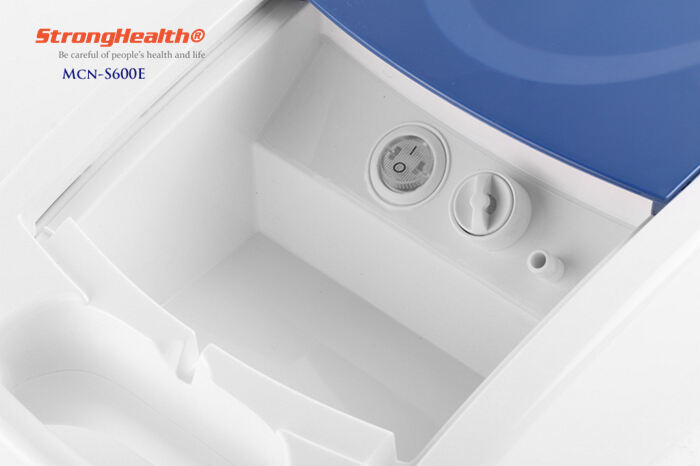
Healthcare technology continues evolving rapidly, bringing revolutionary improvements to respiratory treatment devices that millions rely on daily. Among the most significant advances in aerosol therapy equipment, the mesh nebulizer represents a paradigm shift from conventional jet and ultrasonic nebulization systems. Understanding why upgrading from traditional models to modern mesh nebulizer technology offers compelling advantages requires examining the fundamental differences in how these devices generate therapeutic aerosols and deliver medications to patients.
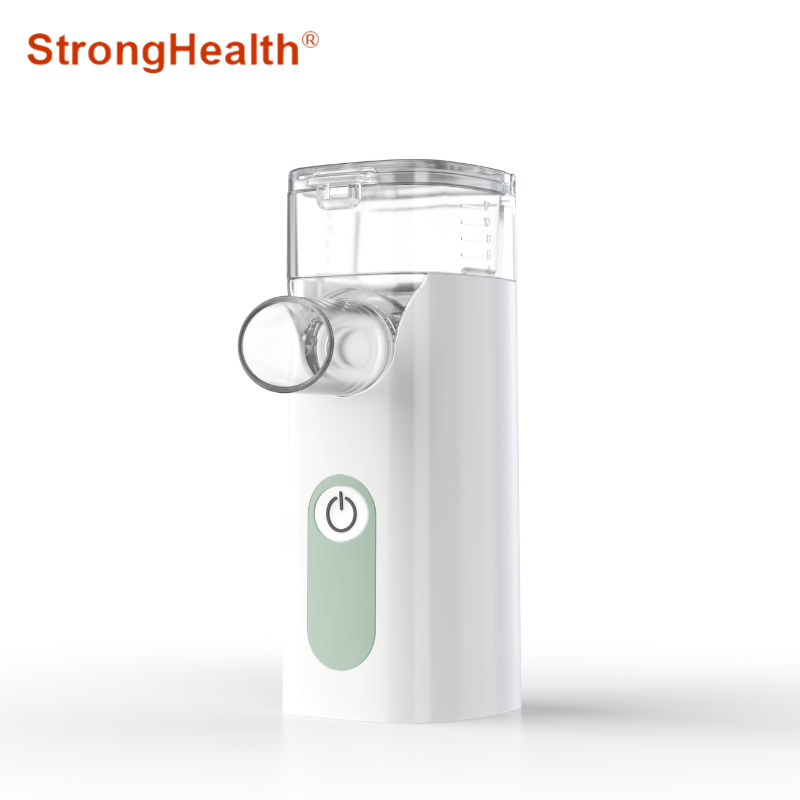
The transition from traditional nebulizers to mesh nebulizer systems reflects more than technological advancement—it represents improved patient outcomes, enhanced medication delivery efficiency, and significantly better user experience. Traditional jet nebulizers, while reliable workhorses in respiratory therapy for decades, face inherent limitations in particle size consistency, treatment duration, and medication waste. These constraints directly impact therapeutic effectiveness and patient compliance, making the case for upgrading increasingly compelling for healthcare facilities, home care providers, and individual users seeking optimal respiratory treatment solutions.
Fundamental Technology Differences
Aerosol Generation Mechanisms
Traditional jet nebulizers operate through a compressed air system that creates turbulent airflow to break liquid medications into aerosol particles. This pneumatic process relies on high-velocity air streams passing through a narrow orifice, creating negative pressure that draws medication from the reservoir and fragments it into breathable particles. While effective, this mechanism produces highly variable particle sizes, ranging from submicron particles too small for lung deposition to large particles that impact the throat and mouth without reaching target respiratory zones.
In contrast, mesh nebulizer technology employs precision-engineered vibrating mesh plates containing thousands of uniformly sized micropores. Each micropore acts as a controlled aperture through which liquid medication passes under vibrational force, creating consistently sized aerosol particles. This mechanical process ensures predictable particle diameter distribution, typically maintaining respirable particles within the optimal 1-5 micron range essential for effective pulmonary deposition and therapeutic action.
Particle Size Consistency
Particle size uniformity represents perhaps the most critical advantage distinguishing mesh nebulizer systems from traditional models. Conventional jet nebulizers produce particle size distributions with significant variability, often creating particles spanning from 0.5 to 15 microns or larger. This wide distribution means substantial medication portions never reach intended lung regions, instead depositing in upper airways or being exhaled without therapeutic benefit.
The mesh nebulizer generates remarkably consistent particle sizes due to its micropore-controlled mechanism. The precise engineering of mesh apertures ensures that medication droplets maintain optimal aerodynamic characteristics for deep lung penetration. This consistency translates directly into improved drug deposition efficiency, with studies demonstrating that mesh systems can achieve 2-3 times higher lung deposition rates compared to conventional jet nebulizers.
Performance and Efficiency Advantages
Treatment Duration Optimization
Traditional nebulizers often require 15-30 minutes for complete medication delivery, particularly for viscous solutions or larger medication volumes. Extended treatment times create compliance challenges, especially for pediatric patients or individuals with busy schedules. The prolonged delivery process also increases the risk of treatment interruption and reduces patient satisfaction with therapy regimens.
Mesh nebulizer technology dramatically reduces treatment duration through superior aerosol generation efficiency. Most mesh systems complete medication delivery within 5-10 minutes, representing a 50-70% reduction in treatment time compared to traditional models. This efficiency stems from the mesh system's ability to nebulize medications without requiring large volumes of compressed air or lengthy warm-up periods, enabling immediate and rapid aerosol production upon activation.
Medication Waste Reduction
Conventional jet nebulizers typically leave 1-2 ml of residual medication in the nebulizer cup after treatment completion, representing significant medication waste. This residual volume, known as dead volume, occurs because jet systems require minimum liquid levels to maintain proper aerosol generation. For expensive respiratory medications, this waste translates into substantial cost implications over time.
Modern mesh nebulizer designs minimize residual volumes to less than 0.1 ml in many cases, ensuring nearly complete medication utilization. The mesh mechanism continues functioning effectively even with minimal liquid volumes, extracting maximum therapeutic value from each medication dose. This efficiency particularly benefits patients using costly biologics or specialty respiratory medications where waste reduction directly impacts treatment affordability.
User Experience and Portability Benefits
Silent Operation Advantages
Traditional jet nebulizers generate significant operational noise due to their compressed air systems, typically producing 50-60 decibel sound levels during operation. This noise can be disruptive in quiet environments, cause anxiety in pediatric patients, and create social discomfort for users requiring treatments in public or professional settings. The compressor noise also makes it difficult for patients to watch television, speak on the phone, or engage in other activities during treatment.
Mesh nebulizer systems operate virtually silently, producing minimal acoustic output due to their electronic vibration mechanism. This quiet operation enhances patient comfort, enables discreet use in various environments, and allows normal conversation and activities during treatment. The silent functionality particularly benefits overnight treatments, workplace use, and situations where noise considerations are paramount for patient acceptance and compliance.
Enhanced Portability Features
Conventional nebulizers typically require substantial equipment including separate air compressors, tubing systems, and electrical connections, making portable use challenging. The complete system weight often exceeds 3-5 pounds, and the compressor component requires stable positioning and electrical outlet access. These factors limit mobility and complicate travel or on-the-go treatment scenarios.
Mesh nebulizer devices achieve remarkable portability through integrated battery-powered operation and compact form factors. Many mesh systems weigh less than 200 grams and operate independently without external compressors or tubing connections. This portability enables treatment flexibility for active patients, travelers, and individuals requiring multiple daily treatments across various locations. Battery life typically supports numerous treatments between charges, ensuring reliable operation regardless of location constraints.
Clinical Effectiveness and Patient Outcomes
Improved Drug Delivery Precision
Clinical studies consistently demonstrate superior drug delivery efficiency with mesh nebulizer technology compared to traditional systems. The precise particle size control achieved through micropore engineering ensures optimal lung deposition patterns, with significantly higher percentages of nebulized medication reaching target respiratory zones. This improved delivery translates into enhanced therapeutic effectiveness and potentially reduced medication dosing requirements.
Traditional nebulizers often deliver only 10-15% of loaded medication to the lungs, with substantial portions lost to upper airway deposition, exhalation, or equipment residual volumes. Mesh nebulizer systems can achieve lung deposition rates of 25-40% or higher, representing a doubling or tripling of therapeutic efficiency. This improved delivery precision enables more predictable clinical responses and potentially allows for dose optimization strategies that reduce medication costs while maintaining therapeutic efficacy.
Enhanced Patient Compliance
Patient adherence to nebulizer therapy significantly improves with mesh nebulizer adoption due to multiple convenience and comfort factors. The reduced treatment duration, silent operation, and enhanced portability address common barriers to consistent medication use. Patients report higher satisfaction levels and greater willingness to maintain prescribed treatment schedules when using mesh nebulizer systems.
The improved user experience with mesh nebulizer technology particularly benefits pediatric populations, where treatment compliance challenges are most pronounced. Children show greater acceptance of quiet, rapid treatments compared to lengthy, noisy traditional nebulization sessions. This improved compliance can lead to better disease management outcomes and reduced emergency healthcare utilization in chronic respiratory conditions.
Economic Considerations and Long-term Value
Total Cost of Ownership Analysis
While mesh nebulizer systems typically require higher initial investment compared to traditional jet nebulizers, comprehensive cost analysis reveals significant long-term value advantages. The reduced medication waste, improved therapeutic efficiency, and enhanced durability of mesh systems contribute to lower total ownership costs over typical device lifespans. Healthcare facilities often realize cost savings within 12-18 months of mesh nebulizer implementation.
Maintenance requirements for mesh nebulizer devices are typically lower than traditional systems due to fewer moving parts and absence of complex compressor mechanisms. The electronic components in quality mesh systems demonstrate excellent reliability, while the precision-engineered mesh plates maintain performance characteristics throughout extended use periods. This reliability reduces replacement costs and minimizes treatment interruptions due to equipment failures.
Healthcare System Benefits
Healthcare facilities implementing mesh nebulizer technology often observe operational efficiency improvements beyond direct device performance. The reduced treatment duration enables higher patient throughput in respiratory therapy departments, while the improved medication delivery efficiency can lead to better patient outcomes and reduced readmission rates. These systemic benefits contribute to overall healthcare cost reduction and improved resource utilization.
The enhanced portability and battery operation of mesh nebulizer systems enable expanded treatment options including home care transitions and mobile therapy programs. These capabilities support healthcare system initiatives focused on reducing institutional care requirements while maintaining high-quality treatment outcomes. The flexibility afforded by mesh nebulizer technology aligns well with modern healthcare delivery models emphasizing patient convenience and cost-effective care coordination.
FAQ
How long do mesh nebulizer devices typically last compared to traditional models?
Quality mesh nebulizer devices typically provide 3-5 years of reliable operation with proper maintenance, often exceeding the lifespan of traditional jet nebulizers. The mesh plates in premium devices can withstand thousands of treatment cycles before requiring replacement, while electronic components demonstrate excellent durability. Regular cleaning and appropriate storage extend device longevity significantly.
Can mesh nebulizers handle all types of respiratory medications effectively?
Modern mesh nebulizer systems effectively nebulize most standard respiratory medications including bronchodilators, corticosteroids, and mucolytics. However, some highly viscous solutions or medications with large molecular structures may require specific mesh configurations or may be better suited for traditional systems. Healthcare providers should verify medication compatibility before selecting mesh nebulizer systems for specific therapeutic applications.
What maintenance requirements do mesh nebulizers have?
Mesh nebulizer maintenance primarily involves regular cleaning of the mesh plate and medication chamber using distilled water or recommended cleaning solutions. Most devices require cleaning after each use and periodic deep cleaning with mild disinfectants. The electronic components typically require no special maintenance beyond protecting from moisture and ensuring proper charging. Following manufacturer guidelines ensures optimal performance and device longevity.
Are mesh nebulizers suitable for pediatric patients?
Mesh nebulizer technology is particularly well-suited for pediatric applications due to silent operation, rapid treatment completion, and improved medication delivery efficiency. Children often show better compliance with mesh systems compared to noisy traditional nebulizers. Many mesh devices offer pediatric-specific accessories including small-volume medication chambers and child-friendly mask designs that enhance treatment acceptance and effectiveness.