
 EN
EN
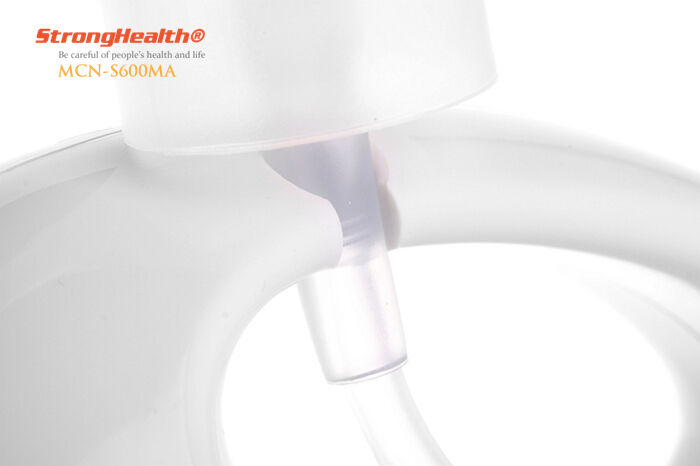
The quiet hum of traditional nebulizers has given way to near-silent operation in modern healthcare delivery systems. Mesh nebulizer technology represents a revolutionary advancement in respiratory therapy, utilizing vibrating mesh membranes to create fine aerosol particles without the noise and bulk of conventional compressor-driven devices. This technological evolution addresses critical limitations in patient comfort, treatment compliance, and clinical effectiveness across diverse healthcare settings.
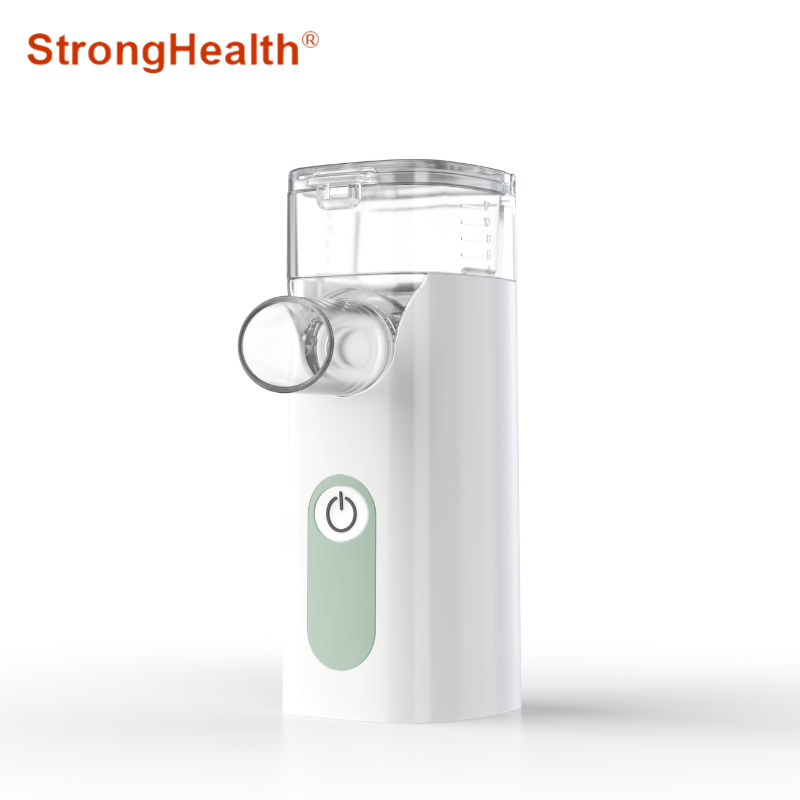
Understanding the intricate mechanisms that enable silent operation while maintaining therapeutic efficacy requires examining the sophisticated engineering principles underlying mesh nebulizer design. The transition from mechanical compression to piezoelectric vibration fundamentally transforms how medications transform from liquid to inhalable aerosol, eliminating the compressor noise that often disrupts patient rest and clinical environments. This technological foundation enables mesh nebulizers to deliver consistent particle sizes with minimal acoustic disturbance, making them ideal for sensitive applications including pediatric care and nighttime treatments.
Piezoelectric Vibration Technology
Fundamental Operating Principles
The core technology driving mesh nebulizer performance centers on piezoelectric elements that convert electrical energy into precise mechanical vibrations. These ceramic transducers generate ultrasonic frequencies typically ranging from 100 to 180 kilohertz, creating controlled oscillations that force medication through microscopic apertures in the mesh membrane. Unlike traditional compressor systems that rely on pressurized air flow, this mesh nebulizer approach eliminates moving mechanical parts that generate operational noise.
The piezoelectric effect enables instantaneous response to electrical signals, allowing for precise control over vibration amplitude and frequency. This responsiveness ensures consistent aerosol generation throughout the treatment duration, maintaining therapeutic particle sizes between 1 and 5 micrometers optimal for pulmonary deposition. The electrical efficiency of piezoelectric systems also contributes to extended battery life in portable mesh nebulizer devices, supporting mobile treatment applications.
Mesh Membrane Engineering
The mesh component represents the critical interface where liquid medication transforms into therapeutic aerosol through precisely engineered apertures. These laser-drilled holes, typically measuring 2.5 to 6 micrometers in diameter, determine particle size distribution and nebulization efficiency. The mesh nebulizer design incorporates thousands of these microscopic perforations across a surface area optimized for maximum medication throughput while maintaining particle uniformity.
Advanced mesh fabrication techniques ensure aperture consistency and durability under continuous vibration stress. The material composition, often featuring biocompatible alloys or specialized polymers, resists medication residue accumulation and maintains structural integrity through repeated sterilization cycles. This engineering precision directly impacts the mesh nebulizer's ability to deliver silent operation while preserving medication potency and therapeutic effectiveness.
Silent Operation Mechanisms
Noise Reduction Through Design Innovation
The elimination of compressor components fundamentally transforms the acoustic profile of nebulization therapy, reducing operational noise levels to whisper-quiet ranges below 40 decibels. Traditional jet nebulizers generate sound through air compression and turbulent flow, while mesh nebulizer technology achieves aerosol generation through controlled vibration at frequencies above human hearing range. This ultrasonic operation ensures therapeutic delivery without disturbing patient rest or clinical environments.
Vibration isolation within the device housing further minimizes any residual acoustic transmission to surrounding surfaces. Engineering teams optimize internal component mounting and damping materials to prevent resonance that might amplify operational frequencies into audible ranges. The result enables continuous mesh nebulizer operation in noise-sensitive environments including neonatal units, sleep clinics, and home bedrooms without compromising treatment schedules.
Frequency Optimization for Silence
The selection of ultrasonic frequencies serves dual purposes of effective nebulization and inaudible operation, requiring precise calibration to achieve both objectives simultaneously. Frequencies below 20 kilohertz may produce audible harmonics, while excessive frequencies can reduce nebulization efficiency or damage sensitive medications. The optimal range for mesh nebulizer operation balances these constraints to deliver silent performance with therapeutic effectiveness.
Advanced frequency modulation techniques prevent acoustic buildup that might create audible beating or resonance effects during extended operation. Some mesh nebulizer systems incorporate frequency sweeping algorithms that continuously vary the ultrasonic output within narrow ranges, ensuring consistent aerosol production while eliminating any potential for harmonic generation in audible frequencies.
Aerosol Generation Efficiency
Particle Size Control Technology
The precision of mesh aperture dimensions directly governs particle size distribution, enabling mesh nebulizer systems to consistently produce therapeutic aerosols within narrow size ranges optimal for respiratory deposition. Unlike jet nebulizers that generate wide particle distributions through chaotic turbulence, controlled mesh vibration creates uniform shear forces that break medication into predictable droplet sizes. This consistency improves drug delivery efficiency and reduces medication waste through large particle fallout.
Temperature stability during operation maintains medication viscosity within ranges conducive to optimal particle formation, preventing size drift that might compromise therapeutic effectiveness. The mesh nebulizer design incorporates thermal management features that dissipate piezoelectric heating while maintaining consistent operational temperatures. This thermal control ensures particle size consistency throughout treatment duration, supporting reliable dosing accuracy across diverse medication formulations.
Medication Delivery Optimization
The efficiency of medication conversion from liquid to inhalable aerosol reaches exceptional levels through optimized mesh nebulizer engineering, often exceeding 90% of loaded medication volume delivered as respirable particles. This efficiency stems from the controlled energy transfer through piezoelectric vibration, which minimizes heat generation that might denature sensitive biologics or alter medication chemistry. The gentle nebulization process preserves drug integrity while maximizing therapeutic delivery.
Residual volume reduction represents another efficiency advantage, with advanced mesh nebulizer designs leaving less than 0.1 milliliters of medication undelivered after treatment completion. This minimal waste improves cost-effectiveness for expensive medications while ensuring patients receive intended doses. The combination of high output efficiency and low residual volume makes mesh technology particularly valuable for precision dosing applications in critical care and specialty therapeutics.
Clinical Performance Advantages
Patient Compliance Enhancement
The silent operation of mesh nebulizer technology significantly improves treatment adherence by eliminating the psychological barriers associated with noisy medical devices. Pediatric patients particularly benefit from quiet operation that reduces anxiety and fear often triggered by loud compressor sounds. Sleep-time treatments become feasible without disrupting family rest patterns, enabling around-the-clock therapeutic regimens previously impractical with conventional nebulizers.
Portable mesh nebulizer designs enable discreet medication delivery in public settings, supporting active lifestyles without drawing unwanted attention to respiratory therapy needs. The combination of silent operation and compact form factors allows patients to maintain treatment schedules during travel, work, or social activities. This accessibility improvement translates directly into better long-term health outcomes through consistent medication adherence.
Treatment Versatility and Precision
The gentle nebulization process enabled by mesh technology expands the range of medications suitable for aerosol delivery, including heat-sensitive biologics, proteins, and advanced pharmaceutical formulations. Traditional high-energy nebulization methods may damage these complex molecules, while controlled mesh nebulizer vibration preserves therapeutic activity. This compatibility enables innovative treatment approaches for conditions requiring sophisticated drug delivery.
Precise timing control through electronic activation allows for synchronized delivery with breathing patterns, optimizing lung deposition efficiency. Some advanced mesh nebulizer systems incorporate breath-enhanced features that trigger aerosol generation during inspiratory phases, minimizing medication loss during exhalation. This synchronization capability improves therapeutic outcomes while reducing treatment duration and medication consumption.
FAQ
How does mesh nebulizer technology eliminate operational noise compared to traditional compressor systems?
Mesh nebulizers operate through ultrasonic piezoelectric vibration rather than mechanical air compression, eliminating the primary noise sources found in traditional systems. The ultrasonic frequencies used are above human hearing range, typically between 100-180 kilohertz, making the operation virtually silent at less than 40 decibels. This technology removes compressor motors, air pumps, and turbulent airflow that generate the characteristic noise of conventional nebulizers.
What makes the particle size distribution more consistent in mesh nebulizers?
The precision-engineered mesh membrane with laser-drilled apertures of 2.5-6 micrometers creates uniform particle sizes through controlled shear forces during vibration. Unlike jet nebulizers that rely on chaotic turbulence, the mesh nebulizer generates predictable droplet formation through consistent energy transfer. This results in therapeutic particle sizes between 1-5 micrometers with minimal variation, optimizing pulmonary deposition and reducing medication waste from oversized particles.
Can mesh nebulizers handle all types of respiratory medications effectively?
Mesh nebulizers are compatible with most respiratory medications and particularly excel with heat-sensitive formulations including biologics and proteins that might be damaged by traditional high-energy nebulization. The gentle vibration process preserves medication integrity while achieving high delivery efficiency. However, very viscous solutions or suspensions may require formulation modifications, and compatibility should be verified with specific medications before clinical use.
How does the efficiency of mesh nebulizers compare to conventional systems?
Mesh nebulizers typically achieve over 90% medication delivery efficiency with residual volumes below 0.1 milliliters, significantly outperforming traditional jet nebulizers that may waste 30-50% of loaded medication. The controlled energy transfer minimizes heat generation and medication degradation while maximizing aerosol output. This efficiency improvement reduces treatment costs, especially for expensive medications, while ensuring patients receive intended therapeutic doses.
Table of Contents
- Piezoelectric Vibration Technology
- Silent Operation Mechanisms
- Aerosol Generation Efficiency
- Clinical Performance Advantages
-
FAQ
- How does mesh nebulizer technology eliminate operational noise compared to traditional compressor systems?
- What makes the particle size distribution more consistent in mesh nebulizers?
- Can mesh nebulizers handle all types of respiratory medications effectively?
- How does the efficiency of mesh nebulizers compare to conventional systems?