
 EN
EN
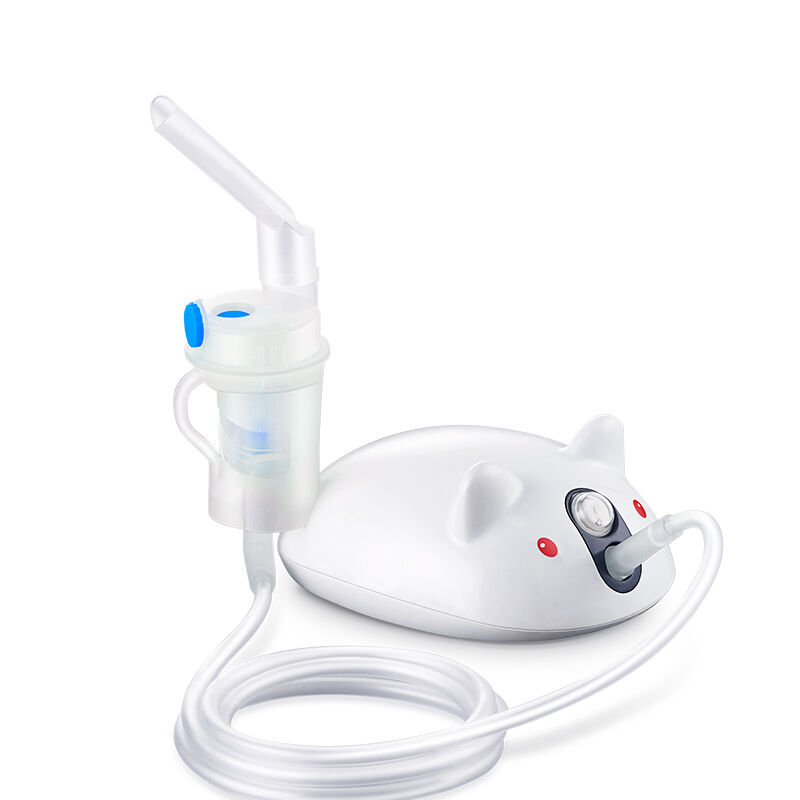
The evolution of respiratory treatment technology has brought forth a critical question for patients, caregivers, and healthcare professionals: can a portable nebulizer deliver the same therapeutic efficacy as traditional desktop models? This question carries significant weight for individuals managing chronic respiratory conditions like asthma, COPD, cystic fibrosis, and bronchiectasis. The answer is more nuanced than a simple yes or no, as it depends on understanding the specific engineering advances, aerosol characteristics, and clinical requirements that define treatment effectiveness. Modern portable nebulizer devices have undergone substantial technological improvements, incorporating mesh technology, optimized aerosol particle sizes, and enhanced medication delivery rates that challenge the long-held assumption that size correlates directly with power.
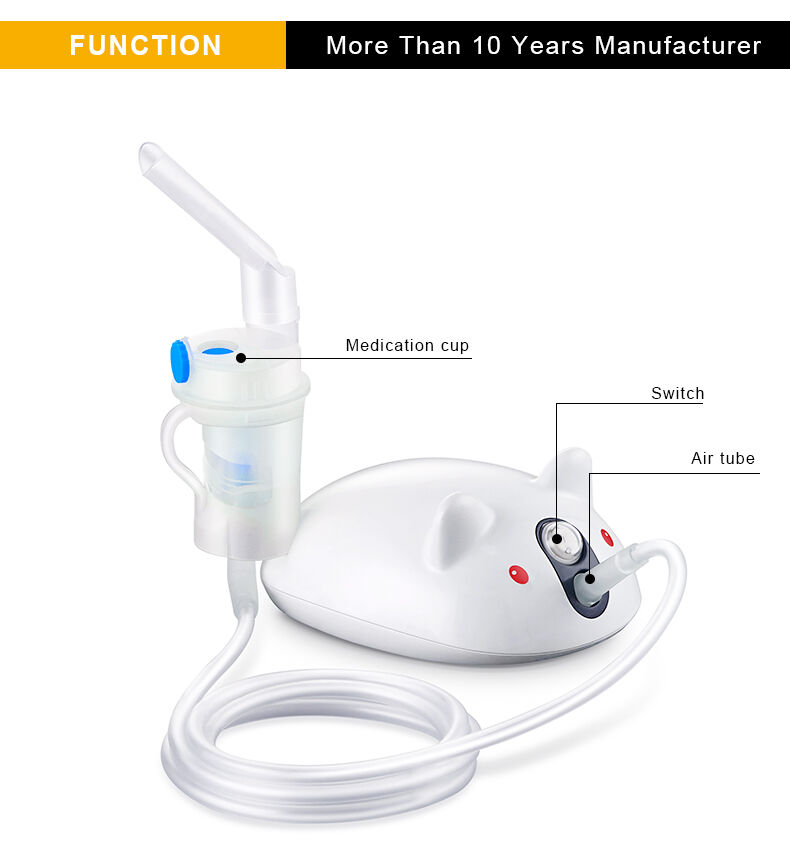
Understanding power in nebulization requires moving beyond physical size and examining the metrics that truly matter for respiratory therapy: respirable particle fraction, medication delivery efficiency, treatment time, and consistency of aerosol output. Desktop nebulizers have historically dominated clinical settings due to their continuous compressor operation and established track record, but this dominance is being challenged by portable alternatives that leverage advanced engineering to achieve comparable therapeutic outcomes in significantly smaller form factors. For patients seeking mobility without compromising treatment quality, and for healthcare systems evaluating equipment procurement, the performance comparison between portable and desktop nebulizers represents a decision with direct implications for treatment adherence, patient quality of life, and clinical outcomes.
Understanding Nebulizer Power Beyond Physical Size
Defining Power in Respiratory Aerosol Delivery
When evaluating whether a portable nebulizer can match desktop performance, the first step is redefining what power actually means in nebulization therapy. Power is not simply the loudness of the compressor or the physical weight of the device. True nebulizer power is measured by the respirable dose delivered to the lungs within a clinically relevant timeframe. This involves the mass median aerosol diameter, typically optimal between 1 and 5 microns for reaching bronchial and alveolar regions, the total output rate measured in milliliters per minute, and the percentage of medication that becomes inhalable aerosol rather than remaining as residual waste or large droplets that deposit in the upper airways.
Desktop nebulizers traditionally achieved high output rates through pneumatic compression, forcing air through liquid medication to create aerosol particles. These systems could deliver 0.3 to 0.5 milliliters of medication per minute with particle sizes concentrated in the therapeutic range. However, this performance came with inherent limitations including noise levels exceeding 60 decibels, treatment times of 10 to 15 minutes, and complete dependence on electrical outlets. The portable nebulizer has evolved by employing vibrating mesh technology or ultrasonic mechanisms that generate aerosols through fundamentally different physical principles, enabling compact designs that can achieve similar or superior particle size distributions.
Technical Mechanisms Driving Portable Performance
Modern portable nebulizer devices utilize vibrating mesh technology as their primary aerosol generation mechanism, representing a significant departure from pneumatic compression. In mesh nebulizers, a piezoelectric element vibrates at ultrasonic frequencies, typically between 100 and 180 kilohertz, causing a precisely manufactured mesh with thousands of micro-apertures to oscillate. Medication is forced through these apertures, creating aerosol particles with highly consistent size distributions. This technology delivers several advantages: silent or near-silent operation, medication delivery rates comparable to compressor nebulizers, minimal residual medication waste, and power consumption low enough to operate on rechargeable batteries for extended periods.
The engineering precision in mesh fabrication directly influences the portable nebulizer performance profile. Aperture diameters typically range from 2.5 to 6 microns, with the mesh geometry designed to produce optimal particle sizes for deep lung penetration. Advanced models incorporate breath-enhanced or breath-actuated modes that synchronize aerosol production with inhalation patterns, maximizing lung deposition and minimizing medication waste during exhalation. This intelligent delivery approach can actually improve therapeutic efficiency compared to continuous-output desktop models, where significant medication is lost during the breathing cycle. Clinical studies have demonstrated that properly designed portable nebulizers achieve lung deposition rates between 40 and 60 percent, matching or exceeding traditional compressor nebulizers that typically achieve 30 to 45 percent deposition.
Comparative Output Metrics and Treatment Duration
Quantitative performance comparison reveals that contemporary portable nebulizer models deliver aerosol output rates between 0.25 and 0.4 milliliters per minute, directly comparable to standard desktop compressor nebulizers. For a typical 2.5-milliliter bronchodilator treatment, this translates to treatment times of 6 to 10 minutes, falling within the acceptable clinical range and often faster than older desktop models. The key distinction lies not in raw output but in consistency and particle quality. Portable devices maintain stable particle size distributions throughout the treatment, whereas some desktop compressor nebulizers experience output variability as medication volume decreases in the reservoir.
Battery capacity and operational endurance have improved dramatically, with current Portable Nebulizer models providing 60 to 200 treatment cycles per charge depending on medication volume and device specifications. This operational capacity exceeds the daily requirements of most patients, even those requiring multiple treatments. Power delivery in portable formats has thus evolved from a limitation to a feature, enabling consistent therapy regardless of location while maintaining the aerosol characteristics necessary for effective medication delivery to target lung regions.
Clinical Efficacy and Therapeutic Equivalence
Evidence from Comparative Clinical Studies
The question of whether a portable nebulizer can match desktop power must ultimately be answered through clinical efficacy data rather than engineering specifications alone. Multiple peer-reviewed studies have compared bronchodilator delivery, corticosteroid administration, and antibiotic nebulization between portable mesh nebulizers and traditional desktop compressor systems. These studies consistently demonstrate therapeutic equivalence when comparing lung function improvements, symptom relief, and medication bioavailability. In acute asthma exacerbation management, portable nebulizers delivering albuterol achieved FEV1 improvements statistically indistinguishable from desktop nebulizers, with mean increases ranging from 15 to 22 percent in both device categories.
For maintenance therapy in COPD and cystic fibrosis, long-term studies tracking exacerbation rates, hospitalization frequency, and quality of life measures have shown that patients using portable nebulizer systems experience outcomes comparable to those using desktop devices. Critically, adherence rates were significantly higher in portable nebulizer groups, with compliance improving by 18 to 35 percent depending on the study population. This adherence advantage suggests that real-world therapeutic power may actually favor portable systems, as even the most powerful desktop nebulizer provides no benefit if patients avoid using it due to inconvenience or lifestyle limitations.
Medication Compatibility and Formulation Considerations
Not all medications nebulize equally across device types, and understanding formulation compatibility is essential when comparing portable nebulizer performance to desktop alternatives. Viscosity represents a critical variable, as highly viscous medications like some antibiotic suspensions can challenge mesh nebulizer systems. However, most commonly prescribed respiratory medications including short-acting beta-agonists, corticosteroids, anticholinergics, and standard antibiotic formulations are fully compatible with modern portable devices. Manufacturers have increasingly optimized mesh aperture patterns and vibration frequencies to accommodate a broader range of medication viscosities.
Certain specialty medications, particularly high-concentration antibiotics or surfactant preparations, may require specific nebulizer types based on manufacturer recommendations and regulatory approvals. In these cases, the question is not whether portable nebulizers lack power but whether specific formulations have been validated for particular delivery systems. For the vast majority of respiratory therapies, including all major bronchodilator and corticosteroid formulations, portable nebulizer devices deliver medication with particle characteristics and lung deposition patterns that meet or exceed therapeutic requirements established for desktop systems.
Patient Population Suitability and Clinical Context
While portable nebulizers can match desktop power in terms of aerosol characteristics and medication delivery, patient-specific factors influence optimal device selection. Pediatric patients, particularly infants and toddlers, may benefit from certain desktop nebulizer designs that accommodate pacifier attachments or specialized infant masks, though portable options with appropriate accessories are increasingly available. Elderly patients with severe cognitive impairment or those in institutional settings where device supervision is limited may find desktop models with simple on-off operation more appropriate than portable devices requiring charging and periodic cleaning.
For ambulatory patients managing chronic conditions, active individuals requiring treatment flexibility, and pediatric patients who resist stationary treatments, the portable nebulizer offers not just equivalent power but superior practical utility. The clinical context extends beyond the pharmacy to include lifestyle integration, and a powerful nebulizer that remains unused at home provides less therapeutic value than a portable device that travels with the patient and enables consistent medication adherence across varied daily activities and environments.
Engineering Advances Enabling Portable Power Parity
Mesh Technology and Precision Manufacturing
The technological foundation enabling portable nebulizer power equivalence rests on precision mesh manufacturing techniques developed over the past two decades. These meshes contain 1,000 to 6,000 laser-drilled or electroformed apertures with diameter tolerances measured in micrometers. The uniformity of aperture size directly determines particle size consistency, and modern manufacturing processes achieve tolerances that produce aerosol distributions with geometric standard deviations below 2.0, indicating highly consistent particle sizes centered in the therapeutic range. This precision was previously unattainable in portable formats and represents a fundamental engineering breakthrough.
Material science advances have contributed equally to portable nebulizer performance gains. Mesh materials must withstand millions of vibration cycles without degradation while resisting corrosion from various medication formulations. Contemporary devices utilize medical-grade palladium-nickel alloys, stainless steel variants, and specialized polymer composites that maintain structural integrity and aperture geometry through extended use. These material improvements have eliminated the performance degradation that plagued early portable nebulizers, where mesh deterioration led to declining aerosol quality and inconsistent medication delivery over the device lifespan.
Power Management and Battery Technology
Efficient power management systems have transformed portable nebulizer capabilities by maximizing treatment capacity while minimizing device size and weight. Lithium-ion battery technology provides energy density sufficient for dozens of treatments per charge, while intelligent power regulation circuits optimize vibration amplitude and frequency in real-time to maintain consistent aerosol output as battery voltage decreases. These systems monitor medication viscosity, ambient temperature, and battery state to adjust operating parameters, ensuring that the fiftieth treatment from a single charge delivers the same particle characteristics as the first treatment.
Advanced portable nebulizer models incorporate ultra-low-power microcontrollers that manage treatment modes, track usage patterns, and provide feedback to users without significantly draining battery reserves. Some devices achieve standby power consumption below 0.1 milliamps, allowing months of shelf life between charging cycles. This power efficiency enables truly portable operation without the performance compromises that characterized earlier battery-operated nebulizers, which often required frequent recharging or provided noticeably weaker aerosol output compared to their plugged-in desktop counterparts.
Acoustic Engineering and Vibration Optimization
Sound levels represent a quality-of-life factor that indirectly influences therapeutic power by affecting treatment adherence. Traditional desktop compressor nebulizers generate 55 to 70 decibels during operation, roughly equivalent to normal conversation or background music. While not harmful, this noise level can disturb sleeping family members during nighttime treatments, discourage use in public settings, and cause anxiety in young children. The portable nebulizer has largely eliminated this limitation through silent or near-silent operation, with many models producing less than 30 decibels, comparable to a whisper or library environment.
This acoustic advantage stems from the fundamental physics of mesh nebulization, where ultrasonic vibrations occur at frequencies beyond human hearing range. The absence of air compressors, cooling fans, and mechanical pumps eliminates the primary noise sources in desktop systems. For patients requiring nighttime treatments or discretion in workplace or social settings, this silent operation represents a form of power that desktop models cannot match regardless of their aerosol output specifications. The practical power of a nebulizer includes its ability to integrate seamlessly into daily life without disruption, a dimension where portable devices demonstrate clear superiority.
Practical Considerations and Performance Optimization
Maintenance Requirements and Long-Term Performance
Sustaining portable nebulizer power over extended use periods requires appropriate maintenance protocols that differ from desktop models. Mesh nebulizers require cleaning after each use to prevent medication residue buildup in the apertures, which can obstruct aerosol generation and alter particle size distributions. This cleaning typically involves rinsing with sterile or distilled water and periodic disinfection with vinegar solution or approved cleaning agents. When maintenance protocols are followed, mesh nebulizers maintain consistent performance for 12 to 24 months of regular use before mesh replacement becomes necessary.
Desktop compressor nebulizers require different but equally important maintenance, including filter replacement, tubing inspection, and nebulizer cup cleaning. Compressor systems generally have longer operational lifespans, often 3 to 5 years, but require more components and larger storage space. The total cost of ownership calculation must consider replacement mesh modules for portable units versus filter and accessory replacements for desktop systems. For many users, the portability advantages and equivalent therapeutic performance justify the maintenance requirements and periodic component replacement associated with portable nebulizer technology.
Environmental Factors Affecting Performance
Operating environment influences nebulizer performance in ways that affect both portable and desktop models, though portable devices face additional considerations due to their mobile use patterns. Ambient temperature extremes can affect battery performance in portable nebulizers, with cold temperatures reducing available treatment capacity and very high temperatures potentially affecting electronic components. Most quality portable nebulizer devices are rated for operation between 10 and 40 degrees Celsius, covering normal indoor environments and most outdoor conditions patients would reasonably encounter.
Humidity and altitude represent less significant factors for modern nebulizers of both types, though extreme altitude can slightly reduce aerosol output due to decreased air pressure. Portable devices used during travel may experience these varied conditions, but engineering tolerances in contemporary models accommodate typical environmental variations without clinically meaningful performance changes. The practical power of portable nebulizers includes their ability to maintain therapeutic efficacy across the diverse settings where patients actually need treatment, rather than only in controlled home environments where desktop models typically operate.
Cost-Effectiveness and Value Proposition
Price comparison between portable and desktop nebulizers reveals important considerations beyond initial purchase cost. Desktop compressor nebulizers typically range from 40 to 150 dollars for quality models, while portable nebulizer devices span 80 to 300 dollars depending on features and brand. This higher initial investment for portable units must be evaluated against their operational advantages including improved adherence, reduced medication waste through efficient delivery, and elimination of replacement parts like compressor filters and air tubing that desktop models require.
Insurance coverage and reimbursement policies vary significantly by region and healthcare system, with some plans covering both device types equally while others may preferentially cover traditional desktop models due to established reimbursement codes. Patients should verify coverage specifics, but increasingly, healthcare payers recognize that improved adherence enabled by portable nebulizers can reduce overall treatment costs through fewer exacerbations and hospitalizations. The true economic power of a nebulizer lies not in its purchase price but in its ability to support consistent medication delivery that prevents disease progression and acute episodes requiring costly medical interventions.
Making the Right Choice for Your Respiratory Therapy Needs
Assessment Framework for Device Selection
Determining whether a portable nebulizer can serve as your primary respiratory therapy device requires systematic evaluation of individual needs and circumstances. Begin by assessing treatment frequency and locations where therapy is needed. Patients requiring only once or twice daily treatments administered primarily at home may find desktop nebulizers perfectly adequate, while those needing treatments throughout the day or across multiple locations will benefit significantly from portable options. Consider your activity level, travel frequency, and whether you need treatment access during work, school, or recreational activities.
Medication regimen complexity represents another critical factor. Patients using standard bronchodilators and corticosteroids will find portable nebulizer options fully compatible with their prescriptions. Those requiring specialty medications should verify device compatibility with their specific formulations, consulting prescribing physicians and device manufacturers when necessary. Age and manual dexterity influence device operation, with some portable models requiring more complex cleaning procedures than simple desktop systems, though this gap has narrowed as manufacturers have simplified portable device maintenance.
Integration with Connected Health and Monitoring
Advanced portable nebulizer models increasingly incorporate connectivity features that extend their functional power beyond simple medication delivery. Bluetooth-enabled devices can track treatment completion, remind patients of scheduled doses, and transmit adherence data to healthcare providers or family caregivers. This connected capability supports improved disease management through objective adherence monitoring, early intervention when treatment patterns change, and data-driven therapy adjustments based on actual usage patterns rather than patient recall.
Desktop nebulizers typically lack these digital health features, operating as standalone devices without integration into broader health management ecosystems. For pediatric patients whose parents need visibility into treatment completion, elderly patients whose adult children monitor their care remotely, or individuals enrolled in disease management programs, the connected capabilities of modern portable nebulizers provide a form of power that traditional desktop models cannot offer. This technological integration represents an emerging dimension of nebulizer effectiveness that extends beyond immediate medication delivery to support comprehensive respiratory disease management.
Future Trajectory and Technological Convergence
The performance gap between portable and desktop nebulizers continues to narrow as mesh technology matures and manufacturers optimize designs based on extensive real-world usage data. Emerging developments include adaptive aerosol delivery that adjusts output based on breathing patterns detected through integrated sensors, multi-medication chambers allowing sequential treatment delivery without reservoir changes, and antimicrobial materials that reduce infection risk. These advances appear predominantly in portable formats where electronic integration and battery power enable sophisticated control systems impossible in simple pneumatic desktop designs.
The trajectory suggests that asking whether a portable nebulizer can match desktop power may soon become obsolete, as the question reverses to whether desktop models can match the advanced capabilities, convenience, and integrated health management features of sophisticated portable systems. For most patients with chronic respiratory conditions, the answer to the original question is definitively yes—modern portable nebulizers deliver therapeutic power equivalent to desktop models while providing significant additional advantages that translate to improved real-world outcomes through enhanced adherence and lifestyle integration.
FAQ
How do I know if a portable nebulizer is delivering medication as effectively as my desktop model?
Effectiveness can be monitored through clinical outcomes rather than device type. Track your symptom control, peak flow measurements, and rescue medication usage patterns. If these metrics remain stable or improve after switching to a portable nebulizer, the device is delivering effective therapy. You should also observe consistent treatment times, visible aerosol mist during operation, and similar subjective effects like symptom relief timing. If you experience reduced symptom control, increased rescue medication needs, or inconsistent aerosol production, consult your healthcare provider for device evaluation or alternative recommendations. Most quality portable nebulizers from established manufacturers have undergone clinical validation demonstrating therapeutic equivalence to desktop systems.
Can portable nebulizers handle thicker medications like antibiotics or only thin solutions?
Modern portable nebulizer devices with mesh technology can effectively nebulize most respiratory medications including many antibiotic formulations, though medication-specific compatibility should be verified. Standard bronchodilators, corticosteroids, and saline solutions nebulize excellently in all quality portable devices. Some high-viscosity antibiotic suspensions may require specific nebulizer models designed for thicker formulations, and certain specialty medications have manufacturer-specified delivery systems. Always check your medication package insert or consult your pharmacist or physician regarding device compatibility. Many portable nebulizers now list compatible medication types in their specifications, and manufacturers provide compatibility information for common respiratory therapies.
How long do portable nebulizers last compared to desktop models, and what affects their lifespan?
Quality portable nebulizers typically provide 12 to 24 months of reliable performance with regular use before requiring mesh replacement, while the electronic components and housing can last 3 to 5 years or longer with proper care. Desktop compressor nebulizers often have longer operational lifespans of 3 to 5 years for the compressor unit, though nebulizer cups and tubing require periodic replacement. Lifespan depends primarily on maintenance practices, frequency of use, and adherence to cleaning protocols. Proper cleaning after each use, using appropriate medications, avoiding drops or physical damage, and following manufacturer storage recommendations maximize device longevity. The mesh component in portable units represents a consumable element similar to filters in desktop systems, and replacement costs should be factored into long-term ownership calculations.
Are portable nebulizers suitable for emergency breathing treatments during asthma attacks?
Yes, portable nebulizers are fully appropriate for emergency bronchodilator delivery during asthma exacerbations or COPD flare-ups, provided the device is charged and functioning properly. Their medication delivery speed and aerosol characteristics match desktop nebulizers, making them equally effective for acute symptom relief. The advantage in emergency situations is portability—the device is available wherever the patient experiences symptoms rather than only at home. However, patients should maintain their emergency action plans as directed by healthcare providers, which may include portable nebulizer use as a first-line intervention followed by emergency medical services if symptoms do not improve within specified timeframes. Having a charged portable nebulizer accessible at all times can provide faster treatment access than returning home to a desktop device, potentially improving outcomes in acute situations.
Table of Contents
- Understanding Nebulizer Power Beyond Physical Size
- Clinical Efficacy and Therapeutic Equivalence
- Engineering Advances Enabling Portable Power Parity
- Practical Considerations and Performance Optimization
- Making the Right Choice for Your Respiratory Therapy Needs
-
FAQ
- How do I know if a portable nebulizer is delivering medication as effectively as my desktop model?
- Can portable nebulizers handle thicker medications like antibiotics or only thin solutions?
- How long do portable nebulizers last compared to desktop models, and what affects their lifespan?
- Are portable nebulizers suitable for emergency breathing treatments during asthma attacks?