
 EN
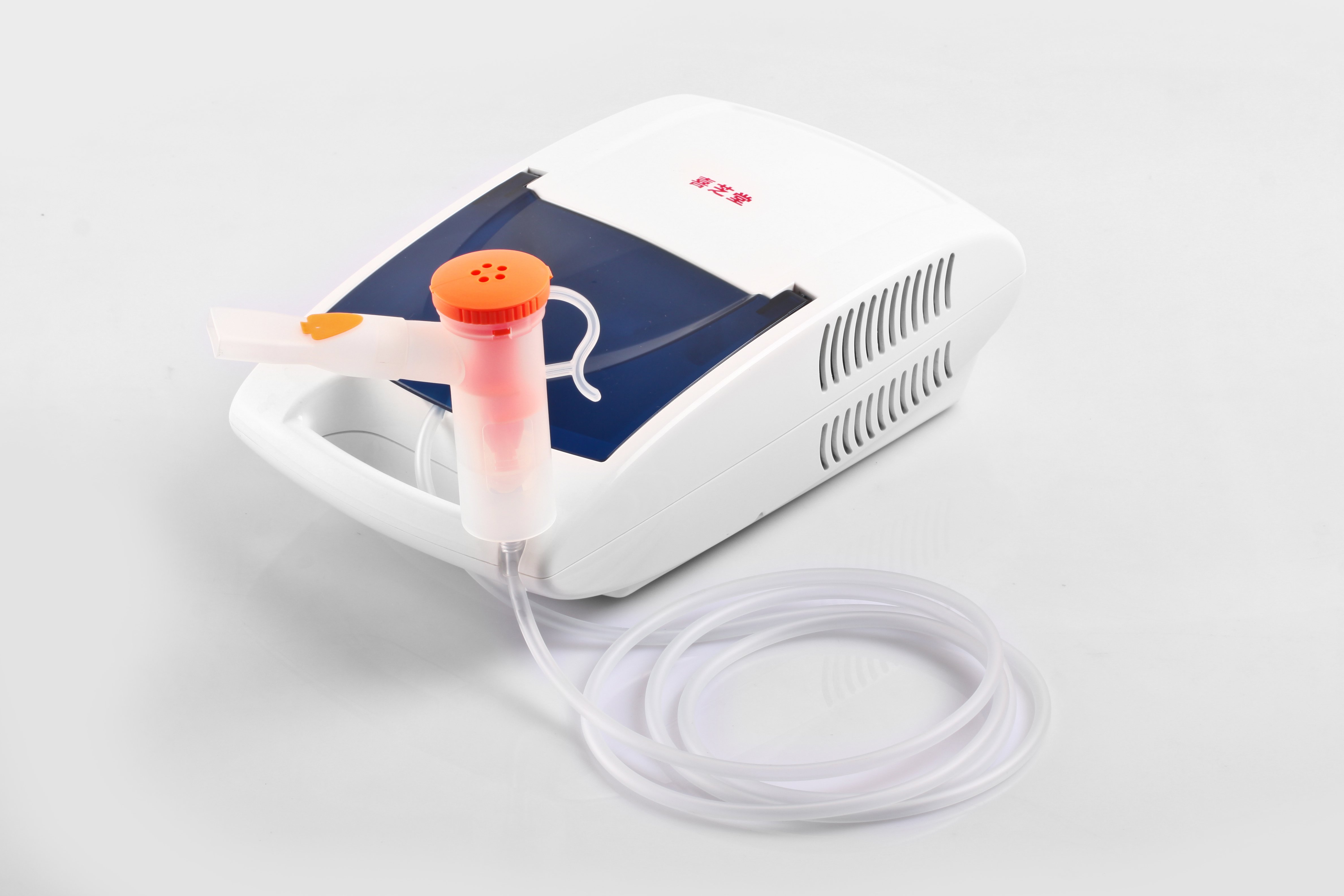
When cold season arrives, many people search for effective relief options and often encounter two common terms: vaporizer and nebulizer. Understanding the distinction between a vaporizer and a nebulizer is essential for making the right choice for your health needs. A vaporizer is a device that heats water to create warm steam, which is then inhaled to ease congestion and soothe respiratory discomfort. The vaporizer works through moist heat therapy, making it a popular household remedy for treating cold symptoms.
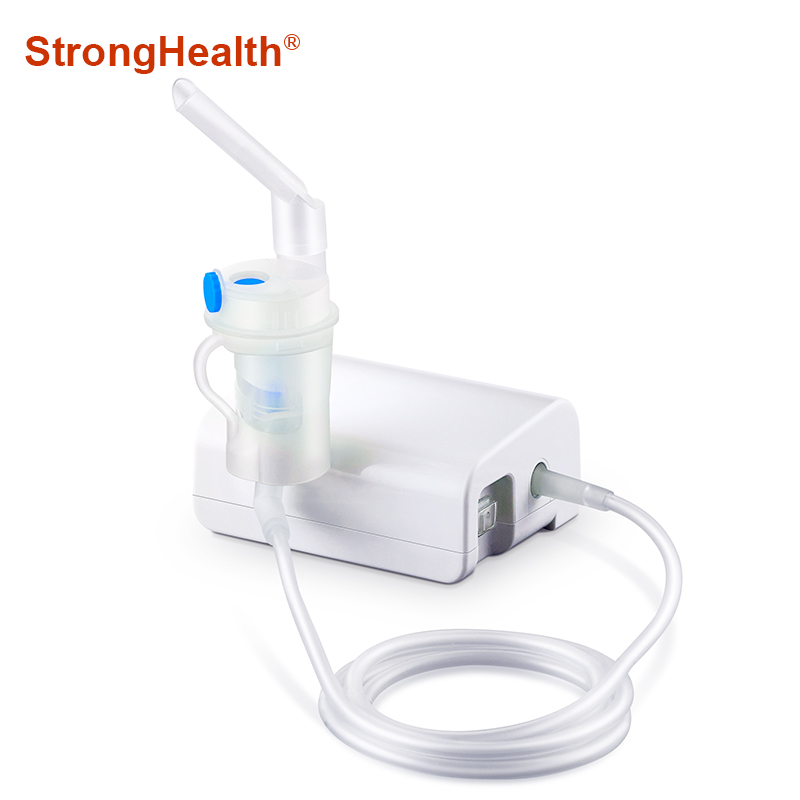
While both a vaporizer and nebulizer aim to deliver moisture to the respiratory tract, they operate using fundamentally different mechanisms. A vaporizer relies on heat to generate steam, whereas a nebulizer uses mechanical vibration or compressed air to create fine mist particles. For individuals dealing with common cold symptoms, the choice between a vaporizer and nebulizer depends on several factors including symptom severity, personal preference, and specific health conditions. This guide will help you understand how each device functions and determine whether a vaporizer or another device is the better option for your cold relief strategy.
How Vaporizer Technology Works
Steam Generation and Heat Mechanism
A vaporizer functions by heating water to its boiling point, transforming liquid water into steam vapor. The internal heating element inside the vaporizer raises the water temperature until steam is produced and released into the air through a nozzle or opening. This heated steam from a vaporizer is then inhaled directly into the nasal passages and lungs, where the moisture helps break up congestion and ease breathing difficulties. Unlike a cold-mist nebulizer, the vaporizer produces warm humidity that many users find more soothing and comforting during a cold.
Moisture Delivery and Respiratory Benefits
The warm mist produced by a vaporizer penetrates the upper and lower respiratory tract, providing immediate relief from nasal congestion and throat irritation. A vaporizer's heated moisture helps loosen thick mucus, making it easier to expel through coughing or blowing your nose. Many people find that using a vaporizer at night during a cold significantly improves sleep quality because the warm steam keeps airways open and reduces congestion. The vaporizer also adds humidity to the room itself, which benefits everyone in the space by preventing further drying of mucous membranes that worsens cold symptoms.
Vaporizer Versus Nebulizer: Key Differences
Temperature and Mist Type Distinction
The primary difference between a vaporizer and nebulizer lies in how each device produces its therapeutic mist. A vaporizer generates warm steam through heat, while a nebulizer creates cool or room-temperature mist through ultrasonic vibration or compressed air technology. The vaporizer's warm output appeals to many cold sufferers because heat itself has mild anti-inflammatory properties and feels comforting when inhaled. A nebulizer, by contrast, delivers medication or saline in the form of fine particles without any heat component, making it more suitable for delivering specific pharmaceutical treatments rather than general moisture therapy.
Application and Cold Treatment Suitability
For treating common colds caused by viruses, a vaporizer is often the preferred choice because it combines moisture therapy with the soothing effects of warmth. A vaporizer requires no medications and works immediately through pure humidification, making it accessible and safe for all age groups. Nebulizers, meanwhile, are typically prescribed when patients need to inhale specific medications, such as bronchodilators or corticosteroids, and are less focused on general cold symptom relief. If your cold is uncomplicated and you need symptom management rather than medication delivery, a vaporizer is usually more practical and effective than a nebulizer.
Choosing the Right Device for Cold Relief
When to Use a Vaporizer
A vaporizer is ideal when you experience nasal congestion, sore throat, and general cold discomfort without underlying respiratory conditions requiring medication. Using a vaporizer provides relief within minutes and can be used continuously throughout the day and especially at night. A vaporizer is particularly beneficial for children and elderly individuals because the device is simple to operate and carries no medication risks. The vaporizer also suits situations where you want immediate symptom relief without waiting for medication to take effect or experiencing side effects associated with pharmaceutical treatments.
Health Conditions and Device Selection
For uncomplicated viral colds, a vaporizer delivers faster, more intuitive relief than a nebulizer because it addresses moisture deprivation directly. However, if you have asthma, bronchitis, or require prescription medications, a nebulizer becomes necessary because only a nebulizer can deliver aerosolized medication effectively. Some individuals benefit from using a vaporizer in combination with other treatments, such as saline rinses or over-the-counter decongestants. Your choice between a vaporizer and nebulizer ultimately depends on whether your goal is moisture therapy for symptom relief or medication delivery for treating specific respiratory conditions triggered or worsened by a cold.
FAQ
Is a vaporizer safe to use for colds?
Yes, a vaporizer is safe for treating colds in most situations. A vaporizer requires no medications and simply adds moisture to the air, making it suitable for all age groups. However, always follow the manufacturer's instructions when using your vaporizer, keep it clean to prevent mold growth, and ensure the vaporizer is placed safely out of reach of children. Some individuals with sensitive airways may find the warm steam from a vaporizer irritating initially, but most people tolerate vaporizer use well.
How long should you run a vaporizer during a cold?
You can use a vaporizer for several hours daily, particularly during sleep when congestion worsens. Most people run their vaporizer for four to eight hours per night or whenever congestion becomes uncomfortable. Your vaporizer should be used until your cold symptoms improve, typically three to seven days for most viral colds. Do not run your vaporizer continuously for extended periods, as excessive humidity over 60 percent can promote mold and dust mite growth in your room.
What is the difference between a vaporizer and a humidifier?
A vaporizer heats water to create warm steam, while a humidifier (typically cold-mist) adds cool moisture to the air without heating. A vaporizer provides both moisture and warmth benefits, making it more therapeutic for colds, while a humidifier simply maintains room humidity levels. A vaporizer is more effective for immediate cold relief, whereas a humidifier is better for maintaining comfortable humidity throughout the year. Both devices add beneficial moisture, but a vaporizer combines this benefit with the soothing effects of warm steam therapy.