
 EN
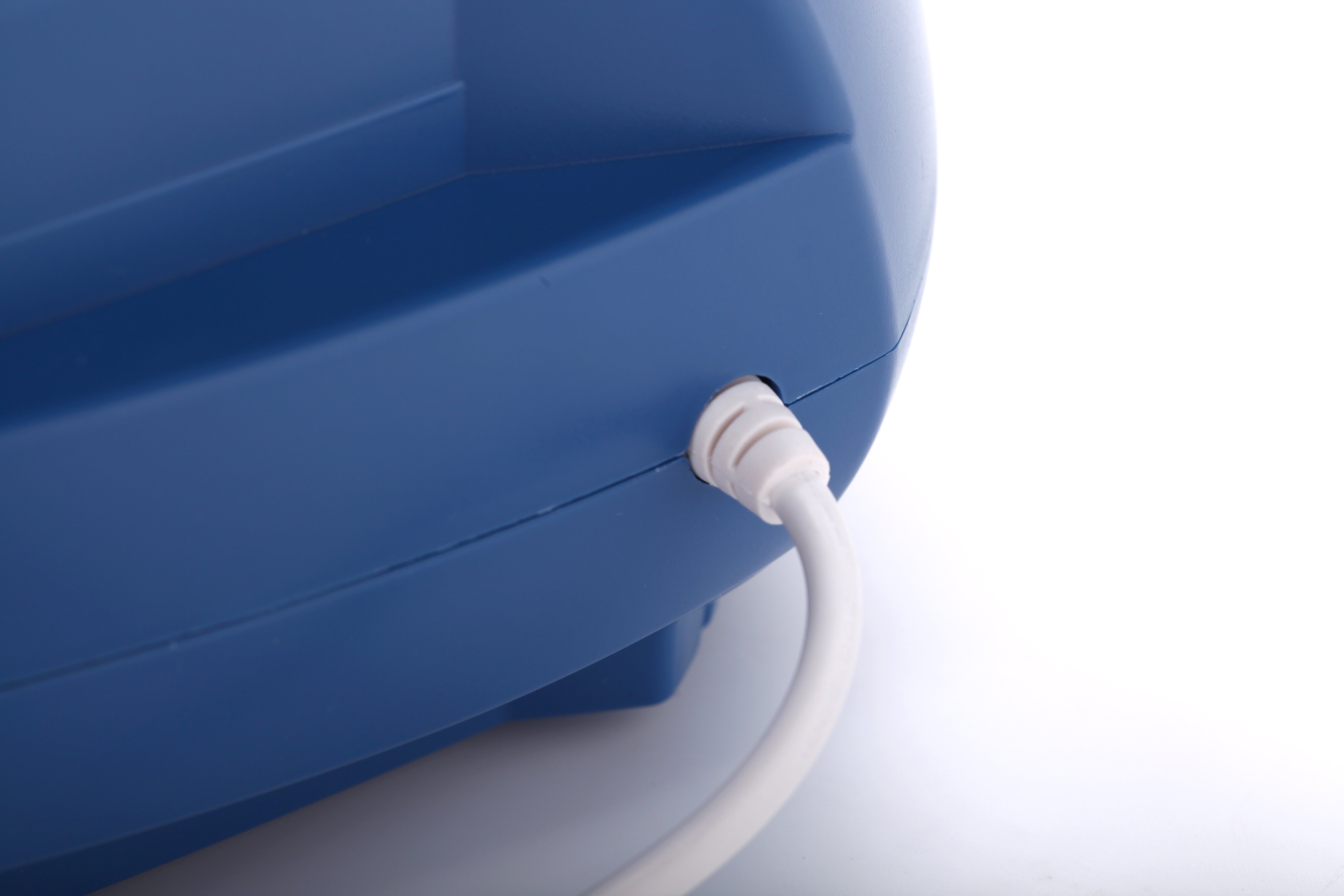
An ultrasonic nebulizer represents one of the most efficient and effective solutions for large volume humidification across industrial, medical, and commercial environments. Unlike traditional humidification methods that rely on heat or mechanical compression, an ultrasonic nebulizer uses high-frequency vibrations to convert liquid into fine aerosol particles, enabling rapid and uniform moisture distribution across expansive spaces. This technology has become essential in facilities requiring consistent humidity control, from pharmaceutical manufacturing to hospital isolation wards and large storage facilities.

Understanding why an ultrasonic nebulizer excels for large volume humidification requires examining its operational mechanics, energy efficiency, and practical advantages over competing technologies. This comprehensive guide explores the core reasons why facilities managers, industrial operators, and healthcare professionals increasingly choose ultrasonic nebulizer systems for their critical humidification needs, along with practical insights into selection and deployment considerations.
Superior Particle Generation and Distribution
Ultrasonic Vibration Technology
An ultrasonic nebulizer operates through piezoelectric elements that vibrate at frequencies between 100 and 180 kilohertz, creating capillary waves on the liquid surface that generate extremely fine aerosol particles, typically ranging from 0.5 to 5 microns in diameter. This particle size is critical for large volume humidification because smaller particles remain suspended in air longer and distribute more evenly throughout expansive indoor spaces compared to larger water droplets produced by conventional spray humidifiers. The ultrasonic nebulizer technology ensures that moisture reaches every corner of a facility without creating wet zones, puddles, or uneven humidity distribution that characterizes older humidification methods.
Rapid Coverage and Consistent Moisture Levels
When managing large volume spaces, an ultrasonic nebulizer delivers consistent humidity levels that remain stable across varying room sizes and environmental conditions. The aerosol particles generated by ultrasonic nebulizer systems disperse uniformly through natural air circulation, eliminating the requirement for complex ductwork or additional fans that increase energy consumption and operational complexity. For industrial environments processing sensitive materials, pharmaceutical facilities requiring stringent humidity control, and medical settings where infection control depends on precise environmental conditions, an ultrasonic nebulizer provides the reliability and precision that traditional systems cannot match.
Energy Efficiency and Operational Cost Reduction
Minimal Power Consumption
An ultrasonic nebulizer consumes significantly less electrical energy compared to heated humidifiers, steam generators, or mechanical compression-based systems, making it an economically attractive choice for large volume humidification applications. Where steam-based systems require continuous heating and may consume 5 to 10 kilowatts during operation, an ultrasonic nebulizer typically operates on 30 to 50 watts, representing a reduction in energy consumption by 99 percent in some configurations. This substantial energy advantage compounds over months and years of continuous operation, particularly in industrial facilities operating 24/7, where cumulative energy savings from ultrasonic nebulizer technology can reach hundreds of thousands of dollars annually.
Extended Equipment Lifespan
Because an ultrasonic nebulizer operates at room temperature without internal heating elements, chemical interactions, or high-pressure components, maintenance requirements remain minimal and equipment degradation occurs slowly. Unlike heated humidifiers that require regular descaling to remove mineral deposits and steam generators prone to corrosion and component failure, an ultrasonic nebilizer maintains consistent performance for extended periods with basic routine cleaning. The simplified mechanical design of ultrasonic nebulizer systems means fewer replacement parts, shorter downtime, and lower total cost of ownership compared to conventional large volume humidification technologies.
Practical Industrial and Medical Applications
Pharmaceutical and Manufacturing Environments
Pharmaceutical manufacturing, electronics assembly, and precision manufacturing facilities depend on stable humidity to prevent electrostatic discharge, product degradation, and quality defects. An ultrasonic nebilizer provides the precise humidity control these environments demand while avoiding the condensation and wet surfaces that compromise equipment and product integrity. The fine particle generation characteristic of ultrasonic nebulizer technology ensures that moisture reaches product storage areas and manufacturing zones without the corrosive effects of traditional steam-based humidification systems.
Healthcare and Laboratory Settings
Hospitals, isolation wards, and research laboratories utilize an ultrasonic nebilizer to maintain recommended humidity levels for infection control, biological sample preservation, and equipment protection. Medical professionals recognize that an ultrasonic nebulizer generates aerosol particles that disperse throughout patient care areas more effectively than mechanical systems, contributing to improved respiratory comfort and reduced pathogen transmission. Laboratory environments where temperature and humidity fluctuations damage sensitive samples and instruments benefit substantially from the stability and precision that ultrasonic nebulizer technology delivers.
Storage and Climate Control
Large storage facilities managing valuable inventory, archival documents, artwork, or climate-sensitive products rely on an ultrasonic nebilizer to maintain optimal humidity without introducing excess water or creating environmental stress on stored materials. Unlike spray humidifiers that can over-saturate localized areas or steam systems that require ventilation ductwork, an ultrasonic nebulizer distributes moisture uniformly across expansive storage spaces while preventing condensation that invites mold growth and material deterioration. Facility operators recognize that an ultrasonic nebilizer represents the most practical solution for large volume humidification where precision and reliability directly impact inventory protection and business continuity.
FAQ
How does an ultrasonic nebulizer compare to steam humidifiers for large volume humidification?
An ultrasonic nebilizer consumes approximately 99 percent less energy than steam humidifiers, generates finer aerosol particles that distribute more evenly, and avoids the condensation and corrosion problems associated with steam systems. While steam humidifiers require constant heating and produce larger water droplets that settle quickly, an ultrasonic nebilizer operates at room temperature and creates particles that remain suspended and drift throughout large spaces. For facilities prioritizing energy efficiency, equipment longevity, and uniform humidity distribution, an ultrasonic nebilizer delivers superior performance and significantly lower operational costs.
What maintenance does an ultrasonic nebilizer require for continuous operation?
An ultrasonic nebilizer requires minimal maintenance consisting primarily of regular cleaning of the water tank, periodic replacement of water filters to prevent mineral buildup, and occasional inspection of the ultrasonic transducer for debris. Unlike steam humidifiers requiring descaling and chemical treatments or mechanical systems needing regular component replacement, an ultrasonic nebilizer maintains consistent performance through basic preventive care. The simplified design of ultrasonic nebilizer technology means facility operators experience minimal downtime and predictable maintenance costs throughout the equipment lifecycle.
Can an ultrasonic nebilizer handle very large industrial spaces above 10,000 cubic meters?
Yes, large volume humidification in expansive industrial spaces can be effectively managed by deploying multiple ultrasonic nebilizer units strategically positioned throughout the facility, or by selecting industrial-grade ultrasonic nebilizer systems designed specifically for high-capacity applications. The scalability of ultrasonic nebilizer technology allows operators to expand humidification coverage by adding units rather than replacing entire systems, making it cost-effective for growing facilities. Modern ultrasonic nebilizer systems can be networked for coordinated humidity monitoring and control, ensuring that even the largest industrial spaces maintain consistent moisture levels across all zones.