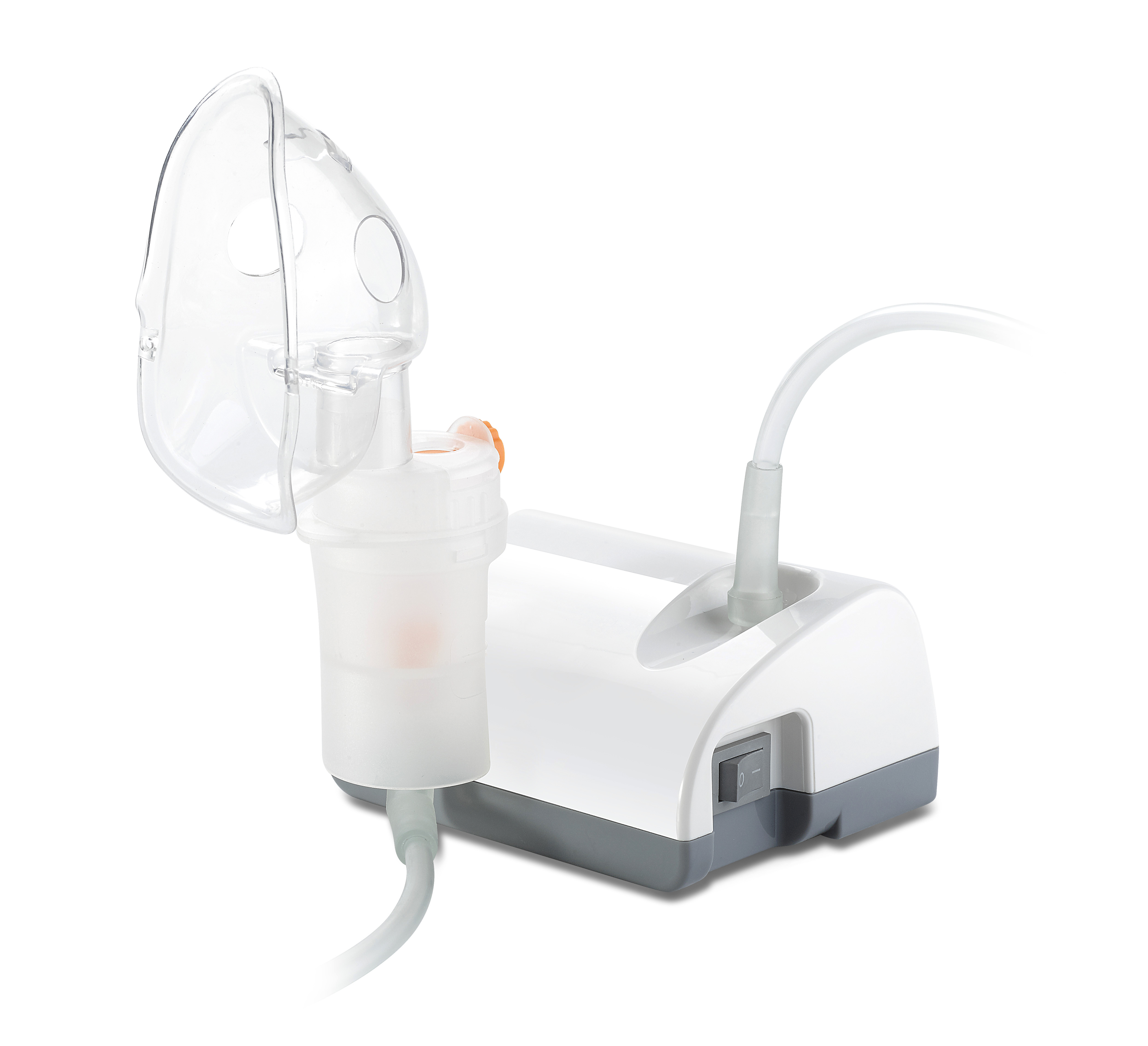
nébuliseur portable avec masque
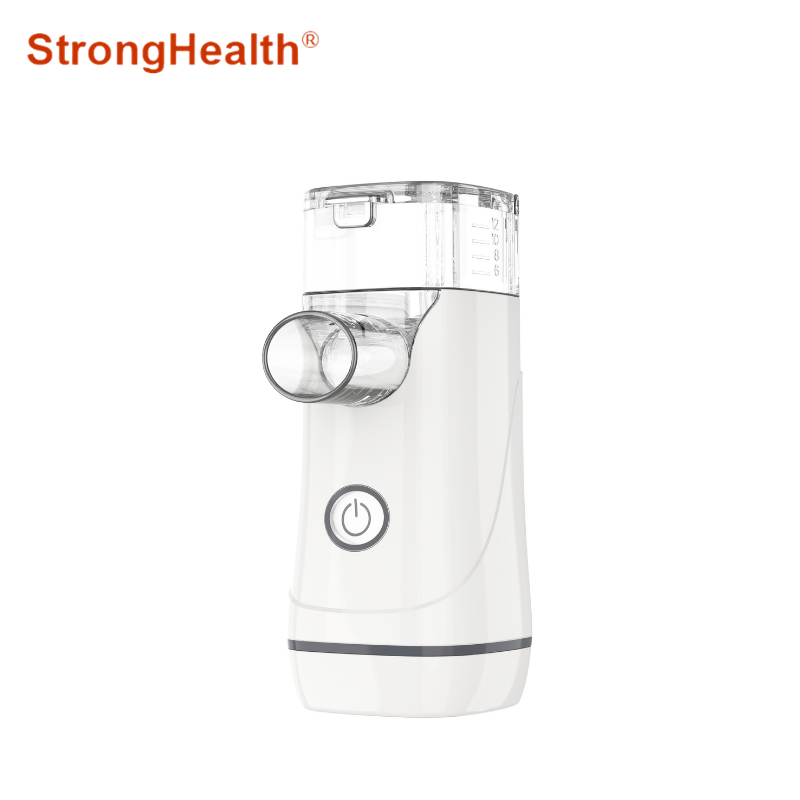
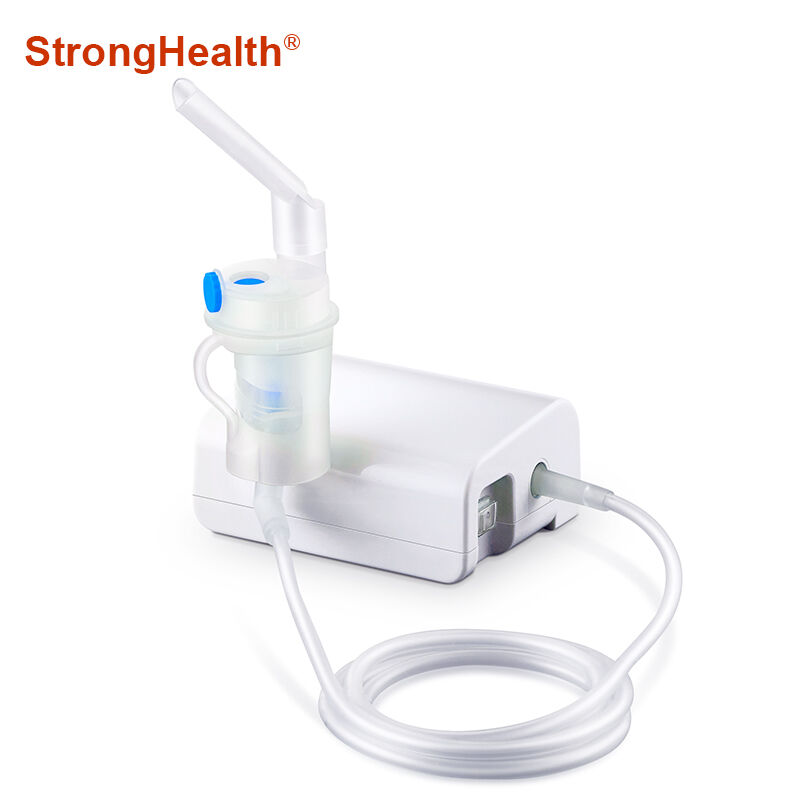
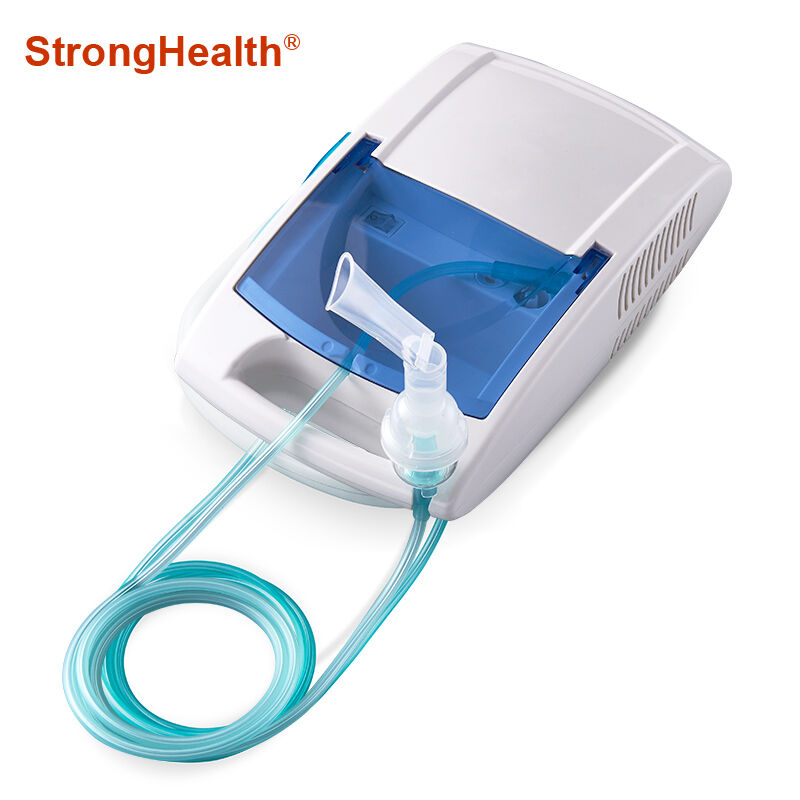
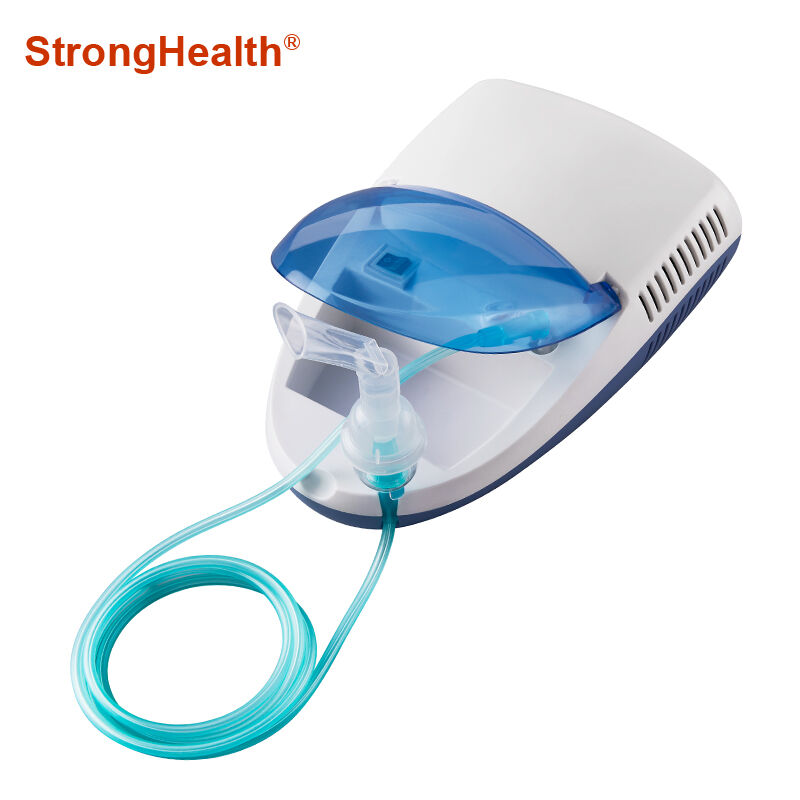
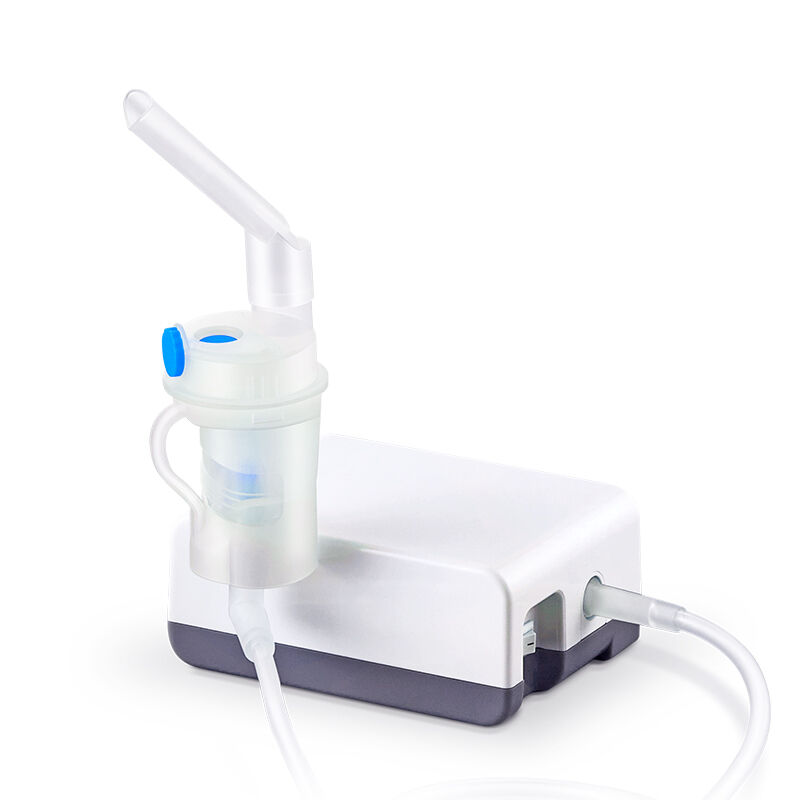
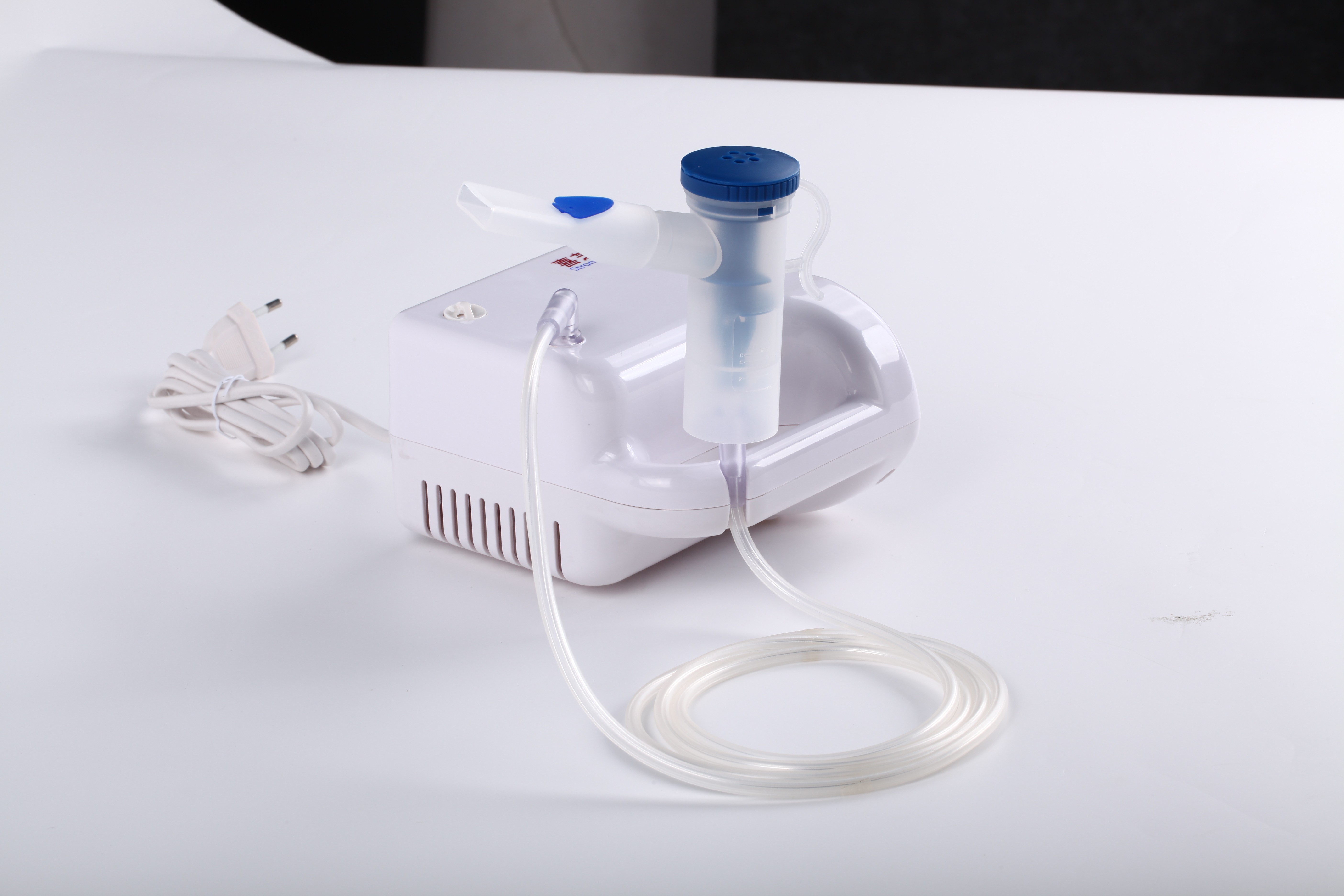
Le nébuliseur portable avec masque représente une avancée révolutionnaire dans la technologie des soins respiratoires, conçu pour administrer directement le médicament aux poumons sous forme d’un fin brouillard de particules thérapeutiques. Ce dispositif médical compact transforme les médicaments liquides en aérosol, facilitant ainsi considérablement l’inhalation efficace des traitements par les patients. La conception intégrée du masque garantit une administration optimale du médicament tout en assurant un confort pendant les séances de traitement prolongées. Les nébuliseurs portables modernes avec masque utilisent des technologies ultrasoniques ou à maille avancées afin de produire des tailles de particules constantes, généralement comprises entre 1 et 5 microns, idéales pour une pénétration profonde dans les poumons. L’appareil fonctionne soit sur piles, soit via une connexion électrique, offrant ainsi une grande flexibilité pour une utilisation à domicile, en déplacement ou en situation d’urgence. Parmi ses principales caractéristiques technologiques figurent des débits de nébulisation réglables, des modes de fonctionnement silencieux et une fonction d’arrêt automatique empêchant la surchauffe et le gaspillage de médicament. Le composant masque est généralement fabriqué en silicone ou en plastique de qualité médicale, garantissant sa biocompatibilité et sa stérilisation aisée. De nombreux modèles intègrent des indicateurs LED affichant l’autonomie restante de la batterie, l’état de fonctionnement et des rappels d’entretien. La capacité de la chambre à médicament varie habituellement de 0,5 ml à 6 ml, permettant d’adapter l’appareil à divers protocoles thérapeutiques. Ses applications couvrent plusieurs affections respiratoires, notamment l’asthme, la maladie pulmonaire obstructive chronique (MPOC), la bronchite, la convalescence après une pneumonie et la prise en charge de la mucoviscidose. Les professionnels de santé recommandent fréquemment les systèmes de nébuliseurs portables avec masque aux patients nécessitant des traitements fréquents par bronchodilatateurs, une administration de corticoïdes inhalés ou des thérapies mucolytiques. Cet appareil s’avère particulièrement précieux pour les patients pédiatriques qui éprouvent des difficultés avec les inhalateurs traditionnels, les personnes âgées présentant des troubles de la coordination, ainsi que les patients souffrant d’un détresse respiratoire aiguë. Les services médicaux d’urgence utilisent également ces dispositifs pour une intervention rapide lors d’urgences respiratoires, tandis que les prestataires de soins à domicile apprécient leur fiabilité dans le cadre de programmes de prise en charge à long terme des patients.


 EN
EN