quiet nebulizer compressor
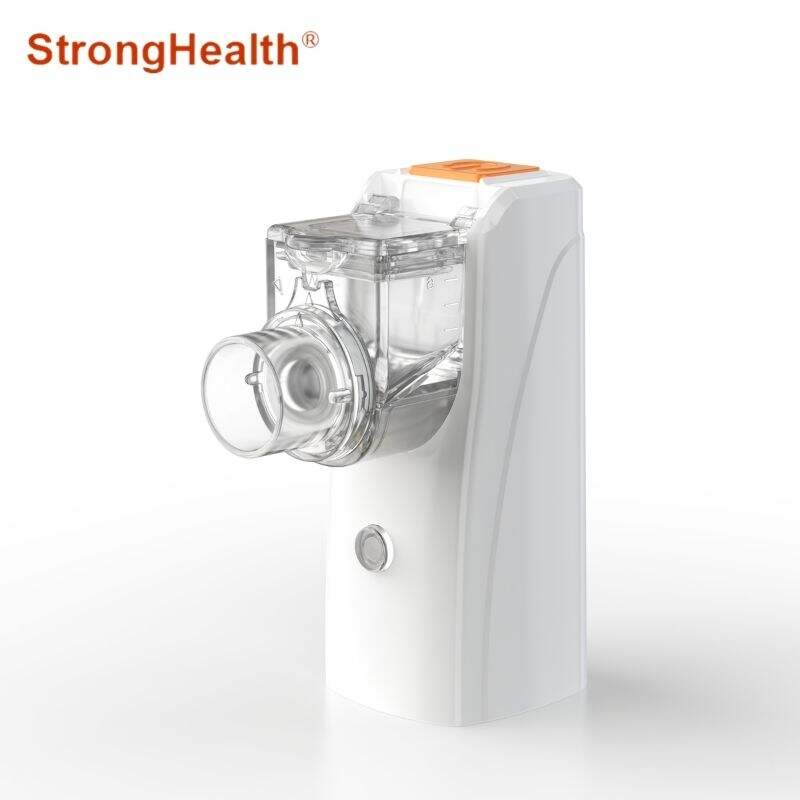
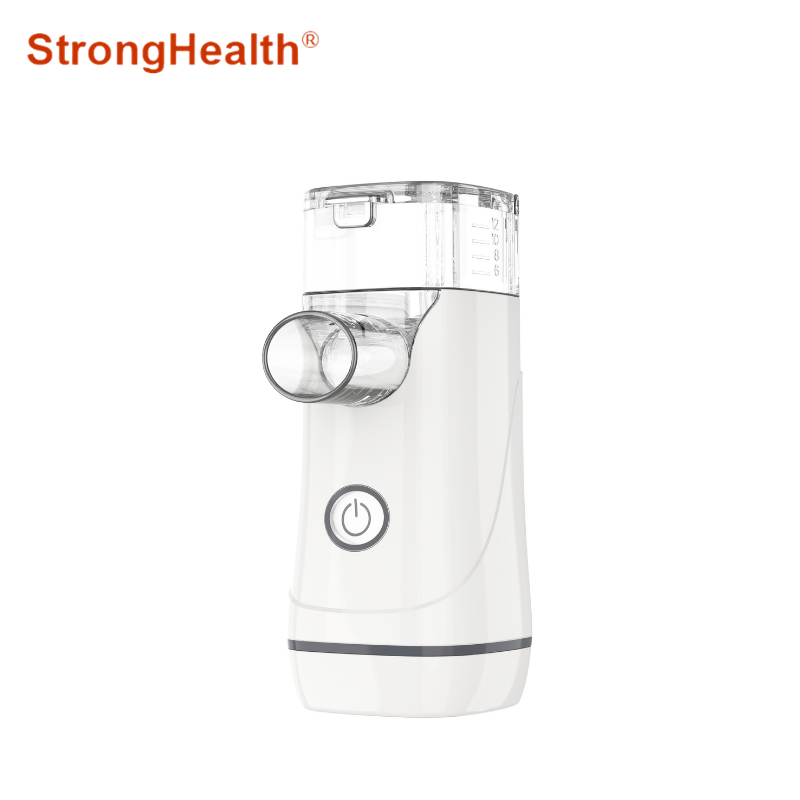
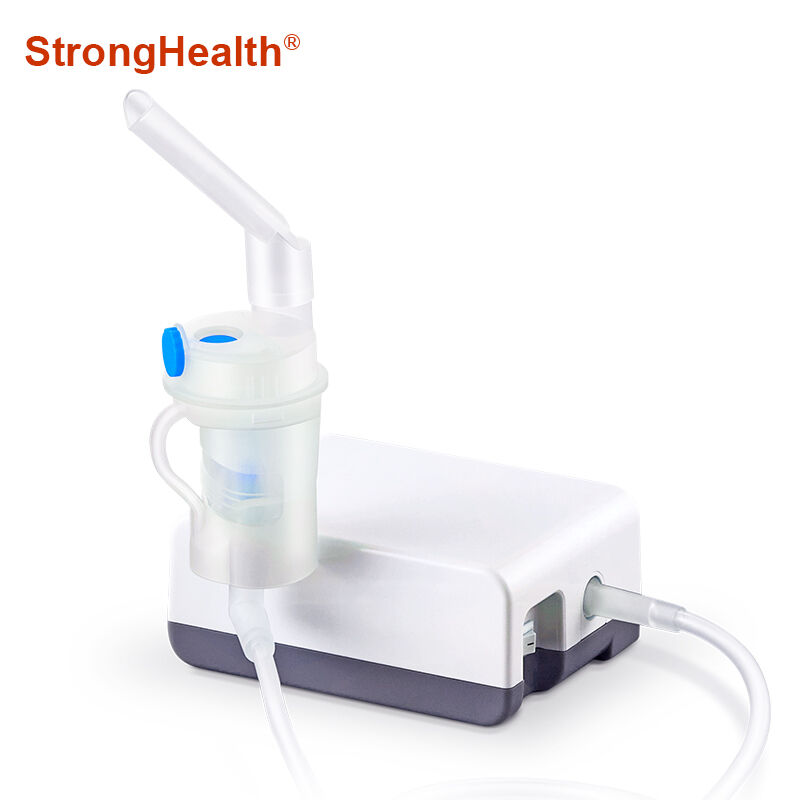
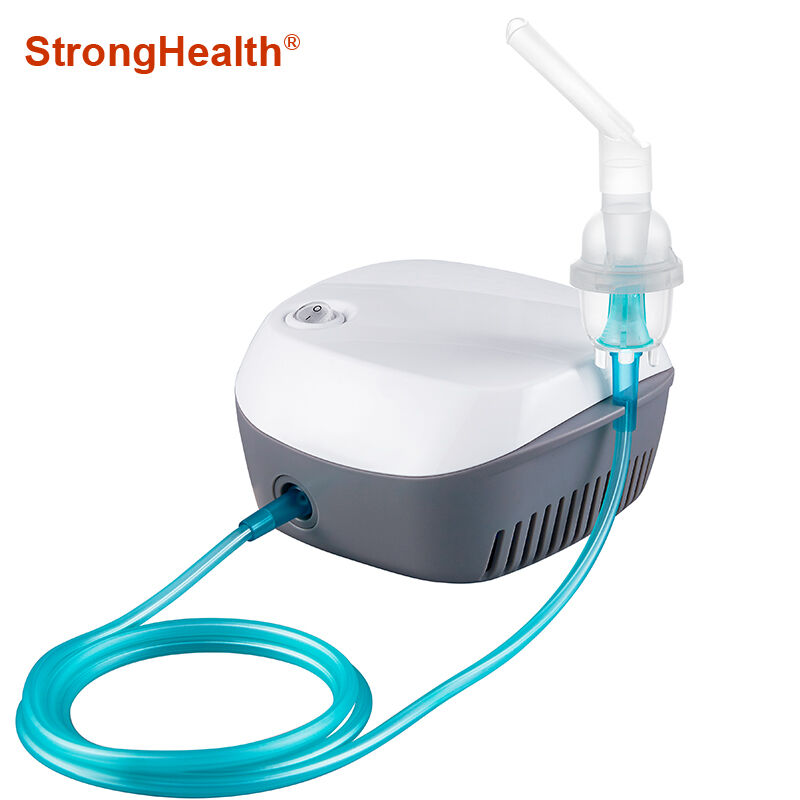
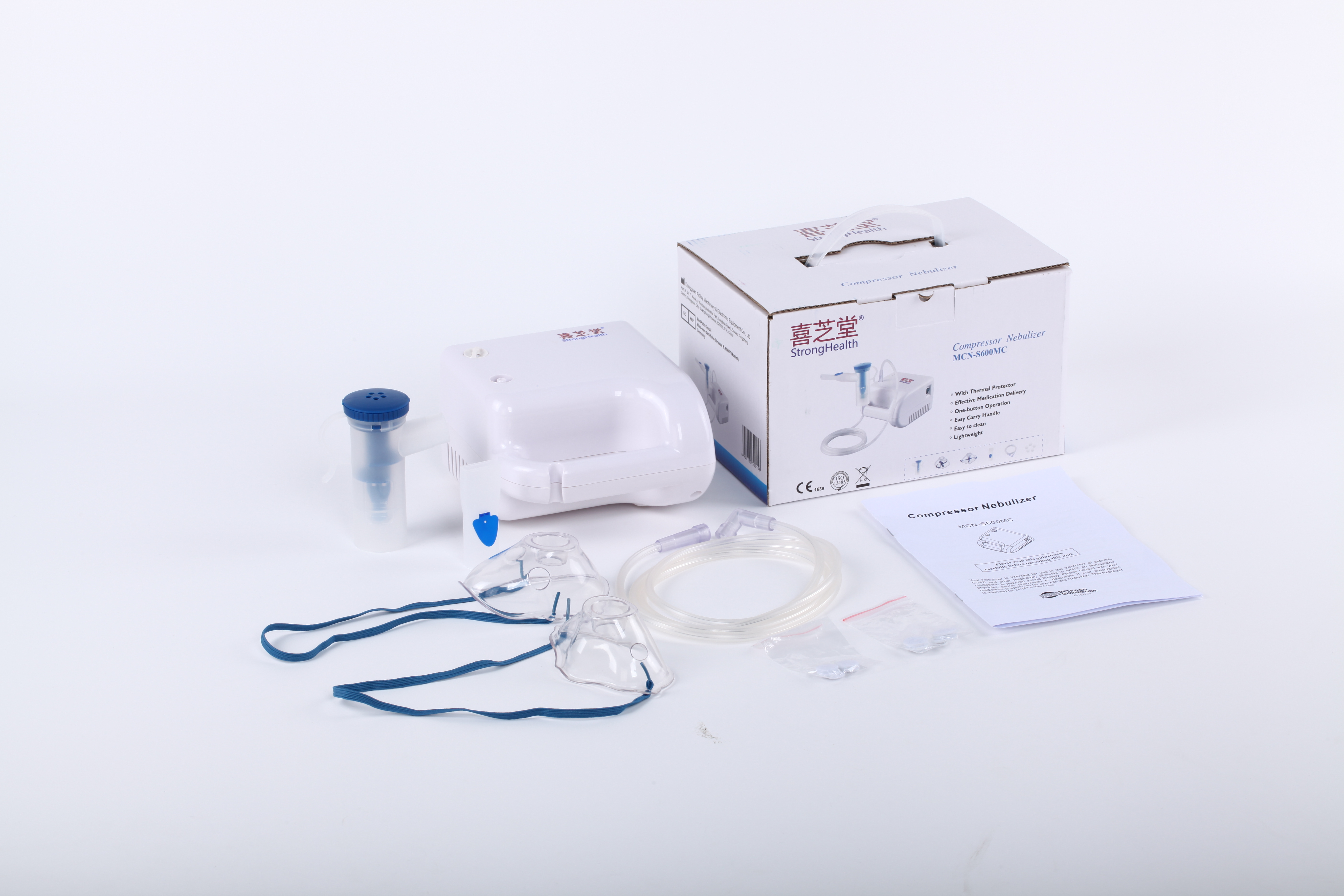
The quiet nebulizer compressor represents a breakthrough in respiratory therapy technology, designed to deliver efficient medication delivery while maintaining minimal noise levels during operation. This advanced medical device transforms liquid medications into fine mist particles that patients can easily inhale, making it an essential tool for treating various respiratory conditions including asthma, chronic obstructive pulmonary disease, and other breathing disorders. The quiet nebulizer compressor operates through a sophisticated compression mechanism that generates pressurized air, which passes through liquid medication to create therapeutic aerosols. Unlike traditional nebulizers that produce significant operational noise, this innovative device incorporates sound-dampening technologies and precision-engineered components to ensure peaceful treatment sessions. The compressor unit features a powerful yet whisper-quiet motor that maintains consistent pressure output while minimizing vibrations and acoustic disturbances. Modern quiet nebulizer compressor models utilize advanced piston technology combined with noise-reduction chambers that effectively muffle operational sounds without compromising performance. The device typically includes multiple attachments such as adult and pediatric masks, mouthpieces, and medication cups to accommodate different patient needs and age groups. These compressors are engineered with user-friendly controls, allowing patients to adjust treatment intensity and monitor medication delivery progress. The quiet nebulizer compressor finds extensive applications in home healthcare settings, hospitals, clinics, and pediatric care facilities where noise reduction is particularly important. Healthcare providers recommend these devices for patients requiring regular respiratory treatments, especially children who may be sensitive to loud mechanical sounds. The technology behind quiet nebulizer compressors involves precision manufacturing of internal components, strategic placement of sound-absorbing materials, and optimization of airflow patterns to minimize turbulence-related noise while maintaining therapeutic effectiveness and medication delivery efficiency.



 EN
EN