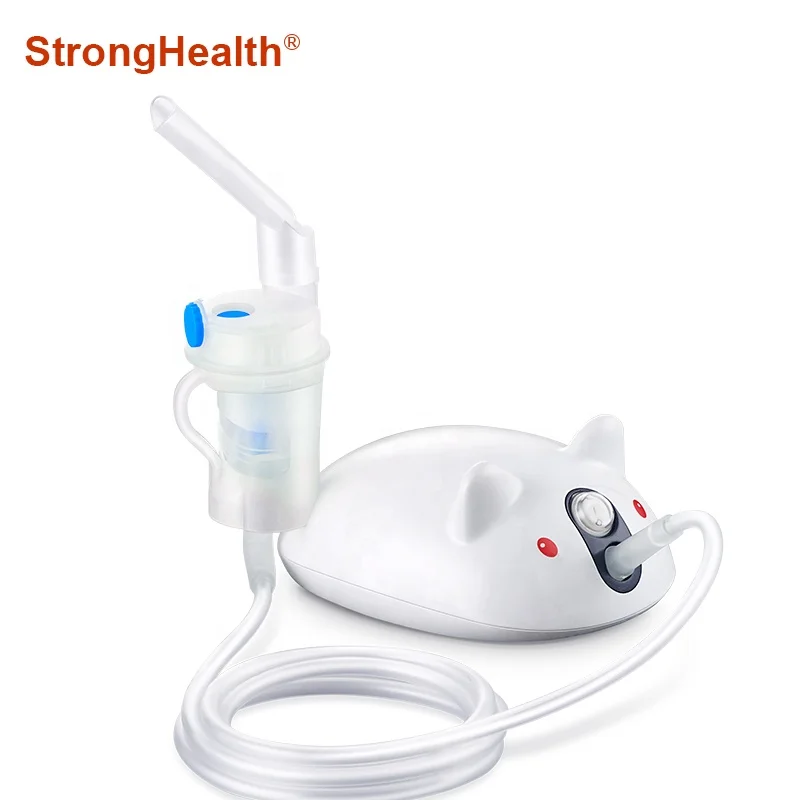
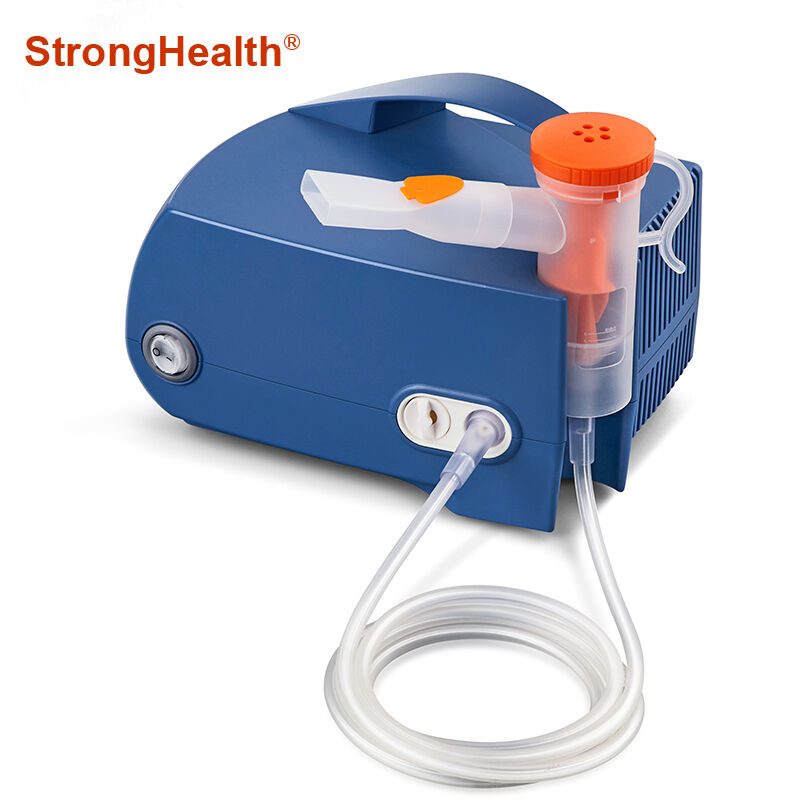
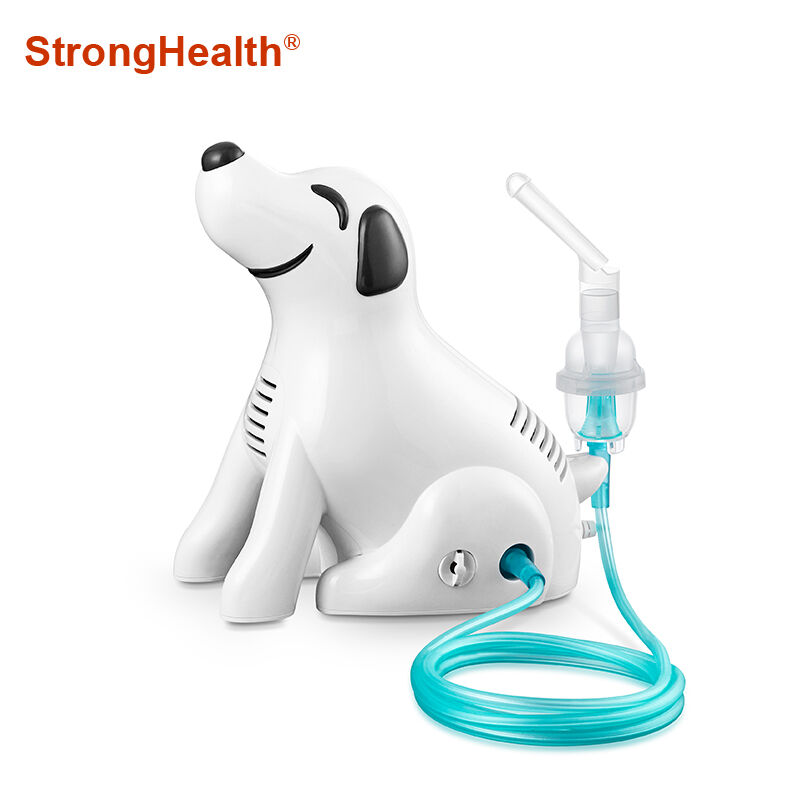
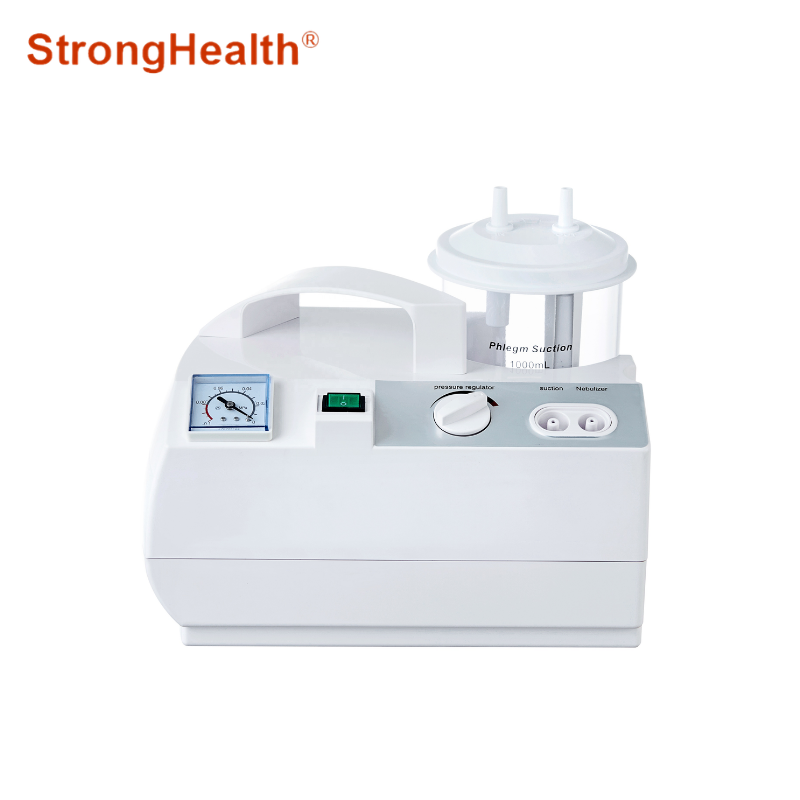
air compressor nebulizer machine
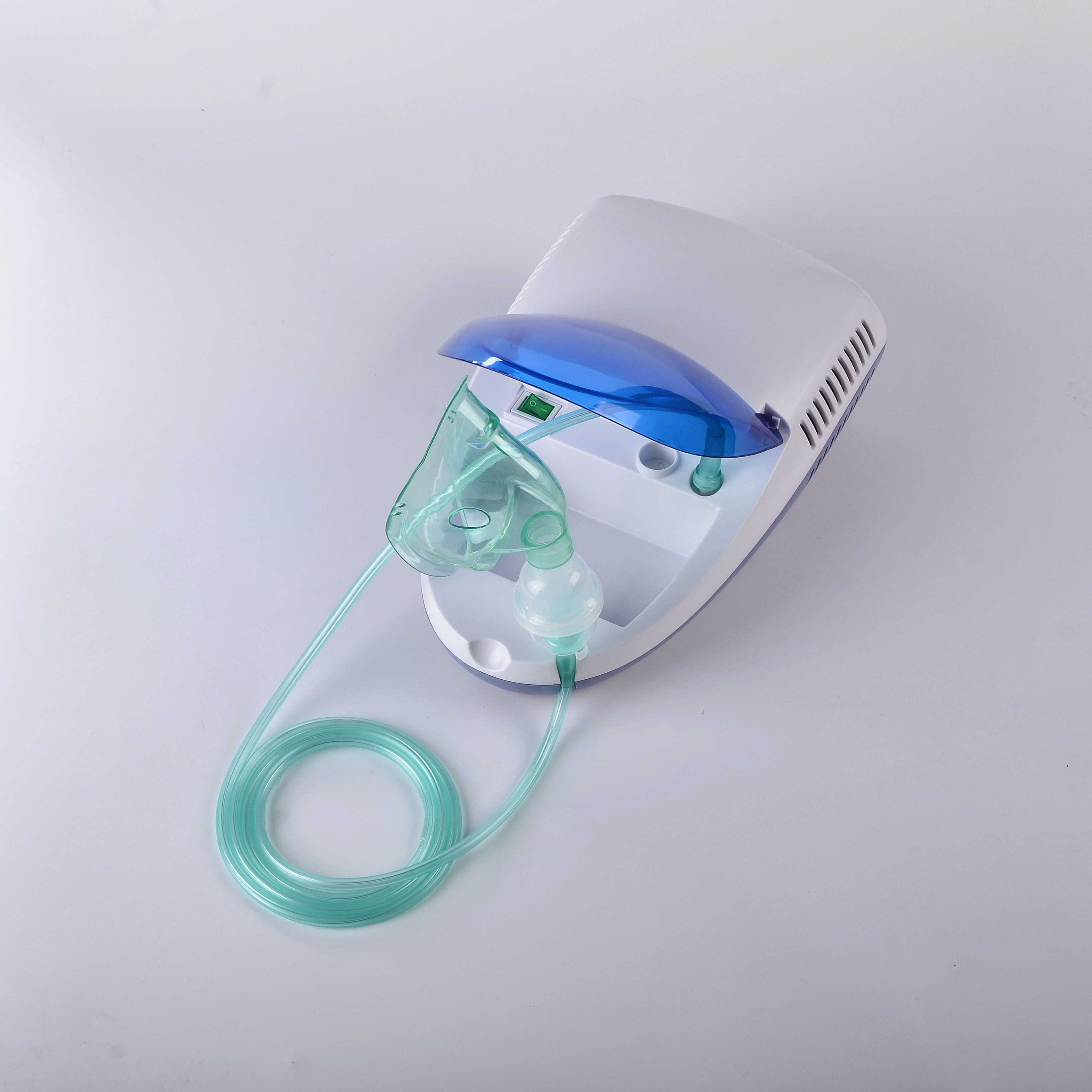
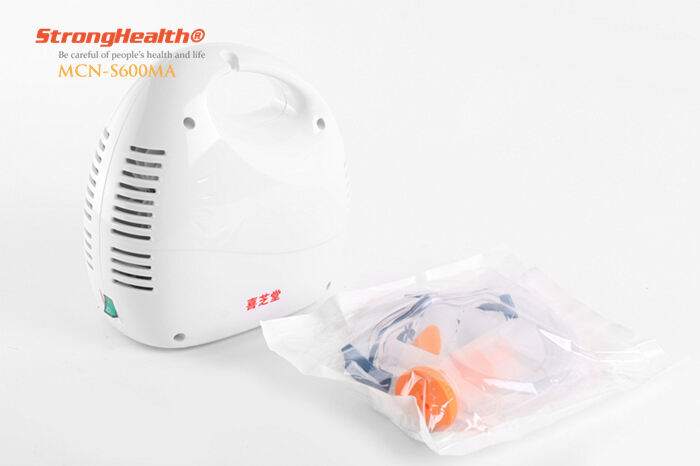
An air compressor nebulizer machine represents a revolutionary medical device designed to deliver precise medication directly to the respiratory system through advanced atomization technology. This sophisticated equipment transforms liquid medications into fine mist particles, enabling effective treatment for various respiratory conditions including asthma, chronic obstructive pulmonary disease, bronchitis, and pneumonia. The air compressor nebulizer machine operates by utilizing compressed air to break down medications into microscopic droplets, creating an inhalable aerosol that reaches deep into the lungs where therapeutic action is most needed. The core functionality revolves around its powerful yet quiet compressor unit that generates consistent airflow through specialized tubing connected to a nebulization chamber. Within this chamber, liquid medications encounter high-velocity air streams that fragment them into particles typically ranging from 1 to 5 micrometers in diameter, ensuring optimal lung penetration and absorption. Modern air compressor nebulizer machines incorporate advanced filtration systems that purify incoming air, removing contaminants and ensuring sterile medication delivery. The technological framework includes pressure regulation mechanisms that maintain steady airflow rates, typically between 5 to 8 liters per minute, guaranteeing consistent treatment effectiveness. Temperature control features prevent medication degradation during the nebulization process, while ergonomic design elements enhance user comfort during extended treatment sessions. These devices accommodate various medication types, from bronchodilators and corticosteroids to antibiotics and mucolytics, making them versatile tools for comprehensive respiratory therapy. Clinical applications extend beyond traditional hospital settings to include home healthcare, rehabilitation centers, and emergency medical services. The air compressor nebulizer machine proves invaluable for pediatric patients who struggle with traditional inhalers, elderly individuals with limited dexterity, and patients requiring high-dose medication delivery. Its reliability and effectiveness have established it as a cornerstone of modern respiratory treatment protocols worldwide.


 EN
EN