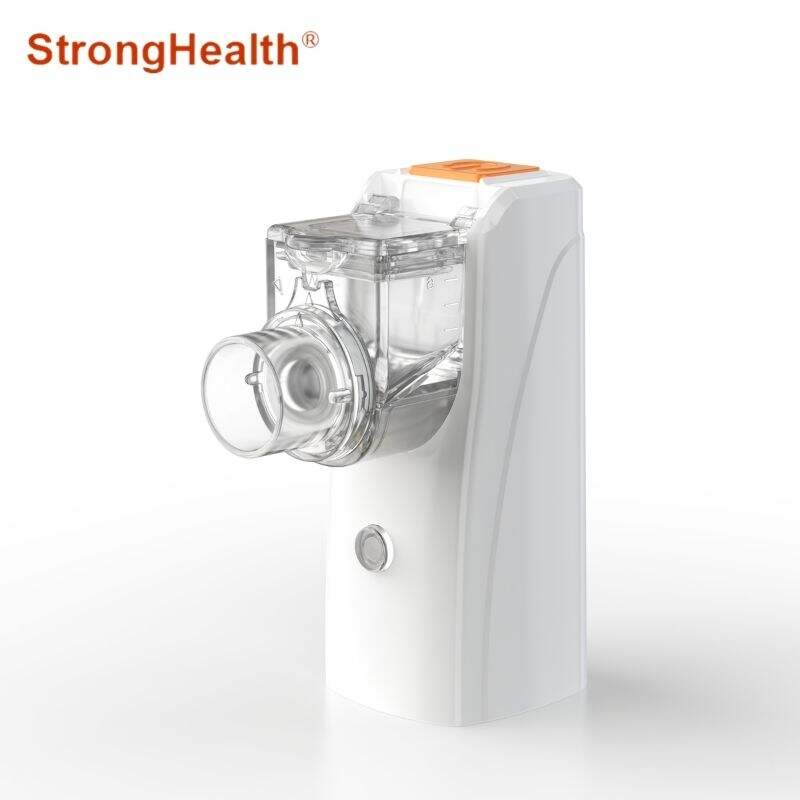
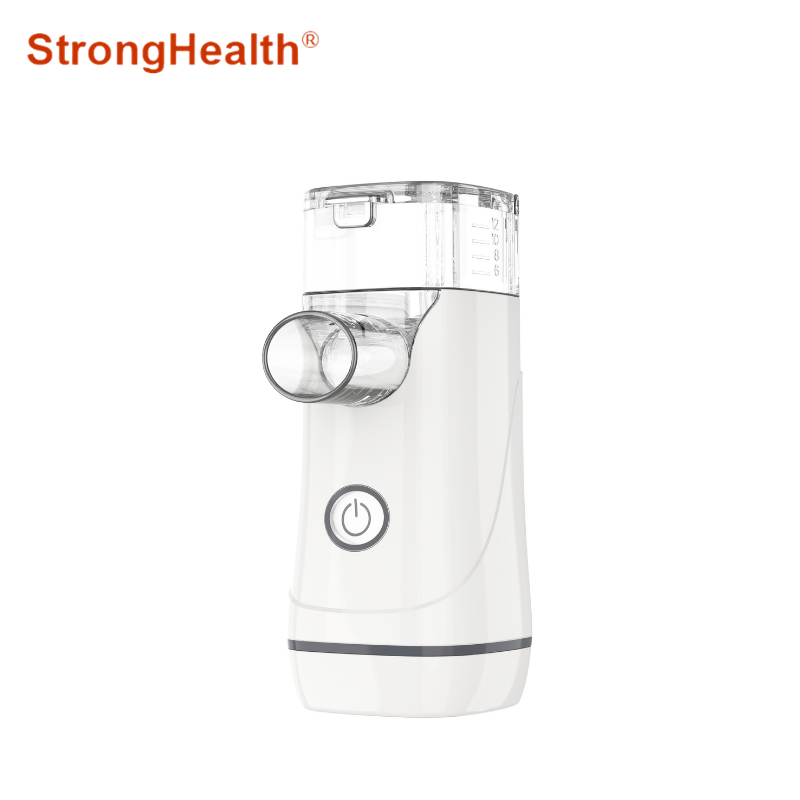
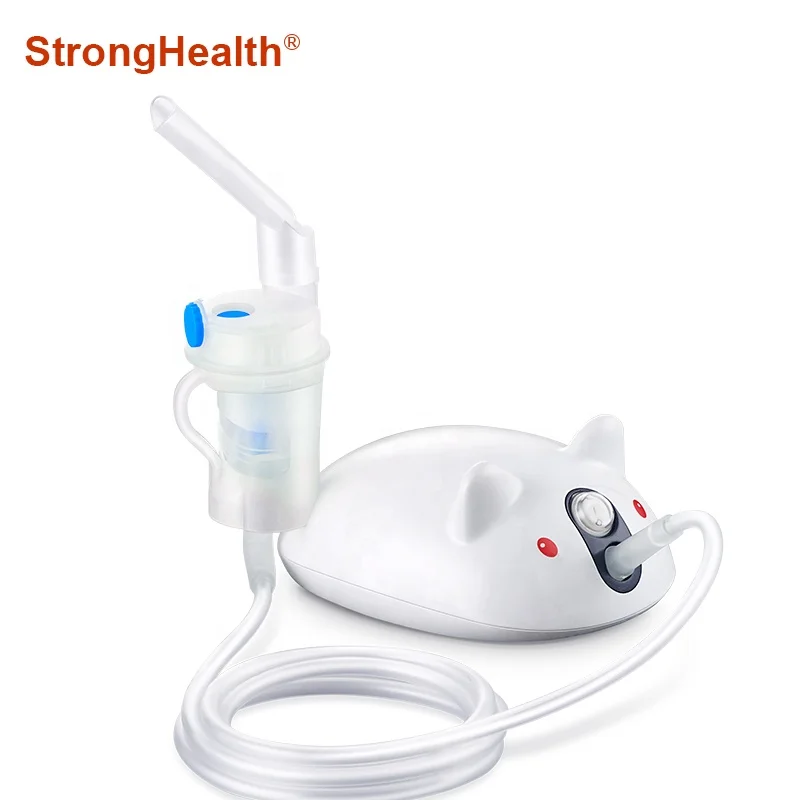
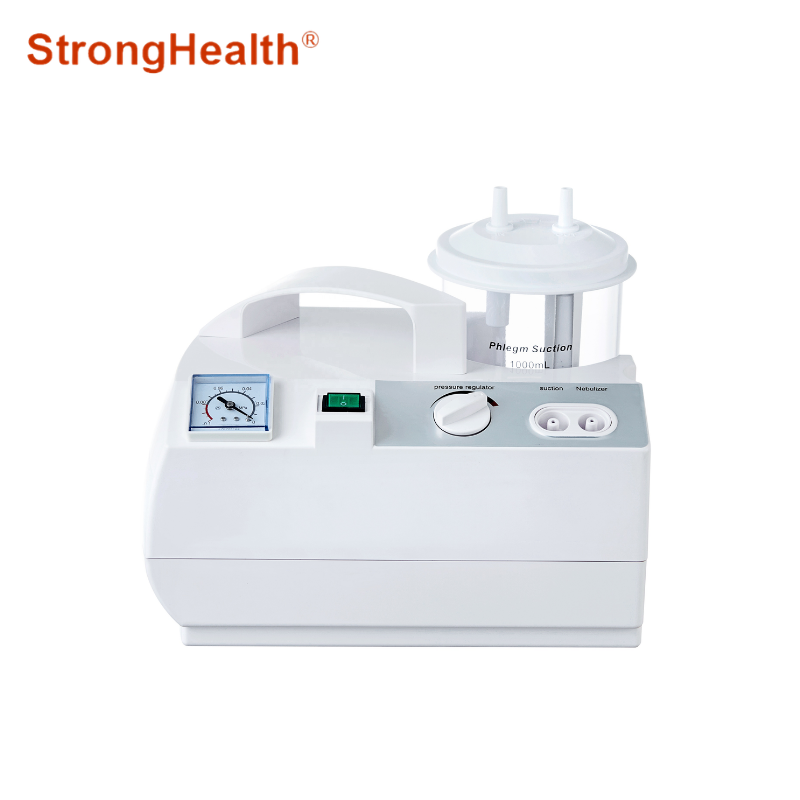
disposable nebulizer
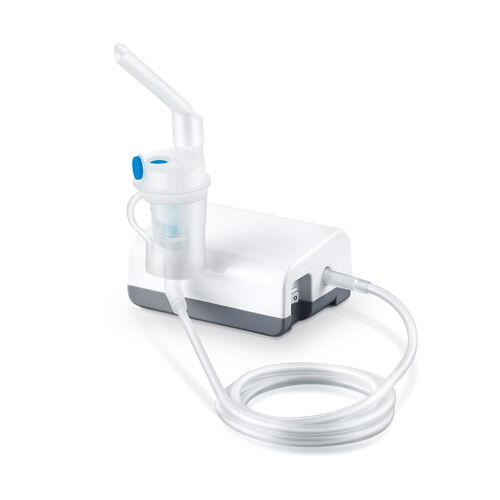
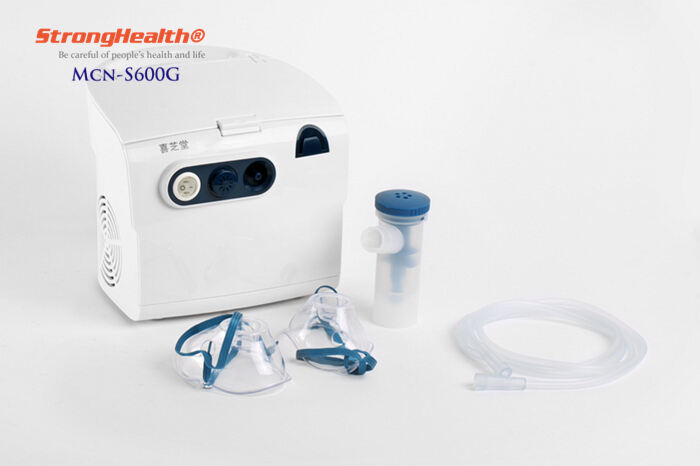
The disposable nebulizer represents a significant advancement in respiratory care technology, designed to deliver medication directly to the lungs through aerosolized particles. This medical device converts liquid medications into fine mist particles, enabling effective treatment for various respiratory conditions including asthma, chronic obstructive pulmonary disease, and bronchitis. The disposable nebulizer operates through pneumatic technology, utilizing compressed air or oxygen to create the necessary pressure for medication atomization. The device features a medication chamber that holds liquid pharmaceuticals, connected to a mouthpiece or mask for patient inhalation. Modern disposable nebulizer units incorporate advanced engineering to ensure consistent particle size distribution, typically ranging from 1 to 5 microns for optimal lung penetration. The technological framework includes precision-engineered baffle systems that control aerosol generation and minimize medication waste. These devices maintain sterile conditions throughout the treatment process, reducing contamination risks associated with reusable equipment. The disposable nebulizer design eliminates cross-contamination concerns while providing healthcare facilities with cost-effective respiratory therapy solutions. Clinical applications span across hospital settings, outpatient clinics, home healthcare environments, and emergency medical services. The device accommodates various medication types, including bronchodilators, corticosteroids, antibiotics, and mucolytic agents. Healthcare providers appreciate the disposable nebulizer for its reliability in delivering precise dosages without requiring extensive maintenance protocols. The compact design facilitates easy transport and storage, making it ideal for ambulatory care situations. Quality control measures ensure each disposable nebulizer meets pharmaceutical-grade standards for medication delivery efficiency. The device construction utilizes medical-grade plastics that resist chemical degradation while maintaining structural integrity throughout the treatment duration.

 EN
EN