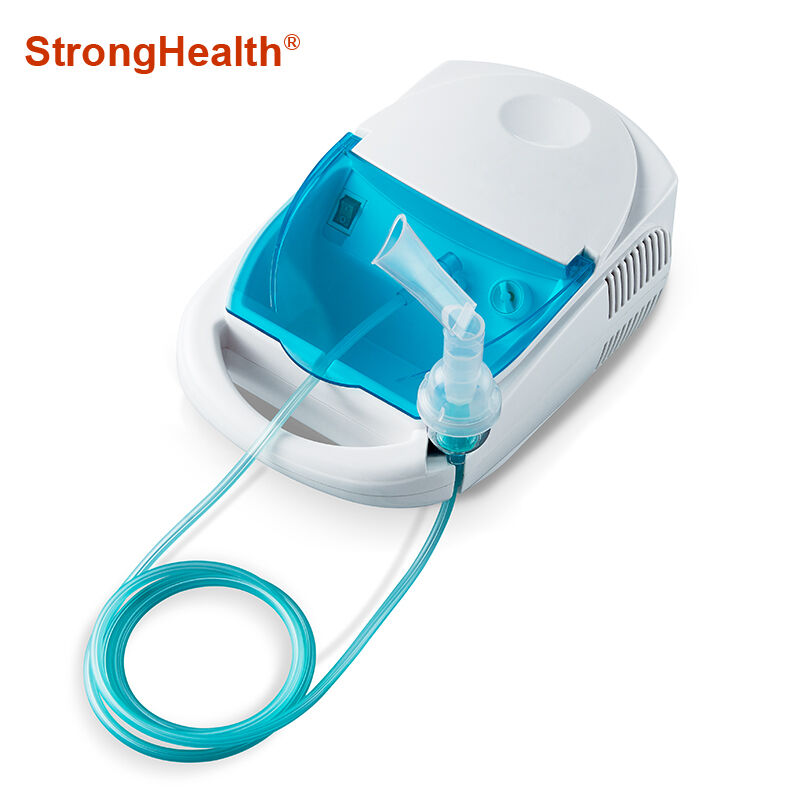
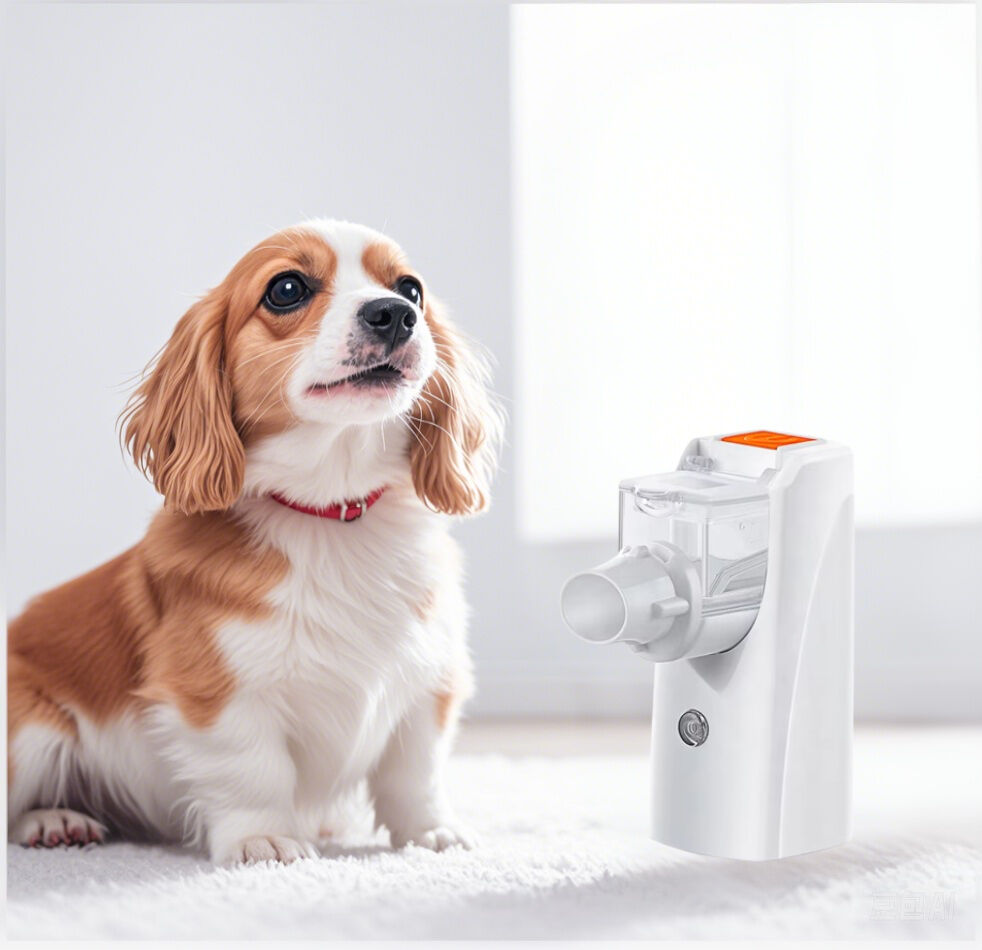
Advanced Inhaler for Allergic Asthma: Smart Technology and Targeted Relief Solutions

Please Contact Us If You  Have Any Suggestions

All Categories

inhaler for allergic asthma

The inhaler for allergic asthma represents a revolutionary medical device designed specifically to provide rapid relief and long-term management for individuals suffering from allergy-induced respiratory distress. This sophisticated therapeutic tool combines advanced drug delivery mechanisms with user-friendly design elements to ensure optimal medication distribution directly to the airways where it is needed most. The primary function of the inhaler for allergic asthma centers on delivering precisely measured doses of bronchodilators, corticosteroids, or combination medications that work to open constricted airways, reduce inflammation, and prevent future asthmatic episodes triggered by environmental allergens such as pollen, dust mites, pet dander, and other common irritants. Technologically, modern inhalers for allergic asthma incorporate pressurized metered-dose systems or dry powder mechanisms that guarantee consistent drug delivery regardless of the user's breathing pattern or technique. Many advanced models feature dose counters that track medication usage, ensuring patients never run out unexpectedly during critical moments. The ergonomic design includes comfortable grip surfaces and intuitive activation mechanisms that make the device accessible for users of all ages, from children to elderly patients managing chronic allergic asthma conditions. Smart inhaler technology has emerged as a game-changing feature, with some devices now offering Bluetooth connectivity to smartphone applications that monitor usage patterns, remind users of scheduled doses, and provide valuable data to healthcare providers for treatment optimization. The applications of the inhaler for allergic asthma extend beyond immediate symptom relief to encompass comprehensive disease management strategies. These devices serve as essential components in both rescue therapy during acute allergic reactions and preventive treatment regimens designed to maintain stable respiratory function over extended periods. Healthcare professionals commonly prescribe different types of inhalers for allergic asthma based on severity levels, frequency of symptoms, and individual patient response patterns, creating personalized treatment approaches that maximize therapeutic outcomes while minimizing potential side effects or complications.
Popular Products

The inhaler for allergic asthma offers numerous compelling advantages that make it an indispensable tool for effective respiratory health management. First and foremost, these devices provide immediate symptom relief during allergic reactions, often working within minutes to open restricted airways and restore normal breathing patterns. This rapid response capability can be life-saving during severe allergic episodes where delayed treatment might result in dangerous complications or emergency medical situations. The portability factor represents another significant advantage, as the compact design allows patients to carry their inhaler for allergic asthma anywhere, ensuring constant access to essential medication whether at home, work, school, or during travel. This mobility empowers individuals to maintain active lifestyles without fear of being caught unprepared during unexpected allergic encounters. The precision dosing mechanism built into modern inhalers for allergic asthma ensures patients receive exactly the right amount of medication with each use, eliminating guesswork and reducing the risk of under-dosing or overdosing that could compromise treatment effectiveness. This accuracy particularly benefits children and elderly users who might struggle with calculating appropriate medication amounts using alternative delivery methods. Cost-effectiveness represents a substantial advantage when compared to frequent emergency room visits or hospitalization expenses that could result from poorly managed allergic asthma. Regular use of an inhaler for allergic asthma helps prevent severe episodes that require expensive emergency interventions, making it a smart long-term investment in health management. The ease of use factor cannot be overstated, as most patients can learn proper inhaler technique quickly with minimal training from healthcare providers. This accessibility ensures that individuals can take control of their condition without requiring extensive medical supervision for routine medication administration. Additionally, the inhaler for allergic asthma offers superior medication stability compared to liquid formulations, with many devices maintaining drug potency for extended periods without refrigeration requirements. The targeted delivery system represents perhaps the most scientifically significant advantage, as inhaled medications bypass the digestive system and enter the bloodstream through the lungs, providing faster onset times and often requiring lower overall doses to achieve therapeutic effects. This direct pathway reduces systemic side effects while maximizing local therapeutic benefits within the respiratory system where treatment is most needed for allergic asthma management.

Practical Tips

Germany MEDICA exhibition

06

Sep

Germany MEDICA exhibition

View More
In 2024, Aidisy successfully earned FDA Registration Confirmation

05

Mar

In 2024, Aidisy successfully earned FDA Registration Confirmation

View More
Pet Nebulization Therapy: Emerging Trends & Necessity

04

Mar

Pet Nebulization Therapy: Emerging Trends & Necessity

View More
2025 Introduction to Shanghai CMEF • Aidisy & StrongHealth

14

Apr

2025 Introduction to Shanghai CMEF • Aidisy & StrongHealth

View More

Get a Free Quote

Our representative will contact you soon.
Email
Name
Company Name
Message
0/1000

inhaler for allergic asthma

Advanced Targeted Drug Delivery System for Maximum Therapeutic Impact

Advanced Targeted Drug Delivery System for Maximum Therapeutic Impact

The inhaler for allergic asthma utilizes cutting-edge targeted drug delivery technology that revolutionizes how medication reaches affected respiratory tissues. Unlike oral medications that must navigate through the digestive system before entering the bloodstream, the inhaler for allergic asthma delivers therapeutic compounds directly to the lungs where inflammation and bronchoconstriction occur. This sophisticated delivery mechanism employs precisely calibrated particle sizes that optimize deposition patterns within the bronchial tree, ensuring maximum medication concentration reaches the specific areas requiring treatment. The aerosol particles generated by the inhaler for allergic asthma are engineered to achieve optimal aerodynamic characteristics, allowing them to penetrate deep into the smaller airways where allergic reactions often trigger the most severe symptoms. This targeted approach means patients typically experience faster symptom relief while requiring lower total medication doses compared to systemic treatments. The technology behind the inhaler for allergic asthma includes advanced propellant systems or dry powder mechanisms that create consistent particle clouds regardless of environmental conditions or user technique variations. Many modern devices incorporate breath-activated mechanisms that automatically release medication at the optimal point in the patient's inhalation cycle, eliminating timing concerns that could reduce treatment effectiveness. The value of this targeted delivery system extends beyond immediate symptom control to include improved long-term outcomes through better medication compliance and reduced systemic side effects. Patients using an inhaler for allergic asthma often report fewer gastrointestinal issues, reduced risk of drug interactions, and better overall tolerance compared to oral alternatives. Healthcare providers particularly appreciate this delivery method because it allows for more precise dose titration and better monitoring of patient response patterns. The targeted nature of the inhaler for allergic asthma also enables combination therapies where multiple medications can be delivered simultaneously to address different aspects of the allergic response, such as immediate bronchodilation combined with anti-inflammatory effects for comprehensive symptom management.
Smart Technology Integration for Enhanced Treatment Monitoring

Smart Technology Integration for Enhanced Treatment Monitoring

Modern inhalers for allergic asthma incorporate revolutionary smart technology features that transform traditional medication delivery into comprehensive digital health management systems. These intelligent devices connect seamlessly with smartphone applications to create detailed usage logs, medication adherence tracking, and personalized treatment insights that benefit both patients and healthcare providers. The smart inhaler for allergic asthma automatically records each dose administration, including precise timing, location data, and environmental conditions that might correlate with symptom patterns. This information proves invaluable for identifying specific allergen triggers and optimizing treatment schedules based on individual response patterns. The integrated sensors within the inhaler for allergic asthma can detect proper technique usage, providing real-time feedback to ensure patients achieve maximum therapeutic benefit from each dose. Many devices feature vibration alerts or audio prompts that guide users through correct inhalation procedures, significantly improving medication delivery effectiveness compared to traditional devices. The smartphone connectivity enables remote monitoring capabilities where healthcare providers can access anonymized usage data to make informed adjustments to treatment regimens without requiring frequent office visits. Patients benefit from personalized medication reminders, dose scheduling assistance, and educational content delivered through the companion app that helps them better understand their condition and treatment options. The smart inhaler for allergic asthma often includes air quality monitoring features that alert users to environmental conditions that might trigger allergic episodes, allowing for proactive medication use rather than reactive treatment approaches. Advanced models can integrate with weather services and pollen count databases to provide predictive insights about potential high-risk periods for allergic reactions. The data collected by smart inhalers for allergic asthma contributes to broader research initiatives aimed at improving treatment protocols and developing more effective medications. This technology represents a significant advancement in personalized medicine, where treatment decisions are based on objective usage data rather than subjective patient reporting, leading to more accurate treatment optimization and improved health outcomes.
Multi-Medication Compatibility and Customizable Treatment Options

Multi-Medication Compatibility and Customizable Treatment Options

The versatility of the inhaler for allergic asthma extends far beyond single-medication delivery to encompass comprehensive multi-drug treatment platforms that address the complex nature of allergic respiratory conditions. This adaptability allows healthcare providers to prescribe customized medication combinations that target different aspects of the allergic response simultaneously, providing more effective symptom control than single-agent therapies. The inhaler for allergic asthma can accommodate various medication classes including short-acting bronchodilators for immediate relief, long-acting bronchodilators for sustained airway protection, corticosteroids for inflammation control, and mast cell stabilizers for preventive treatment. This flexibility enables physicians to create personalized treatment protocols that evolve with changing patient needs and seasonal allergen exposure patterns. Many advanced inhalers for allergic asthma feature interchangeable cartridge systems that allow patients to switch between different medications or dosage strengths without requiring separate devices for each prescription. This convenience reduces treatment complexity and improves medication adherence by simplifying the daily management routine for patients dealing with multiple prescriptions. The compatibility extends to different formulation types, with some devices capable of delivering both metered-dose aerosols and dry powder medications depending on patient preferences and clinical requirements. Pediatric considerations are particularly well-addressed through adjustable dose settings and age-appropriate delivery mechanisms that ensure safe and effective treatment across different developmental stages. The inhaler for allergic asthma often includes spacer chamber compatibility that improves medication deposition for patients with coordination difficulties or severe symptoms that affect proper inhalation technique. Healthcare providers appreciate the flexibility to adjust treatment intensity based on seasonal patterns, with options to increase preventive medication during high pollen periods or reduce dosages during stable phases. The customization capabilities of the inhaler for allergic asthma extend to delivery timing, with programmable devices that can provide different medication combinations at specified intervals throughout the day to maintain optimal therapeutic levels. This sophisticated approach to treatment customization represents a significant advancement over traditional one-size-fits-all medication delivery methods, allowing for truly personalized respiratory care that adapts to individual patient needs and lifestyle requirements.
Advanced Inhaler for Allergic Asthma: Smart Technology and Targeted Relief Solutions

Get a Free Quote

Our representative will contact you soon.
Email
Name
Company Name
Message
0/1000