Exceptional User-Friendly Design for Enhanced Patient Compliance
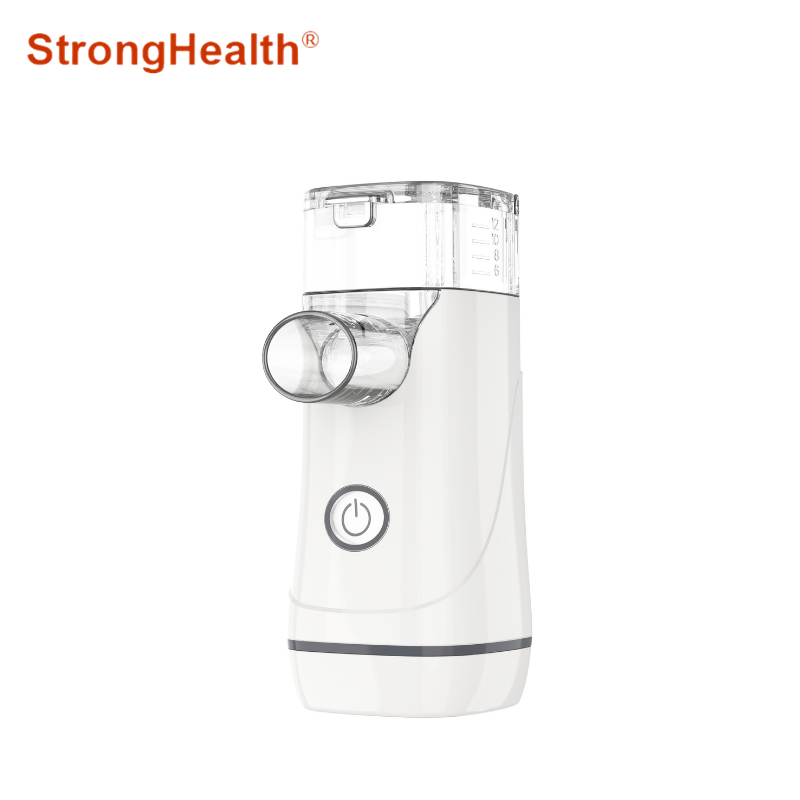
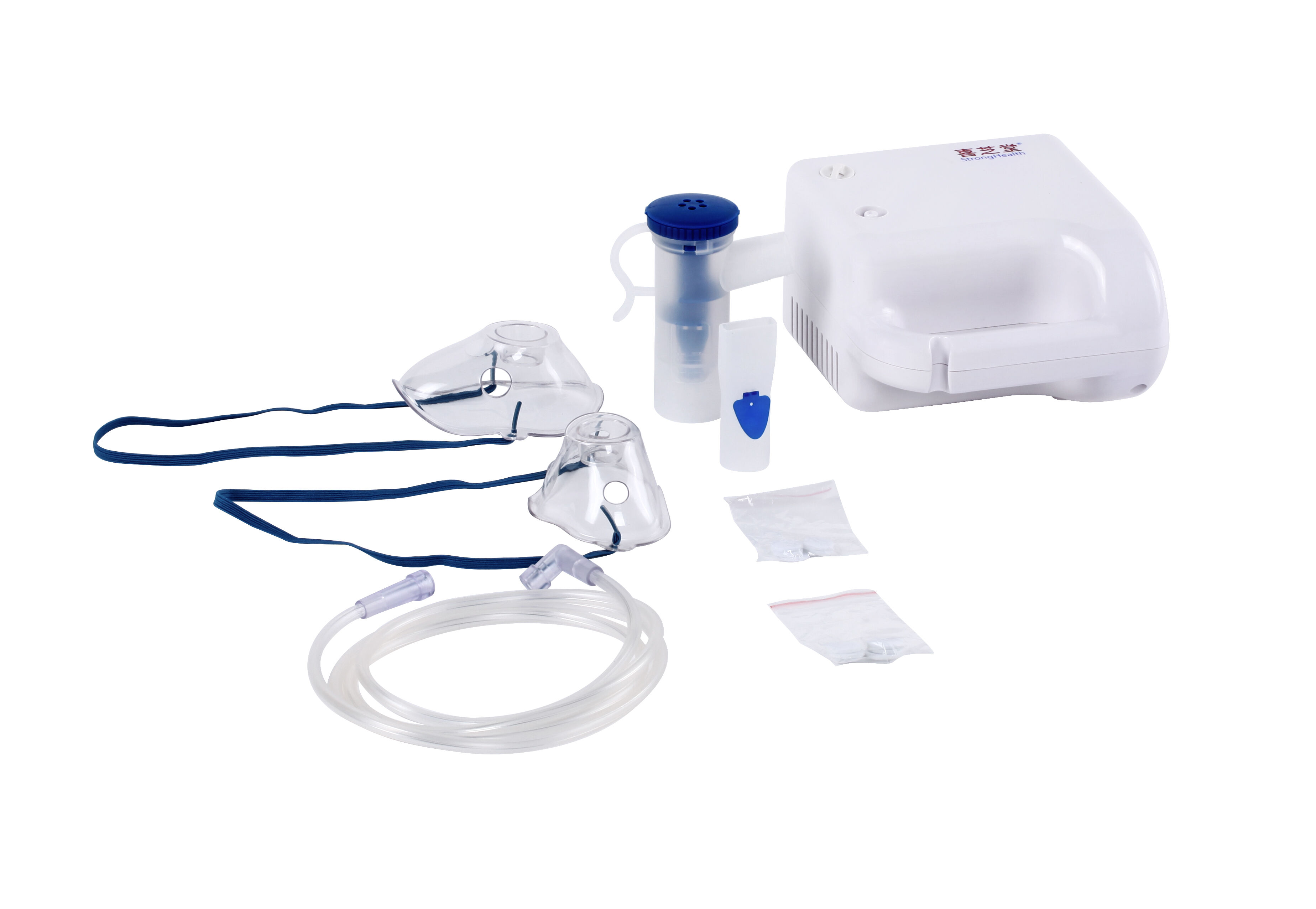
The ultrasonic nebulizer how to use emphasizes intuitive operation and patient-centered design features that significantly improve treatment adherence and therapeutic outcomes. Modern ultrasonic nebulizers incorporate user-friendly interfaces with clear digital displays, simple push-button controls, and visual indicators that guide patients through each treatment step without confusion or complexity. The ultrasonic nebulizer how to use design philosophy prioritizes accessibility for users of all ages and physical capabilities, featuring ergonomic handles, lightweight construction, and easy-grip surfaces that accommodate patients with arthritis, limited mobility, or other dexterity challenges. Setup procedures require minimal steps, typically involving simple medication chamber filling, power connection, and treatment initiation with a single button press. The ultrasonic nebulizer how to use interface includes programmable treatment timers, adjustable output settings, and automatic shut-off features that ensure consistent treatment delivery while preventing overdosing or extended exposure. Visual and audible alerts notify users when treatments are complete, medication levels are low, or maintenance is required, eliminating guesswork and promoting proper device care. The compact, portable design enables treatment flexibility, allowing patients to maintain their therapy regimens regardless of location or schedule constraints. Battery-powered models provide freedom from electrical outlets, making the ultrasonic nebulizer how to use particularly valuable for travelers, outdoor enthusiasts, or individuals living in areas with unreliable power supplies. The streamlined design minimizes the number of components requiring assembly, reducing the potential for user error and simplifying cleaning protocols. Clear instruction manuals, quick-start guides, and video demonstrations help patients master the ultrasonic nebulizer how to use techniques quickly and confidently. This focus on user experience translates directly into improved treatment compliance, as patients are more likely to maintain consistent therapy schedules when devices are convenient, reliable, and easy to operate, ultimately leading to better health outcomes and reduced healthcare costs.

 EN
EN