
 EN
EN
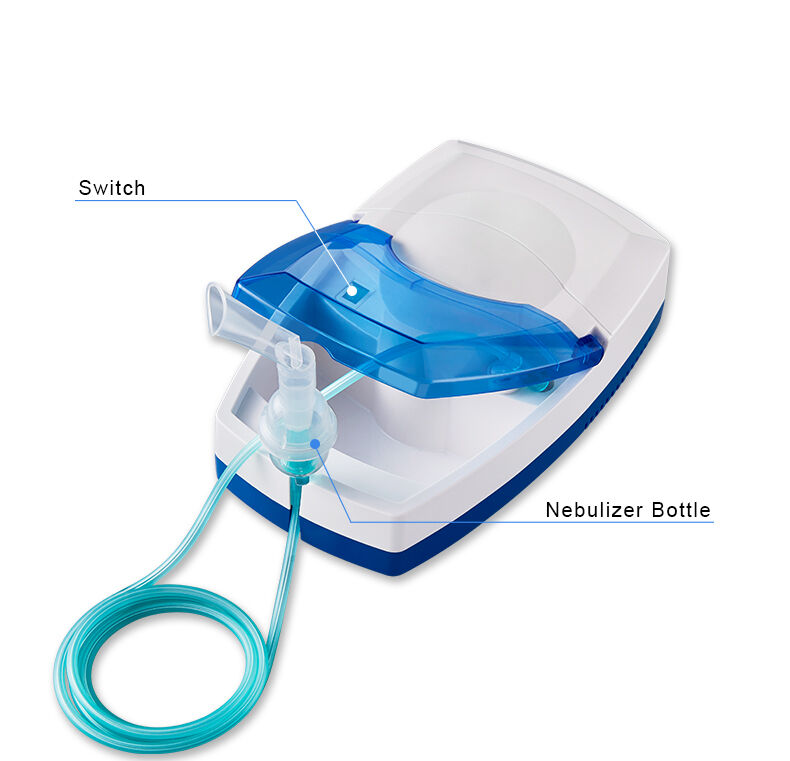
A Home Nebulizer is one of the most relied-upon devices for managing chronic respiratory conditions like asthma, COPD, and bronchitis. When it works well, it delivers medication directly to the lungs with efficiency and consistency. But like any medical device used regularly, a Home Nebulizer has a functional lifespan, and continuing to use one that is past its prime can quietly undermine your respiratory therapy. The question is not simply whether your device still turns on — it is whether it is still performing at the level your health demands.
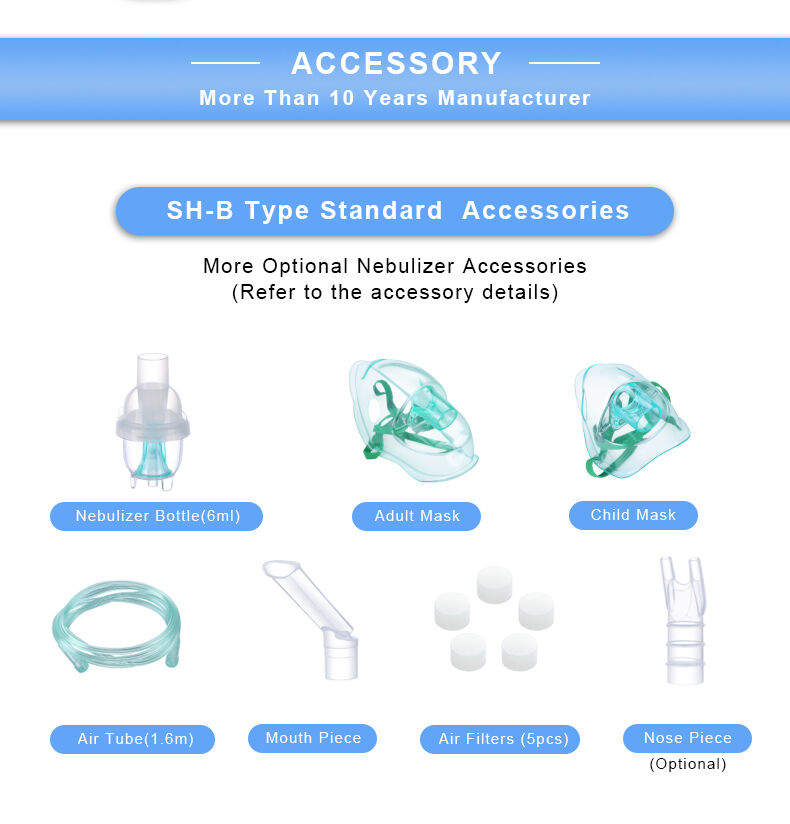
Many users hold on to aging equipment far longer than they should, either out of habit or because the decline in performance is gradual and hard to notice day to day. Recognizing the specific warning signs that indicate your Home Nebulizer needs to be replaced is an important part of responsible respiratory care. In this article, we identify five clear signs that it is time to invest in a newer, more capable model and explain what each of those signs means for your treatment outcomes.
Why Upgrade Timing Matters for Respiratory Treatment
The Role of Device Performance in Medication Delivery
A Home Nebulizer converts liquid medication into a fine aerosol mist that patients inhale directly into the airways. The effectiveness of this process depends on the particle size generated, the flow rate of the aerosol, and the consistency of nebulization over each treatment session. When any of these variables degrade, the medication may not reach deep lung tissue effectively, which means your symptoms may persist despite regular treatment.
Device performance is not static. Over time, internal components wear down, seals weaken, and motors lose their original output levels. These changes are not always sudden or dramatic, which is precisely why users may not notice their Home Nebulizer has become less effective. Understanding what optimum performance looks like helps you recognize when that threshold has been crossed.
Clinicians and respiratory therapists generally recommend reassessing your nebulizer's performance at regular intervals, especially if you are using it daily. The earlier you identify signs of decline, the sooner you can restore the treatment efficiency your condition requires.
The Cost of Delaying an Upgrade
Delaying an upgrade when your Home Nebulizer is underperforming carries real clinical risks. If medication is not being delivered in the correct aerosol particle size or concentration, it simply will not reach the intended area of the lungs. This can lead to increased symptoms, more frequent use of rescue inhalers, or unnecessary medical consultations — all of which could be avoided with functional equipment.
Beyond clinical impact, there is also the practical burden of unreliable equipment. Longer treatment times, inconsistent results, and unexpected device failures during critical moments all add unnecessary stress to managing a chronic condition. Investing in a new Home Nebulizer when the signs point toward obsolescence is not an optional luxury — it is a health decision.
Sign One: Noticeably Longer Treatment Times
What Normal Treatment Duration Should Look Like
A well-functioning Home Nebulizer should nebulize a standard dose of medication within a defined time window, typically between five and fifteen minutes depending on the device type and medication volume. When you first purchase a nebulizer, it operates at its rated performance level, and treatment sessions are predictable and efficient. Over time, however, motor performance can degrade and output flow can decrease, resulting in noticeably longer sessions.
If you have started to notice that your Home Nebulizer is taking significantly longer to deliver the same volume of medication it used to process quickly, this is a strong indicator that the internal components are wearing out. What once took ten minutes may now take twenty or more, which is not just inconvenient — it suggests that the aerosol output rate has dropped substantially.
How Prolonged Sessions Signal Device Decline
The nebulization rate of a Home Nebulizer is directly tied to the health of its compressor or mesh element, depending on the device type. In compressor-based models, motor wear reduces air pressure output. In mesh nebulizers, clogging or deterioration of the mesh plate slows the rate at which liquid is converted to aerosol. Either way, prolonged treatment times indicate that the core mechanism is no longer functioning at its designed capacity.
Prolonged treatment time also means extended inhalation effort for the patient, which can be especially taxing for children, the elderly, or individuals with severe respiratory compromise. If your sessions have become noticeably longer without any change in your medication dosage, it is time to evaluate whether your Home Nebulizer is due for a replacement.
Sign Two: Weak or Inconsistent Mist Output
Recognizing Inadequate Aerosol Production
One of the most visible signs of a degrading Home Nebulizer is a reduction in the volume or density of mist produced during a treatment session. A healthy nebulizer produces a visible, steady stream of fine mist throughout the entire session. If you can see that the mist has become thin, intermittent, or barely visible, the device is no longer generating aerosol at the level required for effective drug delivery.
Inconsistent mist output means that medication is being delivered in irregular pulses rather than a continuous therapeutic stream. This unpredictability makes it impossible to ensure that you are receiving the intended dose during each session. For patients managing serious conditions, this inconsistency can have measurable effects on symptom control and overall treatment quality.
The Link Between Mist Quality and Drug Efficacy
The aerosol particle size produced by your Home Nebulizer determines how deeply the medication penetrates into the respiratory tract. Particles that are too large are deposited in the upper airways and never reach the bronchial or alveolar regions where they are needed most. When a nebulizer's output degrades, it often produces inconsistent particle sizes, some too large for effective lower airway deposition.
If your symptoms have plateaued or worsened even though you are adhering to your prescribed treatment schedule, weak mist output from an aging Home Nebulizer may be a contributing factor. In such cases, a device upgrade is not merely a maintenance choice but a clinical necessity to restore treatment effectiveness. Consider a Home Nebulizer with advanced mesh technology that ensures consistent, fine-particle aerosol output throughout every session.
Sign Three: Unusual Noise or Overheating During Use
Understanding Operational Sounds and Temperature Norms
A properly functioning Home Nebulizer operates at a relatively low and consistent noise level. Some sound from the compressor motor is expected, but it should be steady and predictable rather than rattling, grinding, or intermittently loud. If your device has started to produce new, unusual sounds during operation, this typically points to worn motor components, loose internal parts, or mechanical stress that is affecting overall function.
Similarly, some warmth during extended use is normal for compressor-based models, but a device that becomes hot to the touch within a few minutes of operation is signaling that internal friction or electrical strain has increased. This is a safety concern as well as a performance concern, and it warrants immediate attention. An overheating Home Nebulizer should not continue to be used without evaluation.
When Abnormal Behavior Means Replacement Is Needed
Grinding or rattling noises in a Home Nebulizer suggest that bearings or motor windings are deteriorating. This kind of wear is not repairable through simple cleaning or part replacement in most consumer-grade devices. Once mechanical noise appears, the device's reliability and output quality are both compromised and will likely continue to worsen with use.
Overheating is not just a performance issue — it can also affect the stability of heat-sensitive medications. If a nebulizer runs excessively hot, there is a risk that the aerosol temperature increases to a level that degrades the active ingredients in certain drug formulations. For patients relying on precise medication delivery, this represents an additional and often overlooked reason why an aging, overheating Home Nebulizer must be replaced rather than continued in service.
Sign Four: Frequent Maintenance Issues and Component Failures
The Maintenance Lifecycle of a Nebulizer
Every Home Nebulizer requires routine maintenance, including cleaning of the nebulizer cup, mouthpiece, and mask, as well as periodic replacement of filters and tubing. These are standard maintenance tasks with predictable schedules. However, if you find yourself replacing components more frequently than the manufacturer recommends, or if parts are cracking, disconnecting, or failing regularly, this is a sign that the device's overall structural integrity is declining.
Frequent component failures also increase the total cost of ownership of an old device. When the cumulative cost of replacement parts approaches or exceeds the price of a new unit, there is a clear economic argument for upgrading, in addition to the clinical one. A new Home Nebulizer resets the maintenance clock and provides reliable performance from day one.
When Cleaning No Longer Restores Performance
Routine cleaning can address residue buildup and help maintain aerosol output in a functional device. But if you have noticed that cleaning your Home Nebulizer no longer restores it to its original performance level, this is a signal that the underlying components have degraded beyond what cleaning can remedy. Persistent residue buildup that cannot be cleared, or mesh plates in vibrating mesh models that produce reduced output even after cleaning, indicates material fatigue.
At some point, maintenance becomes a way of managing symptoms of device failure rather than preventing them. When that threshold is reached, continuing to rely on the old device introduces unpredictability into a treatment routine that depends on consistency. Upgrading to a new Home Nebulizer restores the reliability that respiratory therapy requires.
Sign Five: Your Medical Needs Have Changed
New Medications or Dosage Requirements
Respiratory treatment protocols evolve. Your physician may have updated your medication type, concentration, or dosage since you first acquired your current Home Nebulizer. Not all nebulizers are equally compatible with all medication formulations. Viscous medications, suspension-based drugs, or newer biological formulations may require a nebulizer with specific flow rates or aerosol characteristics that an older device cannot provide.
If your treatment plan has changed but your Home Nebulizer has not, there is a meaningful risk that your device is not optimized for your current medications. This mismatch can reduce drug delivery efficiency and compromise the therapeutic benefit of your prescribed regimen. In such cases, upgrading is not a reactive response to device failure but a proactive step to align your equipment with your current clinical needs.
Lifestyle and Portability Requirements
A change in lifestyle or daily routine can also make an older Home Nebulizer inadequate regardless of its technical condition. If you now travel more frequently, manage treatment in multiple locations, or require quieter operation due to shared living spaces or workplace use, a newer model may offer features that better fit your life. Modern nebulizer designs have advanced considerably, offering compact form factors, silent operation, battery-powered functionality, and smart features that older devices simply cannot match.
Your Home Nebulizer should support your life, not limit it. If your current device lacks the portability, noise profile, or convenience features that your daily routine now demands, upgrading is a sensible and health-conscious decision. Investing in a current-generation device ensures that your respiratory therapy remains accessible and effective regardless of where you are or what your schedule looks like.
FAQ
How often should a Home Nebulizer be replaced?
Most manufacturers recommend replacing a Home Nebulizer every one to two years with regular use, though this depends heavily on usage frequency and maintenance quality. If you use your device daily, you should evaluate its performance more frequently and consider replacement sooner if any of the warning signs described in this article appear.
Can a Home Nebulizer be repaired instead of replaced?
In most consumer-grade devices, internal motor components and mesh elements are not designed to be user-serviceable. While some accessories like tubing, masks, and filters can be replaced to restore partial performance, core mechanical degradation in a Home Nebulizer typically cannot be reversed through repair. Replacement is generally the more reliable and cost-effective solution.
Does a newer Home Nebulizer make a noticeable difference in treatment outcomes?
Yes, particularly when upgrading from a significantly aged device. A new Home Nebulizer operating at full specifications delivers medication more efficiently, generates a more consistent aerosol particle size, and completes treatment sessions faster. For patients with chronic respiratory conditions, this improvement in delivery efficiency can translate directly into better symptom management and fewer breakthrough episodes.
How do I know if my Home Nebulizer is still producing the correct particle size?
Without laboratory testing equipment, it is difficult to measure aerosol particle size at home. However, visible signs such as reduced mist density, thin or intermittent output, and longer treatment times are practical indicators that particle size and output volume may have changed. If you suspect your Home Nebulizer is no longer performing to specification, consult with your respiratory therapist or healthcare provider for a device assessment.
Table of Contents
- Why Upgrade Timing Matters for Respiratory Treatment
- Sign One: Noticeably Longer Treatment Times
- Sign Two: Weak or Inconsistent Mist Output
- Sign Three: Unusual Noise or Overheating During Use
- Sign Four: Frequent Maintenance Issues and Component Failures
- Sign Five: Your Medical Needs Have Changed
- FAQ