
 EN
EN
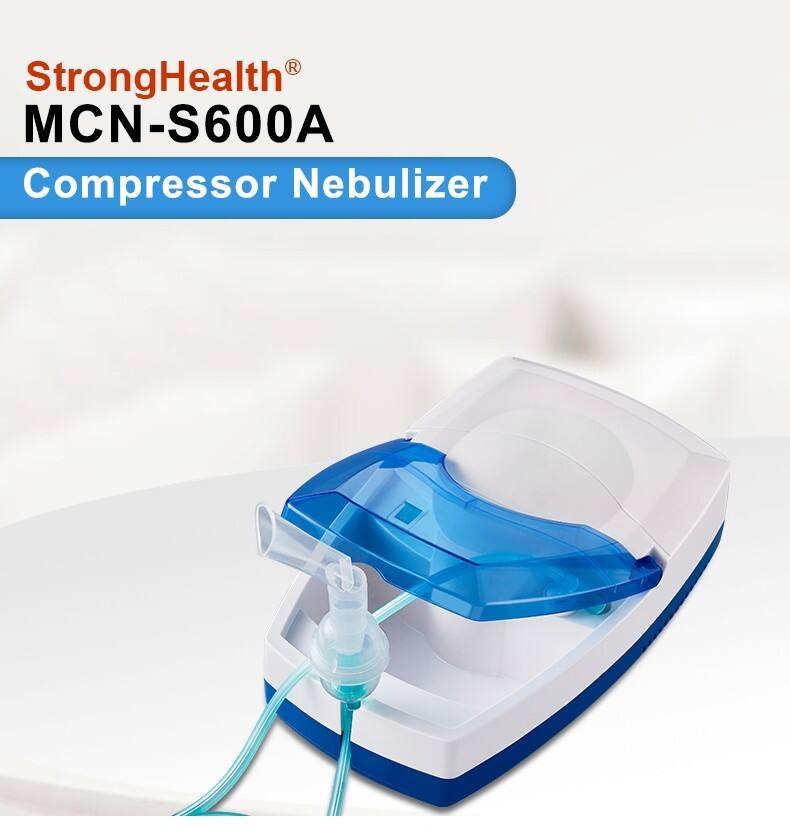
For millions of people managing chronic respiratory conditions such as asthma, COPD, bronchitis, or recurrent chest infections, the question of treatment cost is never far from mind. A Home Nebulizer has emerged as a compelling alternative to repeated clinic visits, offering patients the ability to deliver medicated aerosol therapy directly in the comfort of their own homes. But is this device truly more cost-effective than the traditional route of visiting a healthcare facility every time symptoms flare? The answer requires a careful look at direct costs, indirect costs, long-term savings, and the clinical outcomes that underpin both approaches.
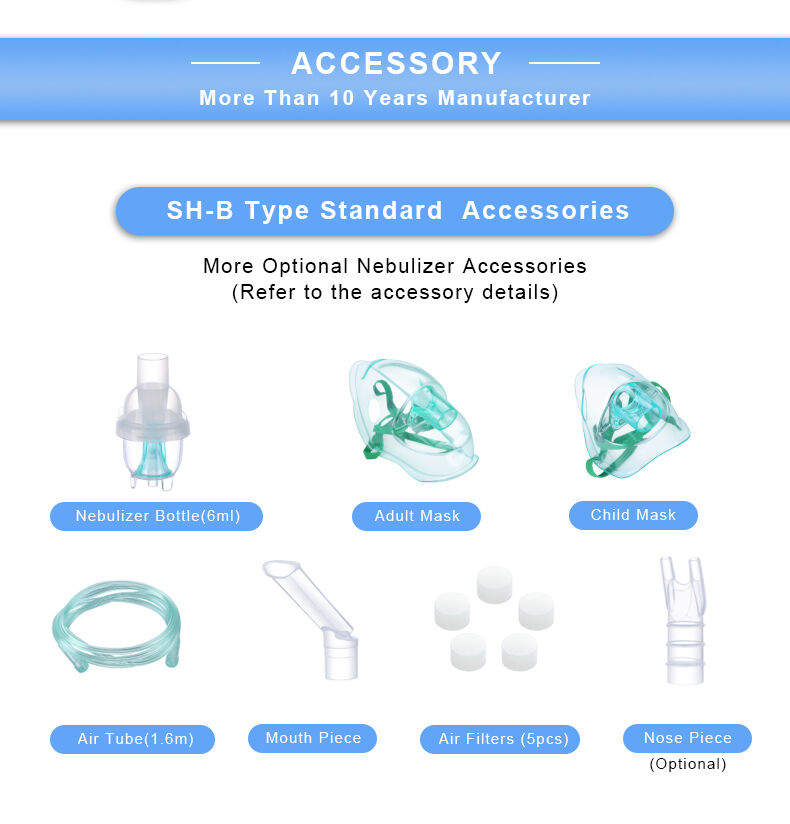
The economic conversation around a Home Nebulizer is not simply about comparing the sticker price of a device to a single consultation fee. It is a multi-layered analysis that factors in treatment frequency, travel burden, medication access, time away from work, and the compounding value of consistent disease management. When all these elements are properly weighed, the financial case for owning a Home Nebulizer becomes increasingly clear, particularly for patients who require nebulization therapy more than once or twice a month. This article breaks down each dimension of that comparison to help patients, caregivers, and healthcare decision-makers arrive at a well-informed conclusion.
Understanding the Real Cost of Repeated Clinic Visits
Direct Financial Costs at the Clinic
Every clinic visit comes with a price tag that extends well beyond the consultation fee. Patients typically pay for the appointment itself, any prescribed nebulization session administered on-site, diagnostic fees if the clinician orders additional assessments, and potentially specialist referral costs if their condition is complex. For a patient who needs nebulization therapy two to four times per week during an acute episode, these costs can accumulate into hundreds of dollars per month with striking speed.
In many healthcare markets, a single clinical nebulization session can cost between fifteen and sixty dollars when all associated fees are included. Multiply that by even twelve sessions per month and the monthly expenditure easily surpasses the upfront purchase price of a quality Home Nebulizer. This arithmetic alone raises a serious question about the sustainability of clinic-dependent treatment for patients managing ongoing respiratory disease.
Insurance coverage can offset some of these costs, but copayments, deductibles, and out-of-network charges mean that most patients still carry a meaningful financial burden. For uninsured patients or those in markets with limited reimbursement, the clinic-based model becomes genuinely prohibitive over time. A Home Nebulizer, once purchased, largely eliminates the per-session consultation fee from the ongoing treatment equation.
Hidden Indirect Costs That Patients Rarely Calculate
Direct medical fees represent only part of what a patient spends when attending clinic visits for nebulization. Transportation expenses, whether fuel, parking, or public transit fares, add up quietly over dozens of visits per year. For patients in rural or suburban areas, a single round trip to a respiratory clinic may involve significant travel time and fuel costs that rival the consultation fee itself.
Lost productivity is another underestimated cost. Adults who take time off work to attend clinic appointments sacrifice income or burn through limited paid leave. Caregivers who accompany elderly patients or children face the same drain on their working hours. A Home Nebulizer removes this equation entirely, allowing treatment to occur before work, during a lunch break, or at any hour without the need to travel anywhere.
Emotional and psychological costs also deserve acknowledgment. The stress of scheduling appointments, waiting in clinical environments, and the anxiety of symptom management between scheduled visits carries a real quality-of-life toll. Home-based nebulization therapy gives patients a sense of control and immediacy that clinic visits fundamentally cannot replicate.
The True Cost Structure of Owning a Home Nebulizer
Upfront Investment Versus Long-Term Value
The most common objection to purchasing a Home Nebulizer is the upfront cost. Quality medical-grade devices occupy a range of price points, and some patients hesitate to commit to that initial expenditure. However, this perspective changes entirely when the device cost is amortized across its functional lifespan, which for a well-maintained Home Nebulizer can span three to five years or longer.
When the purchase price is divided across hundreds of treatment sessions over multiple years, the per-session cost of home-based nebulization drops to a fraction of what a clinic charges for a comparable treatment. Even accounting for consumable costs such as masks, mouthpieces, tubing, and medication cups that need periodic replacement, the per-session economics of owning a Home Nebulizer are overwhelmingly favorable for patients who use the device regularly.
Medication costs remain roughly constant regardless of whether treatment is administered at home or in a clinic, since the same prescribed drugs are used in both settings. What changes is the cost of delivery. A Home Nebulizer converts that delivery cost from a recurring clinical service fee into a one-time capital investment supplemented by minimal consumable expenses.
Maintenance, Consumables, and Ongoing Running Costs
Responsible ownership of a Home Nebulizer involves regular cleaning and periodic replacement of components such as the nebulizer cup, mask or mouthpiece, and tubing. These consumables are inexpensive and widely available, and their replacement schedule is typically measured in months rather than weeks. A typical annual spend on consumables for a Home Nebulizer is modest compared to even a single month of clinic-based treatment.
Electricity consumption is negligible, as most modern compressor nebulizers and mesh nebulizers draw minimal power during their relatively short treatment cycles. Device servicing requirements are minimal for most home-grade units, and manufacturers typically provide warranty coverage that protects the initial investment against early component failure.
Patients should factor in the cost of replacing a device at end of life, but given the multi-year lifespan of a well-maintained Home Nebulizer, this cost amortizes favorably even in a conservative financial model. The overall total cost of ownership, when calculated honestly, consistently favors the home-based device for patients with chronic or recurring respiratory needs.
Clinical Effectiveness: Does a Home Nebulizer Deliver Comparable Results?
Therapeutic Equivalence in Stable and Acute Management
Cost-effectiveness is only meaningful if the treatment delivers comparable clinical outcomes. The good news for patients considering a Home Nebulizer is that multiple clinical studies and decades of respiratory therapy practice support the therapeutic equivalence of home-based nebulization for stable disease management and mild-to-moderate acute episodes. When the device is properly used and the prescribed medication and dosage are maintained, a Home Nebulizer achieves drug delivery to the lower airways at rates comparable to clinic-based equipment.
Modern mesh nebulizer technology, in particular, has closed the performance gap that older compressor models once created between home and clinical devices. Fine particle fractions, residual volume, and inhalation efficiency metrics for premium home devices now align closely with those of clinical-grade equipment. This means patients are not compromising on medication delivery when they choose to manage treatment at home.
Consistent treatment adherence is a crucial but often overlooked clinical variable. Patients who own a Home Nebulizer are statistically more likely to complete their prescribed treatment courses because the barrier to therapy is dramatically lower. When treatment is immediately accessible at home, patients are less likely to delay or skip sessions due to travel inconvenience, scheduling conflicts, or the psychological friction of a clinic visit.
When Clinic Visits Remain Clinically Necessary
A balanced discussion of cost-effectiveness must acknowledge that a Home Nebulizer is not a substitute for emergency care or situations requiring medical supervision. Severe acute exacerbations of asthma or COPD, particularly those that do not respond to initial home treatment, require prompt evaluation by a healthcare professional. In these scenarios, a clinic or emergency department visit is not optional, and no home device should delay urgent care.
New diagnoses, medication adjustments, and annual respiratory assessments also benefit from clinical oversight that a Home Nebulizer cannot replace. The cost-effective model for most chronic respiratory patients is a hybrid one: a Home Nebulizer handles the majority of routine and maintenance therapy, while clinic visits are reserved for monitoring, medication review, and acute situations where clinical intervention is genuinely warranted.
This hybrid model actually amplifies the cost savings. By reducing clinic visits from multiple times per week to a few times per year, patients dramatically cut their cumulative healthcare expenditure while maintaining appropriate medical oversight. The Home Nebulizer becomes the workhorse of daily therapy, and the clinic assumes a supervisory rather than an operational role in the patient's respiratory care.
Who Benefits Most From Switching to a Home Nebulizer
Patient Profiles With the Highest Return on Investment
Not every patient has the same cost-benefit profile when it comes to a Home Nebulizer, but certain groups stand to gain the most from making the transition. Patients with diagnosed chronic respiratory conditions who require nebulization therapy more than four times per month will typically recover the device purchase cost within the first few months of use, after which every treatment session represents direct savings compared to clinic fees.
Pediatric patients with recurrent respiratory infections, childhood asthma, or croup frequently need nebulization during illness episodes. For families managing these conditions, a Home Nebulizer eliminates the stress and expense of emergency clinic or hospital visits during nighttime symptom flares, which are common in young children. The financial and emotional savings for such families are substantial over the course of a single school year.
Elderly patients and those with mobility limitations represent another high-value group. For these individuals, the physical and logistical demands of clinic attendance are magnified, and a Home Nebulizer provides both cost relief and a meaningful improvement in quality of life. Caregivers in this context also benefit from the reduced burden of arranging and executing frequent medical transportation.
Geographic and Socioeconomic Factors That Strengthen the Case
Patients living in rural or semi-rural areas where specialist respiratory clinics are distant face disproportionately high indirect costs for clinic-based care. A Home Nebulizer effectively equalizes access to consistent therapy regardless of geographic proximity to healthcare infrastructure, which has both economic and health equity implications that go beyond individual budgeting.
In markets where healthcare is primarily self-funded and clinic consultation fees are high, the economic argument for a Home Nebulizer is even more compelling. Patients in these environments often report that the purchase of a home device marked a turning point in their ability to maintain consistent treatment without financial strain. The psychological relief of knowing that therapy is always available at home without triggering a cost event has real value in long-term disease management adherence.
Even in markets with strong public healthcare systems, the time costs and convenience differential associated with clinic attendance mean that a Home Nebulizer delivers value beyond pure monetary savings. The ability to treat promptly at the onset of symptoms, rather than waiting for an appointment slot, can also prevent minor exacerbations from escalating into more serious and expensive clinical events.
FAQ
How long does a Home Nebulizer typically last before needing replacement?
A well-maintained Home Nebulizer generally has a functional lifespan of three to five years, and some high-quality devices last even longer with proper care. Regular cleaning, correct storage, and timely replacement of consumable components such as the medication cup, tubing, and mask help extend device life. When amortized over this period, the per-session cost of owning a Home Nebulizer is significantly lower than the cost of recurring clinic-based treatments.
Can a Home Nebulizer be used for both adults and children?
Most Home Nebulizer models are designed to accommodate both adults and pediatric patients through interchangeable mask sizes and adjustable flow settings. Pediatric-specific masks with child-friendly designs help improve compliance and ensure effective drug delivery in younger patients. Always confirm with your prescribing physician or pharmacist that the device and medication dosage are appropriate for the patient's age, weight, and specific condition before beginning home treatment.
Is a prescription required to purchase a Home Nebulizer?
In most markets, the device itself can be purchased without a prescription, as Home Nebulizers are classified as durable medical equipment rather than pharmaceuticals. However, the medications used in the nebulizer, such as bronchodilators or corticosteroids, do typically require a valid prescription. It is important to use only medications that have been prescribed for nebulization and to follow the dosage instructions provided by your healthcare provider to ensure both safety and therapeutic effectiveness.
What is the difference between a compressor nebulizer and a mesh nebulizer for home use?
A compressor nebulizer uses a pump to force air through liquid medication, converting it into an aerosol mist, and tends to be durable and affordable but somewhat bulkier and noisier. A mesh nebulizer uses vibrating mesh technology to produce a finer aerosol particle size, making it quieter, more portable, and often faster in treatment delivery. For home use, both types of Home Nebulizer can deliver effective therapy, but patients with portability needs or sensitivity to noise may prefer the mesh variant, while those prioritizing durability and lower device cost may prefer the compressor type.