
 EN
EN
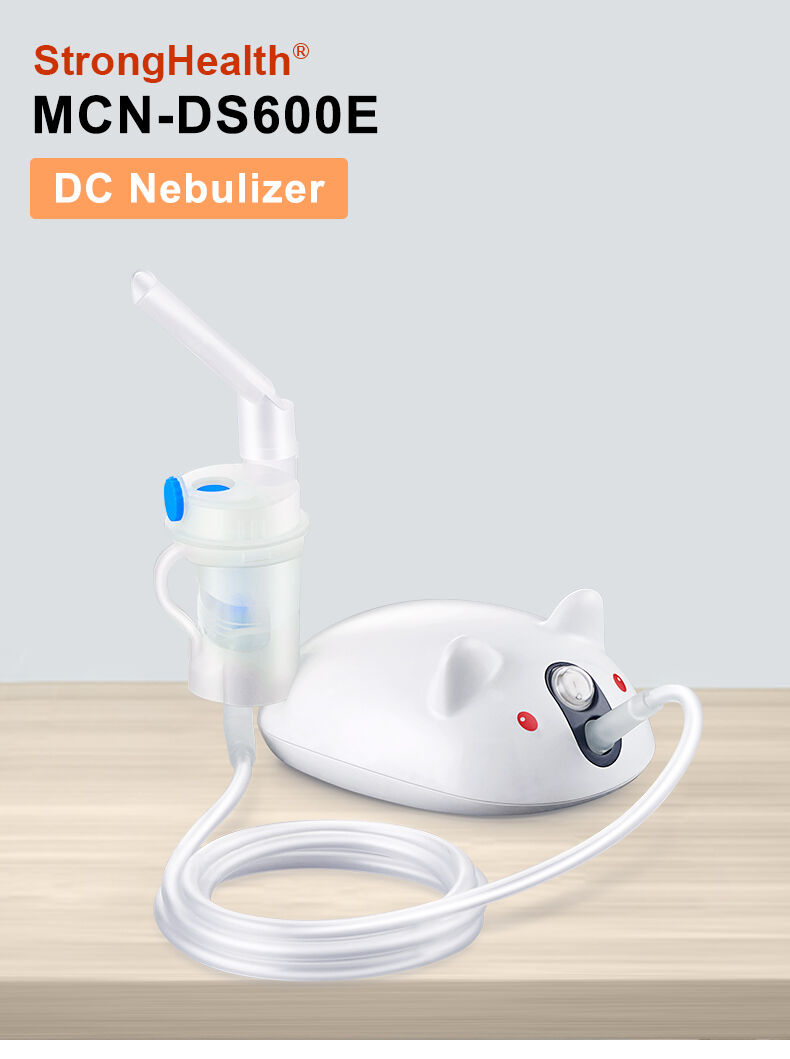
Traveling by air with respiratory conditions can present unique challenges, especially when you rely on medical equipment like a nebulizer for daily treatment. Understanding how to properly use and transport a portable nebulizer during air travel is essential for maintaining your health routine while navigating airport security, airline regulations, and the logistics of in-flight treatment. This comprehensive guide will walk you through everything you need to know about traveling with your respiratory therapy device, from preparing documentation to operating your equipment at 35,000 feet.
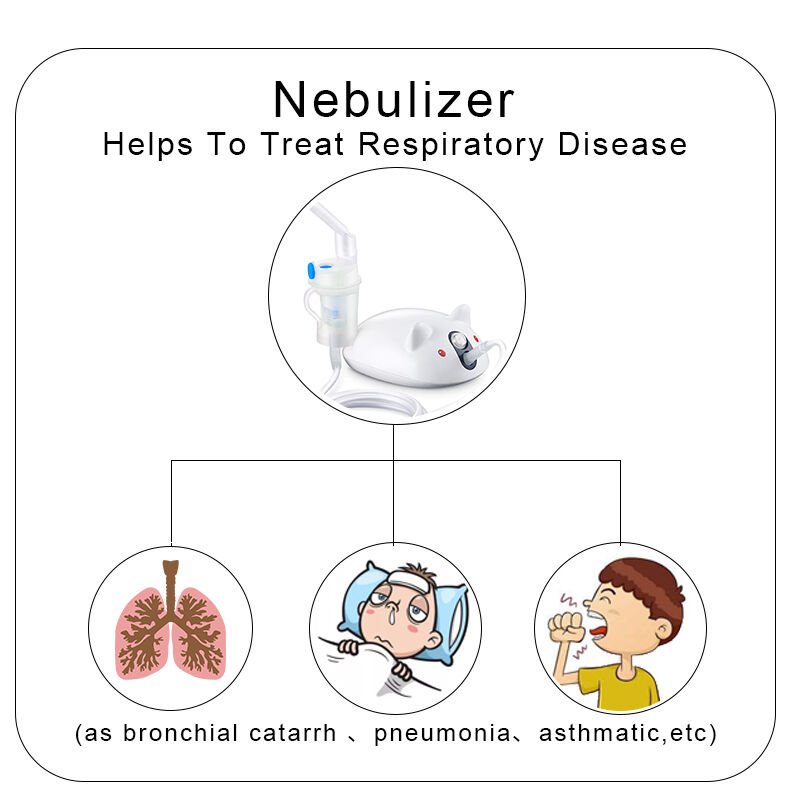
Modern portable nebulizers have revolutionized respiratory care for travelers, offering compact, battery-operated solutions that fit seamlessly into carry-on luggage. Whether you're managing asthma, chronic obstructive pulmonary disease, or other respiratory conditions, knowing the specific requirements and best practices for air travel with these devices ensures you can maintain your treatment schedule without interruption. This guide addresses the practical considerations, regulatory requirements, and strategic planning necessary for successful air travel with your portable nebulizer.
Understanding Airline Policies for Medical Devices
Federal Aviation Administration and TSA Regulations
The Transportation Security Administration permits passengers to carry medical devices including portable nebulizers through security checkpoints and onto aircraft without counting them against standard carry-on allowances. These devices fall under the category of medically necessary equipment, which receives special consideration during the screening process. However, you should notify TSA officers at the beginning of screening that you're traveling with medical equipment to facilitate a smoother inspection process.
TSA officers may need to conduct additional screening of your portable nebulizer, which might include visual inspection, physical manipulation of the device, or testing for trace explosives. The device may need to be removed from its carrying case for X-ray screening, though you can request alternative screening methods if you have concerns about X-ray exposure affecting your equipment. Liquid medications in quantities exceeding 3.4 ounces are permitted when traveling with a portable nebulizer, but these must be declared at the checkpoint and may undergo additional screening procedures.
Individual Airline Requirements and Advance Notification
While federal regulations provide baseline permissions, individual airlines maintain their own specific policies regarding the use of electronic medical devices during flight. Most major carriers allow portable nebulizers to be used during all phases of flight, including takeoff and landing, provided the device meets certain technical specifications. The device should not interfere with aircraft navigation or communication systems, which means most modern battery-operated nebulizers are acceptable.
Contacting your airline at least 48 to 72 hours before your scheduled departure is strongly recommended. During this notification, you should inform the airline that you'll be traveling with a Portable Nebulizer and may need to use it during the flight. Some airlines require written documentation from your physician, while others may simply make a note in your reservation. This advance communication helps ensure that flight attendants are aware of your needs and can accommodate you appropriately.
International Travel Considerations
When traveling internationally with your portable nebulizer, regulations become more complex as you'll need to comply with security requirements in multiple countries. Different nations maintain varying standards for medical device screening and carry-on permissions. Researching the specific requirements of your destination country and any countries where you'll have connecting flights prevents potential complications during your journey.
Some countries require advance customs declarations for medical devices, while others may request proof of medical necessity in languages other than English. Carrying your physician's letter translated into the language of your destination country can expedite customs processing. Additionally, voltage and plug adapter considerations become relevant for rechargeable portable nebulizers, as electrical standards vary globally.
Preparing Documentation and Medical Prescriptions
Physician Letters and Medical Necessity Documentation
A comprehensive letter from your healthcare provider serves as essential documentation when traveling with a portable nebulizer. This letter should be printed on official letterhead and include specific details about your medical condition, the prescribed treatment regimen, and the necessity of the device for your health management. The letter should explicitly state that you require access to your portable nebulizer during air travel and may need to use it during the flight.
The physician's letter should detail the type of medication used with your portable nebulizer, including generic and brand names, along with the prescribed dosage and frequency of treatments. This information becomes particularly important if you're questioned about liquid medications that exceed standard carry-on limits. The letter should also confirm that the device is for personal medical use and not for commercial purposes, which can be relevant during customs inspections.
Prescription Verification and Medication Labels
All medications used with your portable nebulizer should travel in their original pharmacy-labeled containers, which clearly display your name, the prescribing physician, medication name, and dosage instructions. This labeling provides immediate verification that the medications belong to you and are legitimately prescribed. Keeping medications in original packaging also helps prevent confusion about dosing and prevents potential medication errors during your trip.
Carrying copies of your prescriptions, separate from the medications themselves, provides backup documentation if containers are damaged or lost during travel. These prescription copies should include the prescribing physician's contact information, allowing airline staff or medical personnel to verify your treatment needs if questions arise. For extended international travel, having prescription information available in the local language of your destination proves valuable if you need emergency refills abroad.
Travel Insurance and Medical Coverage Documentation
Reviewing your travel insurance policy to understand coverage for medical device replacement or emergency respiratory treatment while traveling provides important peace of mind. Some policies cover the cost of replacing a portable nebulizer if it's lost, stolen, or damaged during your trip, while others may offer compensation for interrupted treatment. Understanding these coverage details before departure helps you make informed decisions about carrying backup devices or additional medication supplies.
Documentation of your insurance coverage, including policy numbers and emergency contact information, should travel with you in both physical and digital formats. If you experience a medical emergency during travel requiring urgent respiratory treatment, having immediate access to insurance information facilitates faster care coordination. Some insurance providers offer travel assistance services that can help locate medical facilities or arrange equipment replacement in unfamiliar locations.
Packing and Protecting Your Portable Nebulizer
Strategic Carry-On Packing for Easy Access
Your portable nebulizer should always travel in your carry-on luggage rather than checked baggage to ensure it remains accessible throughout your journey and protected from the temperature extremes and rough handling associated with cargo holds. Positioning the device in an easily accessible section of your carry-on allows quick retrieval during security screening and enables prompt use if you need treatment during the flight or in the airport.
Using a dedicated protective case designed specifically for portable nebulizers provides optimal protection against impacts, pressure changes, and environmental factors. Many travelers find that organizing all nebulizer components, including the device itself, medication supplies, extra batteries, power cords, and cleaning materials, in a single case simplifies both security screening and in-flight use. A clear or transparent case can expedite visual inspection by security personnel without requiring complete unpacking.
Battery Management and Power Supply Planning
Understanding battery regulations for air travel is crucial when traveling with a battery-operated portable nebulizer. Most airlines permit lithium-ion batteries with capacities up to 100 watt-hours in carry-on luggage without prior approval. Batteries between 100 and 160 watt-hours typically require airline approval, while those exceeding 160 watt-hours are generally prohibited. Checking your portable nebulizer battery specifications against these limits prevents last-minute complications at the airport.
Carrying fully charged batteries ensures your portable nebulizer remains operational throughout your journey, even if you cannot access electrical outlets for recharging. Bringing at least one spare battery provides redundancy in case of unexpected battery drain or device malfunction. Batteries should be protected from short-circuiting by keeping them in original packaging, protective cases, or by taping over exposed terminals when packed in carry-on luggage.
Medication Storage and Temperature Control
Many nebulizer medications require storage within specific temperature ranges to maintain their effectiveness. While cabin environments generally maintain acceptable temperatures during flight, medications may be exposed to extreme temperatures during airport transfers or while waiting at gates. Using insulated medication bags or small cooling packs designed for pharmaceutical transport helps maintain stable temperatures for temperature-sensitive formulations.
Calculating the total medication supply needed for your trip, plus additional doses for potential delays or extended stays, prevents treatment interruptions. A common recommendation is to pack at least 150% of your expected medication needs, accounting for flight delays, lost luggage, or difficulty accessing pharmacies at your destination. Dividing medications between carry-on and checked luggage, or between traveling companions when possible, provides backup supplies if one bag is lost or delayed.
Using Your Portable Nebulizer During the Flight
Communicating with Flight Crew
Informing flight attendants at the beginning of your flight that you may need to use your portable nebulizer during the journey establishes clear communication and allows crew members to assist if needed. This notification also alerts them that you have medical needs, which can be important in case of medical emergencies or if other passengers express concerns about your device use. Most flight attendants are familiar with medical devices and will support your treatment needs.
When preparing to use your portable nebulizer during flight, briefly notifying nearby passengers can help prevent misunderstandings about the visible mist or quiet operational sounds of the device. A simple explanation that you're conducting prescribed medical treatment usually satisfies any curiosity and demonstrates courtesy to fellow travelers. Most passengers respond supportively when they understand the medical necessity of the device.
Optimal Timing and Positioning for In-Flight Treatments
Selecting appropriate times for portable nebulizer treatments during flight involves balancing your medical needs with practical considerations. While you can legally use your device during all phases of flight, choosing periods when you're comfortably settled in your seat, such as after meal service or during cruise altitude, minimizes disruption to your routine and that of nearby passengers. Avoiding treatment immediately before landing allows time to properly clean and pack your device before deplaning.
Positioning yourself comfortably for treatment while maintaining awareness of your surroundings ensures effective medication delivery without disturbing other passengers. Using your portable nebulizer in your seat rather than in the lavatory is generally preferable, as airplane lavatories have limited space and ventilation. If you prefer privacy for your treatment, selecting a window seat during booking provides a more secluded position and eliminates the need to disturb seatmates when accessing the aisle.
Managing Cabin Pressure and Humidity Considerations
Aircraft cabin environments present unique challenges for respiratory health due to reduced air pressure and low humidity levels. These conditions can affect both your respiratory symptoms and the performance of your portable nebulizer. Modern devices are designed to function effectively at cabin altitude, but understanding these environmental factors helps you anticipate any changes in treatment effectiveness.
The extremely low humidity in aircraft cabins, often below 20%, can dry respiratory passages and potentially increase the need for breathing treatments during long flights. Staying well-hydrated by drinking water regularly throughout the flight supports respiratory health and may enhance the effectiveness of nebulized medications. Some travelers find that using their portable nebulizer slightly more frequently during extended flights helps maintain optimal respiratory function in the challenging cabin environment.
Troubleshooting and Emergency Preparedness
Common Device Issues and Quick Solutions
Understanding potential malfunctions that might affect your portable nebulizer during travel enables rapid problem-solving without excessive stress. Common issues include battery depletion, medication cup detachment, mask or mouthpiece disconnection, or reduced aerosol output. Familiarizing yourself with basic troubleshooting steps before your trip ensures you can address these problems independently if they occur during travel.
Carrying a simplified troubleshooting guide with your portable nebulizer provides quick reference for resolving technical issues. This guide should include basic diagnostic steps, such as checking battery connections, ensuring all components are properly assembled, and verifying medication levels. For complex problems that cannot be resolved through basic troubleshooting, knowing the manufacturer's customer service contact information and hours of operation enables you to seek expert assistance.
Backup Treatment Options and Contingency Planning
Developing a contingency plan for situations where your portable nebulizer becomes temporarily unavailable due to malfunction, loss, or damage ensures continuity of respiratory care. Consulting with your physician before travel about alternative treatment methods, such as metered-dose inhalers with spacers or dry powder inhalers, provides backup options if your primary device fails. Understanding the equivalent dosing of these alternatives to your regular nebulizer treatments allows appropriate symptom management during device replacement.
For travelers with severe respiratory conditions where treatment interruption poses significant health risks, carrying a second portable nebulizer or arranging for a backup device at your destination provides maximum security. While this represents additional expense and luggage space, the peace of mind and health protection may justify the investment for extended international travel or trips to remote locations where replacement devices would be difficult to obtain quickly.
Accessing Medical Care While Traveling
Researching medical facilities and respiratory specialists at your destination before departure prepares you to seek professional care if your condition worsens during travel. Creating a list of hospitals, urgent care centers, and pulmonary specialists with contact information and addresses in relation to your accommodations streamlines the process of finding care if needed. Many major cities have medical centers with international patient services that can communicate in multiple languages and understand foreign prescription documentation.
Understanding how to describe your respiratory condition and portable nebulizer treatment in basic terms, or carrying written descriptions in the local language, facilitates communication with foreign healthcare providers. This preparation becomes particularly important in countries where language barriers might complicate emergency medical situations. Travel health apps and translation services can supplement these preparations by providing real-time medical translation when needed.
FAQ
Can I use my portable nebulizer during takeoff and landing?
Yes, you can use your portable nebulizer during all phases of flight, including takeoff and landing, as long as it meets airline safety requirements. The device should be battery-operated rather than requiring electrical outlet connection during these critical flight phases. Informing flight attendants before departure that you may need to use your device during takeoff or landing ensures they're aware of your medical needs and can verify that your specific device model is approved for use during these times. Most modern portable nebulizers are designed specifically with air travel in mind and meet the necessary safety standards for use throughout the entire flight.
Do I need special documentation to bring nebulizer medication through airport security?
While TSA regulations permit medically necessary liquids exceeding the standard 3.4-ounce limit, carrying a physician's letter documenting your medical condition and prescribed treatments significantly streamlines the security screening process. Medications should be in their original pharmacy-labeled containers with your name clearly visible. Declaring your medications and portable nebulizer at the beginning of security screening, rather than waiting for them to be discovered during X-ray examination, demonstrates transparency and typically results in faster processing. For international travel, additional documentation requirements may apply depending on destination country regulations, so researching specific requirements for your travel locations is advisable.
How do I keep my portable nebulizer clean while traveling?
Maintaining proper hygiene for your portable nebulizer during travel requires packing appropriate cleaning supplies in your carry-on luggage. Disposable alcohol wipes or sterile cleaning wipes designed for medical devices provide convenient cleaning between treatments without requiring access to sinks or distilled water. After each treatment, disassembling the medication cup, mouthpiece, or mask and wiping these components thoroughly helps prevent bacterial growth and maintains device effectiveness. For extended trips, packing small bottles of distilled water and mild soap allows more thorough cleaning in hotel accommodations. Allowing all components to air dry completely before reassembling and storing them prevents moisture buildup that could promote bacterial or mold growth during travel.
What should I do if my portable nebulizer stops working during my trip?
If your portable nebulizer malfunctions during travel, first attempt basic troubleshooting steps such as checking battery charge, verifying all components are properly connected, and ensuring the medication cup is correctly positioned. If these steps don't resolve the issue, contact the device manufacturer's customer service line for technical support, as they may be able to diagnose problems remotely or direct you to local service centers. Simultaneously, use any backup treatment methods prescribed by your physician, such as rescue inhalers, while working to repair or replace your device. If you're traveling in a major city, medical supply stores or pharmacies may carry compatible portable nebulizers that can serve as temporary replacements. For serious respiratory emergencies where you cannot manage symptoms with available alternatives, seek immediate medical attention at the nearest hospital or urgent care facility.