
 EN
EN
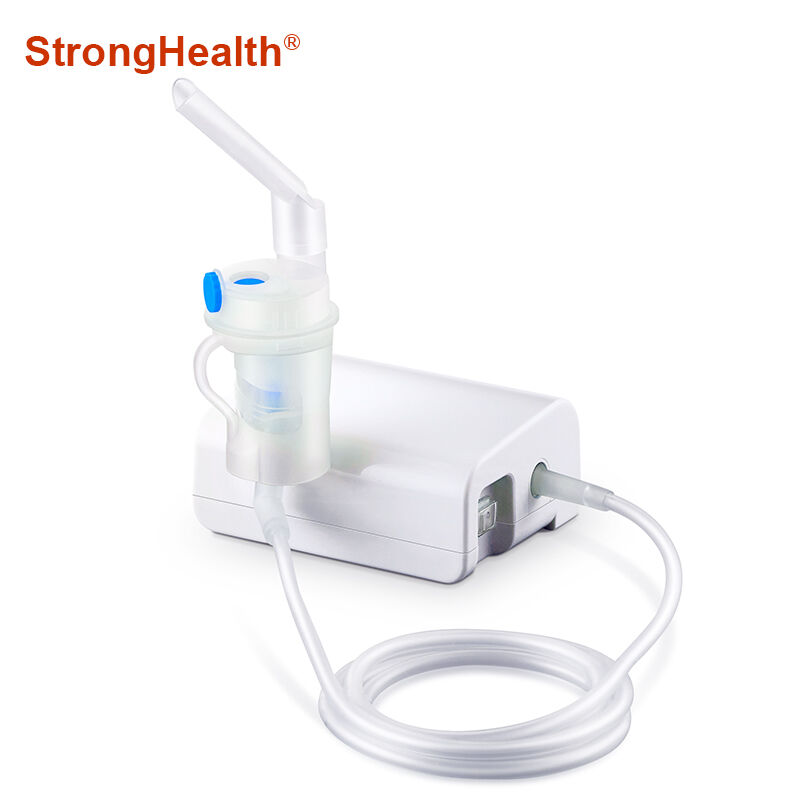
Establishing a dedicated home nebulizer station transforms respiratory therapy from a fragmented, inconvenient routine into a streamlined, safe, and hygienic practice that supports long-term health management. Whether you're managing chronic respiratory conditions like asthma, COPD, or cystic fibrosis, or providing care for a family member with breathing difficulties, a properly designed home nebulizer station ensures consistent treatment delivery while minimizing contamination risks and equipment degradation. This comprehensive guide explores the essential safety protocols, hygiene standards, spatial design considerations, and maintenance practices that make your home nebulizer setup both effective and sustainable.
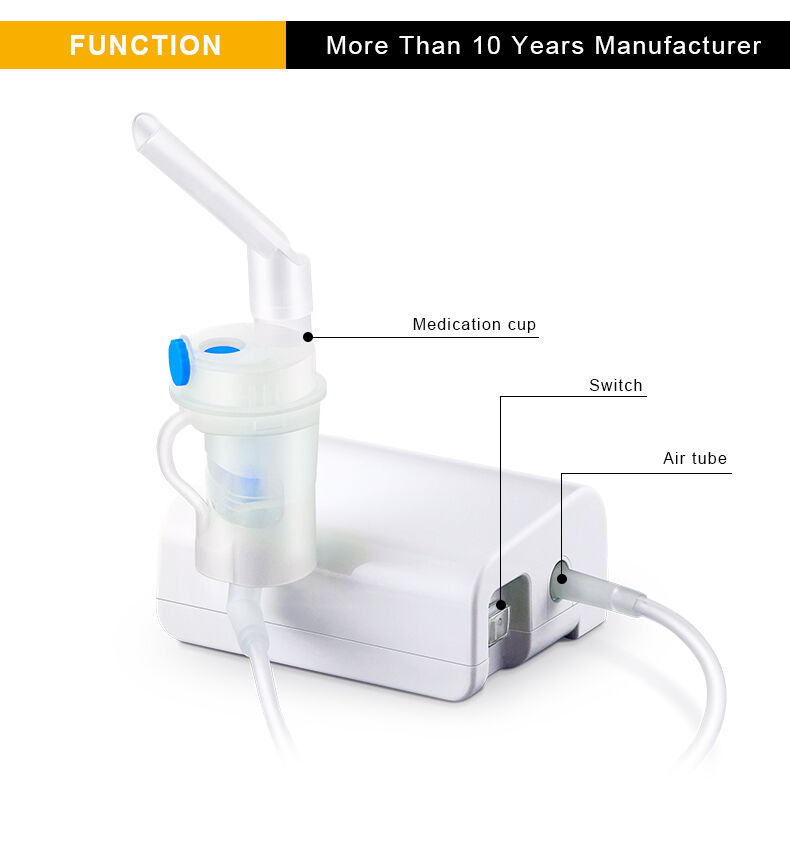
Creating a functional home nebulizer station goes beyond simply placing your device on a table. It requires thoughtful consideration of environmental factors, electrical safety, cross-contamination prevention, proper storage solutions, and user accessibility. A well-organized station reduces treatment time, improves medication efficacy, prevents device malfunctions, and significantly lowers infection risks associated with respiratory equipment. The following sections provide actionable strategies for designing, maintaining, and optimizing your home nebulizer station to support respiratory health while adhering to clinical hygiene standards adapted for home environments.
Selecting the Optimal Location for Your Home Nebulizer Station
Environmental Requirements and Room Selection
The physical location of your home nebulizer station directly impacts treatment effectiveness and equipment longevity. Choose a room with stable temperature conditions, typically between 59°F and 77°F, as extreme temperatures can affect medication stability and device performance. Avoid areas with high humidity like bathrooms or basements, since moisture promotes bacterial growth in tubing and masks, compromising the hygiene of your home nebulizer system. Select a space with adequate ventilation to disperse aerosolized medication particles after treatment, preventing residue accumulation on surfaces and reducing secondary inhalation by others in the household.
Consider proximity to electrical outlets with grounded connections to ensure safe operation of your home nebulizer without extension cords that create tripping hazards or electrical risks. The chosen location should offer privacy and quiet to help patients, especially children or elderly users, relax during treatments that may last fifteen to twenty minutes. Natural lighting is beneficial for inspecting equipment cleanliness and detecting any visible contamination, though direct sunlight should be avoided as UV exposure can degrade plastic components and medication containers over time.
Surface Preparation and Dedicated Space Design
Designate a clean, flat, stable surface exclusively for your home nebulizer station. A dedicated table or shelf prevents the device from being moved frequently, which reduces wear on electrical connections and minimizes contamination from contact with other household items. The surface should be non-porous and easy to disinfect, such as laminate, sealed wood, or medical-grade plastic materials. Avoid fabric-covered surfaces or unsealed wood that can harbor moisture and microorganisms.
Ensure the station has sufficient space to accommodate the compressor unit, medication preparation area, clean storage for accessories, and waste disposal container for used medication vials and packaging. A typical home nebulizer station requires approximately two to three square feet of surface area. Position the compressor at least six inches from walls or other objects to allow proper air circulation around ventilation ports, preventing overheating that can damage internal components and reduce device lifespan.
Accessibility Considerations for Different Users
Design your home nebulizer station with the primary user's physical capabilities in mind. For elderly patients or those with limited mobility, position the station at a comfortable height that doesn't require bending or reaching, typically at seated elbow height. Ensure adequate lighting for users with vision impairments to properly see medication measurements and equipment assembly. For pediatric use, consider a station design that allows parental supervision while keeping the device secure from curious hands that might tamper with settings or contaminate sterile components.
Create clear pathways to the station free from obstacles, particularly important for users with mobility aids or during nighttime treatments. If treatments occur in multiple locations throughout the day, establish secondary stations with identical organizational systems to maintain consistency and reduce confusion that could lead to medication errors or contaminated equipment handling.
Implementing Critical Safety Protocols for Home Nebulizer Use
Electrical Safety and Power Management
Electrical safety forms the foundation of a secure home nebulizer station. Always plug your device directly into grounded wall outlets rated for the compressor's power requirements, typically 110-120V for North American models. Inspect power cords regularly for fraying, exposed wires, or damage to plugs, replacing damaged cords immediately through authorized service providers rather than attempting repairs. Never operate a Home Nebulizer with wet hands or while standing on wet surfaces, as moisture creates electrical shock hazards.
Install a surge protector to safeguard your home nebulizer from power fluctuations that can damage sensitive electronic components. Avoid daisy-chaining multiple devices on the same outlet circuit, as compressors draw significant current that combined with other appliances may overload circuits and create fire risks. Keep all electrical components of your station away from water sources, including humidifiers, beverages, or areas where accidental spills might occur.
Medication Handling and Storage Safety
Proper medication management at your home nebulizer station prevents dosing errors and maintains drug efficacy. Store prescription nebulizer solutions in their original containers with clear labels in a cool, dark location within arm's reach of the station but out of reach of children and pets. Verify medication names and expiration dates before each treatment, discarding any solutions that appear discolored, contain particles, or have passed their expiration date. Never mix different medications in the nebulizer cup unless explicitly instructed by a healthcare provider, as chemical interactions can reduce effectiveness or create harmful compounds.
Establish a medication log at your home nebulizer station documenting treatment times, medication types, and any observed side effects or difficulties. This record helps track adherence, identifies patterns in symptom management, and provides valuable information for healthcare providers during follow-up appointments. Use pre-measured unit-dose vials when possible to eliminate measurement errors and reduce contamination risks associated with opening multi-dose bottles repeatedly.
Preventing Cross-Contamination and Infection
Cross-contamination represents a significant risk when multiple family members share a home nebulizer device. Assign color-coded or labeled accessory sets to each user, including masks, mouthpieces, tubing, and medication cups. Never share these components between users, even after cleaning, as microscopic pathogens can survive standard home disinfection methods. Store each user's accessories in separate sealed containers clearly marked with names to prevent accidental mixing.
Implement strict hand hygiene protocols at your home nebulizer station. Mount a hands-free hand sanitizer dispenser or place antibacterial wipes within reach, requiring all users to sanitize hands immediately before handling any nebulizer components. This simple practice dramatically reduces the introduction of environmental bacteria and viruses into the respiratory delivery system, protecting vulnerable lungs from additional infections that could complicate existing respiratory conditions.
Establishing Comprehensive Hygiene Standards for Equipment Maintenance
Daily Cleaning Protocols for Nebulizer Components
Daily cleaning of your home nebulizer components after each treatment session forms the cornerstone of hygiene maintenance. Immediately after treatment, disassemble the medication cup, mouthpiece or mask, and tubing. Rinse all components except the tubing under warm running water for at least thirty seconds to remove medication residue and saliva that provide nutrient-rich environments for bacterial growth. Use a mild liquid dish soap without fragrances or dyes, as these additives can leave residues that may irritate sensitive airways during subsequent treatments.
Shake excess water from components and place them on a clean, lint-free towel to air dry completely in a well-ventilated area away from contaminated surfaces like kitchen sinks or bathroom counters. Never use cloth towels to dry home nebulizer parts, as fabric fibers harbor microorganisms and can transfer them to clean equipment. Complete drying typically requires two to four hours, so maintaining two complete sets of accessories allows one set to dry while using the other, ensuring equipment is always ready without compromising hygiene standards.
Deep Disinfection Procedures and Schedules
Beyond daily washing, implement weekly deep disinfection procedures for all home nebulizer accessories to eliminate pathogens that survive routine cleaning. Prepare a disinfecting solution using either white vinegar diluted at one part vinegar to three parts distilled water, or follow manufacturer recommendations for approved disinfectants. Submerge fully disassembled components in the solution for thirty minutes, ensuring all surfaces contact the disinfectant. Avoid using bleach-based solutions unless specifically recommended by the device manufacturer, as chlorine compounds can degrade plastic components and leave toxic residues.
After disinfection, rinse all parts thoroughly with sterile or distilled water to remove disinfectant residues that could irritate airways. Tap water should be avoided for final rinses because it may contain minerals, chlorine, and microorganisms that compromise the sterility of your home nebulizer system. Allow components to air dry completely on a clean surface before reassembly and storage. Document disinfection dates in your maintenance log to ensure consistent adherence to weekly schedules.
Tubing Care and Replacement Guidelines
Nebulizer tubing requires special attention as its enclosed structure makes thorough cleaning difficult while providing ideal conditions for microbial colonization. After each treatment, disconnect tubing and allow the compressor to run for one to two minutes to blow out moisture and medication residue. This drying cycle prevents the damp environment that encourages mold and bacteria growth inside tubing walls. Never wash the interior of tubing with water or submerge it in cleaning solutions, as trapped moisture cannot fully evaporate and creates persistent contamination risks.
Inspect tubing weekly for cloudiness, discoloration, moisture droplets, or visible mold growth. Replace tubing immediately if any contamination appears, or as a preventive measure every three months even if no visible problems exist. Keep replacement tubing sealed in original packaging at your home nebulizer station to ensure immediate availability when needed. Mark tubing with installation dates using medical tape and permanent marker to track replacement schedules accurately.
Organizing Storage Solutions and Supply Management
Sterile Storage Systems for Clean Components
Proper storage of clean home nebulizer components between treatments is as critical as the cleaning process itself. Store completely dry accessories in sealed containers or zip-top plastic bags to protect them from airborne dust, pet dander, cooking particles, and other environmental contaminants. Medical-grade storage containers with tight-fitting lids provide optimal protection, while household alternatives like glass containers with rubber-sealed lids offer acceptable alternatives when clearly dedicated to nebulizer storage only.
Never store home nebulizer components in open drawers, on countertops, or in bathroom cabinets where humidity and contamination exposure are high. Designate specific containers for clean versus used-but-not-yet-cleaned components to prevent accidental cross-contamination. Label containers clearly with contents and assigned user names. Position storage containers at your nebulizer station for convenient access while maintaining separation from medication storage to prevent confusion.
Supply Inventory and Restocking Protocols
Maintain an organized inventory system at your home nebulizer station to prevent treatment interruptions due to missing supplies. Keep minimum two-week supplies of essential consumables including medications, replacement filters for the compressor, spare tubing, backup masks or mouthpieces, and cleaning supplies. Create a checklist of required items with reorder points clearly marked, reviewing inventory weekly to identify items approaching depletion before they run out completely.
Store backup supplies in their original packaging in a climate-controlled area away from direct sunlight and moisture. Rotate stock using first-in-first-out principles to ensure items are used before expiration dates. Keep copies of prescriptions and supplier contact information at the station for quick reference when reordering medications or replacement parts. Consider establishing automatic refill schedules with pharmacies and medical supply vendors to reduce the administrative burden of supply management.
Waste Disposal and Environmental Hygiene
Establish a dedicated waste disposal system at your home nebulizer station for used medication vials, packaging materials, and disposable components. Use a small lidded trash container lined with plastic bags positioned within reach of the treatment area. Empty this container daily to prevent bacterial growth on medication residues and eliminate odors. Dispose of unused or expired medications according to local pharmaceutical waste guidelines rather than flushing them down drains where they contaminate water supplies.
Wipe down all surfaces of your home nebulizer station weekly using disinfectant wipes or appropriate cleaning solutions. Pay particular attention to the compressor exterior, electrical cords, storage containers, and the designated surface itself. This environmental cleaning removes accumulated medication mist, dust, and biological contaminants that can recontaminate clean equipment. Vacuum or dust the area around the station weekly to control airborne particles that settle on equipment surfaces.
Optimizing User Experience and Treatment Adherence
Creating a Comfortable Treatment Environment
The physical comfort and psychological atmosphere of your home nebulizer station significantly influence treatment adherence, especially for children and patients requiring multiple daily treatments. Position a comfortable chair with proper back support at the station, ideally allowing users to sit upright at approximately 90 degrees for optimal medication delivery to lungs. Add elements that make treatment time more pleasant such as a small table for beverages, reading materials, or electronic devices for entertainment during longer treatment sessions.
Control ambient noise levels by placing sound-absorbing materials around the station if the compressor noise causes distress or interferes with activities like phone calls or television watching. Some users find gentle background music or nature sounds help mask compressor noise and promote relaxation during treatment. For pediatric home nebulizer stations, incorporate age-appropriate distractions like favorite toys, books, or tablet devices secured near the treatment area to help children remain still and cooperative throughout sessions.
Developing Consistent Treatment Routines
Establishing predictable routines around your home nebulizer station improves adherence and reduces the cognitive burden of remembering treatments. Schedule treatments at consistent times daily, linking them to existing habits like morning coffee, after-dinner routines, or bedtime preparations. Set smartphone alarms or use medication reminder apps that alert users when treatment times approach. Keep a visible calendar or whiteboard at the station for checking off completed treatments, providing visual reinforcement of adherence success.
Prepare the station in advance for scheduled treatments by ensuring the home nebulizer is plugged in, clean accessories are assembled and ready, and medications are at room temperature if stored in refrigeration. This advance preparation reduces barriers to treatment initiation, particularly important during symptomatic periods when respiratory distress makes even simple tasks challenging. Teach all household members the preparation routine so anyone can assist when the primary user needs help.
Monitoring and Tracking Treatment Effectiveness
Integrate outcome monitoring tools into your home nebulizer station to track treatment effectiveness and identify patterns requiring medical attention. Keep a peak flow meter at the station for users with asthma, recording measurements before and after treatments to document medication response. Maintain a symptom journal noting breathing quality, medication side effects, rescue inhaler use, and any factors that seem to worsen or improve respiratory status. This data helps healthcare providers adjust treatment plans and validates the value of consistent nebulizer therapy.
Photograph or maintain written records of compressor hour meters if your home nebulizer includes usage tracking features. These records help predict maintenance needs and demonstrate treatment adherence to healthcare providers and insurance companies. Regular review of tracking data also helps identify declining treatment effectiveness that may indicate disease progression, equipment malfunction, or technique problems requiring professional intervention.
FAQ
How often should I replace the air filter in my home nebulizer compressor?
Most home nebulizer compressors contain washable or replaceable air intake filters that require attention every one to two weeks depending on usage frequency and environmental dust levels. Reusable filters should be removed, rinsed under warm water, squeezed gently to remove excess water, and allowed to air dry completely before reinstallation. Replace washable filters every three to six months or sooner if they become discolored, damaged, or fail to come clean with washing. Disposable filters require replacement rather than washing, typically every month with daily use. Operating your home nebulizer with dirty or missing filters reduces compressor efficiency, extends treatment times, and allows dust particles to enter the medication chamber where they can be inhaled into lungs. Consult your device manual for specific filter maintenance instructions as requirements vary by manufacturer and model.
Can I use tap water to rinse my home nebulizer components after cleaning?
While tap water is acceptable for the initial washing phase with soap, the final rinse of home nebulizer components should use sterile water, distilled water, or filtered water to eliminate contamination risks from microorganisms and minerals present in municipal water supplies. Tap water may contain bacteria, viruses, and parasites including Pseudomonas and Legionella species that cause serious respiratory infections in individuals with compromised lung function. Additionally, mineral deposits from hard water accumulate inside nebulizer cups and on mesh elements, reducing aerosol output efficiency over time. If sterile or distilled water is unavailable, boil tap water for five minutes, allow it to cool completely, and use within 24 hours for rinsing. Never use tap water in the medication cup itself or for final rinses of components that directly contact medication being delivered to airways.
What should I do if I notice mold growing inside my home nebulizer tubing?
Discovering mold growth in home nebulizer tubing requires immediate action as inhaling mold spores can cause severe respiratory reactions including allergic responses, asthma exacerbations, and lung infections. Discontinue use of the contaminated tubing immediately and replace it with new tubing before conducting any further treatments. Do not attempt to clean moldy tubing, as mold penetrates porous plastic materials and cannot be completely removed with home cleaning methods. Examine all other components including masks, mouthpieces, and medication cups for any signs of mold, replacing anything that shows contamination. Review your cleaning and drying procedures to identify the source of moisture that enabled mold growth, ensuring components fully air dry after each washing and implementing the post-treatment compressor purge cycle to dry tubing interiors. If mold repeatedly appears despite proper maintenance, consult with your medical equipment provider about potential humidity issues in your storage environment or defects in your specific device model.
Should each family member have their own separate home nebulizer device or can we share one unit?
Multiple family members can safely share a single home nebulizer compressor unit, but each person must have completely separate and dedicated accessory sets including individual masks or mouthpieces, medication cups, and tubing. The compressor itself generates airflow but does not contact medications or respiratory secretions, making it safe for shared use. However, accessories that contact saliva, respiratory droplets, or medications cannot be effectively sterilized with home cleaning methods and must never be shared between users, even family members, due to cross-contamination risks. Assign each user a color-coded or clearly labeled accessory set stored in individual sealed containers. This approach provides cost efficiency by sharing the expensive compressor component while maintaining infection control through dedicated patient-specific accessories. Replace all accessories if any household member develops a respiratory infection to prevent disease transmission through contaminated equipment. Families managing contagious respiratory conditions should consult healthcare providers about whether completely separate devices are medically necessary for their specific situation.
Table of Contents
- Selecting the Optimal Location for Your Home Nebulizer Station
- Implementing Critical Safety Protocols for Home Nebulizer Use
- Establishing Comprehensive Hygiene Standards for Equipment Maintenance
- Organizing Storage Solutions and Supply Management
- Optimizing User Experience and Treatment Adherence
-
FAQ
- How often should I replace the air filter in my home nebulizer compressor?
- Can I use tap water to rinse my home nebulizer components after cleaning?
- What should I do if I notice mold growing inside my home nebulizer tubing?
- Should each family member have their own separate home nebulizer device or can we share one unit?