
 EN
EN
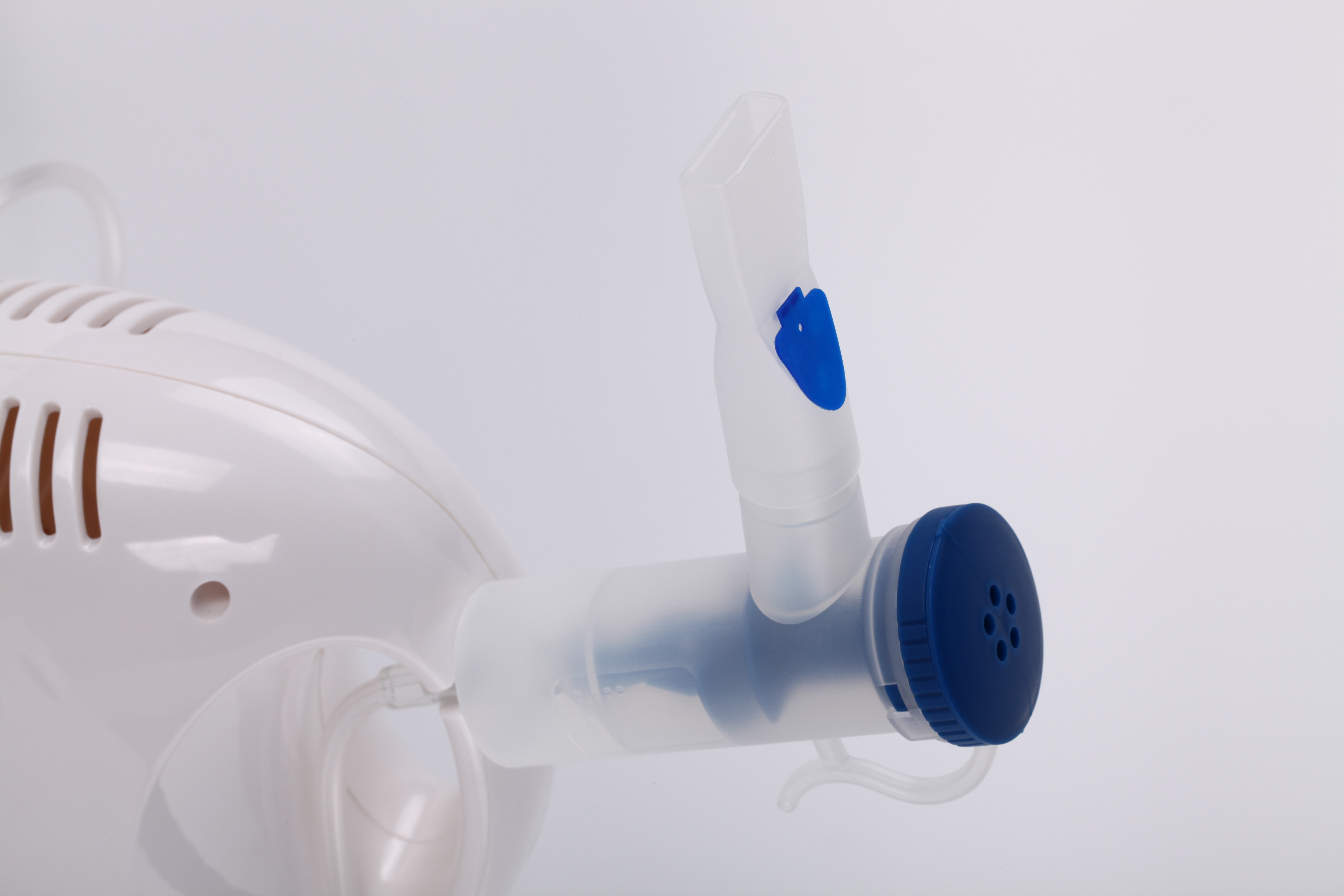
A compressor nebulizer transforms liquid medications into fine mist particles through a sophisticated mechanical process, enabling effective respiratory treatment delivery directly to the lungs. Understanding how this medical device operates reveals the engineering precision behind its therapeutic effectiveness and helps healthcare professionals and patients optimize treatment outcomes. The fundamental working principle involves compressed air creating a high-velocity stream that breaks down liquid medication into respirable droplets, making it an essential tool in respiratory care.
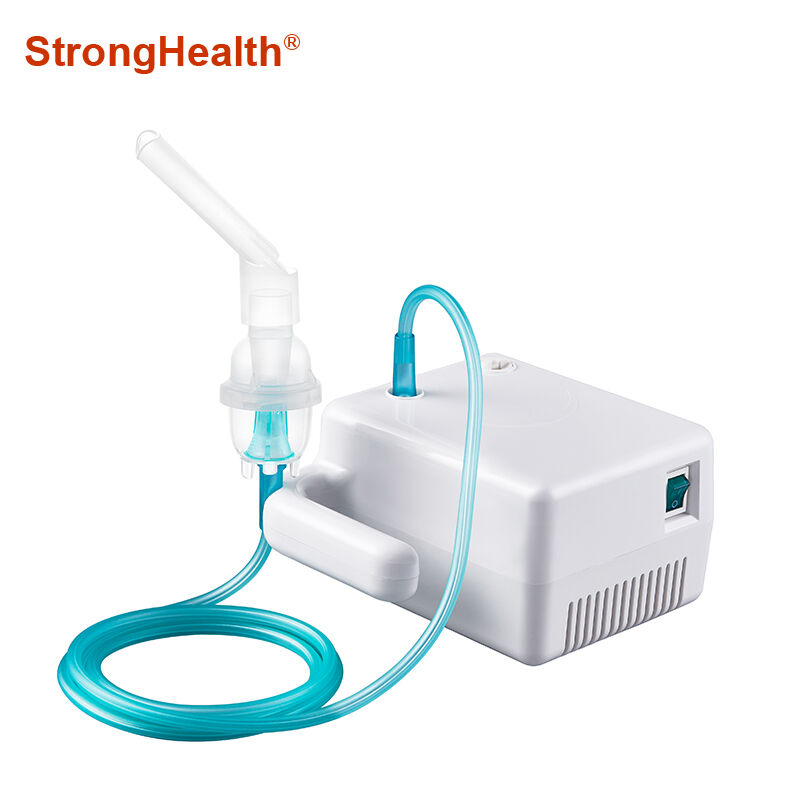
The operational mechanism of a compressor nebulizer represents decades of medical engineering advancement, combining pneumatic principles with precision manufacturing to create reliable medication delivery systems. This comprehensive guide explores every aspect of how these devices function, from the initial air compression stage through the final particle delivery process. Healthcare providers, patients, and caregivers who understand the complete working process can better appreciate the technology's capabilities and ensure proper device utilization for optimal therapeutic results.
Core Components and Their Functions
Air Compressor Assembly
The heart of every compressor nebulizer lies in its pneumatic compression system, which generates the pressurized airflow essential for medication atomization. The electric motor drives a piston or diaphragm mechanism that compresses ambient air to pressures typically ranging from 15 to 50 PSI, depending on the specific device design and intended application. This compressed air must maintain consistent pressure output to ensure uniform particle generation throughout the entire treatment session.
Modern compressor nebulizer units incorporate sophisticated pressure regulation systems that automatically adjust air delivery based on resistance encountered in the nebulization chamber. The compression mechanism operates continuously during treatment, with built-in cooling systems preventing overheating during extended use periods. Quality compressor systems feature minimal vibration and noise levels, enhancing patient comfort during respiratory treatments that may last twenty to thirty minutes.
Nebulization Chamber Design
The nebulization chamber serves as the critical conversion point where liquid medication transforms into respirable particles through the Venturi effect and baffle collision processes. Within this chamber, the high-velocity compressed air stream encounters the liquid medication, creating a pressure differential that draws the medication upward through a narrow capillary tube. The resulting collision between the air stream and liquid creates initial droplet formation.
Advanced chamber designs incorporate multiple baffles and impact surfaces that further refine particle size distribution, ensuring optimal therapeutic delivery to specific lung regions. The chamber geometry influences particle trajectory and collision patterns, with precision-engineered surfaces promoting consistent droplet size reduction. Internal baffles capture larger particles and return them to the medication reservoir for re-nebulization, while allowing properly sized particles to continue toward the patient breathing circuit.
Particle Generation Process
Venturi Effect Application
The Venturi effect forms the foundation of compressor nebulizer operation, utilizing fluid dynamics principles to create the medication atomization process. When compressed air passes through the narrow jet orifice at high velocity, it creates a localized low-pressure zone that draws liquid medication from the reservoir through the uptake tube. This pressure differential is precisely calculated to maintain consistent medication flow rates regardless of the remaining liquid volume in the chamber.
The velocity of the air stream directly correlates with the degree of pressure reduction and subsequent medication uptake rate, explaining why consistent compressor output is crucial for reliable nebulization performance. Engineers design the jet orifice dimensions and positioning to optimize the Venturi effect while minimizing turbulence that could disrupt uniform particle formation. The continuous operation of this principle ensures steady medication delivery throughout the complete treatment duration.
Droplet Formation and Size Control
Once the Venturi effect draws medication into the air stream, the collision between high-velocity air and liquid medication creates an initial spray of various droplet sizes. The compressor nebulizer system employs multiple mechanisms to refine these droplets into the optimal size range for respiratory delivery, typically targeting particles between one and five micrometers in diameter. Larger droplets impact against strategically placed baffles and return to the medication reservoir for re-processing.
The particle size distribution directly affects medication deposition patterns within the respiratory system, with smaller particles reaching deeper lung regions while larger particles deposit in the upper airways. Compressor nebulizer designs incorporate adjustable flow rates and pressure settings that allow healthcare providers to modify particle characteristics based on specific treatment requirements and patient needs. This controllability represents a significant advantage of compressor-based nebulization over other delivery methods.
Airflow Dynamics and Medication Delivery
Pressure Regulation Systems
Sophisticated pressure regulation within a compressor nebulizer ensures consistent medication delivery despite variations in patient breathing patterns and device usage conditions. Internal pressure sensors monitor system performance in real-time, automatically adjusting compressor output to maintain optimal nebulization pressures throughout the treatment session. This regulation prevents both under-nebulization that could reduce therapeutic effectiveness and over-pressurization that might create uncomfortably large particle sizes.
The pressure regulation system also compensates for environmental factors such as altitude changes and temperature fluctuations that could otherwise affect nebulization performance. Advanced compressor nebulizer models feature digital pressure displays that allow healthcare providers to verify proper operation and make necessary adjustments based on specific medication requirements. Consistent pressure maintenance ensures reproducible treatment outcomes across multiple therapy sessions.
Breathing Circuit Integration
The compressor nebulizer connects to the patient through a carefully designed breathing circuit that maintains particle integrity while accommodating natural respiratory patterns. The tubing system between the nebulization chamber and patient interface must balance airflow resistance with particle preservation, ensuring that generated droplets reach the patient without significant loss or size degradation. Proper circuit design minimizes dead space that could reduce medication delivery efficiency.
Breath-enhanced and breath-actuated designs synchronize medication delivery with patient inspiration, maximizing therapeutic efficiency while reducing medication waste. These systems incorporate valves and flow sensors that detect breathing phases and modify nebulization output accordingly. The integration allows patients to breathe naturally during treatment while ensuring optimal medication timing and delivery to the desired lung regions.
Treatment Optimization and Performance Factors
Medication Properties and Compatibility
Different medications interact uniquely with the compressor nebulizer system, requiring specific considerations for optimal atomization and delivery. Viscosity, surface tension, and chemical composition all influence how effectively a medication nebulizes and maintains stability during the atomization process. Healthcare providers must understand these characteristics when selecting appropriate medications and adjusting device settings for specific therapeutic applications.
Some medications require pre-dilution or mixing with saline solutions to achieve proper viscosity for effective nebulization, while others may degrade when exposed to the shear forces generated during the atomization process. The compressor nebulizer system must accommodate these varied requirements through adjustable flow rates and pressure settings. Understanding medication-device interactions helps healthcare providers optimize treatment protocols and achieve desired therapeutic outcomes.
Environmental and Operational Considerations
Environmental factors significantly impact compressor nebulizer performance and require careful consideration during device operation and maintenance. Temperature and humidity levels affect both medication properties and aerosol particle behavior, potentially altering deposition patterns and therapeutic effectiveness. Healthcare facilities must maintain appropriate environmental conditions to ensure consistent device performance across all patient treatments.
Regular maintenance schedules preserve compressor nebulizer functionality and prevent performance degradation that could compromise patient care. Cleaning protocols must address both the mechanical components and the medication contact surfaces, using appropriate disinfection methods that do not damage device materials or affect subsequent nebulization performance. Proper maintenance extends device lifespan while ensuring reliable therapeutic delivery for every patient treatment session.
FAQ
How long does it typically take for a compressor nebulizer to deliver a complete treatment?
A typical compressor nebulizer treatment session lasts between 10 to 30 minutes, depending on the medication volume, device efficiency, and prescribed dosage requirements. Most standard treatments with 2-3 mL of medication complete within 15-20 minutes when using properly maintained equipment. The nebulization time varies based on medication viscosity, with thicker solutions requiring longer processing periods to achieve complete atomization.
What particle size range does a compressor nebulizer typically produce?
Modern compressor nebulizer systems generate particles primarily in the 1-5 micrometer range, which is optimal for therapeutic delivery to various lung regions. Particles smaller than 1 micrometer may be exhaled without deposition, while particles larger than 5 micrometers tend to deposit in the upper airways rather than reaching deeper lung tissues. Quality devices maintain consistent particle size distribution throughout the treatment duration.
Can all types of respiratory medications be used with a compressor nebulizer?
Most liquid respiratory medications are compatible with compressor nebulizer systems, including bronchodilators, corticosteroids, antibiotics, and mucolytics. However, some medications may require specific nebulizer designs or operating parameters to maintain drug stability and effectiveness. Healthcare providers should always verify medication compatibility and follow manufacturer guidelines for specific drug-device combinations to ensure optimal therapeutic outcomes.
How does ambient temperature affect compressor nebulizer performance?
Temperature variations can influence both the compressor efficiency and medication properties during nebulization. Cooler temperatures may slightly increase medication viscosity and reduce nebulization rates, while warmer conditions can accelerate the process but may also increase medication evaporation. Most compressor nebulizer systems are designed to operate effectively within normal room temperature ranges of 18-25°C (64-77°F) without significant performance variations.
Table of Contents
- Core Components and Their Functions
- Particle Generation Process
- Airflow Dynamics and Medication Delivery
- Treatment Optimization and Performance Factors
-
FAQ
- How long does it typically take for a compressor nebulizer to deliver a complete treatment?
- What particle size range does a compressor nebulizer typically produce?
- Can all types of respiratory medications be used with a compressor nebulizer?
- How does ambient temperature affect compressor nebulizer performance?