
 EN
EN
Proper cleaning and maintenance of your compressor nebulizer is essential for ensuring optimal performance, preventing infections, and extending the device's lifespan. Regular cleaning protocols not only maintain the effectiveness of your medication delivery system but also protect you from harmful bacteria and contaminants that can accumulate in the nebulizer components.
Understanding how to properly clean your compressor nebulizer involves more than just rinsing components after each use. It requires a systematic approach that addresses different cleaning frequencies, appropriate cleaning solutions, and proper drying techniques. This comprehensive maintenance routine will help you maximize your investment in respiratory therapy equipment while ensuring safe and effective treatment outcomes.
Understanding Your Compressor Nebulizer Components
Essential Parts That Require Regular Cleaning
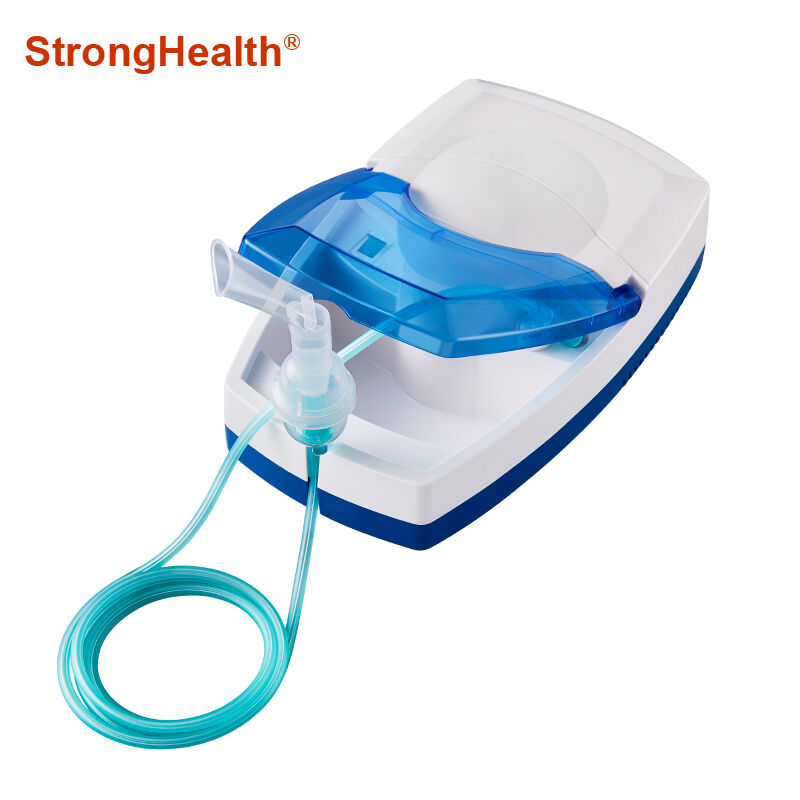
Your compressor nebulizer consists of several key components that work together to convert liquid medication into fine mist particles. The nebulizer cup, also called the medication chamber, is where you place your prescribed medication and requires the most frequent cleaning. This component comes into direct contact with your medication and saliva, making it a primary source of potential contamination if not properly maintained.
The tubing system connects your compressor nebulizer to the medication chamber and carries compressed air to create the nebulization process. While the tubing typically doesn't come into direct contact with medication, it can accumulate moisture and condensation over time. The mouthpiece or mask attachment requires thorough cleaning since it comes into direct contact with your mouth and respiratory system.
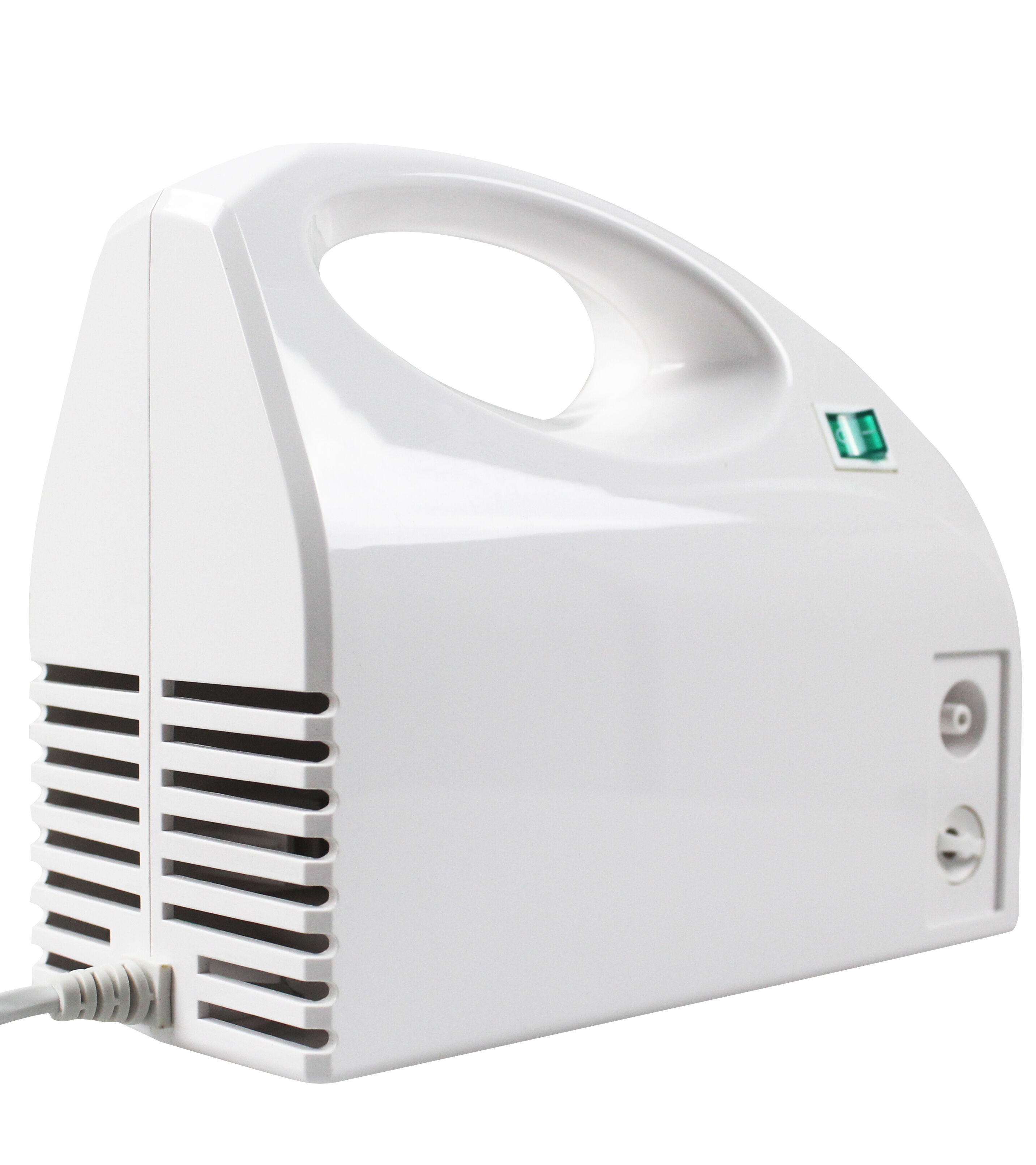
The compressor unit itself houses the motor and air compression mechanism. Although this component doesn't require internal cleaning, the external surfaces and air intake filters need regular attention to maintain optimal airflow and prevent dust accumulation that could affect your compressor nebulizer performance.
Identifying When Components Need Replacement
Regular inspection of your compressor nebulizer components helps determine when cleaning is insufficient and replacement becomes necessary. Look for signs of wear such as cracks in the nebulizer cup, discoloration that doesn't improve with cleaning, or damaged tubing that shows signs of brittleness or holes. These conditions can compromise the effectiveness of your respiratory therapy and should be addressed immediately.
The nebulizer cup typically needs replacement every three to six months with regular use, depending on the frequency of treatments and cleaning protocols followed. If you notice that your compressor nebulizer takes longer to nebulize medication or produces inconsistent mist output, it may indicate that the nebulizer cup's performance has degraded beyond what cleaning can restore.
Monitor the tubing for any signs of moisture retention or unusual odors that persist after cleaning. Quality tubing for your compressor nebulizer should remain flexible and clear throughout its lifespan. Any persistent cloudiness or stiffness indicates that replacement is necessary to maintain proper medication delivery.
Daily Cleaning Protocol After Each Use
Immediate Post-Treatment Cleaning Steps
Immediately after completing your nebulizer treatment, disconnect all removable components from your compressor nebulizer while the parts are still warm. This timing is crucial because warm components are easier to clean and less likely to retain dried medication residue. Empty any remaining medication from the nebulizer cup and rinse it thoroughly with warm water to remove visible medication traces.
Disassemble the nebulizer cup completely, separating the top and bottom portions if your model allows this. Rinse each component under warm running water, ensuring that all visible medication residue is removed. The immediate cleaning step prevents medication from drying and creating stubborn deposits that require more aggressive cleaning methods later.
Shake out excess water from all components and place them on a clean towel for air drying. Proper drying is essential for preventing bacterial growth in your compressor nebulizer accessories. Avoid using cloth towels that might leave lint on the components, as this can interfere with the nebulization process during your next treatment.
Proper Disinfection Techniques
After the initial rinse, prepare a disinfecting solution using either a commercial nebulizer cleaner or a diluted white vinegar solution. If using vinegar, mix one part white vinegar with three parts distilled water to create an effective disinfecting solution for your compressor nebulizer components. Avoid using tap water for final rinses, as it may contain minerals and bacteria that could affect your respiratory health.
Soak the nebulizer cup, mouthpiece, and any removable accessories in the disinfecting solution for at least fifteen minutes. This soaking time allows the solution to penetrate all surfaces and eliminate bacteria, viruses, and fungi that may have accumulated during use. Ensure that the solution reaches all internal surfaces of the components for thorough disinfection.
After soaking, rinse all components thoroughly with distilled water to remove any traces of the cleaning solution. Any residual cleaning agents could irritate your respiratory system during the next treatment. Allow all components to air dry completely on a clean, lint-free surface before reassembling or storing your compressor nebulizer equipment.
Weekly Deep Cleaning Procedures
Comprehensive Component Sterilization
Weekly deep cleaning of your compressor nebulizer involves more intensive sterilization procedures that go beyond daily maintenance routines. Prepare a stronger disinfecting solution or consider using specialized nebulizer cleaning products designed for weekly maintenance. This deeper cleaning protocol helps eliminate any bacterial buildup that daily cleaning might miss and ensures optimal hygiene standards for your respiratory therapy equipment.
Consider using a diluted bleach solution for weekly sterilization, mixing one tablespoon of unscented household bleach with one gallon of water. Soak all removable components in this solution for three to five minutes, ensuring complete submersion of all surfaces. This bleach solution effectively eliminates resistant microorganisms that might survive daily cleaning protocols.
After bleach treatment, rinse all components thoroughly with distilled water and allow them to soak in clean distilled water for several minutes to ensure complete removal of bleach residue. The thorough rinsing process is crucial because any remaining bleach could cause respiratory irritation when you use your compressor nebulizer for medication delivery.
Filter and External Cleaning Maintenance
Weekly maintenance should include attention to your compressor nebulizer's external components and filtration system. Remove and inspect the air intake filter, which typically requires weekly cleaning or replacement depending on your usage frequency and environmental conditions. A clean filter ensures optimal airflow and prevents dust and debris from entering the compressor mechanism.
Clean the external surfaces of your compressor nebulizer using a damp cloth and mild detergent solution. Pay special attention to the control switches, power cord connection, and ventilation areas where dust commonly accumulates. Avoid using excessive moisture near electrical components, and ensure the unit is unplugged before cleaning external surfaces.
Inspect the power cord for any signs of wear or damage during your weekly cleaning routine. A damaged power cord can compromise the safety and reliability of your compressor nebulizer operation. Store the power cord properly to prevent kinking or stress on the electrical connections that could lead to premature failure.
Troubleshooting Common Cleaning Challenges
Removing Stubborn Medication Residue
Stubborn medication residue in your compressor nebulizer components often results from inadequate immediate cleaning or the use of thick, oily medications. When faced with persistent residue, create a stronger cleaning solution using equal parts white vinegar and warm water, and allow affected components to soak for thirty minutes before gentle scrubbing with a soft brush designed for medical equipment cleaning.
For particularly challenging residue buildup, consider using ultrasonic cleaning methods if available. Ultrasonic cleaners provide thorough cleaning action that can reach microscopic crevices in your compressor nebulizer components where manual cleaning might be insufficient. Always follow the ultrasonic cleaner manufacturer's instructions for medical device cleaning protocols.
Avoid using abrasive cleaning tools or harsh chemicals that could damage the delicate surfaces of your nebulizer components. Scratched or damaged surfaces create additional areas for bacteria to accumulate and can interfere with proper nebulization performance. If residue persists despite proper cleaning efforts, component replacement may be necessary to maintain optimal compressor nebulizer function.
Preventing and Addressing Bacterial Contamination
Bacterial contamination in compressor nebulizer equipment poses serious health risks, particularly for individuals with compromised respiratory systems. Signs of bacterial contamination include unusual odors, visible biofilm formation, or persistent cloudiness in components despite thorough cleaning. Address contamination immediately by implementing enhanced disinfection protocols and potentially replacing affected components.
Implement preventive measures by ensuring complete drying of all components between uses and storing your compressor nebulizer in a clean, dry environment. Moisture retention creates ideal conditions for bacterial growth, making proper drying protocols essential for maintaining equipment hygiene. Consider using a dedicated storage container that allows air circulation while protecting components from environmental contamination.
If bacterial contamination persists despite proper cleaning protocols, consult with your healthcare provider or respiratory therapist for guidance. They may recommend specific disinfection procedures or suggest component replacement to ensure your compressor nebulizer continues to provide safe and effective respiratory therapy. Never compromise on hygiene standards when dealing with respiratory equipment that directly affects your health.
Storage and Long-term Maintenance Guidelines
Proper Storage Techniques
Proper storage of your compressor nebulizer between treatments is crucial for maintaining cleanliness and preventing contamination. Store all components in a clean, dry location away from direct sunlight and heat sources that could degrade plastic materials. Consider using a dedicated storage bag or container that provides protection while allowing air circulation to prevent moisture accumulation.
Ensure that all components are completely dry before storage to prevent mold and bacterial growth. Store the nebulizer cup and accessories separately from the compressor unit to allow continued air circulation and prevent moisture transfer. Keep replacement parts and accessories organized and easily accessible for regular maintenance routines.
Avoid storing your compressor nebulizer in humid environments such as bathrooms or basements where moisture levels fluctuate significantly. Temperature variations can cause condensation to form inside stored components, creating ideal conditions for microbial growth that could compromise your next treatment session.
Establishing Replacement Schedules
Develop a systematic replacement schedule for your compressor nebulizer components based on usage frequency and manufacturer recommendations. Document replacement dates for nebulizer cups, tubing, filters, and other consumable parts to ensure timely maintenance and optimal performance. Most nebulizer cups should be replaced every three to six months, while tubing may last six to twelve months with proper care.
Monitor the performance of your compressor nebulizer components and adjust replacement schedules based on actual wear patterns and usage intensity. Heavy users may need more frequent component replacement, while occasional users might extend replacement intervals while maintaining vigilant cleaning protocols. Keep spare components available to avoid treatment interruptions when replacements become necessary.
Track the overall performance metrics of your compressor nebulizer, including treatment time, mist output quality, and any changes in medication effectiveness. These indicators can help identify when cleaning alone is insufficient and component replacement or professional servicing becomes necessary to maintain optimal respiratory therapy outcomes.
FAQ
How often should I clean my compressor nebulizer components?
You should clean your compressor nebulizer components after every use with a thorough rinse and disinfection process. Additionally, perform a deep cleaning weekly using stronger disinfecting solutions to eliminate any bacterial buildup. Daily cleaning prevents medication residue accumulation, while weekly deep cleaning ensures comprehensive sterilization for optimal hygiene and equipment performance.
Can I use regular tap water to clean my compressor nebulizer?
No, you should avoid using tap water for final rinses of your compressor nebulizer components. Tap water contains minerals, chlorine, and potentially harmful microorganisms that could affect your respiratory health. Always use distilled or sterile water for final rinses and cleaning solution preparation to ensure the highest hygiene standards for your respiratory therapy equipment.
What should I do if my compressor nebulizer components develop a persistent odor?
Persistent odors in compressor nebulizer components often indicate bacterial contamination or inadequate cleaning. Implement enhanced disinfection protocols using diluted bleach solutions and extend soaking times. If odors persist despite thorough cleaning, replace the affected components immediately as they may harbor bacteria that could pose health risks during respiratory treatments.
How do I know when to replace my compressor nebulizer components?
Replace compressor nebulizer components when you notice cracks, persistent discoloration, unusual odors that don't resolve with cleaning, or decreased nebulization performance. Typically, nebulizer cups should be replaced every 3-6 months, tubing every 6-12 months, and filters according to manufacturer recommendations. Monitor performance indicators such as treatment time and mist quality to determine optimal replacement timing.