
 EN
EN
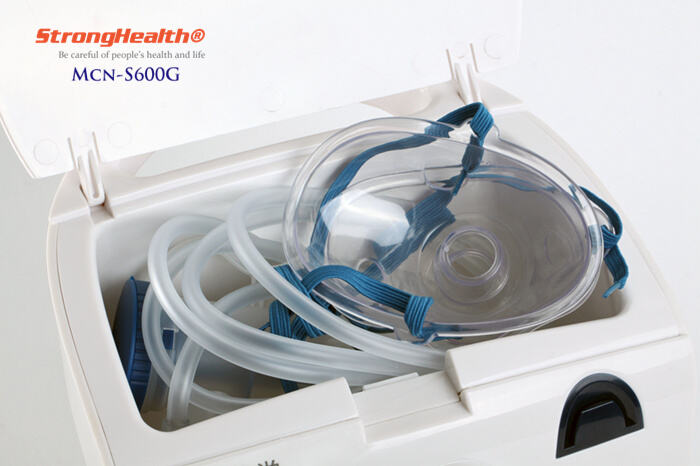
Chronic Obstructive Pulmonary Disease (COPD) affects millions of patients worldwide, requiring effective respiratory management strategies that deliver medications directly to the lungs. Medical professionals consistently recommend compressor nebulizer therapy as a cornerstone treatment for COPD patients because of its proven ability to deliver bronchodilators and other respiratory medications with exceptional precision and effectiveness.
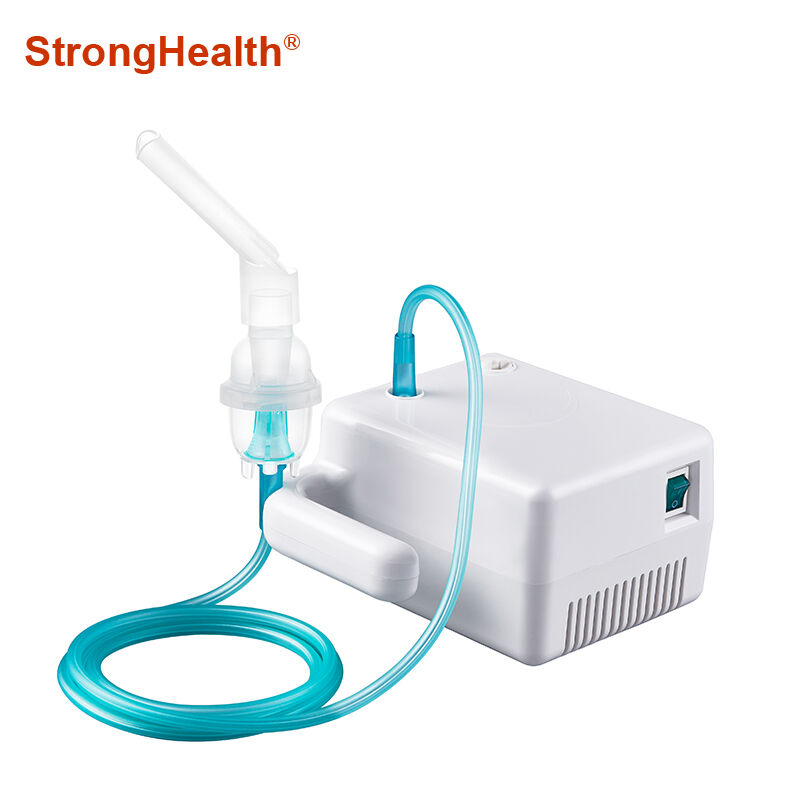
Healthcare providers prefer compressor nebulizer systems for COPD management because these devices generate consistent particle sizes that penetrate deep into compromised lung tissue, ensuring optimal medication absorption where it's needed most. This targeted approach helps COPD patients achieve better symptom control, reduced exacerbation frequency, and improved quality of life compared to other delivery methods.
Superior Medication Delivery Effectiveness
Optimal Particle Size Generation
Doctors recommend compressor nebulizer devices for COPD patients primarily because these systems produce medication particles within the ideal 1-5 micron range. This specific particle size ensures that bronchodilators and anti-inflammatory medications reach the small airways and alveoli where COPD damage occurs most severely. Unlike metered-dose inhalers that require precise coordination, a compressor nebulizer delivers medication consistently regardless of patient breathing patterns or cognitive status.
The compressor nebulizer technology creates uniform aerosol particles through pneumatic energy, breaking liquid medications into microscopic droplets that remain suspended in the air stream. This consistency ensures that COPD patients receive the full prescribed dose of medications like albuterol, ipratropium bromide, or budesonide with each treatment session.
Medical research demonstrates that compressor nebulizer systems achieve higher lung deposition rates compared to other delivery methods, particularly important for COPD patients whose damaged airways require maximum medication exposure to achieve therapeutic effects.
Enhanced Bioavailability for Compromised Airways
COPD patients experience airway obstruction, inflammation, and reduced lung elasticity that impair normal breathing mechanics. Compressor nebulizer therapy addresses these challenges by delivering medications in a gentle mist that doesn't require forceful inhalation techniques. The extended treatment duration, typically 10-15 minutes per session, allows medications to penetrate deep into damaged lung tissue gradually.
Physicians appreciate that compressor nebulizer treatments enable COPD patients to breathe normally during medication administration, reducing the coordination difficulties that often compromise inhaler effectiveness. This passive delivery method ensures consistent medication dosing even during COPD exacerbations when patients experience severe shortness of breath.
The compressor nebulizer's ability to maintain stable medication concentrations throughout the treatment period provides sustained therapeutic exposure, particularly beneficial for patients with severe airflow limitations who struggle with other delivery devices.
Clinical Evidence Supporting Doctor Recommendations
Proven Reduction in COPD Exacerbations
Extensive clinical studies demonstrate that regular compressor nebulizer use significantly reduces COPD exacerbation frequency and severity. Pulmonologists recommend these devices because patients using nebulized bronchodilator therapy experience fewer emergency department visits and hospitalizations compared to those relying solely on handheld inhalers.
The compressor nebulizer's ability to deliver higher medication doses when needed makes it particularly valuable during acute COPD episodes. Emergency medicine physicians often use compressor nebulizer treatments as first-line therapy for severe exacerbations because the devices can deliver multiple medications simultaneously and provide rapid symptom relief.
Long-term studies show that COPD patients who incorporate regular compressor nebulizer treatments into their management plans maintain better lung function preservation and experience slower disease progression compared to patients using alternative delivery methods exclusively.
Improved Patient Compliance and Outcomes
Healthcare providers recognize that compressor nebulizer therapy achieves superior patient compliance rates among COPD populations. The ease of use, particularly for elderly patients or those with arthritis or cognitive impairments, eliminates many barriers that prevent effective medication adherence with other devices.
Doctors observe that patients using compressor nebulizer systems report better symptom control and quality of life measures. The visible mist production provides psychological reassurance that medication is being delivered effectively, increasing patient confidence in their treatment regimen.
Respiratory therapists note that compressor nebulizer treatments create opportunities for patient education and monitoring, as the extended treatment time allows for assessment of breathing patterns, medication response, and technique optimization.
Therapeutic Versatility in COPD Management
Multiple Medication Compatibility
Physicians value compressor nebulizer systems for their ability to deliver various COPD medications effectively. These devices can nebulize short-acting bronchodilators like albuterol and ipratropium, long-acting bronchodilators such as formoterol, and anti-inflammatory medications including budesonide or cromolyn sodium.
The compressor nebulizer's versatility allows doctors to prescribe combination therapies that address multiple aspects of COPD pathophysiology simultaneously. Patients can receive bronchodilation, anti-inflammatory treatment, and mucolytic therapy through a single device, simplifying their treatment regimen and improving adherence.
Emergency protocols often specify compressor nebulizer use for severe COPD exacerbations because these devices can deliver high-dose medications rapidly and can be easily modified based on patient response and clinical assessment.
Customizable Treatment Protocols
Doctors recommend compressor nebulizer therapy because treatment parameters can be adjusted based on individual patient needs and disease severity. The medication dose, treatment frequency, and session duration can be modified without changing devices, providing flexibility that other delivery methods cannot match.
Pulmonary rehabilitation programs frequently incorporate compressor nebulizer treatments because these devices can deliver bronchodilators before exercise sessions, optimizing airway opening and exercise tolerance for COPD patients.
Home healthcare providers prefer compressor nebulizer systems for COPD management because family members and caregivers can easily learn to assist with treatments, ensuring consistent medication delivery even when patients experience functional limitations.
Safety Profile and Risk Management
Reduced Medication Side Effects
Healthcare providers recommend compressor nebulizer therapy for COPD patients because the targeted pulmonary delivery reduces systemic medication absorption and associated side effects. Unlike oral medications that affect the entire body, nebulized treatments concentrate therapeutic effects in the respiratory system where they're needed most.
The compressor nebulizer's gentle delivery method minimizes throat irritation and oral thrush risks commonly associated with dry powder inhalers or pressurized metered-dose inhalers. This reduced side effect profile improves long-term treatment tolerance and patient acceptance.
Geriatricians particularly value compressor nebulizer therapy for elderly COPD patients because the reduced systemic medication exposure minimizes drug interactions and cardiovascular side effects that could complicate other medical conditions.
Enhanced Safety Monitoring
Doctors appreciate that compressor nebulizer treatments occur over extended periods, allowing for continuous patient monitoring and immediate intervention if adverse reactions occur. This safety advantage is particularly important for patients with severe COPD who may be at higher risk for medication-related complications.
The compressor nebulizer's design eliminates propellant exposure risks associated with pressurized inhalers, making it safer for patients with chemical sensitivities or environmental allergies that could complicate COPD management.
Respiratory care protocols often specify compressor nebulizer use in hospital and clinical settings because healthcare providers can observe patient response throughout the treatment period and adjust therapy immediately based on clinical indicators.
FAQ
How often should COPD patients use a compressor nebulizer?
Most doctors prescribe compressor nebulizer treatments 2-4 times daily for stable COPD patients, with additional sessions during exacerbations as needed. Treatment frequency depends on medication type, disease severity, and individual patient response. Patients should always follow their physician's specific instructions and never adjust treatment frequency without medical consultation.
Can all COPD medications be used in a compressor nebulizer?
While many COPD medications are available in nebulizer-compatible formulations, not all medications can be nebulized effectively. Common nebulized COPD medications include albuterol, ipratropium bromide, budesonide, and cromolyn sodium. Patients should only use medications specifically prescribed for nebulization and never attempt to nebulize oral or injection formulations.
Are compressor nebulizers better than inhalers for all COPD patients?
Doctors recommend compressor nebulizers particularly for COPD patients who have difficulty coordinating handheld inhalers, need higher medication doses, or experience severe symptoms. However, portable inhalers may be more convenient for mild COPD patients who travel frequently. The choice between devices should be individualized based on patient capabilities, lifestyle, and clinical needs.
How long do compressor nebulizer treatments typically take?
Standard compressor nebulizer treatments usually require 10-15 minutes to complete, depending on medication volume and device specifications. Patients should continue treatment until the medication chamber is empty and no more mist is visible. Treatment duration may vary slightly based on breathing patterns and specific compressor nebulizer model efficiency.