
 EN
EN
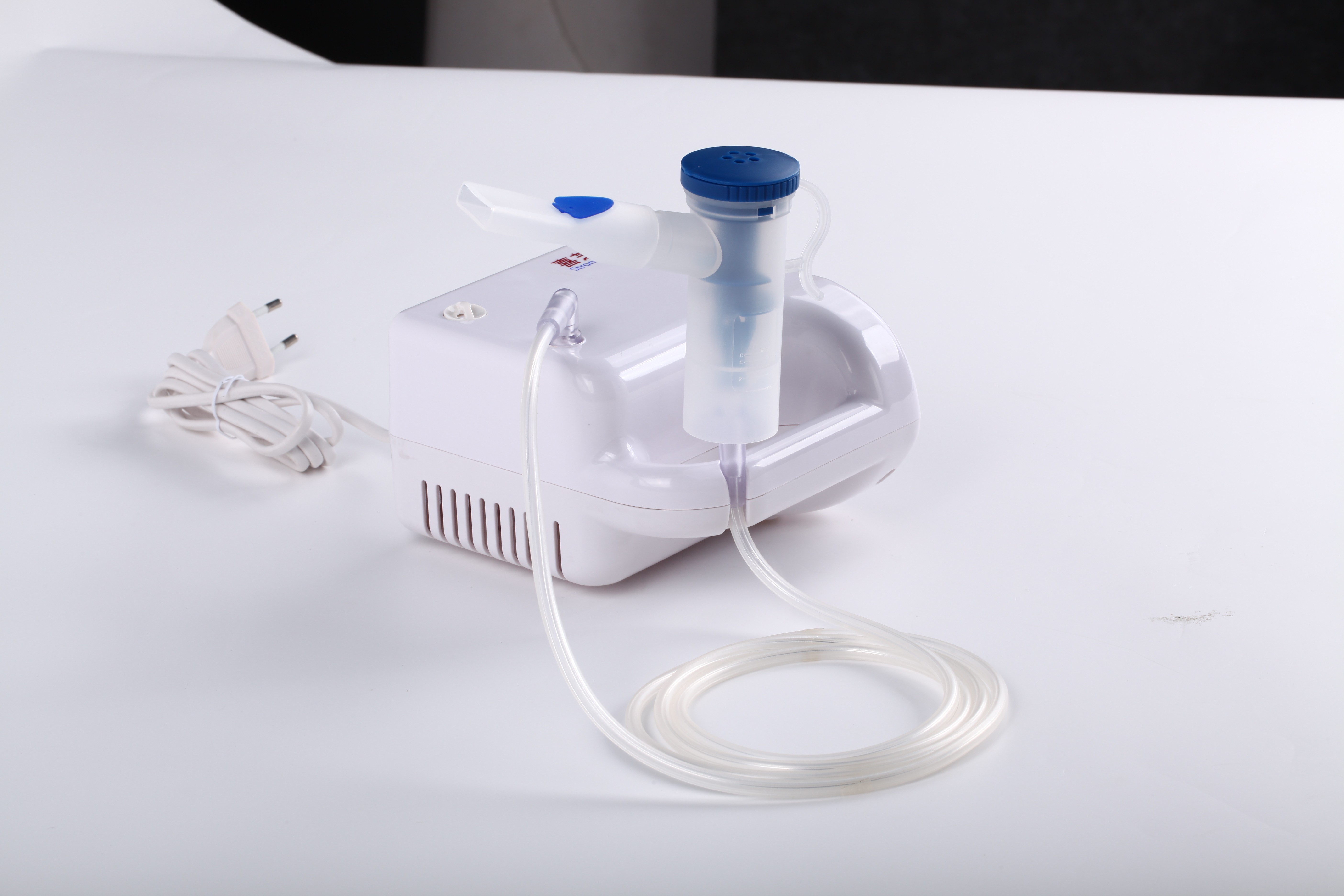
The landscape of respiratory care is undergoing a revolutionary transformation, driven by cutting-edge technology that promises more effective, convenient, and patient-friendly treatment solutions. At the forefront of this evolution stands the mesh nebulizer, a sophisticated medical device that represents a paradigm shift in how medications are delivered to the respiratory system. This advanced technology is reshaping the future of inhalation therapy by offering unprecedented precision, efficiency, and portability that traditional nebulization methods simply cannot match.
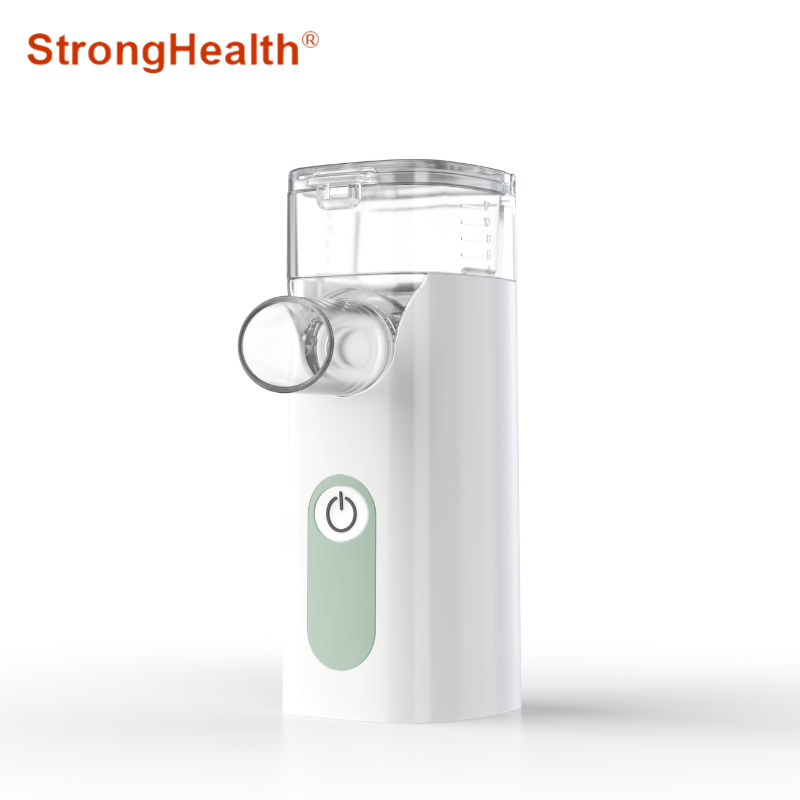
As healthcare continues to embrace technological innovation, the mesh nebulizer emerges as a game-changing solution that addresses the fundamental limitations of conventional nebulization systems. Unlike traditional jet or ultrasonic nebulizers that rely on air pressure or ultrasonic waves, the mesh nebulizer utilizes a precisely engineered mesh membrane with thousands of microscopic holes to create uniform aerosol particles. This breakthrough technology delivers superior therapeutic outcomes while simultaneously enhancing patient compliance and treatment accessibility, making it an essential component of modern respiratory care protocols.
Revolutionary Technology Behind Mesh Nebulizer Innovation
Advanced Mesh Membrane Engineering
The technological foundation of a mesh nebulizer lies in its sophisticated mesh membrane design, which represents a quantum leap forward from conventional nebulization methods. This membrane features thousands of precisely laser-drilled holes, typically ranging from 1 to 5 micrometers in diameter, creating an optimal size distribution for therapeutic aerosol generation. The engineering precision required to manufacture these membranes ensures consistent particle size distribution, which directly correlates to improved drug deposition in the target areas of the respiratory tract.
The mesh technology operates through vibration-induced liquid penetration, where medication is forced through the microscopic perforations to create a fine mist of uniform particles. This process eliminates the heat generation associated with ultrasonic nebulizers and the compressed air requirements of jet nebulizers, resulting in minimal medication degradation and maximum therapeutic efficacy. The mesh nebulizer design ensures that heat-sensitive medications maintain their molecular integrity throughout the nebulization process, preserving their therapeutic properties and enhancing treatment outcomes.
Furthermore, the mesh membrane's durability and resistance to chemical degradation ensure consistent performance across thousands of treatment cycles. The advanced materials used in mesh nebulizer construction, including corrosion-resistant alloys and biocompatible polymers, guarantee long-term reliability while maintaining the precise hole geometry essential for optimal aerosol generation. This engineering excellence translates directly into superior clinical outcomes and enhanced patient safety.
Silent Operation and Energy Efficiency
One of the most significant technological advantages of the mesh nebulizer is its virtually silent operation, achieved through the elimination of high-pressure air compressors and ultrasonic transducers. The gentle vibration mechanism operates at frequencies that produce minimal audible noise, creating a more comfortable treatment environment for patients across all age groups. This silent operation proves particularly beneficial for pediatric patients, elderly individuals, and those requiring frequent daily treatments who might otherwise experience anxiety or discomfort from noisy traditional nebulizers.
The energy efficiency of mesh nebulizer technology represents another breakthrough in portable medical device design. Operating on low-voltage power systems, these devices can function effectively using standard batteries for extended periods, making them ideal for travel, emergency situations, and areas with limited electrical infrastructure. The reduced power consumption not only enhances portability but also contributes to lower operational costs over the device's lifespan, providing significant economic advantages for both healthcare facilities and individual patients.
Additionally, the compact electronic components required for mesh nebulizer operation enable miniaturization without compromising performance. This technological efficiency allows manufacturers to create handheld devices that rival the therapeutic effectiveness of much larger traditional nebulizers, fundamentally changing how and where inhalation therapy can be administered. The combination of silent operation and energy efficiency makes the mesh nebulizer an ideal solution for modern healthcare environments that prioritize patient comfort and operational flexibility.
Superior Therapeutic Benefits and Clinical Advantages
Enhanced Drug Delivery Precision
The mesh nebulizer delivers unparalleled precision in medication distribution, ensuring that therapeutic compounds reach their intended targets within the respiratory system with remarkable accuracy. The uniform particle size generation achieved through mesh technology creates aerosols with optimal aerodynamic characteristics, allowing medications to penetrate deeper into the lungs and reach peripheral airways that traditional nebulizers often fail to access effectively. This enhanced penetration translates directly into improved therapeutic outcomes and potentially reduced medication dosages required for effective treatment.
Clinical studies consistently demonstrate that mesh nebulizer technology achieves superior lung deposition rates compared to conventional nebulization methods, with many formulations showing 2-3 times higher bioavailability in target tissues. This improved delivery efficiency means that patients receive maximum therapeutic benefit from each treatment session, reducing the frequency of medication administration required to maintain optimal symptom control. The precision of drug delivery also minimizes systemic exposure to medications, reducing potential side effects and improving overall treatment tolerability.
The consistent particle size distribution produced by mesh nebulizer technology ensures predictable and reproducible therapeutic outcomes across treatment sessions. This reliability is crucial for chronic respiratory conditions requiring long-term management, as it provides healthcare providers with confidence in treatment protocols and enables more accurate assessment of patient response to therapy. The enhanced precision also supports personalized medicine approaches, allowing clinicians to fine-tune treatment regimens based on individual patient responses and specific therapeutic requirements.
Reduced Treatment Time and Improved Efficiency
The efficiency gains achieved through mesh nebulizer technology represent a significant advancement in respiratory care, dramatically reducing the time required for effective medication delivery. Traditional nebulizers often require 15-30 minutes to complete a single treatment session, while mesh nebulizer systems can deliver equivalent or superior therapeutic doses in 5-10 minutes. This time reduction proves invaluable for busy healthcare environments, home care settings, and emergency situations where rapid medication delivery is essential for patient stabilization.
The improved efficiency extends beyond simple time savings to encompass enhanced medication utilization and reduced waste. Mesh nebulizer technology achieves nebulization rates that approach 90-95% of loaded medication, compared to 50-70% typical of conventional systems. This enhanced utilization translates into direct cost savings for patients and healthcare systems while ensuring that prescribed therapeutic doses are delivered with maximum effectiveness. The reduced residual volume also minimizes medication waste and environmental impact associated with respiratory treatments.
Furthermore, the rapid treatment delivery enabled by mesh nebulizer technology improves patient compliance by reducing the burden of lengthy treatment sessions. Patients are more likely to adhere to prescribed treatment regimens when individual sessions are brief and convenient, leading to better long-term therapeutic outcomes and reduced healthcare costs associated with poor medication compliance. The efficiency benefits make mesh nebulizer technology particularly suitable for pediatric patients, elderly individuals, and busy professionals who require flexible treatment scheduling.
Patient-Centered Design and Accessibility Improvements
Portable and Convenient Treatment Solutions
The portability revolution brought by mesh nebulizer technology fundamentally transforms how patients approach respiratory care, enabling treatment administration in virtually any environment without compromising therapeutic effectiveness. These compact devices typically weigh less than 200 grams and fit easily into a standard pocket or small carry bag, making them ideal companions for travel, work, and daily activities. The freedom to carry effective nebulization therapy anywhere removes traditional barriers to treatment compliance and empowers patients to maintain optimal respiratory health regardless of their location or schedule.
The convenience factor extends to the simple operation and minimal maintenance requirements of modern mesh nebulizer systems. Unlike traditional nebulizers that require complex setup procedures, tubing connections, and bulky compressor units, mesh nebulizers typically feature one-button operation and straightforward medication loading procedures. This simplicity proves particularly beneficial for elderly patients, children, and individuals with limited dexterity who may struggle with more complex medical equipment. The intuitive design reduces the learning curve associated with new medical devices and minimizes the potential for user error during critical treatment moments.
Additionally, the battery-powered operation of mesh nebulizer devices eliminates dependence on electrical outlets, making them suitable for outdoor activities, emergency situations, and areas with unreliable power infrastructure. This independence from fixed power sources proves invaluable for patients who travel frequently, work in remote locations, or require emergency medication access. The combination of portability and reliability ensures that effective respiratory care remains accessible regardless of external circumstances or environmental limitations.
Enhanced Patient Comfort and Treatment Experience
The mesh nebulizer prioritizes patient comfort through thoughtful design elements that address common concerns associated with traditional nebulization therapy. The elimination of high-pressure air flow reduces the uncomfortable sensation of forced air inhalation that many patients experience with jet nebulizers, creating a more natural and pleasant treatment experience. The gentle aerosol delivery feels similar to breathing humid air, making treatments more tolerable for sensitive patients and reducing anxiety associated with medical device usage.
The versatility in breathing patterns accommodated by mesh nebulizer technology represents another significant comfort improvement. Unlike traditional systems that require specific breathing techniques or tidal volumes for optimal medication delivery, mesh nebulizers work effectively with natural breathing patterns. This flexibility proves particularly beneficial for patients with compromised respiratory function, young children who may struggle with breathing instructions, and elderly individuals who may have difficulty maintaining consistent inhalation techniques. The accommodation of natural breathing reduces stress and improves overall treatment tolerability.
Furthermore, the hygienic design of mesh nebulizer systems minimizes cross-contamination risks and simplifies cleaning procedures compared to traditional nebulizers with multiple components and tubing systems. The reduced number of parts requiring sterilization and the durable construction materials make maintenance straightforward and time-efficient. This simplified hygiene management proves especially valuable for immunocompromised patients who require strict infection control measures and busy healthcare facilities where equipment turnover rates are high.
Economic Impact and Healthcare System Benefits
Cost-Effectiveness and Resource Optimization
The economic advantages of mesh nebulizer technology extend far beyond initial device costs to encompass significant long-term savings across multiple dimensions of healthcare delivery. The enhanced medication utilization achieved through mesh nebulizer systems translates directly into reduced pharmaceutical expenses, as patients require smaller quantities of expensive respiratory medications to achieve equivalent therapeutic outcomes. This efficiency proves particularly valuable for costly biologics and specialty formulations where even modest improvements in delivery efficiency can result in substantial annual savings for patients and insurance providers.
Healthcare facilities benefit from reduced operational costs associated with mesh nebulizer implementation, including decreased electricity consumption, eliminated compressor maintenance requirements, and reduced equipment storage space needs. The compact design and minimal infrastructure requirements of mesh nebulizer systems enable more efficient use of clinical space while reducing the complexity of equipment management protocols. These operational efficiencies contribute to improved workflow optimization and resource allocation within healthcare environments.
The durability and reliability of mesh nebulizer technology also contribute to favorable total cost of ownership calculations. With proper maintenance, quality mesh nebulizers can provide years of reliable service with minimal component replacement requirements, contrasting favorably with traditional nebulizers that may require frequent compressor servicing and tubing replacement. The reduced maintenance burden translates into lower ongoing operational costs and improved equipment availability for patient care activities.
Improved Clinical Outcomes and Healthcare Efficiency
The clinical benefits achieved through mesh nebulizer technology contribute to measurable improvements in healthcare system efficiency through reduced hospital readmissions, emergency department visits, and acute care episodes. The superior drug delivery precision and enhanced patient compliance associated with mesh nebulizer usage lead to better disease management and fewer exacerbations requiring urgent medical intervention. These improvements translate into significant cost savings for healthcare systems while simultaneously improving patient quality of life and treatment satisfaction.
The time efficiency gains from mesh nebulizer technology enable healthcare providers to treat more patients within existing time constraints, improving clinic throughput and reducing patient wait times. The reduced treatment duration and simplified administration procedures allow nursing staff to focus on higher-value care activities while maintaining high-quality respiratory therapy delivery. This efficiency improvement proves particularly valuable in high-volume clinical settings and emergency departments where time constraints significantly impact patient care delivery.
Moreover, the consistent therapeutic outcomes achieved through mesh nebulizer technology enable more predictable treatment planning and resource allocation. Healthcare providers can develop standardized treatment protocols with confidence in their effectiveness, reducing the variability and uncertainty associated with traditional nebulization methods. This standardization supports evidence-based care delivery and facilitates quality improvement initiatives within respiratory care programs.
Future Developments and Emerging Applications
Integration with Digital Health Technologies
The convergence of mesh nebulizer technology with digital health platforms represents the next frontier in personalized respiratory care, enabling unprecedented levels of treatment monitoring and optimization. Advanced mesh nebulizer systems increasingly incorporate connectivity features that allow real-time tracking of medication adherence, treatment frequency, and device performance metrics. This data integration enables healthcare providers to monitor patient compliance remotely and intervene proactively when treatment patterns suggest potential issues or declining therapeutic effectiveness.
Artificial intelligence applications are beginning to enhance mesh nebulizer functionality through predictive analytics and personalized treatment recommendations. Smart systems can analyze individual patient response patterns, environmental factors, and physiological data to optimize treatment timing, dosage adjustments, and medication selection. This personalization capability promises to revolutionize chronic respiratory disease management by enabling truly individualized treatment protocols that adapt dynamically to changing patient needs and external conditions.
The integration of mesh nebulizer technology with telemedicine platforms also expands access to specialized respiratory care in remote and underserved areas. Patients can receive expert consultation and treatment guidance while using connected mesh nebulizer devices that provide real-time therapy data to distant healthcare providers. This capability proves particularly valuable for managing complex respiratory conditions that require specialist expertise but may not be available locally, democratizing access to high-quality respiratory care regardless of geographic limitations.
Advanced Formulation Compatibility and Drug Development
The unique delivery characteristics of mesh nebulizer technology are driving innovation in pharmaceutical formulation development, enabling the creation of specialized medications optimized specifically for mesh-based delivery systems. Pharmaceutical companies are investing in formulations that leverage the precise particle size control and gentle processing conditions of mesh nebulizers to improve drug stability, bioavailability, and therapeutic effectiveness. These developments include novel protein therapeutics, gene therapy vectors, and combination drug products that would be impossible to deliver effectively through traditional nebulization methods.
The compatibility of mesh nebulizer systems with a wide range of medication viscosities and formulation types opens new possibilities for respiratory drug delivery applications. From traditional bronchodilators and corticosteroids to emerging immunomodulators and antiviral agents, mesh nebulizer technology provides a versatile platform for diverse therapeutic interventions. This flexibility supports the development of combination therapies and multi-modal treatment approaches that can address complex respiratory conditions more comprehensively than single-agent therapies.
Research into nanoparticle delivery and targeted drug release systems is also benefiting from mesh nebulizer technology advantages. The precise control over aerosol characteristics enables researchers to optimize nanoparticle formulations for specific lung regions, disease states, and therapeutic targets. This targeting capability promises to enhance treatment effectiveness while minimizing systemic side effects, representing a significant advancement toward precision medicine applications in respiratory care.
FAQ
How does a mesh nebulizer differ from traditional jet or ultrasonic nebulizers?
A mesh nebulizer uses a vibrating mesh membrane with thousands of microscopic holes to create aerosol particles, while jet nebulizers rely on compressed air and ultrasonic nebulizers use high-frequency sound waves. The mesh technology produces more uniform particle sizes, operates silently, and achieves higher medication delivery efficiency with minimal heat generation. This results in better drug stability, faster treatment times, and superior therapeutic outcomes compared to traditional nebulization methods.
What types of medications can be used with mesh nebulizer devices?
Mesh nebulizers are compatible with a wide range of respiratory medications including bronchodilators, corticosteroids, mucolytics, antibiotics, and saline solutions. The gentle processing conditions preserve heat-sensitive medications and protein-based therapies that might be degraded by traditional nebulization methods. However, it's essential to consult with healthcare providers and follow manufacturer guidelines to ensure specific medications are approved for use with particular mesh nebulizer models, as compatibility can vary between devices and formulations.
How often does the mesh membrane need replacement, and what are the maintenance requirements?
High-quality mesh nebulizer membranes typically last 6-12 months with regular use, though this can vary based on usage frequency, medication types, and maintenance practices. Regular cleaning with appropriate solutions and gentle handling help extend membrane life. Maintenance involves cleaning the mesh after each use, periodic deep cleaning with recommended solutions, and proper storage in clean, dry conditions. Most devices include indicators or performance monitoring to alert users when membrane replacement is needed.
Are mesh nebulizers suitable for all age groups, including children and elderly patients?
Mesh nebulizers are particularly well-suited for all age groups due to their gentle operation, silent functioning, and accommodation of natural breathing patterns. The absence of high-pressure air makes them comfortable for children who might be frightened by traditional nebulizers, while the simple operation and minimal setup requirements benefit elderly patients with limited dexterity. Many models include pediatric masks and accessories specifically designed for young patients, and the portable design enables treatment flexibility that works well for active lifestyles across all ages.
Table of Contents
- Revolutionary Technology Behind Mesh Nebulizer Innovation
- Superior Therapeutic Benefits and Clinical Advantages
- Patient-Centered Design and Accessibility Improvements
- Economic Impact and Healthcare System Benefits
- Future Developments and Emerging Applications
-
FAQ
- How does a mesh nebulizer differ from traditional jet or ultrasonic nebulizers?
- What types of medications can be used with mesh nebulizer devices?
- How often does the mesh membrane need replacement, and what are the maintenance requirements?
- Are mesh nebulizers suitable for all age groups, including children and elderly patients?