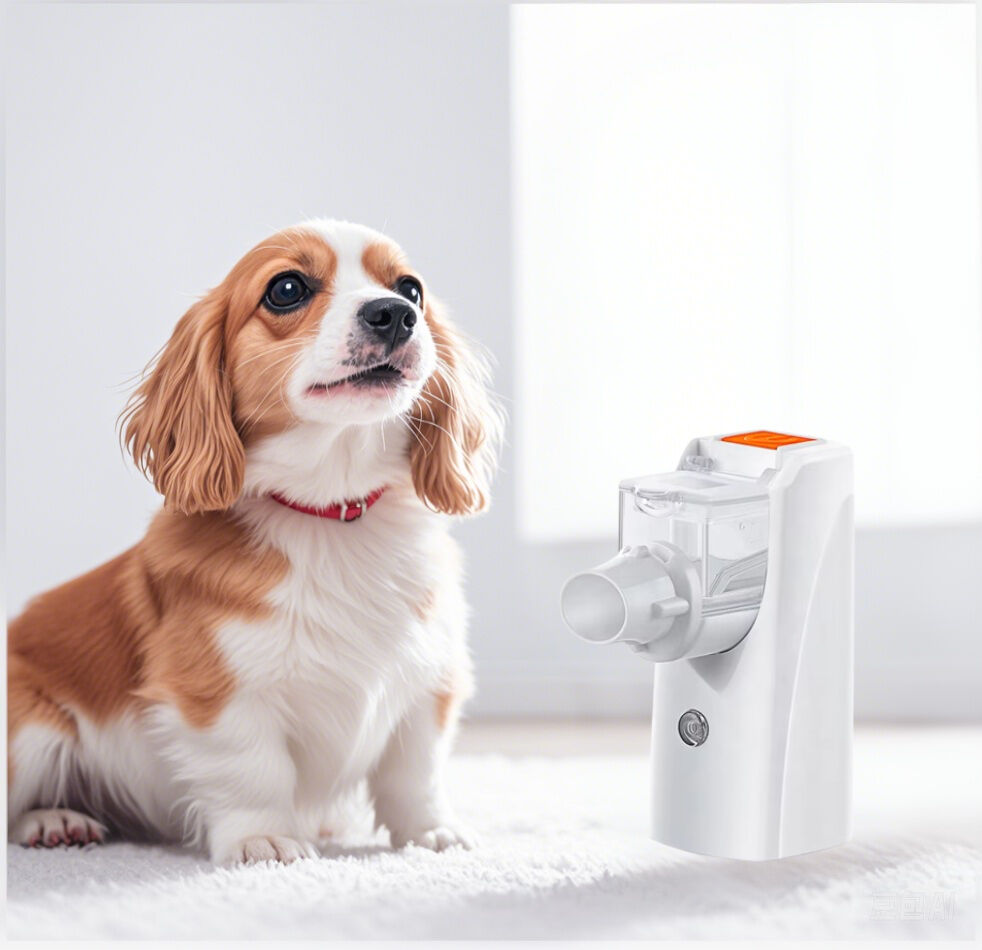
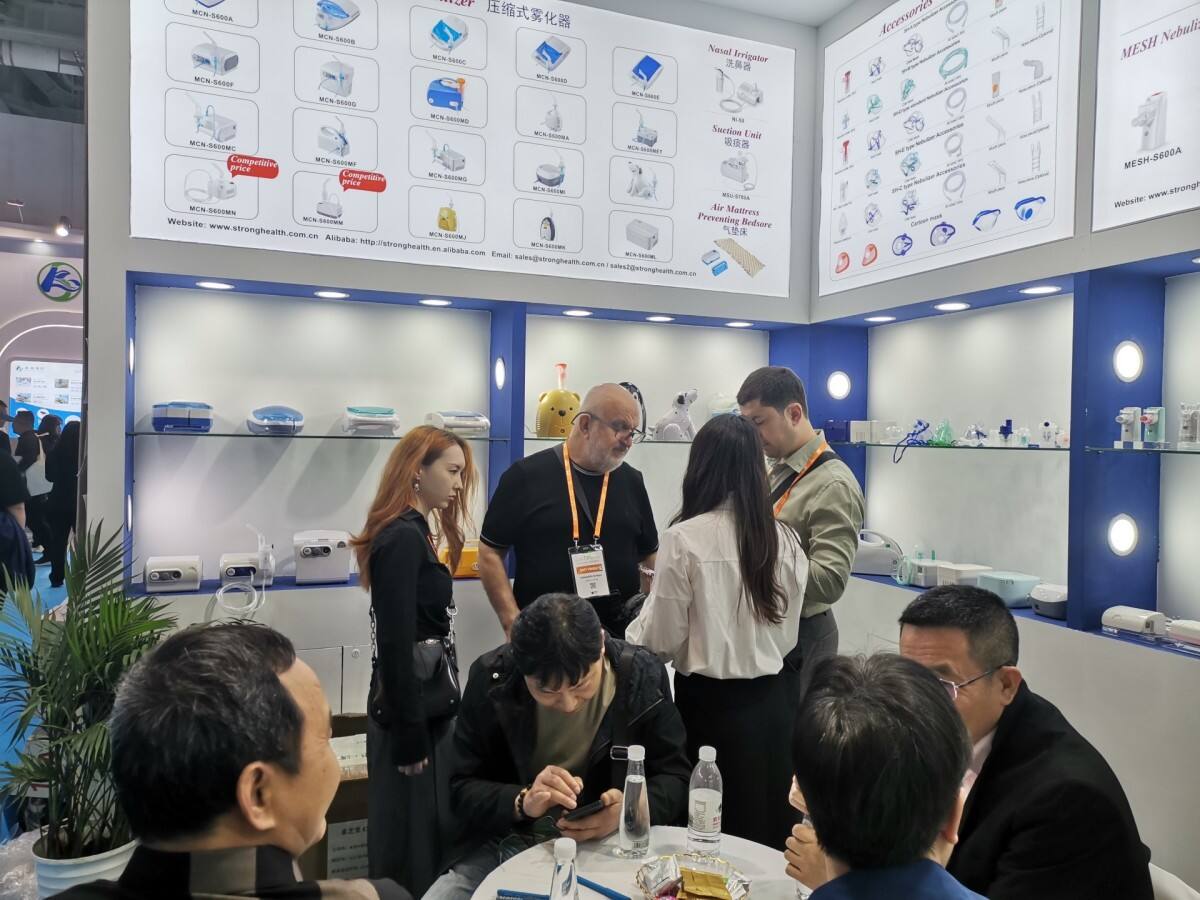
compressor nebulizer use
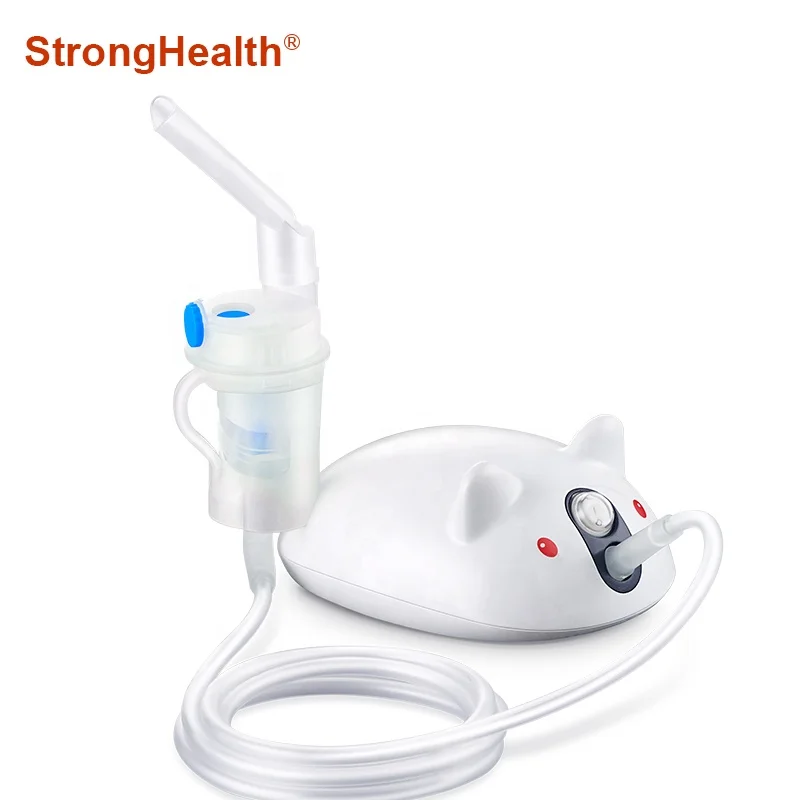
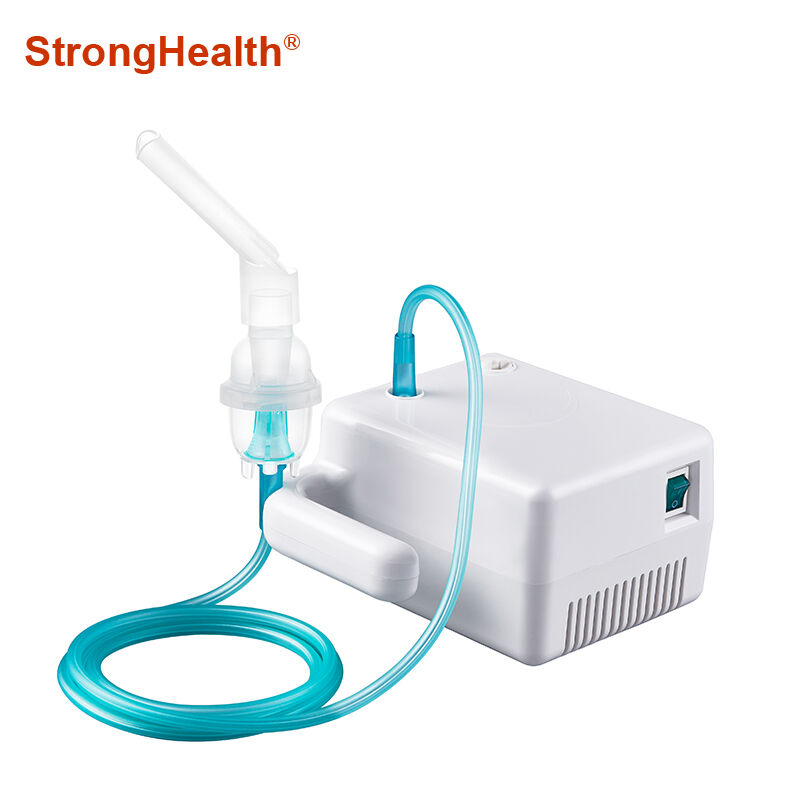
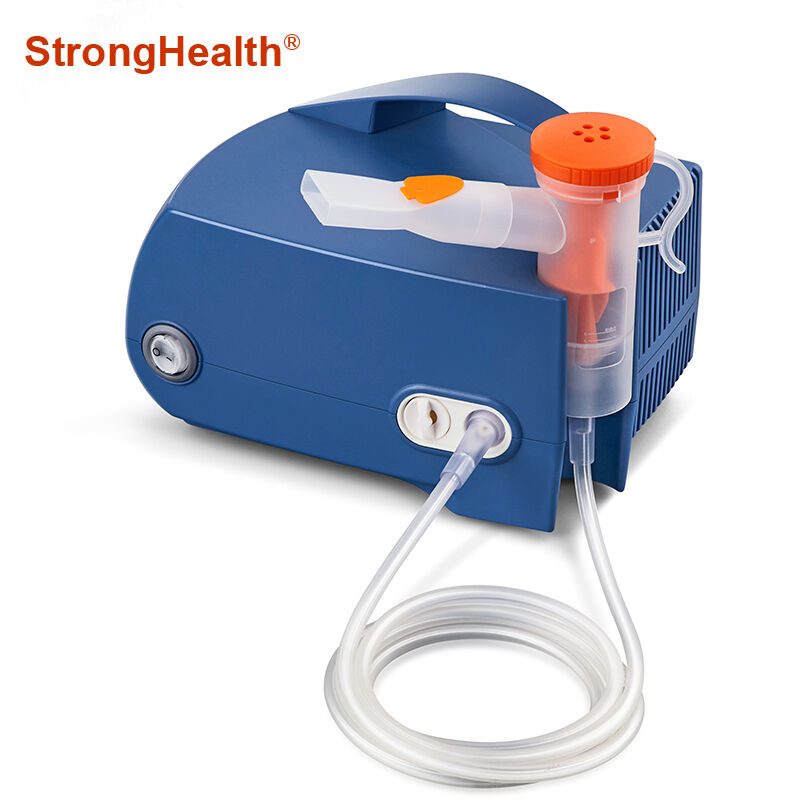
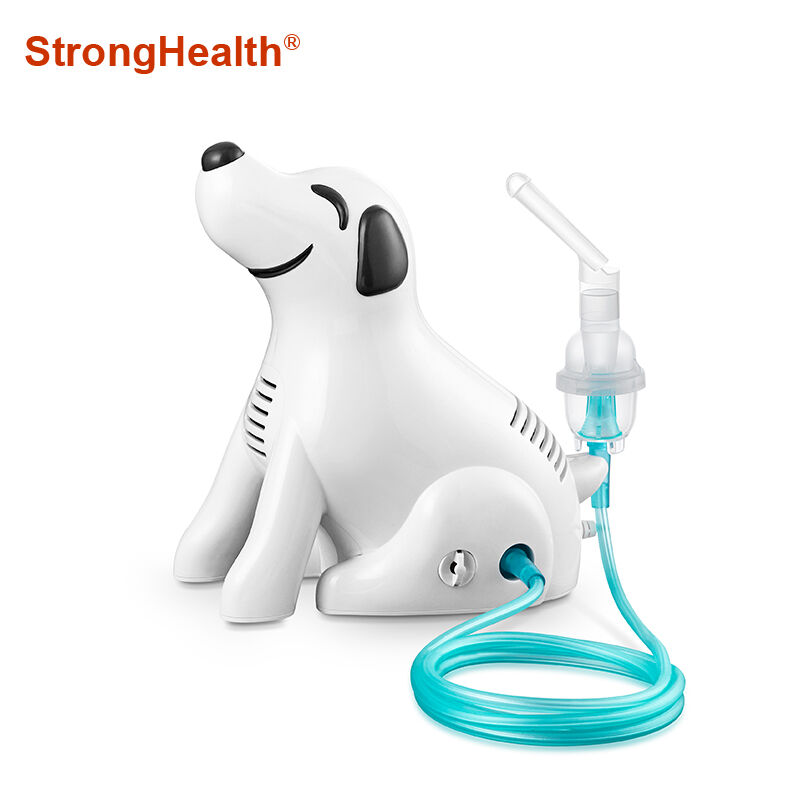
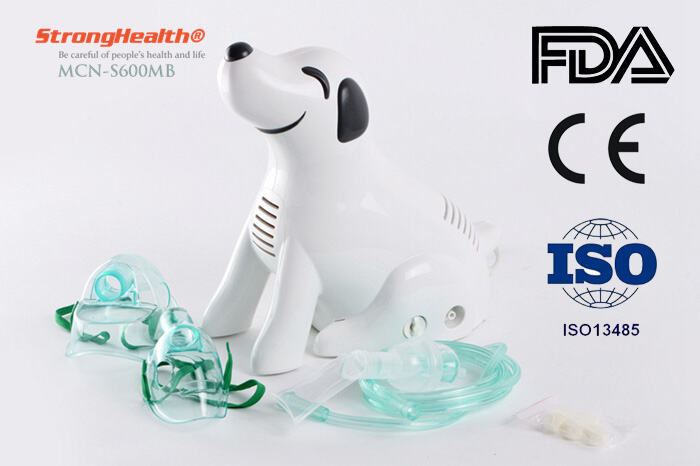
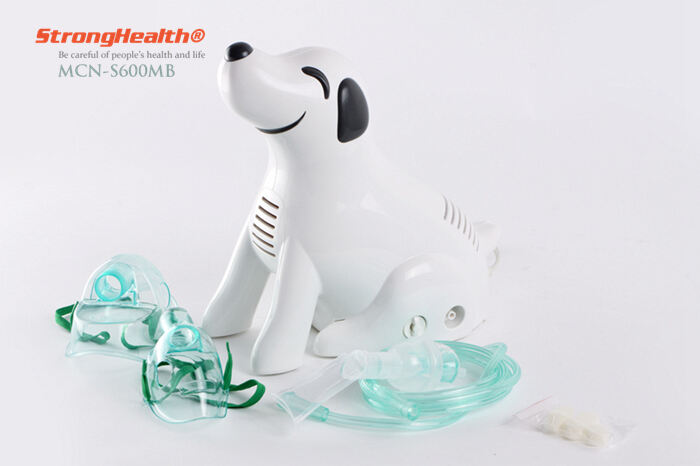
Compressor nebulizer use has revolutionized respiratory therapy by providing an effective method for delivering medication directly to the lungs. A compressor nebulizer is a medical device that converts liquid medication into a fine mist or aerosol, making it easier for patients to inhale therapeutic substances. The device operates through a sophisticated air compression system that forces air through liquid medication, creating microscopic droplets that can penetrate deep into the respiratory tract. The primary function of compressor nebulizer use involves transforming various respiratory medications, including bronchodilators, corticosteroids, and mucolytics, into inhalable particles. This conversion process ensures optimal drug delivery to targeted areas within the lungs, maximizing therapeutic effectiveness while minimizing systemic side effects. Technologically, modern compressor nebulizers feature advanced engineering components that enhance performance and reliability. The compression chamber generates consistent air pressure, typically ranging from 15 to 20 PSI, which is essential for producing uniform particle sizes. Most units incorporate durable piston compressors that operate quietly while maintaining consistent nebulization rates. The nebulization chamber, constructed from medical-grade materials, ensures safe medication handling and easy cleaning protocols. Applications for compressor nebulizer use span numerous respiratory conditions, including asthma, chronic obstructive pulmonary disease (COPD), cystic fibrosis, and various pulmonary infections. Healthcare facilities utilize these devices extensively in emergency departments, intensive care units, and outpatient clinics. Home healthcare has also embraced compressor nebulizer use, allowing patients to receive professional-grade treatment in comfortable, familiar environments. The versatility of compressor nebulizer use extends to pediatric applications, where child-friendly designs and masks accommodate young patients who struggle with traditional inhalers. Additionally, these devices support preventive care protocols and long-term disease management strategies, making them indispensable tools in modern respiratory medicine.

 EN
EN